Last Updated on December 2, 2025 by Bilal Hasdemir

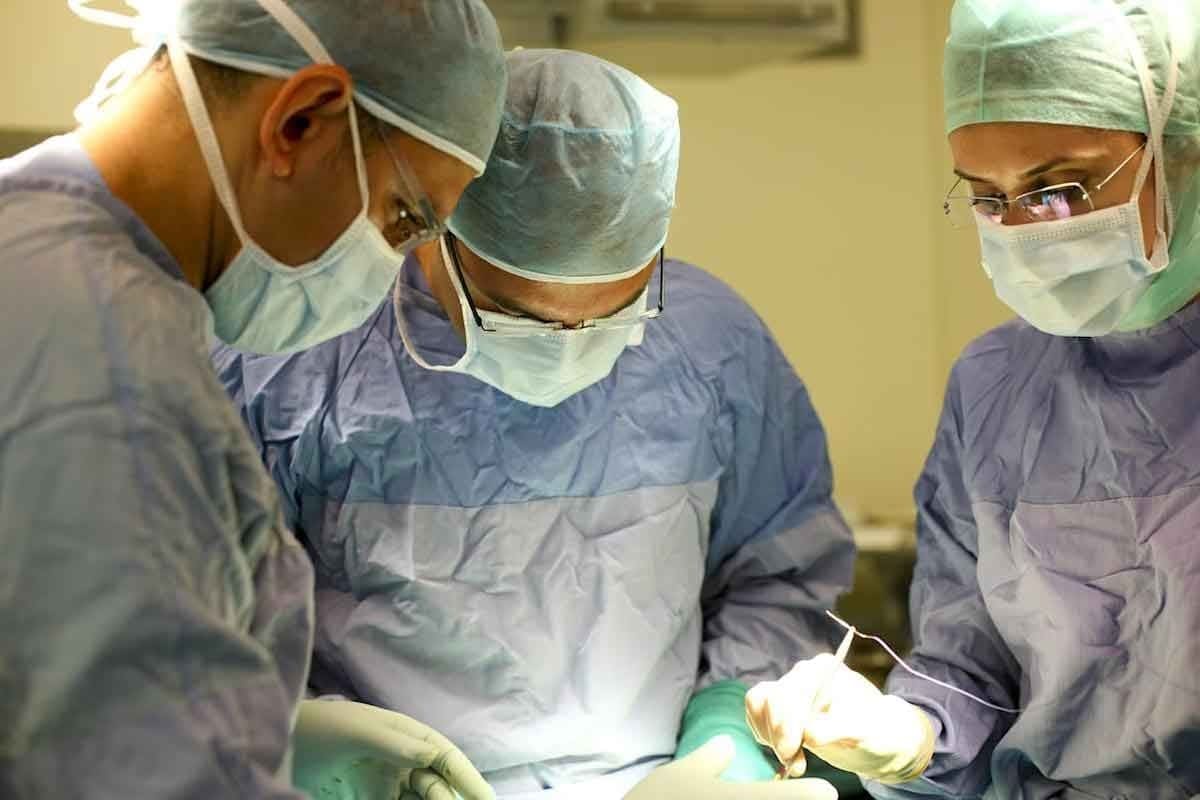
A colectomy is a surgery to remove part or all of the colon. It’s often done for ulcerative colitis, Crohn’s disease, and colon cancer. Every year, nearly 70,000 people in the U.S. have this surgery. It’s a big help for many with stomach problems.
It’s important for patients to know about colectomy side effects before bowel surgery recovery. The surgery type depends on the disease and how bad it is. We’ll look at what colectomy means for patients’ life after bowel surgery.
Key Takeaways
- Colectomy is a surgical procedure to remove part or all of the colon.
- It’s often performed to treat ulcerative colitis, Crohn’s disease, and colon cancer.
- Understanding colectomy side effects is important for patients.
- The surgery type depends on the condition and disease extent.
- Bowel surgery recovery varies among patients.
Understanding Colectomy: Types and Purposes

Bowel surgery, like colectomy, is often needed for those with ulcerative colitis or Crohn’s disease. A colectomy removes part or all of the colon. It’s a big treatment for many bowel diseases.
Definition and Common Reasons for Colectomy
A colectomy is a surgery to remove part or all of the colon. It’s done for severe diseases like ulcerative colitis, Crohn’s disease, colon cancer, or severe diverticulitis. Doctors choose surgery after trying other treatments.
Different Types of Colectomy Procedures
There are many colectomy procedures, each for different reasons:
- Total Colectomy: Removes the whole colon.
- Partial Colectomy: Takes out a part of the colon.
- Proctocolectomy: Removes the colon and rectum.
The right surgery depends on the disease, its severity, and the patient’s health.
What to Expect Before Surgery
Before surgery, patients get checked thoroughly. This includes:
- Looking at their medical history and doing a physical check-up.
- Doing tests like colonoscopy, CT scans, or MRI.
- Checking their nutrition and making it better.
They also learn about what to do before surgery. This might include changing their diet, preparing their bowels, and adjusting their medicines.
Immediate Post-Surgical Side Effects

Knowing the side effects right after colectomy surgery is key for patient care. As medical experts, we see that the time after surgery can be tough for patients.
Pain and Discomfort
Pain is common after surgery. We use different ways to help manage pain, like medicine and other therapies. Good pain control is important for a smooth recovery.
- Medications: We give the right pain relief medicines.
- Alternative therapies: Deep breathing and relaxation can also help.
Temporary Changes in Bowel Function
Changes in bowel function happen after colectomy surgery. Patients might see changes in how they go to the bathroom, but these usually go away. We keep a close eye on these changes to make sure they do.
It’s important to eat foods that help with bowel health during this time.
- Diarrhea or constipation: These are common side effects that don’t last long.
- Bowel habits getting back to normal: Most patients see their bowel habits return to normal over time.
Fatigue and Weakness After Colon Surgery
Fatigue after colon surgery is a big side effect. We tell patients how to deal with it by resting, eating well, and slowly getting back to activities.
Good nutrition is key for getting better, and we help patients choose the best foods.
By knowing these side effects right after surgery, patients can get ready for recovery. We are dedicated to helping our patients through every part of their care.
Digestive Changes After Colectomy
After a colectomy, the body makes big changes in digestion. These changes can affect how well you feel every day.
Bowel Movement Frequency Changes
One big change is how often you go to the bathroom. Some people go more often, while others go less. Managing these changes often means changing what you eat and sometimes taking medicine.
Diarrhea After Colectomy Surgery
Diarrhea is a common side effect after colectomy surgery. It can happen because of how the digestive system changes. To help with diarrhea, patients are told to make dietary changes, like eating more fiber or avoiding certain foods.
Constipation: A Common Issue After Colectomy
Constipation is also a problem for many after a colectomy. It can be due to less activity, diet changes, and the body adjusting to the surgery. Lifestyle modifications, like being more active and eating foods high in fiber, can help with constipation.
Abdominal Discomfort Following Surgery
After a colectomy, patients often face abdominal discomfort. This includes gas problems and pain. These symptoms can impact recovery and daily life.
Bloating After Bowel Resection
Bloating is common after bowel resection surgery. It can stem from digestive changes and gas buildup. To reduce bloating, try these:
- Eat smaller, more frequent meals for easier digestion
- Stay away from foods that cause gas, like beans and cabbage
- Do gentle exercises to help bowel movements
Gas Problems in Colectomy Patients
Gas issues are a big problem for colectomy patients. The surgery can change how the body handles gas. This leads to discomfort and bloating. To manage gas, make dietary changes and use over-the-counter remedies.
Here are some tips for gas management:
- Keep a food diary to find out which foods cause gas
- Use simethicone-based products to cut down gas bubbles
- Steer clear of carbonated drinks that can make gas worse
Managing Abdominal Pain After Surgery
Abdominal pain after a colectomy can be managed. It’s key to follow your doctor’s advice on pain control.
Effective pain management strategies include:
- Stick to your pain medication schedule
- Use heat or cold packs on your abdomen to ease pain
- Try relaxation techniques like deep breathing or meditation to lessen stress and pain
Understanding the causes of abdominal discomfort helps. By using these strategies, patients can manage their symptoms and improve their recovery.
Potential Surgical Complications
Colectomy is a lifesaving surgery for many. But, it’s important to know the possible complications. These risks are part of any major surgery. Patients need to understand them to make good choices about their care.
Wound Infection After Colectomy Surgery
Wound infections can happen after colectomy. These infections occur when bacteria get into the wound. Signs include redness, swelling, pain, and fever.
To treat these infections, doctors might give antibiotics. Sometimes, they need to do more surgery to clean the wound.
Bleeding Risk After Colectomy
Bleeding is a risk with any surgery, including colectomy. It can be minor or severe. Severe bleeding might need blood transfusions or more surgery.
It’s important to watch for signs of bleeding. Look for unusual bruising, dizziness, or bloody stools after surgery.
Leakage Risk After Bowel Surgery
Leakage from the bowel or anastomosis site is a serious issue after colectomy. It can cause peritonitis, an infection of the abdominal cavity. This needs quick medical attention.
Symptoms include severe abdominal pain, fever, and changes in bowel habits. Quick diagnosis and treatment are key. This often involves antibiotics and possibly more surgery.
Complication | Symptoms | Management |
Wound Infection | Redness, swelling, pain, fever | Antibiotics, possible surgical drainage |
Bleeding | Bruising, dizziness, bloody stools | Blood transfusions, additional surgery |
Leakage | Severe abdominal pain, fever, changes in bowel habits | Antibiotics, possible additional surgery |
Knowing about these complications and how to manage them is key for patients. By understanding the risks and working with healthcare providers, patients can reduce these risks. This helps achieve the best outcomes.
Long-Term Physical Side Effects
Colectomy patients often face long-term physical challenges. These challenges need careful management and understanding. The surgery can save lives or greatly improve quality of life. But, it’s important to know about the possible long-term side effects.
Hernia Risk After Colectomy
One big risk after colectomy surgery is getting a hernia. A hernia happens when an organ bulges through a weak spot in the muscle. This is a big worry after abdominal surgery because the wall of the abdomen is weakened.
To lower the risk of hernia, patients should:
- Avoid heavy lifting or bending
- Keep a healthy weight to lessen pressure on the abdominal wall
- Do exercises that strengthen the core muscles
It’s key for patients to know the signs of a hernia. These include a bulge or lump in the belly. If they notice anything unusual, they should see a doctor right away.
Scar Tissue After Bowel Surgery
Scar tissue can form after bowel surgery, including colectomy. This scar tissue might cause bowel obstruction or other problems by sticking to or pressing on parts of the intestine.
To reduce the risk of complications from scar tissue, patients can:
- Get physical therapy to improve mobility and reduce adhesions
- Eat a healthy diet to help bowel movements stay regular
- Go to regular check-ups with their healthcare provider to watch for any complications
Managing scar tissue effectively needs both medical care and lifestyle changes.
Incontinence as a Colectomy Side Effect
Incontinence, or the inability to control bowel movements, can be a side effect of colectomy. How much incontinence a patient has can vary a lot. It depends on the surgery and the patient’s health.
For those with incontinence, several strategies can help. These include:
- Making dietary changes to manage stool consistency
- Doing pelvic floor exercises to strengthen the muscles that control bowel movements
- Using incontinence products for practical management
It’s very important for patients to talk openly with their healthcare provider. This way, they can find the best way to manage their symptoms.
In conclusion, while colectomy can greatly improve or save lives, it’s vital to understand and manage its long-term physical side effects. This is key to maintaining the best possible quality of life.
Nutritional and Absorption Challenges
After a colectomy, patients face big challenges with nutrition and absorption. The colon’s removal can mess with nutrient absorption. This leads to several complications.
Absorption Issues After Bowel Surgery
One big worry after a colectomy is absorption issues. The colon helps absorb water, salts, and some vitamins. Without part of it, the body might struggle to absorb nutrients.
To tackle these issues, it’s key to work with a healthcare team. They can help create a diet plan tailored to your needs. This might include eating more of certain nutrients or avoiding hard-to-digest foods.
Dehydration: A Complication Risk
Dehydration is a big risk after colectomy, mainly if a lot of the colon is taken out. The colon is key for water absorption. Without it, water loss increases. It’s important to drink plenty of water every day.
Dehydration signs include feeling very thirsty, dark urine, dizziness, and tiredness. If you notice these, get medical help right away.
Weight Loss After Colectomy
Weight loss is common after a colectomy. It can happen for many reasons, like less appetite, bowel changes, and not absorbing nutrients well. It’s important to eat well to help your body heal.
To avoid losing weight, eat small meals often. Choose foods that are full of nutrients. Your doctor might suggest supplements to make sure you get all the vitamins and minerals you need.
Life After Bowel Surgery: Adapting to Changes
The journey after bowel surgery brings new physical and emotional challenges. Patients must adapt to changes that affect their quality of life.
Psychological Adjustment
Adjusting to life after bowel surgery is tough on the mind. Patients may feel a mix of emotions, from relief to anxiety. It’s essential to acknowledge these feelings and seek support when needed.
We suggest patients talk to mental health professionals for guidance. Support groups, online or in-person, can offer a sense of community and understanding.
Body Image Concerns
Changes in body image can hit a patient’s self-esteem hard. It’s common for patients to feel self-conscious about scars or changes in their abdominal area. We encourage patients to discuss these concerns with their healthcare provider.
Addressing body image concerns can involve counseling, support groups, or open conversations with loved ones. Patients should know they’re not alone in their feelings.
Social and Lifestyle Adaptations
After bowel surgery, patients may need to make big lifestyle changes. This includes diet, exercise, and social activities. Planning and flexibility are key to adapting to these changes.
Adaptation | Tips |
Dietary Changes | Focus on nutrient-rich foods, stay hydrated, and avoid foods that trigger discomfort. |
Exercise Routines | Gradually introduce physical activity, starting with low-intensity exercises like walking. |
Social Activities | Plan ahead, communicate needs to friends and family, and consider support groups. |
Understanding the need for psychological adjustment, addressing body image concerns, and making necessary social and lifestyle adaptations helps patients navigate life after bowel surgery.
Recovery Timeline and Expectations
Knowing how to recover after a colectomy is key for patients. It helps them set realistic goals and get ready for what’s next. The time it takes to recover can differ a lot. This depends on your health, age, and how complex the surgery was.
Hospital Stay Duration
How long you stay in the hospital after a colectomy can vary. Most people stay for 5 to 7 days. This time lets doctors watch for any quick problems and help with pain.
While in the hospital, you’ll learn about caring for yourself after surgery. This includes managing pain, eating right, and knowing when to look out for complications.
Bowel Surgery Recovery Timeline
Recovering from bowel surgery takes more than just the hospital stay. It can take several weeks to a few months to feel fully back to normal. The recovery has different stages:
- Immediate Recovery (0-2 weeks): This is about healing and dealing with pain.
- Early Recovery (2-6 weeks): You’ll start moving more and doing light activities.
- Late Recovery (6-12 weeks): You’ll get back to harder activities and normal bowel movements.
Tips for Bowel Surgery Recovery
To make recovery easier, follow these tips:
- Follow Post-Operative Instructions: Stick to what your surgeon says about wound care, meds, and activity.
- Manage Pain Effectively: Use the pain meds you’re given and tell doctors if the pain is bad.
- Stay Hydrated: Drink lots of water to avoid constipation and help your body heal.
- Eat a Balanced Diet: Start with soft foods to help with bowel movements and keep your nutrition up.
- Rest and Gradually Increase Activity: Let your body heal while slowly getting back to normal activities.
By knowing the recovery timeline and following these tips, you can make your post-colectomy recovery smoother. This can help avoid problems and improve your results.
Dietary Recommendations Post-Colectomy
After a colectomy, patients must change their diet a lot. This helps with nutrition and comfort. A good diet supports the digestive system and health.
Diet After Bowel Surgery
The diet after surgery is key for recovery. Patients start with liquids, then soft foods, and eventually regular food. Drinking lots of water is important.
Stay away from foods high in fiber, spicy, or fatty. These can be uncomfortable. Eat small, easy-to-digest meals often.
Meal Planning Strategies
Good meal planning is essential after a colectomy. Keeping a food diary helps track which foods work best. This way, you know what to eat and what to avoid.
Make sure your meals are full of nutrients. Include foods like lean meats, fish, and eggs. These help with healing and keeping strong.
- Start with low-fiber fruits and vegetables.
- Try small amounts of whole grains to see how you react.
- Avoid foods that make you feel gassy or bloated.
Loss of Appetite Colectomy
Many people lose their appetite after surgery. Eating small meals often can help. If needed, nutritional supplements can be used.
Listen to your body and adjust your diet as needed. If you can’t get your appetite back, talk to a healthcare provider or nutritionist. They can offer specific advice.
Making smart food choices can help you recover better and live better after a colectomy.
Physical Activity and Exercise After Bowel Surgery
Patients often wonder when they can start exercising again after bowel surgery. The answer varies based on the surgery type, health, and surgeon’s advice. Starting to move again is key to getting stronger and healthier.
Resuming Physical Activity
It’s important to listen to your surgeon about when to start exercising. You’ll likely start with simple movements and then do more as you get better. “Early movement helps avoid problems and speeds up healing,” a top surgeon notes.
At first, avoid heavy lifting, bending, or hard work. But, light activities like walking or stretching are good. Start with short walks and increase the distance as you can.
Exercise After Bowel Surgery
When exercising after surgery, be careful. Start with easy activities and watch how your body reacts. If you feel pain or discomfort, stop and talk to your doctor.
Some good exercises are:
- Deep breathing to help your lungs
- Gentle stretching to keep flexible
- Short walks to keep blood flowing and prevent clots
As you get stronger, you can try harder activities like swimming or cycling. Always listen to your body and don’t overdo it.
Building Strength Gradually
Building strength slowly is important for a good recovery. Rest and gentle exercise are key. Also, eating well helps your body heal.
Here are some tips for building strength:
- Start with short workouts and slowly add more time
- Do different exercises to work different muscles
- Keep an eye on how you’re doing and change your routine if needed
By following these tips and talking to your healthcare team, you can safely start exercising again. This will help you recover better and feel better overall.
Managing Serious Complications
Managing serious complications after a colectomy surgery is key. Colectomy can save lives but also has risks. Patients need to know about these risks.
Short Bowel Syndrome Colectomy
Short bowel syndrome can happen after a colectomy. It happens when a lot of the intestine is removed. This leads to not being able to absorb nutrients well, causing malnutrition and dehydration.
Symptoms include chronic diarrhea, fatigue, and weight loss. To manage it, patients need to change their diet, take nutritional supplements, and sometimes use medication to slow down bowel movements.
Bowel Obstruction Colectomy Complication
Bowel obstruction is another serious issue after a colectomy. It happens when the intestine gets blocked, stopping the flow of intestinal contents. Symptoms include severe abdominal pain, vomiting, and constipation.
Treatment might involve staying in the hospital, resting the bowel, and sometimes surgery to fix the blockage.
To show the risks and how to manage them, here’s a table:
Complication | Symptoms | Management |
Short Bowel Syndrome | Chronic diarrhea, fatigue, weight loss | Dietary changes, nutritional supplements, medication |
Bowel Obstruction | Severe abdominal pain, vomiting, constipation | Hospitalization, bowel rest, surgery |
When to Seek Immediate Medical Attention
It’s important for patients to know when to get help fast. Warning signs include severe abdominal pain, heavy bleeding, fever above 101.5°F, and signs of dehydration. If you see these signs, call your doctor or go to the emergency room right away.
Knowing the risks and symptoms of serious complications after a colectomy can help a lot. By being aware and knowing when to get help, patients can better handle recovery.
Mental Health After Bowel Surgery
Bowel surgery can be life-saving but affects mental health deeply. It’s key to understand the mental challenges that may come up during recovery.
Depression and Anxiety
Depression and anxiety can happen after bowel surgery. This is due to changes in body function, fear of the unknown, and recovery stress. Look out for signs like sadness, loss of interest, and worry.
Supporting mental health means creating a safe space to talk about feelings. Open communication with doctors, family, and friends is essential.
Body Image Concerns
Bowel surgery can change how we see our bodies, like with an ostomy. Patients might feel self-conscious or embarrassed. Counseling and support groups can help.
Coping with body image concerns needs a mix of psychological support and practical advice. This helps manage surgery’s physical changes.
Coping Strategies
Effective coping strategies are vital for mental health after bowel surgery. This includes:
- Relaxation techniques like meditation or deep breathing
- Joining support groups for shared experiences
- Keeping a healthy lifestyle with a balanced diet and exercise
We suggest patients work with their healthcare team to create a recovery plan for mental health.
Coping Strategy | Description | Benefits |
Relaxation Techniques | Meditation, deep breathing, progressive muscle relaxation | Reduces stress and anxiety, promotes relaxation |
Support Groups | Connecting with others who have experienced bowel surgery | Provides emotional support, reduces feelings of isolation |
Healthy Lifestyle | Balanced diet, regular physical activity | Improves overall well-being, enhances recovery |
By facing mental health challenges and using effective strategies, patients can recover more easily and confidently.
Support Resources for Colectomy Patients
After a colectomy, patients need lots of support to get better. We know it’s key to offer many resources for them. These resources help meet the different needs of colectomy patients.
Support Groups and Communities
Support groups are very helpful for patients. They can share stories, get emotional support, and learn from others who’ve had the same surgery. You can find these groups in your area or online, making it easy for everyone to join.
Benefits of Support Groups:
- Emotional support and understanding from peers
- Shared experiences and advice
- Access to information and resources
Professional Counseling Options
Professional counseling is also very important for colectomy patients. It helps with the emotional and psychological side of getting better. Therapists can help with anxiety, depression, or body image issues that might come up after surgery.
Counseling can provide:
- Strategies for managing stress and anxiety
- Support for adjusting to changes in body image
- A safe space to discuss feelings and concerns
Online Resources and Educational Materials
The internet has lots of useful info for colectomy patients. You can find educational materials, forums, and websites about post-surgery care and recovery. These resources help with managing symptoms, diet changes, and lifestyle adjustments.
Key Online Resources:
- Reputable health websites with guidance on post-colectomy care
- Forums and discussion boards for connecting with other patients
- Educational materials on managing long-term effects
By using these support resources, colectomy patients can make their recovery better. They can face challenges more easily and improve their life quality.
Conclusion
It’s important for patients to know about the side effects of colectomy before surgery. This surgery comes with physical and emotional challenges. These can range from immediate effects to long-term changes.
After bowel surgery, patients must adjust to new digestive habits. They also need to watch for complications and make lifestyle changes. Knowing about these side effects helps patients prepare and make better care choices.
Recovering from bowel surgery takes time and support. A good network, professional advice, and self-care are key. Patients can work towards a healthy life after surgery, finding joy and fulfillment.
FAQ
What are the most common side effects of a colectomy?
Side effects include bowel function changes, abdominal discomfort, and fatigue. You might also face surgical complications like wound infection or bleeding.
How long does it take to recover from a colectomy?
Recovery time varies. Most patients stay in the hospital for a few days to a week. Full recovery can take weeks to months.
What dietary changes can I expect after a colectomy?
You might need to eat smaller, more frequent meals. Avoid foods that cause discomfort.
Can I experience constipation after a colectomy?
Yes, constipation is common. To manage it, adjust your diet, stay hydrated, and consider medications.
How can I manage abdominal pain after colectomy surgery?
Follow your healthcare team’s pain management plan. This may include medication, rest, and other strategies.
Are there any long-term physical side effects of a colectomy?
Yes, long-term side effects include hernia, scar tissue, and incontinence. Regular follow-ups with your healthcare provider can help manage these issues.
What are the signs of serious complications after a colectomy?
Serious complications include severe abdominal pain, fever, vomiting, and dehydration or bowel obstruction signs. Seek immediate medical attention if you experience these symptoms.
How can I maintain good mental health after a colectomy?
Use stress management, seek support from groups or counseling, and stay connected with loved ones to maintain good mental health.
Can I resume physical activity after a colectomy?
Yes, but follow your healthcare provider’s advice on when and how to start. Gradually building strength is important to avoid complications.
What support resources are available for colectomy patients?
Support includes groups, counseling, and online resources. They offer valuable information and emotional support during recovery.
How can I manage bowel movement frequency changes after a colectomy?
Manage changes by adjusting your diet, using medications if needed, and staying hydrated. This helps minimize discomfort.
What are the risks of dehydration after a colectomy?
Dehydration is a risk, mainly if you have diarrhea or bowel function changes. Drinking plenty of fluids is key to staying hydrated.
Can a colectomy lead to nutritional deficiencies?
Yes, it can lead to absorption issues and nutritional deficiencies. Working with a healthcare provider or dietitian to ensure adequate nutrition is essential.
References
National Center for Biotechnology Information. Evidence-Based Medical Insight. Retrieved from https://www.ncbi.nlm.nih.gov/pmc/articles/PMC2852382/