Last Updated on November 26, 2025 by Bilal Hasdemir
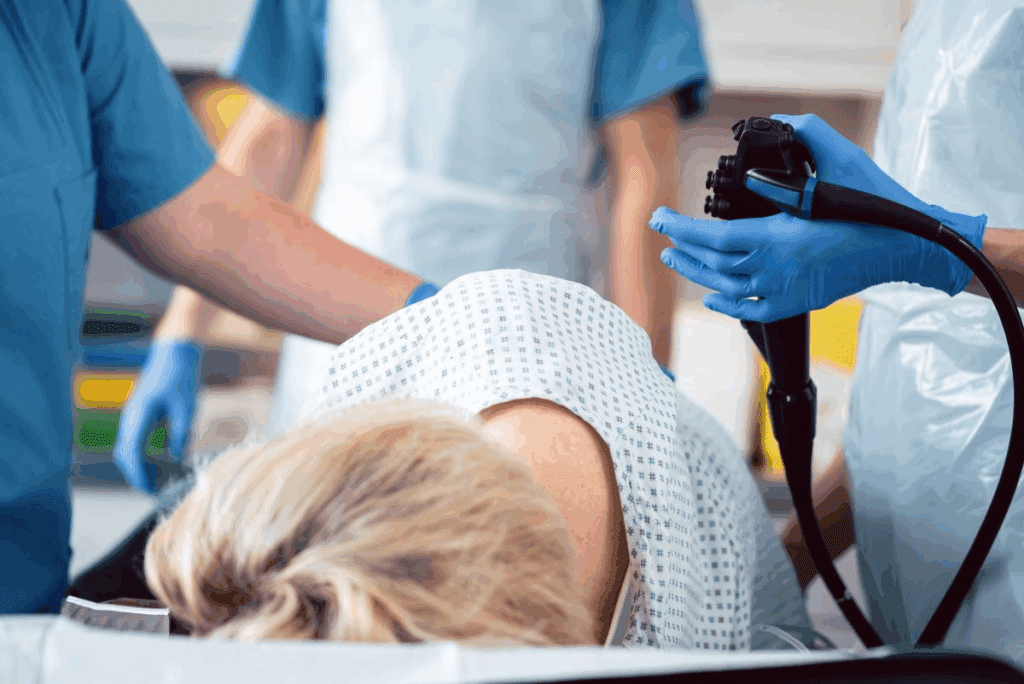
A colonoscopy is a medical test. It lets doctors see inside the colon. They look for reasons behind symptoms like belly pain or changes in bowel habits.
This test is key for catching and preventing colorectal cancer. A flexible tube with a camera, called a colonoscope, is put into the rectum during the test.
Liv Hospital makes sure patients are comfortable and get top-notch care. Knowing what happens during a colonoscopy check can ease worries. It helps patients get ready for the test.
Key Takeaways
- A colonoscopy is used to examine the inside of the colon.
- It helps in preventing and diagnosing colorectal cancer.
- The procedure involves inserting a flexible tube with a camera into the rectum.
- Liv Hospital provides expert care during the procedure.
- Understanding the process can help alleviate patient concerns.
Understanding Colonoscopy: Definition and Purpose
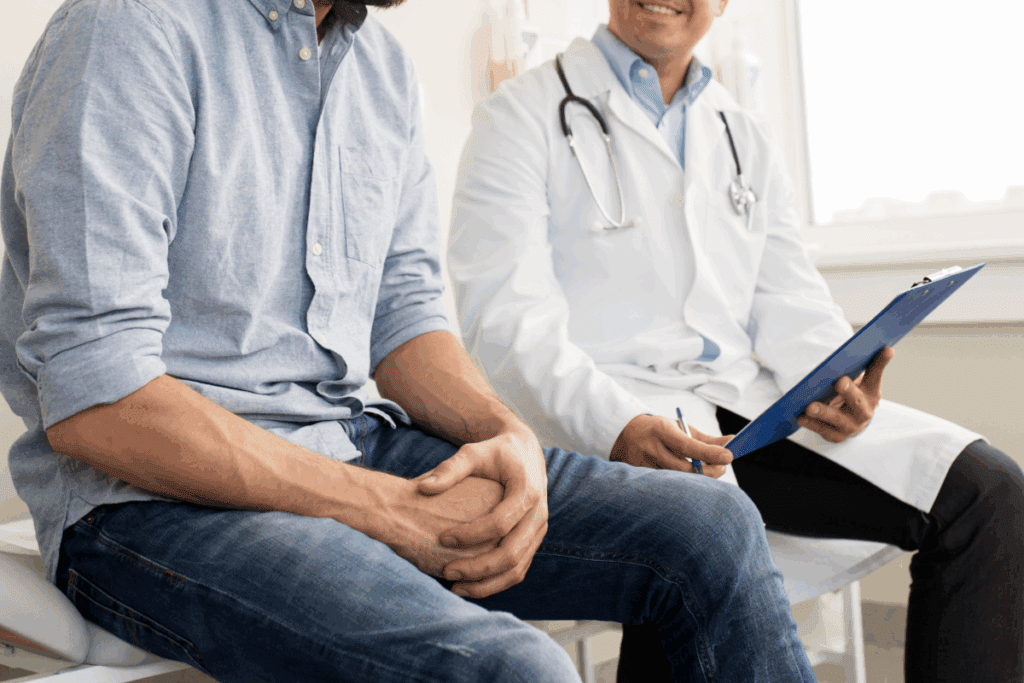
The gastrointestinal colonoscopy is a key tool for checking the colon and rectum. It lets doctors see inside these areas with a special camera. This camera is on the end of a flexible tube.
What Is a Gastrointestinal Colonoscopy?
A GI colonoscopy lets doctors see inside the colon and rectum. They use a colonoscope, a tube with a camera and light, to do this. This helps find polyps, cancer, and other issues.
The Medical Meaning and Importance of Colonoscopy
Colonoscopy means looking inside the GI tract. It helps find and treat polyps and cancer. It’s important because it can find problems early and treat them.
The table below shows why colonoscopy is important:
| Aspect | Description | Benefit |
| Diagnostic Capability | Direct visualization of the colon and rectum | Accurate diagnosis of colon-related conditions |
| Therapeutic Capability | Removal of polyps and other abnormalities | Prevention of colon cancer and treatment of existing conditions |
| Importance | Early detection and treatment of colon cancer | Improved patient outcomes and survival rates |
In short, colonoscopy is a vital procedure for diagnosing and treating GI issues. It helps find and remove polyps and diagnose cancer. This makes it a key part of preventive care.
Medical Reasons for Undergoing a Colonoscopy Check
Knowing why you might need a colonoscopy is key to staying healthy. This test is vital for catching cancer and other gut problems early. It helps save lives.
Preventive Screening Recommendations by Age
The American Cancer Society says people should start colonoscopy checks at 45 if they’re at average risk. Early detection through colonoscopy can significantly improve treatment outcomes. It’s a way to find and remove polyps before they turn into cancer.
| Age Group | Screening Recommendation |
| 45-75 years | Regular colonoscopy every 10 years |
| 76-85 years | Discuss with doctor; consider life expectancy and health status |
Diagnostic Purposes for Symptomatic Patients
If you’re having symptoms like bleeding, diarrhea, or belly pain, a colonoscopy is a must. It can find out what’s causing these issues. This could be anything from an inflammatory bowel disease to cancer.
Follow-up Examinations After Previous Findings
If you’ve had a colonoscopy before and found something, you might need to go back. How often depends on what was found and your risk of it coming back.
In short, colonoscopy checks are vital for staying healthy. They help catch problems early and keep an eye on follow-ups. Understanding why you might need one can help you see its importance for your health.
Preparation for Your Colonoscopy
A successful colonoscopy starts with proper preparation. This includes making dietary changes and bowel cleansing. It’s important to make sure your colon is clean for the doctor to get a clear view.
Dietary Restrictions Before the Procedure
In the days leading up to your colonoscopy, you’ll need to follow a specific diet. You’ll be advised to follow a clear liquid diet the day before. This includes clear broths, gelatin, and certain juices without pulp.
Avoid foods high in fiber or hard to digest. This means no nuts, seeds, or raw vegetables. They can leave residue in your colon.
Bowel Preparation Process
Bowel preparation is a key step in colonoscopy preparation. You’ll take laxatives or bowel prep solutions to cleanse your colon. Your doctor will tell you the type and timing of the bowel prep.
The goal is to have a clear colon for a more accurate examination. The bowel prep process can be tough, but it’s necessary for a successful colonoscopy.
| Bowel Prep Type | Timing | Instructions |
| Laxative | Day before | Take as directed, usually in the evening |
| Bowel Prep Solution | Day before or morning of | Drink the entire solution as directed |
Medications and Special Considerations
Tell your doctor about any medications you’re taking. This includes blood thinners, diabetes medications, or any other prescription drugs. Your doctor may ask you to adjust your dosage or stop taking certain medications before the procedure.
If you have medical conditions like diabetes or heart disease, your doctor will give you special instructions. This is to ensure your safety during the colonoscopy.
The Colonoscopy Check Procedure: Step by Step
The colonoscopy procedure has several key steps. These steps ensure patient comfort and accurate results. Knowing these steps can help patients feel more at ease during the test.
Pre-Procedure Setup and Patient Positioning
Before starting, the patient lies on their left side on an examination table. This left lateral position makes it easier to access the rectum and colon. The patient’s knees are bent and brought up towards their chest for easier insertion of the colonoscope.
During the colonoscopy, the patient lies on their left side. This position helps the gastroenterologist to move the colonoscope through the colon more effectively.
Sedation Options and Administration
To ensure comfort, sedation options are available. The type and amount of sedation depend on the patient’s health, anxiety level, and the gastroenterologist’s preference. Common sedation methods include conscious sedation, where the patient remains awake but relaxed, and deeper sedation, which may make the patient less responsive.
- Conscious sedation: The patient remains awake but relaxed.
- Deeper sedation: The patient may be less responsive during the procedure.
The Examination Process from Rectum to Ascending Colon
The process starts with the insertion of the colonoscope into the rectum. The colonoscope is a flexible tube with a camera and light. It allows the gastroenterologist to see the colon’s interior on a monitor. The scope moves through the sigmoid, descending, transverse, and ascending colon.
- The colonoscope is inserted into the rectum.
- The scope is advanced through the sigmoid colon and descending colon.
- The transverse colon and ascending colon are examined.
Air may be introduced to inflate the colon during the procedure. This makes it easier to navigate and inspect the colon’s lining. If polyps or abnormalities are found, they can be removed or biopsied for further examination.
Understanding the colonoscopy process can help patients prepare better for this important diagnostic procedure.
Which Side Do You Lay On During a Colonoscopy?
Patients often wonder which side to lay on during a colonoscopy. The answer depends on the procedure and the body’s anatomy. A colonoscopy lets a doctor see inside the colon for polyps, cancer, and other issues.
The Left Lateral Position Explained
The left lateral position means lying on your left side. This is the usual starting position for a colonoscopy. Lying on the left side makes it easier to insert the colonoscope through the rectum and move through the colon.
Why the Left Side Is Preferred for Colonoscopy
The colon’s shape and the colonoscope’s design make the left side the best choice. The colonoscope is a flexible tube with a camera and light. Starting on the left side helps it move smoothly through the colon.
| Position | Advantages |
| Left Lateral | Facilitates colonoscope insertion, smoother navigation through the colon |
| Back or Right Side | May be used during certain stages for better visualization or to ease discomfort |
Position Adjustments During Different Stages of the Procedure
While starting on the left side is common, adjustments may be made during the procedure. Turning the patient onto their back or right side can help with certain areas or ease the colonoscope’s passage. These changes depend on the doctor’s judgment and the patient’s anatomy.
In summary, lying on the left side is the usual starting position for a colonoscopy. It helps the colonoscope move smoothly. Knowing this and any possible changes during the procedure can reduce anxiety and make the exam more effective.
Essential Colonoscopy Tools Used by Gastroenterologists
Gastroenterologists use many tools for colonoscopies. These tools help doctors see inside the colon, find problems, and fix them if needed.
The Colonoscope: Function and Design
The colonoscope is a flexible tube with a camera and light. It lets doctors see inside the colon clearly. Its design helps it move through the colon’s twists and turns.
Biopsy Forceps and Polyp Removal Snares
Biopsy forceps take tissue samples for tests. Polyp removal snares remove polyps, which could turn cancerous. These tools are key for both finding and fixing problems during a colonoscopy.
Using these tools needs a lot of skill. Doctors aim to diagnose and treat problems during the procedure.
Injection Needles and Specialized Instruments
Injection needles give medicines or dyes to the colon tissue. Other tools, like clipping devices, help control bleeding or mark areas for later checks.
Some important features of these tools are:
- Precision engineering for accurate procedures
- Compatibility with various endoscopic accessories
- Ergonomic design for ease of use by gastroenterologists
These tools show how advanced gastroenterology is today. They help doctors give top-notch care to patients during colonoscopies.
Is a Colonoscopy a Procedure or Surgery?
Colonoscopy is seen as a procedure, not surgery. This is key for those getting ready for it.
Defining Medical Procedures vs. Surgical Interventions
A procedure is usually non-invasive or minimally invasive. It doesn’t need a big cut or removing a lot of tissue. Surgery is more invasive, often needing a hospital stay and a longer recovery.
Colonoscopy is a procedure because it uses a flexible tube with a camera through the rectum. It’s not invasive, doesn’t need a cut, or remove a lot of tissue.
Colonoscopy Therapy and Interventional Techniques
Colonoscopy is mostly for checking the colon. But, it can also treat issues. Doctors can remove polyps, take biopsies, or do other treatments.
| Procedure Type | Description | Typical Recovery Time |
| Diagnostic Colonoscopy | Examination of the colon for polyps, cancer, or other abnormalities | Same day |
| Therapeutic Colonoscopy | Removal of polyps or other interventions during the procedure | Same day or a few days |
When Colonoscopy Findings Lead to Surgery
Sometimes, colonoscopy results might mean surgery is needed. If a big polyp or cancer is found, surgery might be required to remove it.
In summary, colonoscopy is a procedure but might sometimes lead to surgery based on what’s found.
Recovery and Post-Procedure Care
After a colonoscopy, patients go to a recovery area. Here, they are watched as the sedation fades. This time is key for their safety and comfort.
Immediate Recovery Period After Sedation
In the recovery phase, doctors check for any quick reactions to the procedure or sedation. It’s important to rest and not do too much until the sedation is gone. This can take a few hours.
Potential Side Effects and Complications
Some people might feel bloating, cramping, or gas after the procedure. These usually go away by themselves. But, serious issues like bleeding or perforation are rare but need quick medical help.
| Potential Side Effects | Serious Complications |
| Bloating | Bleeding |
| Cramping | Perforation |
| Gas | Infection |
When to Contact Your Doctor
Knowing when to call a doctor is important. If you have severe abdominal pain, heavy bleeding, or fever after a colonoscopy, reach out. These could be signs of a serious issue that needs fast care.
Understanding what to expect during recovery helps patients prepare for a safe colonoscopy experience.
Conclusion: The Importance of Regular Colonoscopy Screening
Knowing how important colonoscopy screening is key to keeping your gut healthy. Regular checks can stop colorectal cancer by finding and removing polyps early.
When you get a colonoscopy, doctors can look at your colon and rectum. They can spot problems and fix them right away. This test is vital for catching issues early and for keeping an eye on your health.
Getting regular colonoscopy screenings is a smart way to protect your health. It shows how important it is for catching problems early and preventing them. It’s a big part of staying healthy.
FAQ
What is a colonoscopy?
A colonoscopy is a medical test. It uses a flexible tube with a camera and light to look inside the colon and rectum.
What is the purpose of a gastrointestinal colonoscopy?
A gastrointestinal colonoscopy helps find and treat problems in the colon and rectum. This includes colon cancer, polyps, and inflammatory bowel disease.
Which side do you lay on for a colonoscopy?
For a colonoscopy, you usually lie on your left side. This helps the doctor insert and move the colonoscope.
What is the colonoscopy procedure?
The procedure starts with the colonoscope being inserted into the rectum. It then moves through the colon to check for any issues.
Is a colonoscopy a surgical procedure?
No, a colonoscopy is not surgery. It’s a medical test. But, it can remove polyps and perform other treatments.
What are the tools used during a colonoscopy?
The main tools are the colonoscope, biopsy forceps, polyp removal snares, and injection needles.
How do I prepare for a colonoscopy?
To prepare, you’ll need to change your diet and use bowel prep. You might also need to adjust your medications.
What can I expect during the recovery period after a colonoscopy?
After a colonoscopy, you might feel bloated or uncomfortable. Follow your doctor’s advice for care after the procedure.
Why is regular colonoscopy screening important?
Regular screenings are key for catching colon cancer and other conditions early. This helps prevent them.
What is the difference between a colonoscopy and surgery?
A colonoscopy is a less invasive test for diagnosis and treatment. Surgery is more invasive and often requires a hospital stay and longer recovery.
Can a colonoscopy lead to surgery?
Yes, sometimes a colonoscopy finds problems that need surgery. This could be removing a big polyp or treating a serious condition.
References
Pietrangelo, A. (2024). Managing weight loss after gallbladder removal. Medical News Today. Retrieved from