Last Updated on November 26, 2025 by Bilal Hasdemir
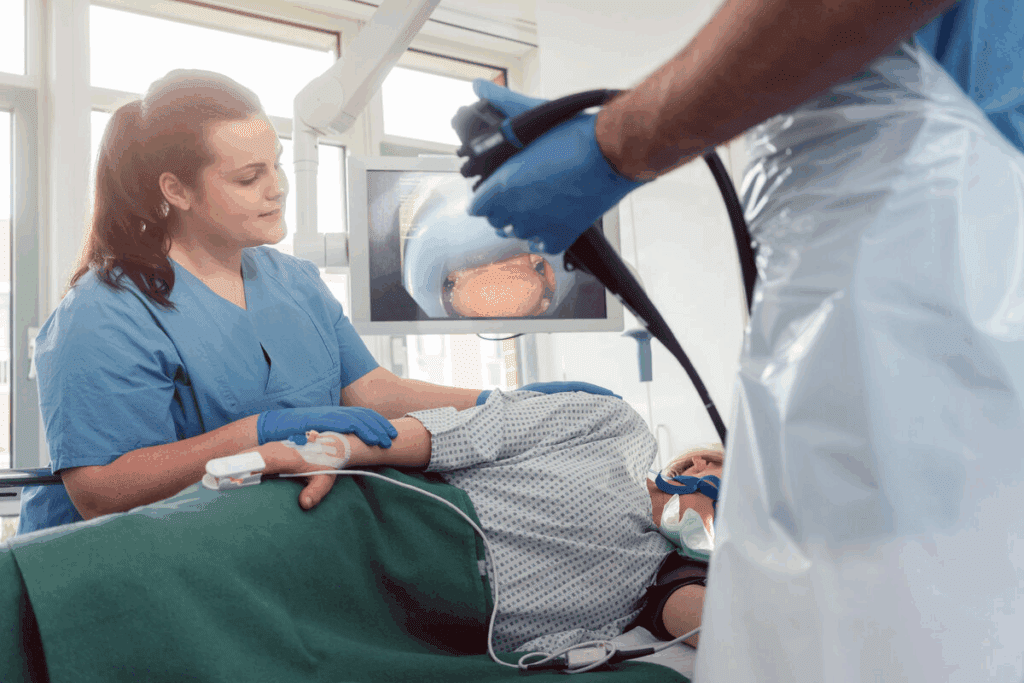
A colonoscopy is a key test that looks at the large intestine and rectum. It checks for things like polyps, bleeding, or cancer. The American Society of Gastrointestinal Endoscopy and the American Cancer Society say it’s important for catching colorectal cancer early.
The colonoscopy procedure uses a flexible tube with a camera. It lets doctors see inside the colon and rectum. This helps find problems before they cause symptoms, keeping your digestive system healthy.
Key Takeaways
- Colonoscopy is a key diagnostic tool for detecting colorectal cancer and other abnormalities.
- The test involves a flexible tube with a camera to inspect the colon and rectum.
- Early detection through colonoscopy can significantly improve treatment outcomes.
- The American Cancer Society recommends colonoscopy as a key screening test.
- Liv Hospital’s patient-centered approach ensures care is guided by the latest global standards.
What Is a Colonoscopy and Why Is It Performed?
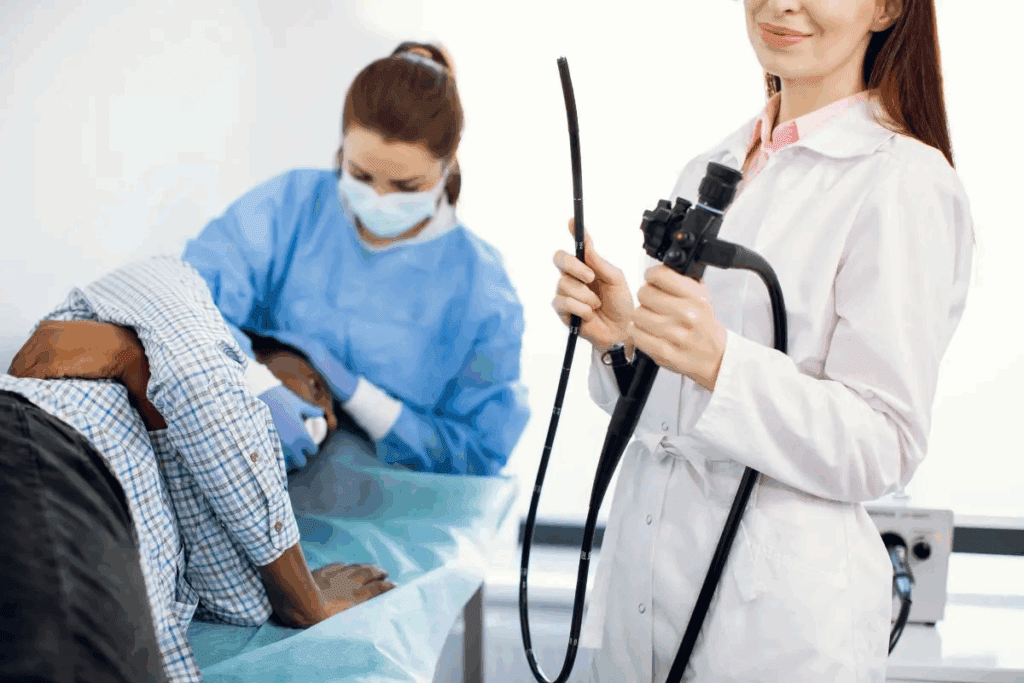
Colonoscopy is a key medical test for preventing and finding colorectal diseases. Swati Patel, MD, says it’s vital for spotting and taking out polyps that could turn into cancer. A colonoscope, a flexible tube with a camera, is used to look inside the colon.
The Meaning of Colonoscopy Explained
The term colonoscopy means checking the colon with a colonoscope. This tool lets doctors see inside the colon, find problems, and remove polyps. The colonoscopy meaning is not just looking but also fixing problems found.
Doctors say knowing what meaning of colonoscopy is helps patients see its value for their colon health.
Medical Conditions That Require Colonoscopy Testing
Many health issues need a colonoscopy test. These include a family history of colon cancer, having polyps or cancer before, and symptoms like bleeding or changes in bowel movements.
“Colonoscopy is a vital screening tool for colorectal cancer, allowing for early detection and removal of precancerous lesions.”
People with inflammatory bowel diseases like ulcerative colitis or Crohn’s disease also need it.
The tool used for colonoscopy, the colonoscope, helps doctors check the colon well. This lets them find and handle many colon problems.
The Colonoscopy Procedure: Step-by-Step Process
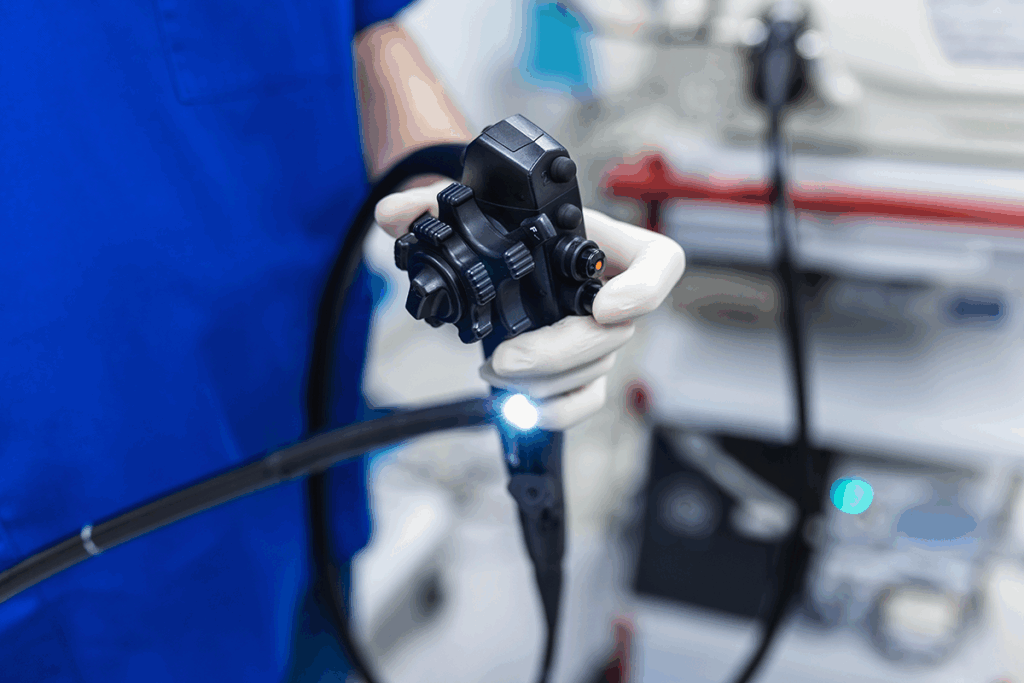
A colonoscopy is a key test for finding problems in the colon. It uses a flexible tube called a colonoscope. This tube has a camera that shows images on a screen for the doctor to look at.
How Is a Colonoscopy Done?
Patients lie on their left side with their knees up during a colonoscopy. This makes it easier to put the colonoscope into the rectum. The colonoscope moves through the colon, letting the doctor see the lining for any issues.
Key steps in the colonoscopy process include:
- Preparation of the patient, including positioning on the examination table.
- Insertion of the colonoscope into the rectum.
- Advancement of the colonoscope through the colon, with the camera providing real-time images.
- Inspection of the colon lining for abnormalities.
- Potential removal of polyps or collection of biopsy samples.
The Camera in Rectum: How Visualization Works
The colonoscope has a high-resolution camera. It shows clear images of the colon’s lining. The doctor sees these images in real-time, helping spot problems that other tests might miss.
Duration and Comfort Considerations
A colonoscopy usually takes 30 to 60 minutes. It might feel uncomfortable, but it’s not usually painful. Patients often get sedation to relax during the test.
Comfort is key. Sedation helps, and the colonoscope is inserted gently. The doctor also checks how comfortable the patient is during the test.
| Procedure Aspect | Description | Patient Experience |
| Patient Positioning | Lying on the left side with knees drawn up | Facilitates comfortable insertion of the colonoscope |
| Colonoscope Insertion | Gentle insertion into the rectum | May feel slight discomfort, mitigated by sedation |
| Visualization | High-resolution camera provides real-time images | Not directly felt by the patient, but vital for diagnosis |
Essential Colonoscopy Tools Used by Gastroenterologists
Gastroenterologists use several key tools during a colonoscopy. These tools are important for both checking and treating problems.
The Colonoscope: Primary Examination Tool
The colonoscope is the main tool in a colonoscopy. It’s a flexible tube with a camera and light. This lets doctors see inside the colon.
Biopsy and Polyp Removal Instruments
Doctors also use special tools for biopsy and removing polyps. They have biopsy forceps for taking tissue samples and snares for removing polyps.
Advanced Imaging Technologies
Advanced imaging technologies like narrow-band imaging (NBI) and chromoendoscopy help see more. They show details that standard light can’t.
Together, these tools help doctors do a full check-up and take action if needed.
Patient Positioning During the Examination
Knowing the right way to position a patient during a colonoscopy is key. The position affects how easy it is to insert the colonoscope, how comfortable the patient feels, and how well the exam goes.
Which Side Do You Lay On for a Colonoscopy?
Patients usually lie on their left side with their knees up during a colonoscopy. This is called the left lateral position. It’s the best position because it makes it easier to put the colonoscope in the rectum and move it through the colon.
Why the Left Lateral Position Is Preferred
The left lateral position is chosen for good reasons. It lines up the rectum and sigmoid colon, making it simpler to move the colonoscope. It also makes the colon easier to stretch with air or carbon dioxide, helping to see better. Plus, it lowers the chance of problems by making the procedure smoother.
By lying on their left side, patients help make their colonoscopy more efficient and comfortable. This position, along with the right sedation and a skilled doctor, makes the exam better.
The Journey Through Your Colon: What Doctors See
As the colonoscope moves through the colon, doctors can see the mucosa and spot problems. This is key for finding and diagnosing issues that might need treatment.
Ascending Colon Colonoscopy Technique
The ascending colon colonoscopy technique starts from the rectum and goes up to the cecum and ascending colon. It lets doctors check the mucosa for diseases or abnormalities. The colonoscope has a camera and lights, giving a clear view of the colon’s lining.
Doctors can find problems like polyps, inflammation, or other issues that might need more study or treatment.
Transverse and Descending Colon Examination
The colonoscope then moves to the transverse and descending colon. In the transverse colon, doctors rotate the colonoscope to check for abnormalities. Then, they examine the descending colon and note any problems.
| Colon Section | Examination Technique | Common Issues Identified |
| Ascending Colon | Advancing colonoscope to cecum | Polyps, inflammation |
| Transverse Colon | Rotating colonoscope | Diverticula, polyps |
| Descending Colon | Advancing colonoscope | Polyps, strictures |
Rectum and Sigmoid Colon Assessment
The last part of the colonoscopy is checking the rectum and sigmoid colon. The colonoscope is slowly pulled back to inspect these areas. This careful check makes sure no problems are overlooked.
In summary, the colonoscopy journey is detailed and helps doctors find and diagnose many gastrointestinal issues. Knowing how this procedure works helps patients understand its role in keeping the gut healthy.
Preparation Requirements for Optimal Results
To get the best results from your colonoscopy, you need to prepare well. This means following a few steps. These steps help your doctor see your colon clearly and make accurate diagnoses.
Dietary Restrictions Before Your Procedure
In the days before your colonoscopy, you’ll need to eat a special diet. This diet is a clear liquid diet for a day or more. Clear liquids are things like water, clear broths, and sports drinks.
It’s important to avoid certain foods. Don’t eat high-fiber foods, seeds, nuts, or raw veggies for a few days. This helps keep your colon clean for your doctor to see the lining well.
Bowel Preparation Medications and Process
Bowel prep is a key part of getting ready for your colonoscopy. You’ll take bowel prep medications before the procedure. These meds make you have diarrhea, which cleans out your colon.
The prep starts a day before your colonoscopy. You’ll learn how to mix the prep solution and when to take it. It’s very important to follow these instructions well for the prep to work right.
| Bowel Prep Type | Instructions | Timing |
| Polyethylene Glycol (PEG) | Mix with water as directed | Start 1 day before colonoscopy |
| Sodium Phosphate | Take with clear liquids | As directed, usually the day before |
| Magnesium Citrate | Take as directed, followed by clear liquids | Usually the day before, in the evening |
Final Day Preparations
On the day of your colonoscopy, stick to clear liquids until it’s time for the procedure. Also, don’t drink anything for a few hours before it starts.
Make sure someone can drive you home after the procedure. You’ll be under sedation and won’t be able to drive yourself.
Is a Colonoscopy a Procedure or Surgery?
Many people wonder if colonoscopy is a procedure or surgery. It’s a medical test that lets doctors see inside the colon. They look for polyps, cancer, and other issues.
Defining Gastrointestinal Colonoscopy as a Procedure
A colonoscopy is a minimally invasive procedure. It uses a flexible tube with a camera through the rectum. The test is done under sedation to make it less painful.
Unlike surgery, it doesn’t need big cuts in the body. The main goal is to diagnose and sometimes treat gut problems. It’s key for catching colon cancer early, when it’s easier to treat.
Comparing Invasiveness with Surgical Interventions
Colonoscopy is less invasive than surgery. Surgical operations need general anesthesia and cause more damage. They also take longer to recover from.
| Characteristics | Colonoscopy | Surgical Intervention |
| Anesthesia Type | Sedation | General Anesthesia |
| Invasiveness | Minimally Invasive | Invasive |
| Recovery Time | Short (hours to days) | Longer (days to weeks) |
Colonoscopy is a safe and effective way to check for health issues. Knowing it’s not surgery helps patients feel more ready for the test.
Recovery and What to Expect Afterward
Knowing what happens after a colonoscopy can ease worries and help with recovery. The time after the procedure is key for rest and healing.
Immediate Post-Procedure Experience
Patients go to a recovery area after the colonoscopy. Medical staff watch over them. Experts say, “some side effects like bloating or discomfort are mild and short-lived.” They suggest starting with a light meal and then returning to regular food.
Managing Common Side Effects
Side effects include bloating, gas, and mild cramps. These symptoms are usually brief and can be managed. Over-the-counter meds or dietary advice from doctors can help. It’s important to follow the post-procedure instructions to avoid discomfort.
“Most patients can resume their normal activities the day after the procedure, but it’s recommended to have someone accompany them home after the colonoscopy due to the effects of sedation.”
When to Seek Medical Attention
While most side effects are mild, some need medical help. Severe pain, heavy bleeding, or fever are signs to seek help right away. It’s important to know these signs and get help if needed.
Conclusion: The Life-Saving Benefits of Regular Screenings
Regular colonoscopy screenings are key in finding and stopping colorectal cancer early. Experts say a gastrointestinal colonoscopy is a must for spotting problems before they’re serious.
Colonoscopy offers many benefits. It lets doctors see the colon and rectum clearly. This helps find polyps, tumors, and other issues early, so they can be treated right away.
Getting regular screenings can greatly lower your chance of getting colorectal cancer. This tool is so important because it has saved many lives.
In short, making colonoscopy screenings a regular part of your health care is smart. It helps keep you healthy and can save your life.
FAQ
What is a colonoscopy?
A colonoscopy is a medical test. It uses a flexible tube with a camera and light to look inside the colon and rectum. It checks for things like polyps, cancer, and inflammation.
Why is a colonoscopy performed?
A colonoscopy helps find and diagnose issues like colorectal cancer, polyps, and inflammatory bowel disease. It also removes polyps and takes tissue samples for biopsy.
What position are you in during a colonoscopy?
During a colonoscopy, you lie on your left side with your knees up. This is called the left lateral position. It helps the doctor insert and move the colonoscope.
What tools are used during a colonoscopy?
The main tool is the colonoscope, a flexible tube with a camera and light. Other tools include biopsy forceps, polyp removal snares, and advanced imaging like narrow-band imaging.
Is a colonoscopy a surgical procedure?
A colonoscopy is a medical procedure, not surgery. It’s a minimally invasive way for doctors to see inside the colon and rectum.
How long does a colonoscopy take?
A colonoscopy usually takes 30-60 minutes. The time depends on the procedure’s complexity and what’s found.
What are the risks and complications of a colonoscopy?
Colonoscopy is generally safe but can have risks like bleeding, perforation, and reactions to sedation. These are rare. Most people can go back to normal activities soon after.
How do I prepare for a colonoscopy?
To prepare for a colonoscopy, you’ll follow dietary restrictions and take bowel preparation medications. These steps help ensure a clear view during the procedure.
What can I expect after a colonoscopy?
After a colonoscopy, you might feel bloated, gassy, or uncomfortable. These feelings are usually short-lived. Your doctor will tell you when to start normal activities and what to watch for.
How often should I have a colonoscopy?
The frequency of colonoscopies varies based on your age, medical history, and risk for colorectal cancer. Your doctor will give you personalized advice based on your needs.