Last Updated on November 26, 2025 by Bilal Hasdemir
Colorectal cancer is a big health issue, being the third most common non-skin cancer in both men and women. Early detection is key, and colonoscopy screening is the top test for finding and stopping colorectal cancer.
By finding polyps early, colorectal cancer screening can greatly lower the risk of getting colorectal cancer. Guidelines say people should start screening at 45. Knowing about colon cancer screening is important for keeping your colon healthy.
Key Takeaways
- Colorectal cancer is the third most common non-skin cancer in men and women.
- Colonoscopy is the gold-standard test for detecting and preventing colorectal cancer.
- Screening can identify polyps before they become cancerous.
- The recommended age to start screening is 45.
- Early detection significantly reduces the risk of colorectal cancer.
Understanding Colorectal Cancer and the Importance of Early Detection
It’s key to know about colorectal cancer for early detection and treatment. This cancer affects both the colon and rectum and is a big health issue in the U.S.
It’s one of the top cancers found and a major cause of death. The disease starts as harmless polyps in the colon or rectum. These can turn into cancer if not taken out.
The Prevalence and Impact of Colorectal Cancer in the United States
Most people get colorectal cancer between 65 and 74 years old. But it can happen at any age. Every year, over 100,000 cases of colon cancer and 40,000 cases of rectal cancer are found in the U.S.
Colorectal cancer affects not just the person but also their family and community. Finding it early through screening can greatly improve treatment results. This can lower death rates.
| Age Group | Incidence Rate of Colorectal Cancer | Mortality Rate |
| 50-59 years | 34.6 per 100,000 | 12.1 per 100,000 |
| 60-69 years | 54.8 per 100,000 | 20.4 per 100,000 |
| 70+ years | 104.9 per 100,000 | 45.6 per 100,000 |
How Early Detection Significantly Improves Outcomes
Finding colorectal cancer early is vital. It lets doctors remove polyps before they turn cancerous. Screening tests can spot cancer early when it’s easier to treat.
The five-year survival rate for colorectal cancer is much better if caught early. For those with cancer that’s only in the colon or rectum, the survival rate is about 90%. But for those with cancer that has spread, the rate drops to 14%.
Knowing the importance of early detection and how common colorectal cancer is can help people take action. This can lead to better outcomes.
The Role of Colonoscopy Screening in Cancer Prevention
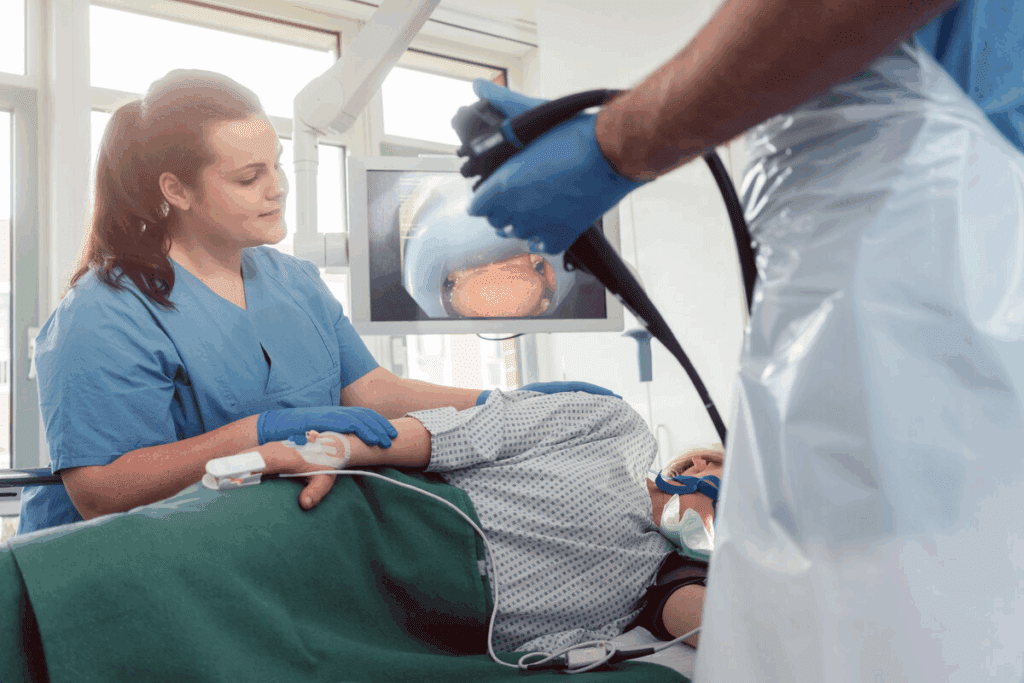
Colonoscopy screening is key in stopping colorectal cancer before it starts. It finds and removes polyps that could turn into cancer. This makes it a powerful way to stop cancer before it happens.
How Colonoscopy Detects and Removes Precancerous Polyps
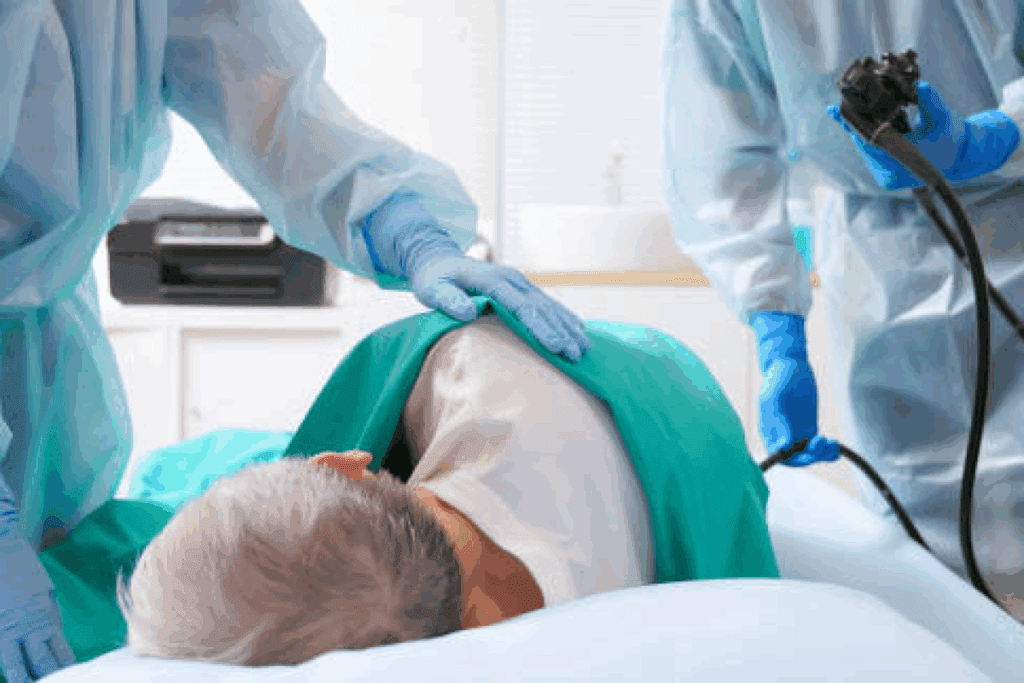
Colonoscopy lets doctors see the whole colon and rectum. They can spot polyps that might turn into cancer. Then, they can take out these polyps, a process called polypectomy.
Key benefits of polyp removal include:
- Prevention of polyps from turning into cancer
- Less chance of getting colorectal cancer
- Early removal means less need for complex treatments
Long-term Benefits of Polyp Removal on Cancer Incidence
Removing polyps during colonoscopy lowers the risk of colorectal cancer. Regular screenings lead to fewer cases of this cancer. This shows how important colonoscopy is in preventing cancer.
The long-term benefits are many:
- Less chance of getting colorectal cancer by removing polyps
- Higher survival rates because of early detection and prevention
- Lower healthcare costs for treating advanced colorectal cancer
In summary, colonoscopy screening is a strong tool against colorectal cancer. It finds and removes polyps before they become cancer. Regular screenings can greatly lower the risk of this disease, helping those at risk live better lives.
Essential Fact #1: When to Start Regular Colorectal Cancer Screening
Starting colorectal cancer screening at the right age is key for early detection and prevention. Recent guidelines changes highlight the need to know when to start screening.
The New Age Recommendation: 45 is the New 50
The American Cancer Society and others now say adults should start screening at 45 if they’re at average risk. This change is due to more colorectal cancer cases in younger adults.
Why the Screening Age Was Lowered
The age for screening was lowered from 50 to 45 because of more cases in people under 50. Changes in lifestyle and diet, and more risk factors in younger people, are thought to be reasons.
Recommendations for When to Stop Screening
When to stop screening depends on health, life expectancy, and past screening results. For those at average risk, screening is advised until age 75. For 76 to 85-year-olds, it depends on health and personal choice. Over 85, routine screening is usually not needed.
Talking to your healthcare provider is key to making the right choices about screening.
Essential Fact #2: Risk Factors That May Require Earlier or More Frequent Screening
Some risk factors mean you might need to get screened for colorectal cancer sooner or more often. Knowing about these factors is key to finding the right screening plan. This can help lower your chance of getting colorectal cancer.
Family History and Genetic Factors
Having a family history of colorectal cancer or certain genetic syndromes raises your risk. This includes Lynch syndrome or Familial Adenomatous Polyposis (FAP). If a close relative, like a parent or sibling, got colorectal cancer young, your risk goes up. Genetic tests and counseling can show how much you’re at risk and help decide when to get screened.
Medical Conditions That Increase Colorectal Cancer Risk
Some medical conditions can up your risk for colorectal cancer. This includes ulcerative colitis and Crohn’s disease. The longer you’ve had it and the worse it is, the higher your risk. People with these conditions might need to get screened more often.
Lifestyle Factors That Impact Risk
Lifestyle choices also affect your risk for colorectal cancer. Eating a lot of red and processed meats, not being active, being overweight, smoking, and drinking too much alcohol all increase your risk. Eating well, staying active, and quitting bad habits can help lower these risks.
By understanding and tackling these risk factors, you can work with your doctor to create a screening plan. This might include getting screened earlier or more often. This could help lower your risk of colorectal cancer.
Essential Fact #3: Different Methods of Colorectal Cancer Screening
It’s important to know about the different ways to screen for colorectal cancer. This knowledge helps you make the best choice for your health. There are many options available, each suited for different needs and preferences.
Stool-Based Tests: Types and Frequency
Stool-based tests are easy and don’t hurt. They look for hidden blood or abnormal DNA in your stool. The most common tests are the Fecal Immunochemical Test (FIT) and the multi-targeted stool DNA test (sDNA-FIT).
The FIT is done once a year. The sDNA-FIT is needed every three years. These tests are great for those who don’t want a visual exam or have health issues that make other tests hard.
“Stool-based tests offer a valuable alternative for colorectal cancer screening, particularlly for those who are at average risk and prefer a non-invasive approach.”
Dr. Jane Smith, Gastroenterologist
Visual Exams: Colonoscopy, Flexible Sigmoidoscopy, and CT Colonography
Visual exams let doctors see inside your colon and rectum. This helps find and remove polyps. Colonoscopy is the top choice because it checks the whole colon and rectum.
Flexible sigmoidoscopy looks at the lower colon. CT colonography, or virtual colonoscopy, uses images to see the colon without sedation or biopsy.
| Screening Method | Frequency | Level of Invasiveness |
| Colonoscopy | Every 10 years | High |
| Flexible Sigmoidoscopy | Every 5-10 years | Moderate |
| CT Colonography | Every 5 years | Low |
Comparing Effectiveness and Convenience of Different Methods
Each screening method has its own benefits and drawbacks. Colonoscopy is very accurate and can remove polyps but needs sedation and bowel prep.
Stool-based tests are easy and don’t hurt but might miss some polyps or cancers. CT colonography gives a clear view of the colon without sedation but uses radiation.
Choosing the right screening method depends on your personal preferences, risk factors, and health history. Always talk to your doctor to find the best option for you.
Essential Fact #4: Why Colonoscopy Screening is Considered the Gold Standard
Colonoscopy screening is the top choice for finding and stopping colorectal cancer. Dr. David Lieberman says, “Colonoscopy is the most effective method for detecting and removing polyps, which can prevent colorectal cancer.”
Detection and Removal in One Procedure
Detection and Removal
Colonoscopy stands out because it can find and remove polyps in one go. This makes it a top-notch screening tool. A study in the Journal of the American Medical Association (JAMA) found, “Colonoscopy with polyp removal reduces the incidence of colorectal cancer.”
Comprehensive Examination
Colonoscopy checks the whole colon and rectum. It spots polyps and cancerous spots all over. This detailed check is key for catching problems early.
Accuracy and Reliability Compared to Other Methods
Accuracy and Reliability
Colonoscopy is very accurate and reliable compared to other tests. It lets doctors see the colon and rectum directly. A New England Journal of Medicine study said, “Colonoscopy is more effective than other screening methods in reducing colorectal cancer incidence.”
In short, colonoscopy is the best because it can find and remove polyps in one step. It checks the whole colon and rectum and is more accurate than other tests.
Essential Fact #5: How to Prepare for a Colonoscopy
Getting ready for a colonoscopy is important. It helps your doctor see your colon clearly. You’ll need to change your diet, prepare your bowel, and possibly adjust your medications.
Dietary Restrictions Before the Procedure
You’ll need to eat differently before your colonoscopy. Start a low-fiber diet a few days early. Avoid nuts, seeds, and raw veggies.
The day before, stick to a clear liquid diet. This includes broths, clear juices, and water.
Bowel Preparation Process
Cleaning your bowel is key for the colonoscopy. You’ll get a bowel prep kit to help. Follow the kit’s instructions closely for best results.
The prep process includes several steps:
- Follow the instructions provided with your bowel prep kit carefully.
- Stay hydrated by drinking plenty of clear liquids.
- Be prepared for frequent bowel movements as the prep takes effect.
Medications and Other Considerations
You might need to adjust or stop some medications before your colonoscopy. Tell your doctor about all your meds, including blood thinners and diabetes drugs. They’ll guide you on managing your meds before the procedure.
Also, make sure someone can drive you home. The sedation can make it hard to drive.
Essential Fact #6: What to Expect During and After Your Procedure
Knowing what to expect during and after a colonoscopy can make you feel less anxious. A colonoscopy is a simple test that checks the colon and rectum thoroughly.
The Day of the Procedure: Step by Step
On the day of your colonoscopy, you’ll arrive a few hours early. You’ll change into a hospital gown in a preparation area. An IV line will be put in to give you sedation and any needed medicines.
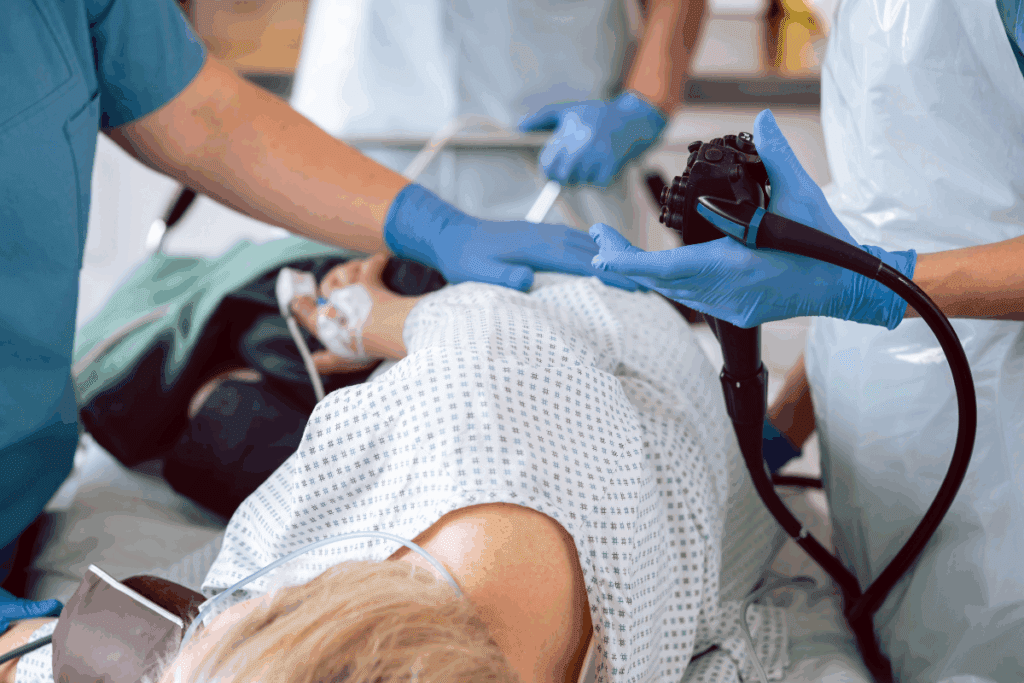
The procedure takes about 30 to 60 minutes. You’ll be watched by medical staff the whole time. A flexible tube with a camera is inserted into your rectum to look for polyps or other issues.
Recovery and Post-Procedure Care
After the procedure, you’ll go to a recovery area. Here, you’ll be watched as the sedation fades. You might feel a bit fuzzy or disoriented for a few hours. It’s best to have someone with you to drive you home.
Rest for the rest of the day and avoid heavy lifting or driving until the next day. You might feel bloated or gassy, but these symptoms usually go away in a few hours.
Understanding Your Results
Your doctor will talk to you about your colonoscopy results after it’s done. If polyps were found and removed, they’ll tell you about the type and if they were cancerous. They’ll also tell you when to schedule your next colonoscopy.
It’s very important to follow your doctor’s advice on follow-up care and future screenings. This helps keep your colorectal health in good shape.
Essential Fact #7: Insurance Coverage and Costs of Screening
Colorectal cancer screening is key to preventing this disease. Knowing the costs and what insurance covers is important. Many worry about healthcare costs, and they should. Luckily, many insurance plans and programs help make screening more affordable.
Insurance Coverage Under the Affordable Care Act
The Affordable Care Act (ACA) has made preventive care, like screening, more accessible. It requires most health plans to cover screening tests for those 45 and older without extra costs. This has helped more people get screened, saving lives.
Medicare and Medicaid Coverage
Medicare and Medicaid also help with screening costs. Medicare covers colonoscopies and other tests for those 45 and older without extra costs. Medicaid’s coverage varies by state but often includes preventive services like screening.
Options for the Uninsured
Those without insurance can also get screened. Community health centers and non-profits offer free or low-cost screenings. Some companies and providers also have programs to help with screening costs.
Knowing what your insurance covers and the costs of screening is key to good health. Always check your insurance plan and talk to your doctor about any questions.
Common Barriers to Screening and How to Overcome Them
It’s key to know why some people don’t get screened for colorectal cancer. Despite new tech and more awareness, many face big hurdles. These obstacles stop them from getting checked.
Fear and Anxiety About the Procedure
Many fear the screening process. They worry about pain, discomfort, or feeling embarrassed. Education and awareness can ease these worries. Doctors can explain the process, talk about comfort measures, and share the benefits of early detection.
Time and Logistical Constraints
Busy lives and getting to a doctor can be hard. People might struggle to find time or get to a clinic. Flexible scheduling options and outpatient screening facilities help. Also, at-home tests offer more convenience.
Cultural and Social Barriers
Cultural and social beliefs can also stop people from getting screened. In some groups, talking about colorectal health or screening might be seen as taboo. Culturally sensitive education and outreach can help. It makes information fit the community’s needs and values.
| Barrier | Solution |
| Fear and Anxiety | Education and Awareness |
| Logistical Constraints | Flexible Scheduling, Outpatient Facilities |
| Cultural and Social Barriers | Culturally Sensitive Education |
Understanding and tackling these barriers is key. Healthcare teams and communities can work together. This way, more people will get screened, leading to better health outcomes.
Conclusion: Taking Action for Your Colorectal Health
Getting screened for colorectal cancer is key to staying healthy. Learning about early detection and colonoscopy screening helps you prevent cancer. This is a big step towards a healthier life.
Being proactive about your colorectal health means knowing your risks and when to get screened. It also means understanding the different screening options. With the right knowledge, you can make smart choices for your health.
The American Cancer Society says to start screenings at 45. But if you have a family history or other risks, you might need to start sooner. Talk to your doctor to figure out the best screening plan for you.
By focusing on colorectal health and taking action, you can lower your cancer risk. Don’t delay – book your screening today. Take charge of your health now.
FAQ
What is the recommended age to start colorectal cancer screening?
You should start regular colorectal cancer screening at 45 years old. This is the new age guideline, down from 50.
What are the different methods available for colorectal cancer screening?
There are several ways to screen for colorectal cancer. You can choose from stool tests like FOBT and FIT. Or, you can go for visual exams like colonoscopy, flexible sigmoidoscopy, and CT colonography.
Why is colonoscopy considered the gold standard for colorectal cancer screening?
Colonoscopy is the top choice because it can find and remove polyps at the same time. It checks the whole colon and rectum. Plus, it’s very accurate and reliable compared to other methods.
How do I prepare for a colonoscopy?
To get ready for a colonoscopy, you’ll need to follow a special diet. You’ll also need to do bowel prep and tell your doctor about any meds you’re taking. Your doctor will give you all the details you need.
What can I expect during and after a colonoscopy procedure?
During the colonoscopy, you’ll get sedation to relax. The doctor will then do the procedure. Afterward, you might feel some discomfort or bloating. Your doctor will talk to you about the results and what to do next.
Is colorectal cancer screening covered by insurance?
Yes, most insurance plans cover colorectal cancer screening. This includes the Affordable Care Act, Medicare, and Medicaid. But, the details can vary based on your plan.
What are the risk factors that may require earlier or more frequent colorectal cancer screening?
Certain factors might mean you need to start screening earlier or more often. These include a family history of colorectal cancer, genetic factors, inflammatory bowel disease, and a diet high in red meat and low in fiber.
How often should I get screened for colorectal cancer if I have a family history?
If you have a family history of colorectal cancer, your doctor might suggest screening sooner or more often. How often will depend on your risk factors and medical history.
Can I get screened for colorectal cancer if I don’t have insurance?
Yes, there are ways for those without insurance to get screened. Some healthcare providers offer free or low-cost programs. There might also be resources in your community.
How can I overcome barriers to colorectal cancer screening?
To get past screening barriers, talk to your doctor about your worries. Look into different screening options and get support from loved ones. Many healthcare providers also offer help with logistical and cultural barriers.