Last Updated on December 1, 2025 by Bilal Hasdemir
The most common oncology treatments include surgery, chemotherapy, radiation therapy, immunotherapy, and targeted therapies.
There are many types of cancer treatment. While some people with cancer have only one treatment, most people have a combination of treatments. This includes surgery with chemotherapy and radiation therapy. The choice of treatment depends on the type and stage of cancer, as well as the patient’s overall health.
Key Takeaways
- Cancer treatment options vary depending on the type and stage of cancer.
- A combination of treatments is often used to manage cancer.
- Surgery, chemotherapy, and radiation therapy are common cancer treatments.
- The choice of treatment depends on the patient’s overall health.
- Cancer treatment is a constantly evolving field.
The Fundamentals of Cancer and Treatment Approaches
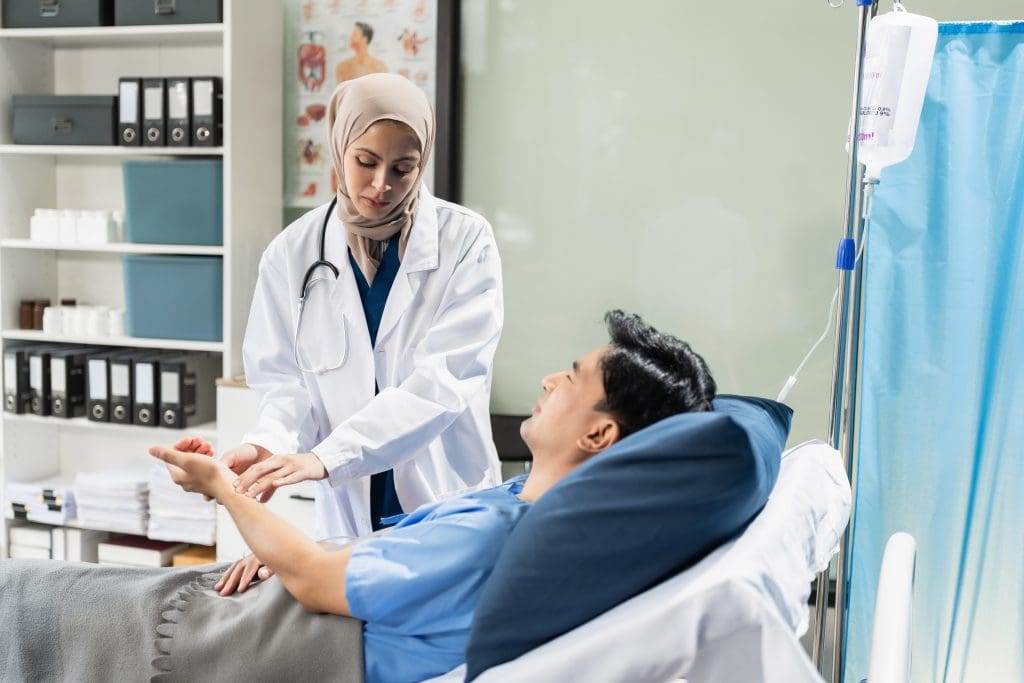
Cancer treatment comes in many forms. It’s all about understanding how cancer grows. Treatments aim to stop these growths by targeting specific processes.
How Cancer Develops and Spreads
Cancer starts when cells grow out of control. They spread to other areas, causing harm. This is due to genetic changes that mess up cell control. Tests can find these changes, helping choose the right treatment.
Goals and Principles of Cancer Treatment
The main aim of cancer treatment is to get rid of the cancer. It’s also about slowing its growth or easing symptoms. Precision medicine is key, using targeted therapies and hormone therapies for specific cancers.
| Treatment Approach | Description | Application |
| Targeted Therapy | Treatments that target specific characteristics of cancer cells | Used for cancers with specific genetic mutations |
| Hormone Therapy | Treatments that alter hormone levels to slow or stop cancer growth | Applied in hormone-sensitive cancers like breast and prostate cancer |
| Precision Medicine | Tailored treatment based on individual patient and cancer characteristics | Used across various cancer types to improve treatment efficacy |
Common Oncology Treatments: An Overview
Effective cancer care uses a mix of treatments based on certain factors. Many people need more than one treatment for their cancer. This is because drug treatments affect the whole body.
Factors Influencing Treatment Selection
The choice of cancer treatment depends on several key factors. These include the type and stage of cancer, and the patient’s overall health. Surgical oncology treatment is often used for tumors that are in one place. On the other hand, radiation therapy oncology is good for cancers that respond well to radiation.
Chemotherapy cancer treatment is used when cancer has spread or is likely to spread. Other factors like the patient’s preferences and the treatment’s side effects also play a role. A healthcare team’s thorough evaluation is key to finding the best treatment plan.
The Multidisciplinary Approach to Cancer Care
Cancer care works best when a team of specialists works together. This team includes surgeons, radiation oncologists, medical oncologists, and more. Their collaboration ensures all aspects of care are considered, leading to better treatment plans.
Combination cancer therapy combines surgery, radiation, chemotherapy, or other treatments. This approach attacks cancer from different angles. It can lead to better results for many patients.
Surgical Oncology: Removing Cancer Directly
Surgical oncology is key in fighting cancer. It directly removes tumors and cancerous cells. The main aim is to take out the tumor or cancerous tissue, best when cancer is early and local.
Types of Cancer Surgery Procedures
Cancer surgery includes many types. Curative surgery aims to remove the whole tumor and some nearby tissue. Palliative surgery helps ease symptoms when a cure isn’t possible. Preventive surgery removes tissues that might turn cancerous.
Minimally Invasive and Robotic Surgical Techniques
New surgical methods have come up, like minimally invasive surgery and robotic surgery. These methods cut down recovery time and scarring. Robotic surgery uses a robotic system for more precise operations.
Recovery and Rehabilitation After Cancer Surgery
Recovery and rehab are key after cancer surgery. Cancer rehabilitation therapies help patients get strong again and deal with side effects. Sometimes, adjuvant therapy oncology treatments, like chemotherapy or radiation, are needed after surgery to get rid of any left-over cancer cells.
Radiation Therapy in Cancer Treatment
Radiation therapy is key in fighting cancer. It uses high doses of radiation to kill cancer cells. It can be used alone or with other treatments like surgery or chemotherapy.
The aim is to hit the tumor with precise radiation. This helps avoid harming healthy tissues nearby.
External Beam Radiation Techniques
External beam radiation therapy (EBRT) is a common method. It sends beams of radiation from outside the body to kill cancer cells. EBRT includes several techniques, like 3D conformal radiation therapy, intensity-modulated radiation therapy (IMRT), and stereotactic body radiation therapy (SBRT).
Internal Radiation (Brachytherapy) Applications
Brachytherapy puts radioactive material inside or near the tumor. This method gives high doses of radiation to the tumor while protecting nearby tissues. It’s used for cancers like prostate, cervical, and breast.
Managing Side Effects of Radiation Treatment
Radiation therapy is effective but can cause side effects. These include fatigue, skin reactions, and stomach problems. It’s important to manage these side effects well.
Supportive care, like pain management and nutrition advice, is key. It helps improve the quality of life for patients.
| Radiation Therapy Type | Description | Common Applications |
| External Beam Radiation Therapy (EBRT) | Radiation delivered from outside the body | Various cancers, including breast, prostate, and lung |
| Brachytherapy | Radioactive material placed inside or near the tumor | Prostate, cervical, and breast cancers |
Chemotherapy: Systemic Treatment Approaches
Chemotherapy targets cancer cells all over the body. It kills or stops cancer and fast-growing cells. This is key for treating cancer that has spread or might spread.
Targeting Cancer Cells
Chemotherapy drugs can be used alone or together. They target cells that grow fast, like most cancer cells. This helps control cancer growth, lowers the chance of it coming back, and eases symptoms.
Administration and Scheduling
Chemotherapy can be given in different ways, like through an IV, by mouth, or as an injection. The method depends on the cancer type, drugs, and the patient’s health. Treatment plans vary, with breaks in between to let the body heal.
Managing Side Effects
Chemotherapy can harm healthy cells too, causing side effects like tiredness, nausea, and hair loss. It’s important to manage these side effects to keep the patient’s quality of life good. This can include medicines, lifestyle changes, and support from healthcare teams.
| Chemotherapy Aspect | Description | Benefits |
| Targeting Cancer Cells | Drugs kill or stop the growth of fast-dividing cells | Controls cancer growth, reduces recurrence risk |
| Administration Methods | Intravenous, oral, or injection | Flexible treatment options based on cancer type and patient health |
| Side Effect Management | Medications, lifestyle adjustments, supportive care | Maintains patient quality of life during treatment |
Chemotherapy is a key part of cancer treatment, often paired with surgery and radiation. Its ability to target cancer cells all over the body makes it a powerful tool in fighting cancer.
Immunotherapy: Activating the Body’s Defences
Immunotherapy is a cancer treatment that uses the body’s immune system to fight cancer. It offers a targeted way to treat cancer, giving hope to many patients. This approach is different from traditional treatments.
Targeted therapy has grown with the help of immunotherapies. These can work better when used with other treatments. Researchers are exploring new ways to use immunotherapy in trials.
Today, immunotherapy is part of advanced cancer treatments. It can be used with standard treatments to create a complete plan. Combining it with other therapies can help manage side effects and improve results.
Immunotherapy is becoming a key part of cancer treatment. It offers new options for patients, helping in the ongoing fight against cancer.
FAQ
What is the importance of supportive care in cancer treatment?
Supportive care helps with pain, nutrition, and emotional support. It’s vital for managing cancer’s challenges.
How is stem cell transplant used in cancer treatment?
Stem cell transplant uses high doses of chemotherapy or radiation. Then, healthy stem cells are given to rebuild the bone marrow.
How is immunotherapy used to treat cancer?
Immunotherapy boosts the immune system to fight cancer. It’s used for cancers like melanoma and lung cancer.
What is the role of palliative care in cancer treatment?
Palliative care manages symptoms and pain. It’s key to improving a patient’s quality of life during treatment.
How is adjuvant therapy used in cancer treatment?
Adjuvant therapy is used after main treatments. It includes chemotherapy, radiation, or hormone therapy to lower cancer risk.
What are the benefits and risks of combination cancer therapy?
Combination therapy uses several treatments at once. It can improve results but also increase side effects.
What is precision medicine, and how is it used in cancer treatment?
Precision medicine tailors treatment to each patient’s cancer. It uses genetic tests and other tools to find the best treatments.
How is the type and stage of cancer determined, and how does it impact treatment selection?
Tests like biopsies and imaging studies find the cancer type and stage. The patient’s health also matters. This info helps pick the best treatment.
What are the most common oncology treatments used to manage cancer?
Common treatments include surgery, radiation, and chemotherapy. Immunotherapy and targeted therapy are also used. These methods can be used alone or together to fight cancer.