
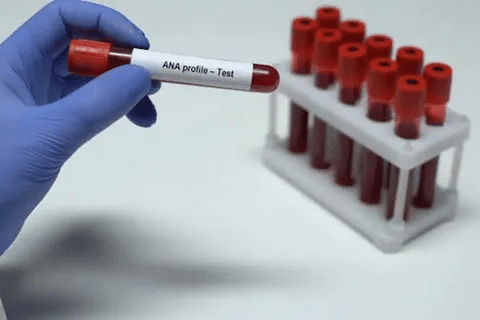
Getting a positive result from an antinuclear antibody test can be puzzling, even if you feel fine. At Liv Hospital, we aim to explain things clearly and offer reliable tests. This helps you make smart choices about your health. Getting a positive result from an antinuclear antibody test can be puzzling, even if you feel fine. At Liv Hospital, we aim to explain things clearly and offer reliable tests. This helps you make smart choices about your health.
The ANA test is a key tool for finding autoantibodies that attack healthy cells. It’s vital for spotting autoimmune diseases, like lupus.
It’s important to understand your test results. Doctors with experience will look at your whole health picture. We’re here to help you, making sure you get the care and support you need.

Learning about ANA tests is key for diagnosing and treating autoimmune diseases. These tests check for antinuclear antibodies in the blood.
The ANA test is a vital tool for spotting autoimmune diseases. It uses indirect immunofluorescence (IIF) assay with HEp-2 cells, the top method for finding ANAs.
A blood sample is tested for antibodies that attack the cell nucleus. Finding these antibodies suggests an autoimmune disease. The test shows how much of these antibodies are present, helping doctors diagnose.
Doctors suggest ANA tests for patients showing signs of autoimmune diseases. This includes:
ANA tests are very helpful in diagnosing diseases like Systemic Lupus Erythematosus (SLE), Rheumatoid Arthritis, Scleroderma, Sjogren’s Syndrome, Addison’s disease, and autoimmune hepatitis.
|
Disease |
Common Symptoms |
Role of ANA Test |
|---|---|---|
|
Systemic Lupus Erythematosus (SLE) |
Butterfly rash, joint pain, kidney issues |
Highly sensitive for SLE diagnosis |
|
Rheumatoid Arthritis |
Joint pain, swelling, stiffness |
Used in conjunction with other tests for diagnosis |
|
Scleroderma |
Skin thickening, joint pain |
Supports diagnosis and monitoring |
Understanding ANA test results helps doctors decide on further tests, diagnosis, and treatment for patients with suspected autoimmune diseases.
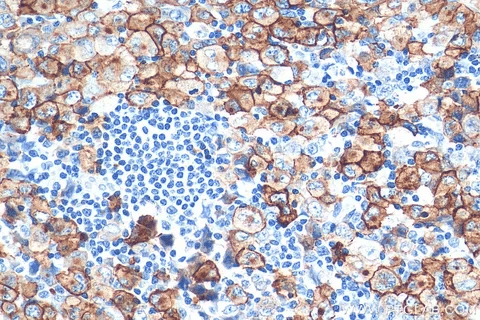
The Antinuclear Antibody (ANA) test, mainly through the Indirect Immunofluorescence Assay (IFA) method, is key in diagnosing autoimmune disorders. This evolution has been vital in standardizing the detection of antinuclear antibodies. It has greatly improved diagnostic accuracy.
ANA testing started many years ago, with big steps forward. At first, different methods were used to find antinuclear antibodies, but they were not consistent. The use of the Indirect Immunofluorescence Assay (IFA) with HEp-2 cells was a big step.
By 2010, the American College of Rheumatology said IFA was the best way to test for ANA. They chose it because it was very sensitive and accurate.
The American College of Rheumatology was key in setting guidelines for ANA testing. They chose HEp-2 cells for IFA after a lot of research. This guideline made ANA testing more standard and helped diagnose autoimmune diseases better.
Using HEp-2 cells in IFA lets doctors check for many different antinuclear antibodies. This makes it a top choice for doctors.
IFA became the top choice because it’s very sensitive and can find many different antinuclear antibodies. It uses HEp-2 cells, which are full of antigens. This makes it perfect for finding ANAs. IFA’s high accuracy and reliability make it a must-have in medicine.
In summary, ANA IFA became the gold standard thanks to advances in medical tech and strict guidelines from groups like the American College of Rheumatology. This has greatly helped in diagnosing and treating autoimmune diseases.
ANA tests are key in finding autoimmune diseases. They spot specific autoantibodies in the blood. These tests help diagnose when the immune system attacks the body’s own tissues.
Autoantibodies are antibodies that target the body’s own tissues. In ANA tests, they attack the cell nucleus. The American College of Rheumatology says they are a sign of autoimmune diseases.
These autoantibodies can cause inflammation and damage in different parts of the body. We’ll look into how they are made and what they mean for patients. Making autoantibodies involves genetics and the environment.
In autoimmune diseases, antibodies mistakenly attack the healthy cell nuclei. This leads to health problems. A leading rheumatologist says this process starts an inflammatory response.
The ANA test finds these autoantibodies by checking their amount in the blood. A positive result might mean an autoimmune disorder. But, more tests and a doctor’s evaluation are needed to know for sure.
Knowing how ANA tests work is key for diagnosing and treating related diseases. By finding and identifying autoantibodies, doctors can create better treatment plans.
It’s important to know how ANA tests help find autoimmune diseases. These tests are key for doctors to treat patients right. They help spot different autoimmune disorders early.
Systemic Lupus Erythematosus, or lupus, is a long-lasting disease. It can hit many parts of the body, like the skin, joints, and kidneys. The test for lupus antinuclear antibodies is a big help in diagnosing SLE. Most people with SLE test positive for ANA.
Characteristics of SLE:
Rheumatoid Arthritis (RA) is another disease linked to ANA tests. RA mainly hurts the joints, causing pain and swelling. It can also damage joints badly over time.
|
Disease Characteristics |
Systemic Lupus Erythematosus (SLE) |
Rheumatoid Arthritis (RA) |
|---|---|---|
|
Primary Areas Affected |
Skin, joints, kidneys, other organs |
Joints |
|
Common Symptoms |
Skin rashes, joint pain, kidney issues |
Joint pain, swelling, stiffness |
|
ANA Test Association |
Highly associated with positive ANA |
Can be associated with positive ANA |
Sjogren’s Syndrome is an autoimmune disease. It mainly affects the glands that make saliva and tears, causing dry mouth and eyes. While not as often linked to ANA tests as SLE, Sjogren’s can also be found through these tests.
Knowing about these diseases and how ANA tests help diagnose them is key. Doctors can then give the right treatment. Each disease needs a special treatment plan, and ANA tests are a big part of finding the right one.
The ANA testing procedure is a key diagnostic tool. It involves several important steps. We’ll guide you through each step, from preparation to lab analysis.
Before your ANA test, there are some steps to take. Tell your healthcare provider about any medications you’re on. Some can affect the test results. You might need to stop taking certain meds beforehand.
An ANA test needs a blood sample. This is usually taken from a vein in your arm. The whole process is quick and easy. The blood is taken from the inside of your elbow or the back of your hand. Our medical team makes sure you’re comfortable during this.
After your blood is taken, it goes to a lab for testing. The lab checks for antinuclear antibodies in your blood. This is key to figuring out if you have an autoimmune disorder.
Knowing about the ANA testing process can ease your worries. If you have questions or concerns, talk to your healthcare provider.
It’s key to understand ANA titer results and ratios for diagnosing and managing autoimmune diseases. The ANA titer test checks for antinuclear antibodies in the blood. This gives vital info on the autoimmune response.
The titer dilution ratio shows the highest blood dilution where ANA antibodies are found. For example, a titer of 1:160 means antibodies were detected even at a 1 in 160 dilution. ANA滴度表示抗体仍然可检测到的稀释比例. A higher titer usually means a stronger autoimmune response.
Positive ANA results are usually seen at a titer of 1:80 or higher. But, this can change between labs. Some labs might say 1:40 is positive. It’s important to know a positive result doesn’t always mean an autoimmune disease. It just shows autoantibodies are present.
Understanding ANA titer levels needs a look at the bigger picture. A low positive titer (like 1:80) might be normal or seen in non-autoimmune conditions. But, a high titer (like 1:1280 or more) often points to autoimmune diseases like SLE.
Experts say, “The higher the ANA titer, the more likely it is to be associated with an autoimmune disorder.”
“The presence of a high ANA titer in a patient with clinical symptoms suggestive of an autoimmune disease can help confirm the diagnosis.”
We must look at the whole picture, including symptoms and other test results, when we see ANA titer results. This way, we can make sure we’re diagnosing and treating autoimmune conditions right.
It’s important to understand what a positive ANA test means. This test can show if you have an autoimmune disease. But, it’s not the only thing it can show.
A positive ANA test means your body is making antibodies against itself. This is often seen in diseases like Systemic Lupus Erythematosus (SLE), Rheumatoid Arthritis, and Sjogren’s Syndrome. But, it’s important to remember that a positive ANA test is not enough to diagnose a disease on its own.
Doctors look at the titer level of the test to understand the results. A higher titer, like 1:1280 or more, might mean you have an autoimmune disease. For example, a high ANA blood test could show more autoimmune activity.
|
ANA Titer Level |
Clinical Significance |
|---|---|
|
1:80 or lower |
Generally considered low titer; may be seen in healthy individuals or those with non-autoimmune conditions |
|
1:160 to 1:320 |
Moderate titer; could indicate autoimmune disease, further testing required |
|
1:640 or higher |
High titer; strongly suggests autoimmune disease, warrants a full clinical evaluation |
About 20% to 30% of people might have detectable ANA levels without any autoimmune diseases. This is more common in older adults. So, a positive ANA test needs to be looked at with other symptoms and tests to avoid wrong diagnoses.
Doctors must look at the whole picture, including symptoms, medical history, and other lab results. This helps them understand the true meaning of a positive ANA test. Sometimes, more specific tests are needed to make a clear diagnosis.
It’s important to know what a negative ANA test means. A negative result means no antinuclear antibodies were found in the blood. But, it doesn’t mean you can’t have an autoimmune disease.
A negative ANA test makes some autoimmune diseases less likely. But, it doesn’t rule out all possibilities. This is key for those tested for Systemic Lupus Erythematosus (SLE).
Even with a negative ANA test, there are limitations. False negatives can happen for many reasons. This includes the timing of the test and the disease being tested for.
|
Condition |
Negative ANA Implication |
Next Steps |
|---|---|---|
|
Systemic Lupus Erythematosus (SLE) |
Less likely, but not ruled out |
Further testing for SLE-specific antibodies |
|
Rheumatoid Arthritis |
May be present |
Evaluate for other diagnostic criteria |
|
Sjogren’s Syndrome |
Possibility remains |
Consider additional autoimmune tests |
In summary, a negative ANA test is helpful but not definitive. Doctors look at the whole picture to decide what to do next. They use this test along with other criteria to guide patient care.
Knowing the different types of antinuclear antibodies (ANA) is key to diagnosing autoimmune diseases. These patterns help doctors understand what’s going on inside the body. This makes it easier to give the right diagnosis.
A homogeneous pattern means the whole nucleus glows the same. This is often linked to Systemic Lupus Erythematosus (SLE). People with this pattern usually have high levels of anti-dsDNA antibodies.
The speckled pattern shows dots in the nucleus. It’s common and linked to many autoimmune diseases. For example, Sjögren’s syndrome and mixed connective tissue disease. This pattern suggests the body is making antibodies against certain parts of the nucleus.
A nucleolar pattern highlights the nucleoli. It’s often found in people with scleroderma and similar conditions. This pattern points to specific autoimmune diseases because of the antibodies it shows.
The centromere pattern shows clear dots at the chromosome’s center. This is a strong sign of limited systemic scleroderma (CREST syndrome). People with this pattern usually have anti-centromere antibodies, a key sign of this disease.
In summary, different ANA patterns are vital for diagnosing and treating autoimmune diseases. By understanding these patterns, doctors can give better care to their patients.
After getting your ANA test results, your doctor might want to do more tests. This is key to finding and treating autoimmune diseases well.
Your doctor might suggest more tests based on your ANA results. These tests find specific autoantibodies in your blood. They help figure out what disease you might have and how to treat it.
Some tests you might have include:
Doctors use a complete approach to diagnose you. They look at your ANA test results and other tools. This way, they can understand your condition and plan the best treatment.
|
Diagnostic Tool |
Purpose |
Benefits |
|---|---|---|
|
ANA Test |
Detects antinuclear antibodies |
Initial screening for autoimmune disorders |
|
Additional Antibody-Specific Tests |
Identifies specific autoantibodies |
Guides diagnosis and treatment planning |
|
Clinical Evaluation |
Assesses symptoms and medical history |
Provides context for test results |
By using all these methods, we can give you a precise diagnosis. Then, we can create a treatment plan that fits your needs.
ANA testing is key in finding and treating autoimmune diseases. We’ve seen how antinuclear antibody tests help spot conditions like systemic lupus erythematosus and rheumatoid arthritis.
The ANA test is a big help in medical care. It lets doctors find autoimmune activity and plan treatments. Knowing what ANA test results mean is vital for caring for patients with these diseases.
To wrap it up, the ANA test is a big help in diagnosing and managing autoimmune diseases. By understanding ANA test results, we can better care for our patients. This leads to better health outcomes and top-notch healthcare.
An ANA test checks for autoantibodies against healthy cells’ nuclei. It helps diagnose and track autoimmune diseases like Systemic Lupus Erythematosus (SLE), Rheumatoid Arthritis, and Sjogren’s Syndrome.
A positive ANA test shows autoantibodies against healthy cells. It might suggest an autoimmune disease, but it’s not a sure sign. It’s important to consider symptoms and other tests too.
The ANA titer measures autoantibody levels by diluting the blood. The ratio compares the sample’s fluorescence to a standard. Both show autoantibody levels, but titer is used to track changes.
No, a negative ANA test doesn’t mean you can’t have an autoimmune disease. Some people might not test positive, even if they have a disease. More tests and a doctor’s evaluation are needed to confirm a diagnosis.
ANA fluorescence patterns include homogeneous, speckled, nucleolar, and centromere. Each pattern is linked to different diseases. For example, homogeneous is often seen in SLE, and centromere in limited systemic scleroderma.
Antinuclear antibodies ifa is a top method for ANA testing. It’s very sensitive and can find many autoantibodies. It works by applying the patient’s serum to cells and then using a fluorescent label to detect antibodies.
Usually, there’s no special prep for an ANA test. But, always follow your healthcare provider’s or lab’s instructions. Some conditions might need special care.
After getting ANA test results, your doctor will look at them with your symptoms and medical history. They might suggest more tests or procedures to confirm a diagnosis or track the disease.
Yes, ANA test results, like the titer, can show how well treatment is working. Changes in the titer can show if the disease is getting better or if treatment needs to be adjusted.
National Center for Biotechnology Information. Antinuclear Antibody (ANA) Test: Understanding Positive Results. Retrieved from https://www.ncbi.nlm.nih.gov/pmc/articles/PMC3460534/)