Last Updated on November 25, 2025 by
Many medical conditions can affect how well we pee. Benign Prostatic Hyperplasia (BPH) is a big one, hitting older men hard. It’s so common that over half of men over 60 get it. A key symptom of BPH is frequent urination, which often disrupts daily life and sleep.
When you have BPH, you might find it hard to start peeing. You might pee slowly or dribble. It’s a real pain.
Having trouble peeing can worry you. BPH, bladder cancer, and UTIs are just a few things that can mess with your flow. Knowing what’s behind these issues is key to fixing them.
Key Takeaways
- Benign Prostatic Hyperplasia (BPH) is a common condition affecting urine flow in older men.
- Urinary hesitancy is a symptom of BPH, characterized by difficulty starting or maintaining urine flow.
- Other conditions like bladder cancer and UTIs can also impact urine flow.
- Understanding the causes of urine flow issues is essential for proper diagnosis and treatment.
- Statistics show that over 50% of men above 60 experience BPH.
Understanding Normal Urine Flow and Common Disruptions
It’s important to know how urine flow works normally. This helps us spot when something’s off. We’ll look at what’s usual and what’s not, so you know when to see a doctor.
The Normal Urination Process
The process of urinating involves the bladder, urethra, and muscles. When the bladder is full, these muscles relax. This lets urine flow out through the urethra. Normal urination is a vital bodily function that occurs regularly throughout the day.

Normal urination is smooth and doesn’t hurt. But, problems can happen. These might include infections, nerve issues, or other health problems.
Signs of Abnormal Urine Flow
Abnormal urine flow can show up in many ways. This includes a weak or broken flow, pain while urinating, or needing to go too often. If you notice these signs, you should see a doctor. Why does urinating hurt? is a common question when it does.
Painful urination can mean you have an infection or another issue. Other signs include trouble starting or stopping urination, dribbling, or leaking. If you’re experiencing these, see a healthcare professional to find out why and get help.
Prostate and Bladder Conditions Affecting Urination
The prostate and bladder are key parts of the urinary system. Problems with these organs can cause big issues with urination. We’ll look at two main conditions: Benign Prostatic Hyperplasia (BPH) and bladder cancer.
Benign Prostatic Hyperplasia (BPH)
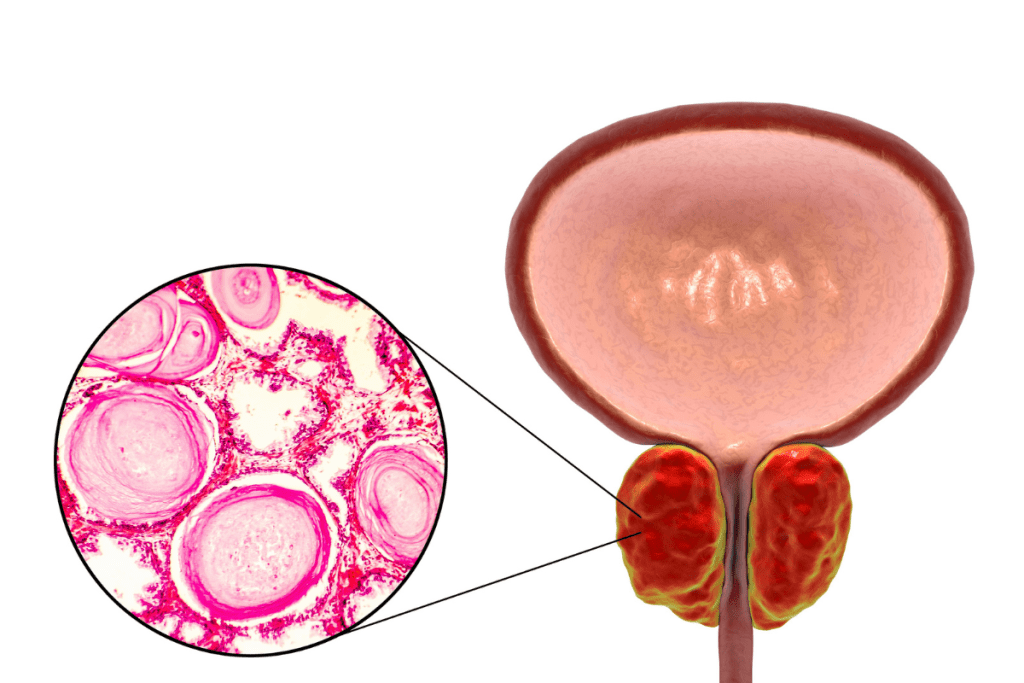
BPH is a common issue in older men. The prostate gland gets bigger, which can block urine flow. Symptoms include urinary retention, symptoms like trouble starting to pee, weak flow, and needing to pee a lot.
If BPH isn’t treated, it can cause more problems like infections and damage to the bladder.
To diagnose BPH, doctors do a digital rectal exam and a PSA test. Treatment can be medicines or surgery, based on how bad the symptoms are. Making lifestyle changes, like eating differently and training your bladder, can also help.
Bladder Cancer and Tumors
Bladder cancer can also mess with urination. Tumors in the bladder can cause blood in the pee, painful pee, and changes in how often you pee. If you’re having trouble peeing, it’s important to check for bladder cancer or tumors.
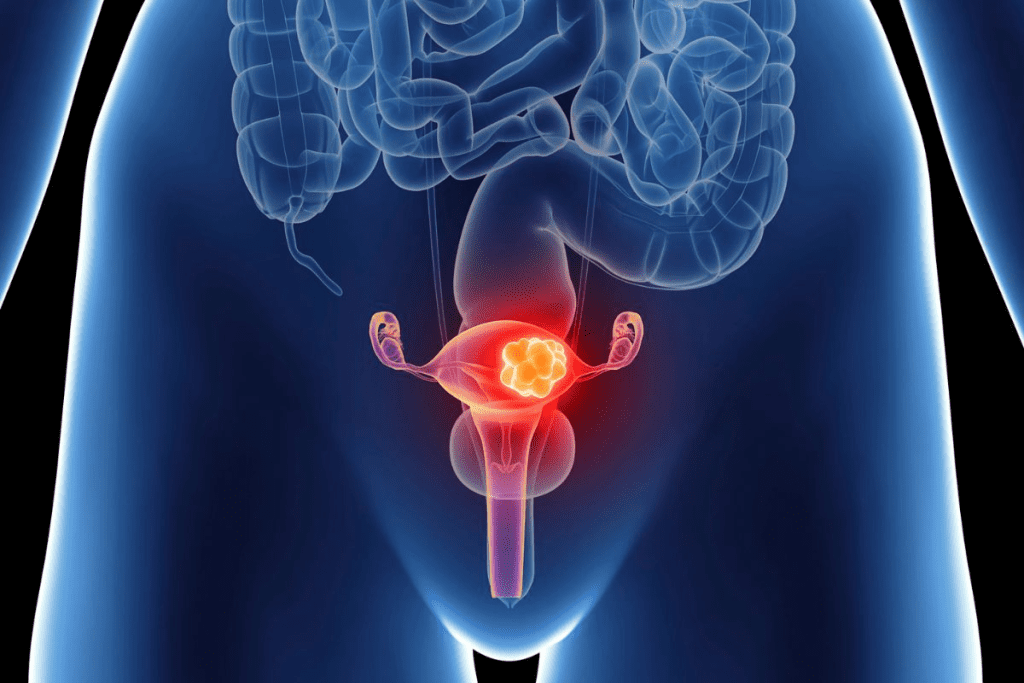
To find bladder cancer, doctors use imaging, cystoscopy, and biopsy. Treatment depends on the cancer’s stage and type. It can be surgery, chemotherapy, or radiation. Catching it early is key for better treatment and results.
It’s important to know about prostate and bladder issues if you’re having pee problems. If you’re having trouble with urination, like “urine in pee male,” see a doctor for help.
Urinary Tract Infections and Inflammatory Conditions
Urinary tract infections (UTIs) and inflammatory conditions affect millions worldwide. They cause symptoms like frequent urination and pain while peeing. You might also feel like you need to pee all the time.
Acute and Chronic UTIs
UTIs are usually caused by bacteria. They can be acute or chronic. Acute UTIs happen suddenly and are very painful. Chronic UTIs keep coming back and might mean there’s a bigger problem.
Symptoms of UTIs include:
- Frequent urination
- Pain or burning during urination
- Cloudy or strong-smelling urine
- Pelvic pain in women
- Rectal pain in men
To treat UTIs, doctors often use antibiotics. Sometimes, more steps are needed to stop them from coming back.
Interstitial Cystitis and Bladder Inflammation
Interstitial cystitis is a long-term condition that makes the bladder inflamed. It causes pelvic pain, frequent urination, and discomfort. The exact cause is not known, but it might involve bladder defects, immune system issues, and genetics.
“The pain associated with interstitial cystitis can be debilitating, significantly impacting a person’s quality of life.” This shows how important it is to understand and manage this condition well.
Treatment for interstitial cystitis may include:
- Bladder instillations to reduce pain and inflammation
- Oral medications to alleviate symptoms
- Lifestyle modifications, such as dietary changes
- Physical therapy to reduce pelvic pain
Knowing about UTIs and conditions like interstitial cystitis is key to managing them. If you’re always feeling like you need to pee, see a doctor. They can help figure out what’s wrong and how to treat it.
Obstructive Conditions Causing Urinary Retention
Obstructive conditions like kidney stones and urethral stricture can cause urinary retention. These issues block or narrow the urinary passage. This makes it hard to urinate normally. We will look at the causes and treatments for these problems.
Kidney and Bladder Stones
Kidney and bladder stones are hard deposits that block urine flow. They can cause severe pain, nausea, and urinary hesitancy. If not treated, they can lead to urinary retention.
Stones form from concentrated urine, dehydration, or certain diets. Treatment includes drinking lots of water, managing pain, and sometimes surgery to remove the stones.
Urethral Stricture and Bladder Neck Stenosis
Urethral stricture and bladder neck stenosis narrow the urethra or bladder neck. This blocks urine flow. Urethral stricture can come from injury, infection, or inflammation. Bladder neck stenosis may result from surgery, injury, or disease.
These conditions can lead to urinary retention by limiting urine flow. Symptoms include weak urine flow, straining, and frequent urination. Treatment may involve dilation or surgery to widen the area.
It’s important to understand these obstructive conditions to treat them effectively. By addressing the root causes, we can help manage urinary retention and improve life quality for those affected.
Frequent Urination: Causes and Related Conditions
Feeling the need to pee a lot is more than just a small problem. It can be a sign of serious health issues. Knowing why you pee so much is key to feeling better.
Diabetes and Metabolic Disorders
Diabetes is a big reason for needing to pee a lot. Both type 1 and type 2 diabetes cause this problem. High blood sugar makes the kidneys work hard, leading to more urine.
This extra urine pulls water from your body, causing dehydration. You then feel the need to drink more and pee even more.
Other metabolic problems can also make you pee a lot. For example, diabetes insipidus is when you can’t control fluids in your body. This is because your body doesn’t make enough antidiuretic hormone (ADH) or your kidneys don’t respond to it.
Overactive Bladder Syndrome
Overactive bladder syndrome is another reason for frequent urination. It makes you feel a sudden, strong need to pee. Sometimes, you pee without meaning to. The cause can be different, but it often involves muscles in the bladder working too much.
“The symptom of frequent urination can be a challenging condition to manage, affecting not just the physical health but also the mental well-being of individuals.”
Neurological Causes of Frequent Urination
Neurological problems can also mess with your bladder control. Conditions like multiple sclerosis, Parkinson’s disease, and stroke can damage nerves that control the bladder. This disrupts normal bladder function.
In multiple sclerosis, for example, lesions in the central nervous system can mess up signals between the bladder and the brain. This can cause urgency and frequency.
It’s important to figure out why you pee a lot. This helps doctors find the right treatment. They might suggest changes in your lifestyle or medical treatments.
Additional Factors Affecting Urine Flow
Many things can change how we urinate, not just health issues. Medications, how much we drink, and conditions like pelvic organ prolapse in women can also play a big role.
Medications That Affect Urination
Medications can change how we pee. Diuretics make us pee more to get rid of extra water. But some meds like antihistamines and decongestants can make it harder to pee by relaxing the bladder or tightening the urethra. Knowing these effects is important.
Talking to your doctor about any changes in urination is key. They can adjust your meds to lessen any pee-related side effects.
Dehydration and Fluid Intake Issues
Dehydration makes urine darker and more concentrated. Drinking too much can make you pee a lot. Finding the right balance in drinking water is important for good pee habits.
Drinking enough water is good, but too much is bad. Aim for eight glasses a day, but adjust based on your activity, climate, and health.
Pelvic Organ Prolapse in Women
Pelvic organ prolapse happens when muscles and tissues in the pelvis weaken. This can push organs into the vagina, affecting urine flow. Women might find it hard to pee or feel like they can’t empty their bladder fully.
Treatments include exercises, lifestyle changes, and sometimes surgery. It’s important to talk to a doctor to find the best treatment.
Knowing about these extra factors helps us take care of our pee health. By understanding how meds, drinking, and conditions like pelvic organ prolapse affect us, we can keep our pee habits healthy.
Conclusion: When to Seek Medical Help for Urinary Problems
Knowing when to get medical help for urinary issues is key. Problems like urinary retention, blood in urine, or trouble starting to pee need quick doctor visits.
Having trouble starting to pee, a weak urine flow, or not being able to empty your bladder are signs you need to see a doctor. These could mean there’s something serious going on that needs to be checked out.
Getting help when you need it can really help with urinary problems. If you’re having ongoing or bad symptoms, talk to a healthcare expert.
Being aware of when to get medical help is the first step to better urinary health. If you’re worried about your pee or have symptoms that bother you, don’t wait. Get medical help right away.
FAQ
What are the common signs of abnormal urine flow?
Signs include painful urination and a weak flow. You might also urinate frequently or have trouble holding it. If you notice these, see a doctor right away.
How does Benign Prostatic Hyperplasia (BPH) affect urine flow?
BPH makes the prostate gland grow, blocking urine flow. This can cause a weak flow, needing to urinate often, and trouble holding it.
What are the symptoms of a Urinary Tract Infection (UTI)?
UTIs cause painful urination and the need to go often. You might also see cloudy or bloody urine. Untreated UTIs can get worse.
How do kidney and bladder stones affect urine flow?
Stones can block urine flow, causing severe pain and trouble holding it. This can also lead to infections or other problems.
What is overactive bladder syndrome, and how is it treated?
It’s a sudden urge to urinate. Treatment includes lifestyle changes and medications. Behavioral therapy can also help manage symptoms.
Can dehydration affect urine flow?
Yes, dehydration can make you urinate less. This can lead to trouble holding it. Drinking enough water is key for normal urination.
How do certain medications affect urination?
Some meds can change how you urinate. This might include needing to go more or less. Talk to your doctor if you notice changes.
What is pelvic organ prolapse, and how does it affect urination?
It’s a condition in women that can affect urination. Symptoms include incontinence, needing to go often, or trouble holding it. Treatment depends on the severity.
Why do I feel like I have to pee so often?
Frequent urination can have many causes. These include diabetes, overactive bladder, or neurological issues. See a doctor to find out why.
What causes urinary hesitancy?
Hesitancy can be due to blockages like stones or BPH. It’s important to get medical help if you have trouble starting to urinate.
Why does urinating hurt?
Painful urination can be from UTIs, stones, or inflammation. If it hurts, see a doctor to find out why.
References
- Singh, S., et al. (2024). Recent advances in the diagnosis of bladder outlet obstruction in men. Published in PMC. Retrieved from https://pmc.ncbi.nlm.nih.gov/articles/PMC11631724/