Last Updated on November 26, 2025 by Bilal Hasdemir
Having colon resection surgery is a big deal. It’s important to manage its after-effects well for a smooth recovery. Constipation is a common issue, affecting up to 30 percent of people post-surgery.Get 7 of the best tips for managing painful constipation after colon resection. Learn how to find safe relief during recovery.
At Liv Hospital, we get the challenges of colectomy. We’re dedicated to patient-focused care. Our expert tips aim to help you through the recovery and improve your life quality.
Key Takeaways
- Understand the causes of constipation following colon resection surgery
- Learn dietary adjustments to ease constipation
- Discover the importance of hydration in managing constipation
- Explore gentle exercises to stimulate bowel movements
- Find out how to effectively use laxatives and other treatments
Understanding Colon Resection Surgery and Its Effects
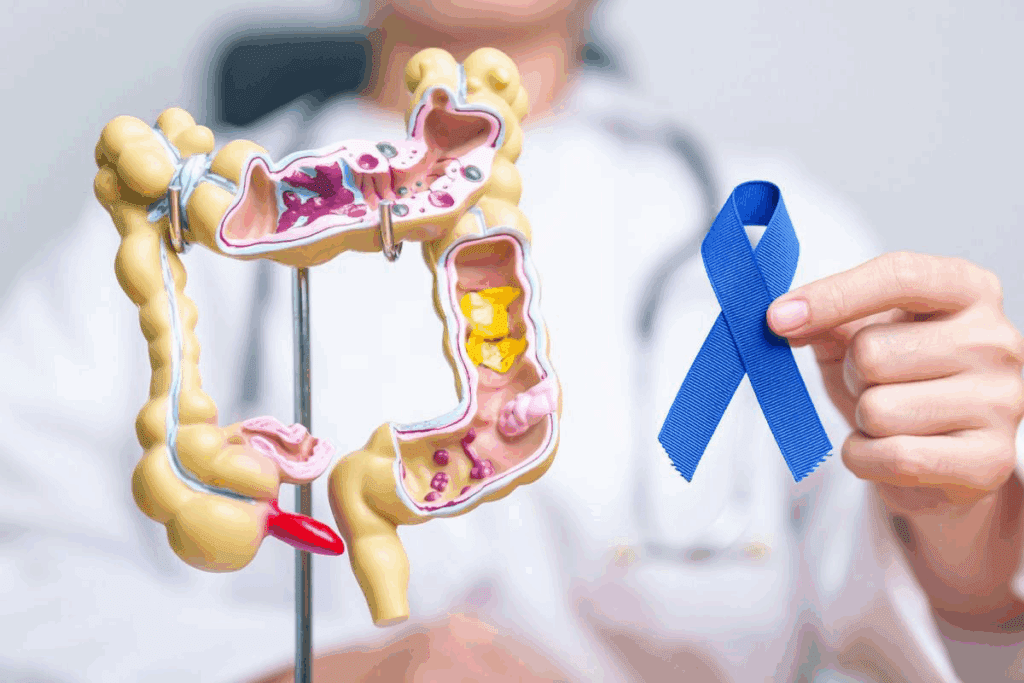
The removal of part of the colon, called a colectomy, can change a patient’s recovery and bowel function. This surgery is often needed for colon cancer, diverticulitis, or other colon problems.
What Is a Colectomy?
A colectomy means taking out a part or all of the colon. The surgery’s length depends on the patient’s health and the reason for the surgery. There are various colectomies, like partial, total, and proctocolectomy, each for different reasons and results.
Recovery Timeline and Expectations
The time it takes to recover from a colectomy varies. It depends on the surgery’s extent, the patient’s health, and age. Usually, patients stay in the hospital for a few days and recover at home for weeks to months.
After surgery, bowel function changes can happen, like constipation. Knowing these effects helps manage recovery expectations and take steps for a smoother path.
Constipation After Colon Resection: Causes and Risk Factors
Constipation after colon resection comes from surgery, medicine, and lifestyle. Knowing these causes helps manage this common problem.
Surgical Factors Affecting Bowel Function
Surgery greatly affects bowel function after colon resection. The surgery’s extent and type matter a lot. For example:
- Removing a big part of the colon can slow down bowel movement.
- Intestine manipulation during surgery can cause temporary issues.
- Nerve damage during surgery can also slow down bowel movement.
Nerve damage and how much of the colon is removed are key. A study found that more extensive resections increase constipation risk.
Medication-Related Causes
Medicines used during and after surgery can cause constipation. Common offenders include:
- Opioid pain medications slow down bowel movements.
- Certain anesthetics can stop bowel function temporarily.
- Other medicines might cause constipation as a side effect.
Patients should talk to their doctor about their medicines and how they affect bowel function.
Physical Activity Limitations During Recovery
Not moving much during recovery can make constipation worse. Regular movement helps the bowels work better. But, pain and discomfort might stop patients from being active.
A healthcare expert suggests, “Gentle exercises, like walking, can help bowel movements and recovery.”
Understanding constipation after colon resection helps patients manage symptoms. This improves their life during recovery.
Tip 1: Optimize Your Hydration Strategy
Staying hydrated is a simple yet effective way to manage constipation after a colectomy. Drinking enough water softens stool, making it easier to pass. This helps reduce the risk of constipation.
Recommended Daily Fluid Intake
It’s recommended to drink 8-10 cups of fluid each day. But, your needs can change based on your age, sex, weight, and how active you are. Always talk to your healthcare provider to find out how much fluid is right for you.
As a rule of thumb, drink half an ounce of fluid for every pound of your body weight each day. For example, if you weigh 150 pounds, aim for 75 ounces (about 2.2 liters) of fluid daily.
Types of Fluids That Best Support Bowel Function
Not all fluids are the same when it comes to bowel health. Water is the best choice, but other fluids can also help with hydration.
- Herbal teas, like peppermint or chamomile, can be soothing and hydrating.
- Clear broths can help replace lost electrolytes and fluids.
- Fruit juices, mixed with water, can add nutrients and flavor.
Avoid or limit fluids that can make you dehydrated, like caffeinated drinks and alcohol.
“Adequate hydration is key to preventing constipation. Drinking enough water helps to soften and bulk stool, making it easier to pass.”
— American Gastroenterological Association
Hydration Tracking Methods
To make sure you’re drinking enough, try using a hydration tracking method. You can carry a water bottle and mark your progress or use a mobile app to track your fluid intake.
Watching the color of your urine can also tell you if you’re drinking enough. Aim for a pale yellow color, as dark yellow or amber means you’re not drinking enough.
Tip 2: Implement a Post-Colectomy Diet Plan
Changing your diet after colon surgery can greatly improve bowel health. A good diet plan is key for healthy bowel movements and less digestive discomfort.
Foods That Promote Healthy Bowel Movements
Choosing the right foods after surgery can help with bowel movements. High-fiber foods like fruits, veggies, and whole grains are great. They make stool softer and easier to pass, cutting down on constipation.
Here are some good foods to eat:
- Berries and other fruits that are rich in fiber and antioxidants
- Leafy greens like spinach and kale, which are high in fiber and nutrients
- Whole grain bread and pasta, which provide sustained fiber release
- Legumes such as beans and lentils, known for their high fiber and protein content
Foods to Limit or Avoid
Some foods can help, while others can make constipation worse. It’s important to avoid foods that cause digestive issues or slow down bowel movements.
Here are foods to limit or avoid:
- Dairy products if you’re lactose intolerant, as they can cause constipation or gas
- Processed foods that are low in fiber and high in unhealthy fats
- High-fat foods that can slow down digestion
- Raw or undercooked vegetables that can be difficult to digest
Meal Timing and Portion Considerations
Meal timing and portion sizes are also important. Eating smaller, more frequent meals can help manage digestion and prevent bowel overload.
| Meal Timing | Portion Size Considerations |
| Eat smaller meals throughout the day | Keep portions moderate to avoid overloading the digestive system |
| Avoid eating late at night | Choose foods that are easy to digest for each meal |
| Stay hydrated by drinking fluids between meals | Gradually increase fiber intake to allow the bowel to adjust |
By following a post-colectomy diet plan, you can manage constipation and promote healthy bowel movements after surgery. This includes eating the right foods, avoiding bad ones, and paying attention to meal timing and portion sizes.
Tip 3: Gradually Increase Fiber Intake
After colon resection surgery, it’s smart to slowly add more fiber to your diet. Fiber helps your digestive system by making stool bulkier and bowel movements regular.
Soluble vs. Insoluble Fiber Benefits
Fiber is split into two types: soluble and insoluble. Soluble fiber turns into a gel when mixed with water. It softens stool and can lower cholesterol. You can find it in oats, barley, nuts, and fruits like apples and berries.
Insoluble fiber doesn’t mix with water and makes stool bulkier. This helps with regular bowel movements. You can find it in whole grains, vegetables, and wheat bran.
Safe Fiber Introduction Timeline
It’s important to add fiber slowly to avoid stomach upset. Start with small amounts of high-fiber foods and gradually increase them. Aim to add 2-3 grams of fiber each day until you hit 25-30 grams daily.
- Week 1: Increase fiber by 2-3 grams/day
- Week 2: Continue to increase fiber intake as tolerated
- Week 3 and beyond: Aim for 25-30 grams/day
Supplementation Options When Needed
If diet alone can’t meet your fiber needs, think about fiber supplements. Psyllium husk and methylcellulose are good options. But always talk to your doctor before starting any supplements.
Tip 4: Establish a Consistent Bathroom Routine
Having a regular bathroom routine is key for healthy bowel movements after colon surgery. A structured routine helps keep bowel habits regular and lowers constipation risk.
Creating Optimal Conditions for Bowel Movements
A comfy and quiet bathroom is essential for good bowel movements. Make sure the bathroom is warm and free from distractions.
Also, give yourself enough time for bowel movements. Using a stool or footrest can also help.
Proper Positioning Techniques
The right toilet position is important for effective bowel movements. Sit comfortably with feet up, leaning forward a bit.
This position makes it easier to pass stools. Avoid straining to prevent bowel pressure.
Recognizing and Responding to Body Signals
It’s vital to listen to your body’s signals for bowel movements. Be quick to respond when you feel the need to go.
Ignoring these signals can cause constipation and discomfort. A routine that matches your body’s natural rhythm helps with regular bowel movements.
| Bowel Movement Habit | Benefit | Tips for Implementation |
| Regular Timing | Promotes consistent bowel movements | Choose a specific time of day, such as after breakfast or before bed |
| Comfortable Positioning | Enhances bowel movement efficiency | Use a footstool or adjust toilet height for comfort |
| Responding to Body Signals | Reduces risk of constipation | Be mindful of the body’s natural signals and respond promptly |
Tip 5: Incorporate Appropriate Physical Activity
Physical activity is key in helping bowel function and easing constipation after surgery. After a colon resection, patients should slowly start moving again. This helps with bowel movements and boosts overall health.
Safe Exercises During Recovery
At first, patients should do gentle exercises that don’t strain the belly. Walking is great because it’s easy on the body. Other good exercises include leg lifts, deep breathing exercises, and stretching.
These activities improve blood flow and help the bowels without stressing the body too much.
Movement Patterns That Stimulate Bowel Function
Some movements can really help with bowel movements. For example, abdominal massage can get things moving. Also, gentle twists and bends can help.
It’s important to start these slowly to avoid any pain or harm.
Activity Progression Timeline
Increasing physical activity should be done slowly. Patients usually start with short walks and simple exercises early on. As they get better, they can do more.
It’s important to listen to your body and not do too much too soon. A gradual increase in activity level is best for bowel function and health.
Adding the right physical activity can greatly improve bowel function and manage constipation after colon surgery.
Tip 6: Managing Related Digestive Issues
After colon resection surgery, patients often face digestive issues. These can include excess gas, diarrhea, and changes in bowel function. It’s important to manage these complications for a smooth recovery and to reduce discomfort.
Addressing Excess Gas After Colon Resection
Excess gas can be a problem after colon resection surgery. It can come from changes in bowel habits, swallowed air, or reactions to certain foods. To manage it, avoid carbonated drinks and foods like beans and cabbage that cause gas.
Eating smaller, more frequent meals can also help. Over-the-counter products like simethicone can relieve symptoms by breaking up gas bubbles in the stomach and intestines.
Dealing with Diarrhea After Colon Resection Surgery
Diarrhea is common after colon resection. It can be due to changes in how the bowel absorbs water and electrolytes, or from an imbalance in gut bacteria. To manage it, stay hydrated with electrolyte-rich beverages.
Eating BRAT foods (bananas, rice, applesauce, and toast) can help firm up stool. Probiotics can also help restore the balance of gut flora.
Using Probiotics to Restore Gut Flora
Probiotics are live bacteria and yeasts that are good for gut health. After colon resection surgery, they can help restore the natural balance of gut flora. This can help with issues like diarrhea and excess gas. Foods rich in probiotics include yogurt with live cultures and fermented foods like sauerkraut.
Supplements are also available, but always talk to a healthcare provider before starting any new supplement. They can recommend the best type and dosage for you.
| Digestive Issue | Management Strategies | Potential Benefits |
| Excess Gas | Avoid carbonated drinks and gas-causing foods, eat smaller meals | Reduced discomfort, less bloating |
| Diarrhea | Stay hydrated, follow a BRAT diet, consider probiotics | Firmer stools, reduced frequency of bowel movements |
| Gut Flora Imbalance | Consume probiotic-rich foods or supplements | Restored balance of gut bacteria, improved digestion |
Tip 7: Working With Your Healthcare Team
Working with your healthcare team is key to managing constipation after colon surgery. They guide you through recovery and help with any issues, like constipation.
When to Contact Your Doctor
Knowing when to call your doctor about constipation is important. If you have severe pain, vomiting, or a big change in bowel habits, call them right away. Also, if you can’t pass stools or gas, or see blood in your stool, get help fast.
Key indicators to contact your doctor:
- Severe abdominal pain
- Vomiting
- Significant change in bowel habits
- Inability to pass stools or gas
- Blood in stool
Medication Options for Constipation Relief
Your healthcare team might suggest different medicines for constipation. These can include:
| Medication Type | Description | Example |
| Osmotic Laxatives | Help retain fluid in the stool | Polyethylene glycol |
| Stimulant Laxatives | Stimulate bowel movements | Senna |
| Stool Softeners | Increase water content in stools | Docusate |
Follow-up Care Importance
Regular follow-up care is vital for checking on your recovery and constipation. Your healthcare provider can check your bowel function, change medicines if needed, and offer more advice on managing constipation.
By working closely with your healthcare team and knowing your treatment options, you can manage constipation after colon surgery. This improves your quality of life.
Conclusion: Creating Your Personalized Bowel Management Plan
Managing constipation after colon surgery needs a detailed plan. By following the 7 key tips in this article, people can feel better and live better. A plan made just for you is key to good bowel health.
This plan should include drinking enough water, eating the right foods, and slowly adding fiber. It should also have a regular bathroom routine, some exercise, and ways to handle other digestive problems. It’s also important to work with your healthcare team to make changes as needed.
With a plan made just for you, managing constipation gets easier. This helps you take back control of your bowel health. It leads to a better life and overall well-being.
FAQ
What is a colectomy?
A colectomy is a surgery to remove part or all of the colon. It treats conditions like colon cancer and inflammatory bowel disease.
What are the common digestive issues after colon resection surgery?
Issues include constipation, diarrhea, and excess gas. The right diet and staying hydrated can help manage these.
How can I manage constipation after colon resection surgery?
Stay hydrated and eat fiber-rich foods. Regular physical activity and a consistent bathroom routine also help.
What is the recommended daily fluid intake after a colectomy?
Drink at least eight glasses of water a day. Clear broths and electrolyte-rich drinks also support bowel function.
What foods should I eat after a colectomy?
Eat fruits, vegetables, whole grains, and lean proteins. Introduce high-fiber foods like beans and cabbage slowly.
Can I take fiber supplements after a colectomy?
Yes, but talk to your healthcare team first. They can suggest the right fiber supplement for you.
How can I reduce excess gas after colon resection surgery?
Avoid foods that cause gas, like beans and cabbage. Eat smaller meals and don’t chew gum.
What is the role of probiotics in restoring gut flora after a colectomy?
Probiotics help balance gut flora. Find them in fermented foods or supplements. Talk to your healthcare team about the best probiotics for you.
When should I contact my doctor about constipation or other digestive issues after colon resection surgery?
Contact your doctor for severe or ongoing constipation, diarrhea, or digestive issues. They can help manage these problems and adjust your treatment.
References:
Gustafsson, U. O., Rockall, T. A., Wexner, S., et al. (2025). Guidelines for perioperative care in elective colorectal surgery: Enhanced Recovery After Surgery (ERAS) Society recommendations 2025. Surgery, 184, Article 109397. https://doi.org/10.1016/j.surg.2025.109397