Last Updated on November 25, 2025 by
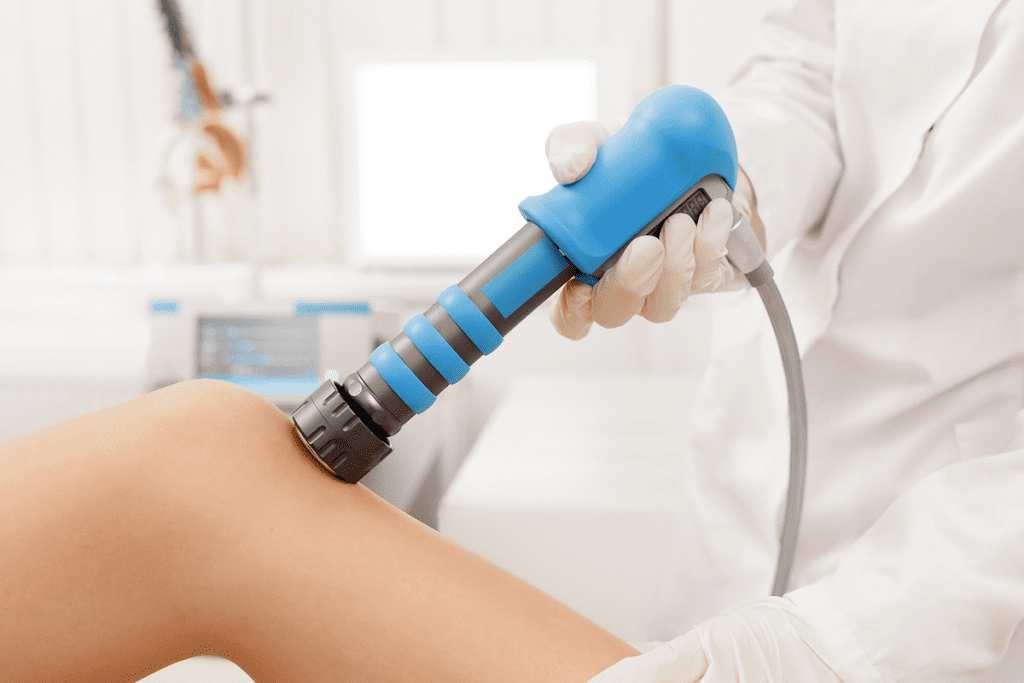
Shockwave therapy, also known as Extracorporeal Shockwave Therapy (ESWT), is a non-invasive treatment for many muscle and bone issues. It uses sound waves to promote healing and reduce pain. However, it’s not safe for everyone. According to a study on the National Institutes of Health website, certain patients should avoid this treatment.
Because of these safety concerns, choosing the right candidates is very important. Shockwave therapy for pain relief is popular, but not suitable for every individual. Knowing who should avoid ESWT ensures both safety and better treatment results, in line with top medical guidelines.
If you’re searching for ESWT near me, it’s important to first consult with a qualified healthcare professional. They can determine whether you’re a good candidate and recommend the safest treatment plan tailored to your condition.
Key Takeaways
- Shockwave therapy is a non-invasive treatment for musculoskeletal conditions.
- Certain patient groups are contraindicated for shockwave therapy.
- Patient safety and clinical results can be improved by identifying those who should avoid shockwave therapy.
- Shockwave therapy is used for pain relief and to stimulate healing.
- Careful patient selection is critical for safe shockwave therapy use.
Understanding Shockwave Therapy and Its Benefits
Extracorporeal Shock Wave Therapy (ESWT) is gaining popularity for treating musculoskeletal disorders. It’s a non-invasive method that works well for many conditions. These include lateral epicondylitis, plantar fasciitis, and calcific tendinitis.
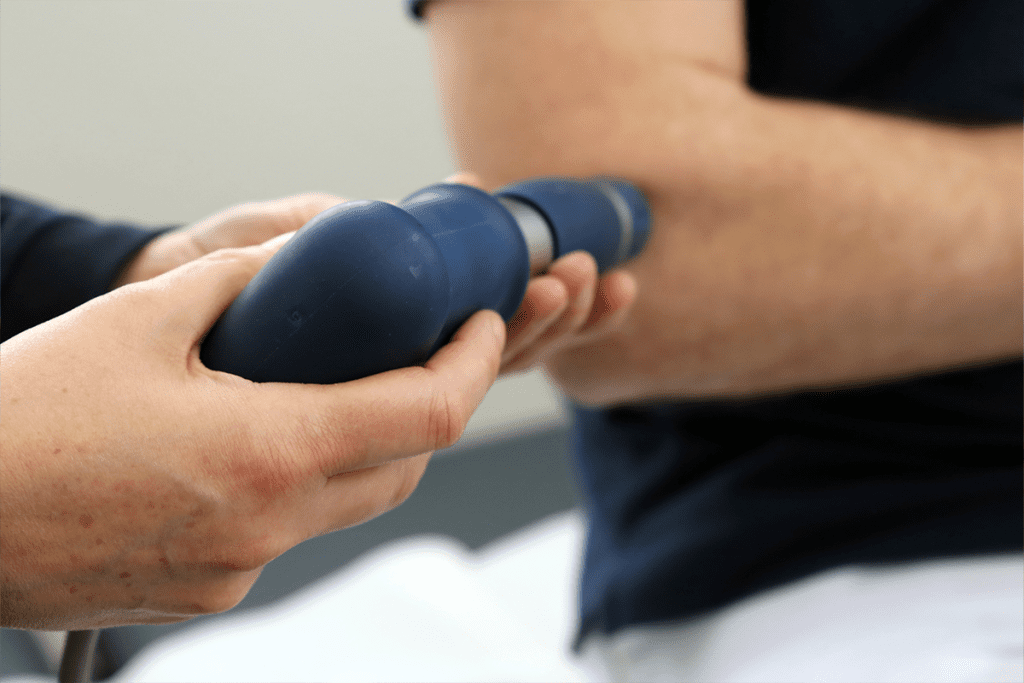
What Extracorporeal Shock Wave Therapy (ESWT) Does for Pain
ESWT is mainly used to treat pain in musculoskeletal issues. It uses shockwaves to stimulate healing and reduce inflammation. This makes it a good option for those who haven’t found relief with other treatments.
The therapy works by converting mechanical stimuli into biochemical signals. These signals help in healing by improving blood flow and releasing growth factors.
Common Conditions Treated with Muscle Shock Treatment
Muscle shock treatment, a form of ESWT, is used for many musculoskeletal issues. Some common conditions include:
- Tendonitis and tendinopathies
- Plantar fasciitis
- Lateral epicondylitis (tennis elbow)
- Calcific tendinitis of the shoulder
- Chronic pain syndromes
This therapy helps by reducing pain and improving function. It enhances the quality of life for patients.
The Science Behind Shock Therapy for Muscles
The science behind shock therapy for muscles is based on mechanotransduction. Shockwaves applied to muscles cause microtrauma. This triggers a healing response.
During this response, growth factors are released, and blood flow increases. New blood vessels form, aiding in tissue repair and regeneration.
ESWT also reduces inflammation and breaks down calcified deposits. This makes it effective for conditions with calcification or chronic inflammation.
7 Medical Conditions That Prohibit Shockwave Therapy
There are certain health issues that make shockwave therapy not suitable. Extracorporeal Shock Wave Therapy (ESWT) helps with many muscle and bone problems. But it’s not for everyone because of possible dangers. We’ll look at the health problems that mean ESWT is not a good choice.
Pregnancy: Why Expectant Mothers Should Avoid ESWT
Pregnancy is a big reason to avoid ESWT, mainly for treatments near the belly and pelvis. The worry is about harming the growing baby. So, we tell pregnant women to stay away from ESWT for their and their baby’s safety.

Blood Clotting Disorders and Patients on Anticoagulants
People with bleeding problems or taking blood thinners face a higher risk of bleeding and swelling after ESWT. The therapy works by making small injuries to help heal, which can make bleeding worse. So, we usually advise against ESWT for these patients.
Recent Steroid Injections (Within Six Weeks)
Getting steroid shots in the last six weeks means you should not have ESWT. Steroids can make tissues weak, and using ESWT too soon can lead to tendon breaks or other issues. We tell patients to wait a bit before trying ESWT.
Active Infections at the Treatment Site
Having an active infection where you plan to get ESWT is a big no. Shockwave therapy can make the infection worse or slow down healing. We make sure the area is not infected before starting ESWT.
Knowing these things helps doctors use ESWT safely. This way, they can help their patients without risking harm.
Device and Equipment Contraindications for ESWT Near Me
Before getting shockwave therapy, it’s important to know what devices and equipment to avoid. Some medical tools can react badly with ESWT, causing problems.
Pacemakers and Implantable Cardiac Devices
People with pacemakers or other heart devices need extra care with ESWT. The shockwaves might mess with these devices, leading to issues. It’s best to stay away from ESWT near these devices to avoid problems.
The ISMST Guidelines for ESWT say each case should be checked to see if ESWT is safe for pacemaker users.
Treatments Over Lungs, Intestines, and Air-Filled Areas
Using ESWT over air-filled spots like lungs or intestines is not safe. Shockwaves can hurt these areas, causing serious issues. It’s key for doctors to check the treatment area carefully to avoid harm.
Back Sleeve with Heat and Shock: Safety Concerns
Using a back sleeve with heat and shock with ESWT is risky. It might seem like a good idea for pain relief, but it can lead to problems if not done right. We suggest being careful and watching closely when using these treatments together.
In short, knowing what devices and equipment to avoid is key for safe ESWT. This knowledge helps doctors keep their patients safe and treat them well.
Age Restrictions and Possible Side Effects
Shockwave therapy has its limits, mainly due to age and possible side effects. It’s key to know these to ensure safe and effective treatment for patients.
Age Limitations: Why ESWT Is Restricted to Under Age 18
People under 18 usually shouldn’t get shockwave therapy, except in rare cases. The worry is that young bones and tissues might get hurt by the strong shockwaves. We only suggest it for minors if the benefits are clear and under close medical watch.
Exception: Osgood-Schlatter Disease Treatment
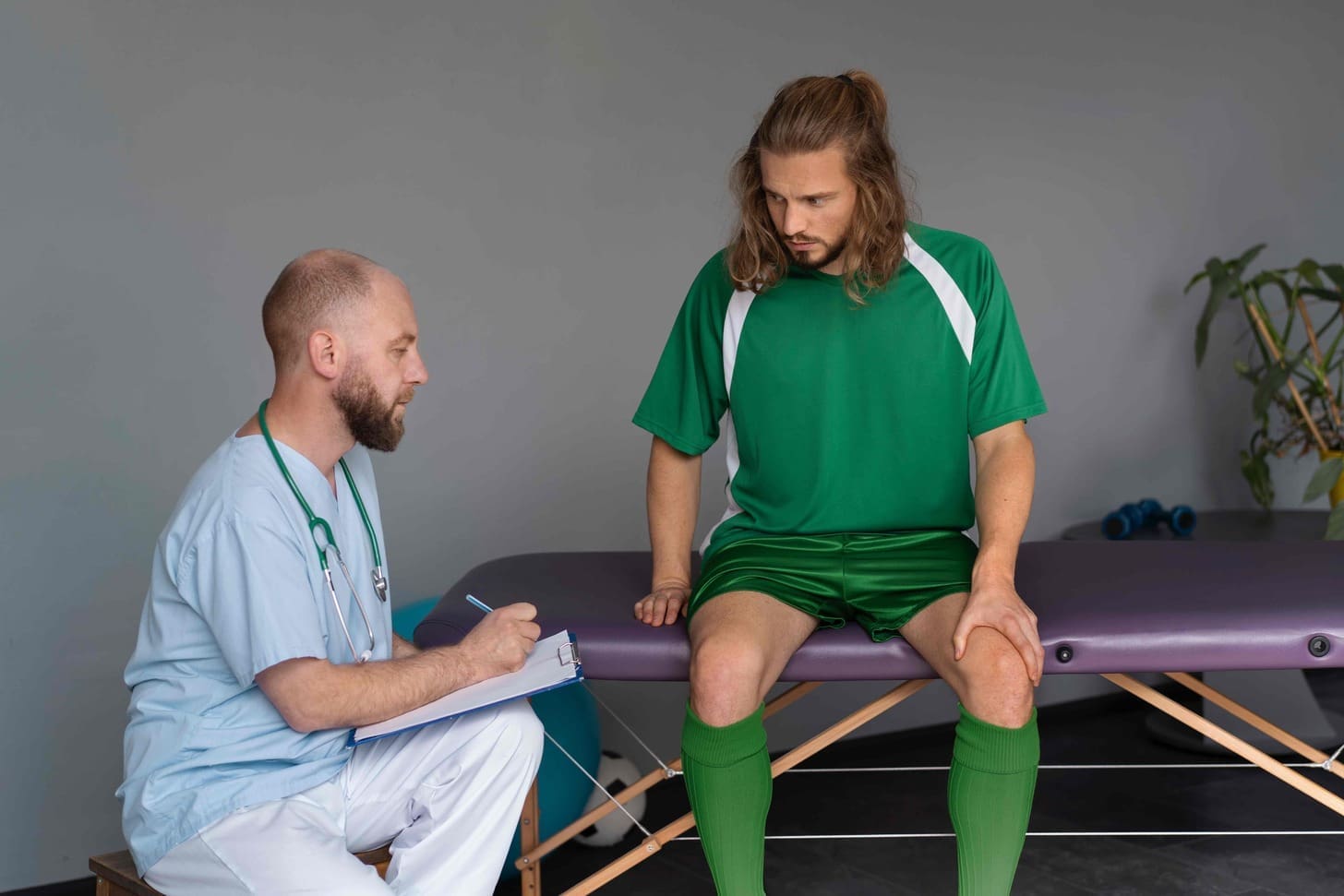
There’s a special case for treating Osgood-Schlatter disease in teens. Shockwave therapy can help with knee pain in young athletes. But, it should only be done with a doctor’s advice.
Does Shockwave Therapy Hurt? Pain Expectations
Many wonder if shockwave therapy hurts. It might feel uncomfortable during treatment, but it’s usually bearable. Pain levels vary by person and the treated area. We adjust the shockwave intensity to lessen discomfort.
Soft Wave Therapy Side Effects to Be Aware Of
Shockwave therapy is mostly safe, but there can be side effects. These include pain, swelling, bruising, and redness at the treated spot. Most side effects are mild and short-lived. Yet, following post-treatment advice is vital to avoid complications.
Knowing the age limits and possible side effects helps both patients and doctors decide if shockwave therapy is right. Always talk to a healthcare professional before starting treatment.
Conclusion: Finding Safe and Effective Shockwave Treatment
We’ve looked into the good and bad of shockwave therapy. It’s a non-invasive way to treat many muscle and bone issues. To get safe and effective treatment, knowing the risks and what not to do is key.
Looking for eswt near me? Check the technology used. SoftWave Therapy, for example, has a special design. It treats bigger areas safely, making it more comfortable for patients.
People with plantar fasciitis might need more than one shockwave therapy session. The number of sessions needed can vary. It’s important to talk to a doctor to figure out the right number for you.
Choosing a trusted provider and knowing the pros and cons of shockwave therapy helps. Reading stem wave therapy reviews can also give you a good idea of how well a treatment works.
FAQ
What is shockwave therapy used for?
Shockwave therapy, also known as Extracorporeal Shock Wave Therapy (ESWT), treats musculoskeletal issues. This includes plantar fasciitis, tendonitis, and soft tissue injuries.
Can shockwave therapy cause damage?
Shockwave therapy is generally safe. But, it can cause damage if not used correctly or if certain conditions are ignored. Always talk to a healthcare professional before starting ESWT.
Is shockwave therapy safe during pregnancy?
No, shockwave therapy is not safe during pregnancy. It poses risks to both the mother and the unborn child. Pregnant women should avoid ESWT.
Can I undergo shockwave therapy if I have a pacemaker?
It’s not advised to have shockwave therapy with a pacemaker. The therapy might affect the device’s function.
Does shockwave therapy hurt?
Some people might feel discomfort or pain during therapy. This discomfort is usually short-lived. The pain level varies by person and condition.
What are the side effects of soft wave therapy?
Soft wave therapy can cause mild side effects like redness, swelling, or bruising. These effects are temporary and usually mild.
How many sessions of shockwave therapy are needed for plantar fasciitis?
The number of sessions for plantar fasciitis varies. It depends on the condition’s severity and how well you respond to treatment. Usually, several sessions are needed, spaced a week or two apart.
Is shockwave therapy suitable for children under 18?
Shockwave therapy is not recommended for those under 18, except in rare cases. For example, in treating Osgood-Schlatter disease under strict medical supervision.
Can shockwave therapy be used for back pain?
Yes, shockwave therapy can help with back pain caused by musculoskeletal issues. Always consult a healthcare professional to see if it’s right for you.
What are the benefits of shockwave therapy?
Shockwave therapy promotes healing, reduces inflammation, and relieves pain in musculoskeletal conditions. It’s a non-invasive, effective treatment option for many patients.
References
- Auersperg, V. (2020). Extracorporeal shock wave therapy: an update. EFORT Open Reviews, 5(10), 584-592. https://pmc.ncbi.nlm.nih.gov/articles/PMC7608508/
- Edge-Hughes, L. (2020). Safety of shockwave therapy. Canadian Physiotherapy Association. https://physiotherapy.ca/app/uploads/2022/07/shockwave_safety.pdf