Last Updated on November 26, 2025 by Bilal Hasdemir

After having gallbladder removal surgery, patients face many challenges. One big issue is coughing, which can really hurt. At Liv Hospital, they focus on helping patients manage this cough. Explore 7 recovery tips for coughing after gallbladder removal and reduce discomfort.
Guides for general surgery patients say deep breathing and coughing exercises are key. Coughing can happen for many reasons, like anesthesia irritation and leftover phlegm. Knowing why you cough after gallbladder surgery helps you deal with it better.
Key Takeaways
- Deep breathing and coughing exercises are vital for recovery after surgery.
- Coughing can be triggered by irritation from anesthesia and retained phlegm.
- Managing post-operative cough is essential for patient comfort and healing.
- Understanding the causes of coughing after surgery can help in its management.
- Patient-centered care at Liv Hospital includes guidance on managing post-operative cough.
Understanding Gallbladder Removal Surgery
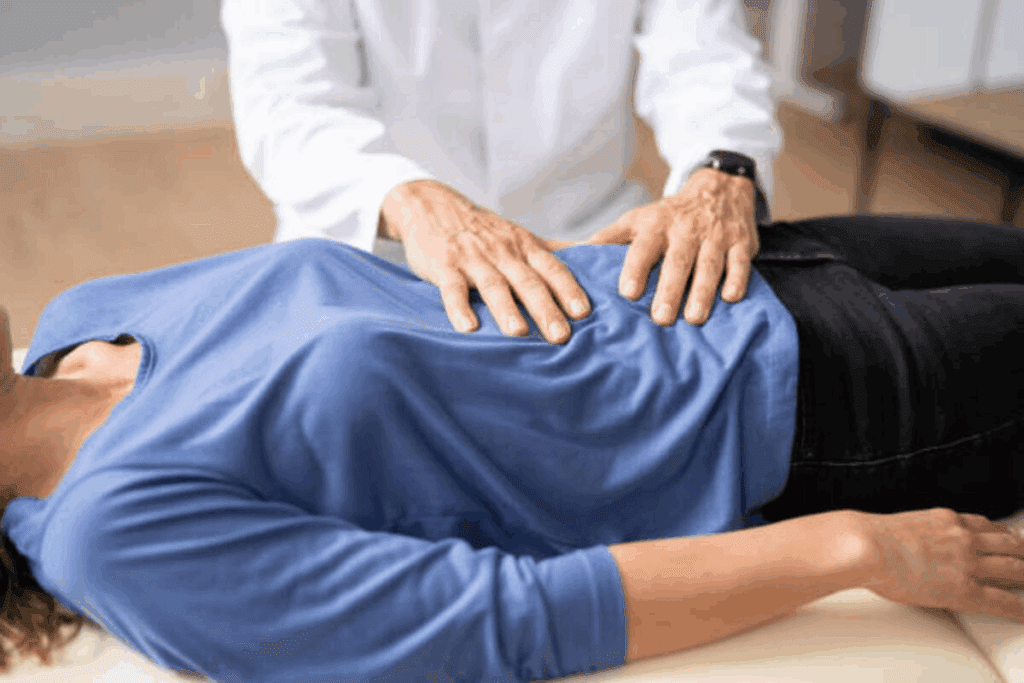
Gallbladder removal surgery, also known as cholecystectomy, is a common treatment for gallstones and other gallbladder diseases. It’s often chosen when other treatments don’t work or when the condition is risky. This surgery aims to improve the patient’s health.
What is a Cholecystectomy?
A cholecystectomy is the removal of the gallbladder, a small organ under the liver that helps with digestion. There are two main ways to do this surgery: laparoscopic and open surgery. Laparoscopic surgery uses small incisions and a camera, while open surgery needs a bigger cut. The choice depends on the patient’s health, any complications, and the surgeon’s opinion.
Common Post-Operative Symptoms
After a cholecystectomy, patients may feel pain, tiredness, and changes in digestion. Some might cough due to the surgery or their body’s reaction. Knowing about these symptoms and how to manage them is key for a quick recovery.
Recovery time after gallbladder removal surgery varies, but most people get back to normal in a few weeks. It’s important to follow the doctor’s instructions to avoid complications and heal faster.
Coughing After Gallbladder Removal: Causes and Mechanisms
It’s important to know why people cough after gallbladder surgery. This helps in managing pain and discomfort better. Coughing can be caused by several things like anesthesia, how the body is positioned during surgery, and mucus buildup after surgery.
Effects of Anesthesia on the Respiratory System
Anesthesia used in gallbladder surgery can affect the lungs. It can irritate the airways, making people cough as they try to get rid of the irritants. The kind of anesthesia used, general or local, can change how much the lungs are affected.
General anesthesia might increase the risk of lung problems because of the breathing tube. This tube can irritate the throat and airways. So, people might cough after surgery as they recover.
Surgical Positioning and Diaphragm Function
The way a patient is positioned during surgery can also affect breathing. Surgical procedures often require specific positioning that can put pressure on the diaphragm, changing how it works.
This change in diaphragm function can cause shallow breathing. Shallow breathing might not help clear mucus from the lungs, leading to coughing. Knowing how surgical positioning affects breathing can help find ways to reduce these effects.
Post-Operative Phlegm Accumulation
Buildup of mucus after surgery is another reason for coughing. The body makes more mucus as it heals from surgery.
| Cause | Effect | Management Strategy |
| Anesthesia Irritation | Airway irritation leading to coughing | Proper hydration to thin out mucus |
| Surgical Positioning | Altered diaphragm function affecting breathing | Controlled breathing exercises |
| Post-Operative Phlegm | Increased mucus production causing coughing | Expectoration techniques and hydration |
Understanding these causes helps patients and doctors manage coughing after surgery better. This makes recovery easier for everyone.
Normal vs. Concerning Cough Symptoms
It’s important to know the difference between normal coughs and signs that mean you need to see a doctor after gallbladder surgery. Knowing what’s normal and what’s not can help your recovery and ease your worries.
Expected Coughing Patterns After Surgery
After having your gallbladder removed, you might cough a lot. This could be because of the anesthesia or because your body is getting rid of extra mucus. Usually, a cough that gets better over time is just part of healing.
Normal cough symptoms are often a dry cough or one that brings up clear or white mucus. These symptoms are usually at their worst in the first few days. They should get better as you get better.
Warning Signs That Require Medical Attention
While coughing is common after gallbladder surgery, some signs mean you need to see a doctor right away. These include a cough that doesn’t get better, coughing up blood or yellow or green mucus, severe chest pain, or trouble breathing.
“A cough that produces yellow or green mucus may indicate an underlying infection, and patients should seek medical evaluation if they experience such symptoms.”
| Symptom | Normal | Concerning |
| Cough Duration | Gradually improves over time | Persists or worsens |
| Mucus Color | Clear or white | Yellow, green, or blood-tinged |
| Associated Symptoms | Mild discomfort | Severe chest pain, difficulty breathing |
Keep an eye on your cough and know the warning signs. This can help make sure you recover safely and well from gallbladder surgery.
The Connection Between Abdominal Surgery and Respiratory Function
It’s important to understand how abdominal surgery affects breathing. Surgeries like gallbladder removal can impact lung function. This is because the surgery is near the diaphragm and anesthesia and surgery can harm the body.
How Abdominal Pain Affects Breathing
After surgery, pain in the abdomen can change how we breathe. People might breathe shallowly to avoid pain. This can lead to lungs not expanding enough and cause breathing problems.
The pain can also make it hard for the diaphragm to move down when we inhale. This makes it harder to breathe and can lead to lung issues.
The Importance of Proper Respiratory Function During Recovery
Keeping the lungs working right is key during recovery. Good breathing helps avoid lung infections and helps wounds heal. It also makes the body less stressed.
Deep breathing exercises are good for getting back to normal breathing. They help lungs expand fully and improve gas exchange. They also help get rid of anesthesia from the body.
| Benefits of Proper Respiratory Function | Description |
| Prevention of Pulmonary Complications | Reduces the risk of pneumonia and atelectasis by ensuring adequate lung expansion and secretion clearance. |
| Enhanced Wound Healing | Promotes tissue oxygenation, which is vital for healing. |
| Reduced Stress on the Body | Supports overall recovery by lowering the body’s stress from poor breathing. |
7 Effective Recovery Tips to Manage Post-Cholecystectomy Coughing
Managing post-cholecystectomy coughing is easier with the right strategies. These methods help reduce discomfort and speed up recovery.
Proper Incision Support Techniques
Using proper incision support is a key recovery tip. When coughing or moving, gently press a pillow or hand on your abdomen. This helps avoid straining the incision site and reduces pain.
Optimal Positioning for Comfort
Finding the right position is important for comfort. Try different positions to see what works best for you. Elevating the head of the bed can help by reducing coughing and easing pressure on your diaphragm.
Controlled Breathing Exercises
Controlled breathing exercises are great for managing coughing. They improve lung function and cut down on coughing. Try deep breathing techniques by inhaling slowly through your nose and exhaling through your mouth.
Hydration and Mucus Management
Drinking enough water is key for thinning mucus. This makes it easier to cough up. Clear broths also help. Using a humidifier adds moisture to the air, helping with mucus management.
By following these tips, patients can better handle post-cholecystectomy coughing. This improves their overall recovery experience.
Managing Pain When Coughing Post-Surgery
Coughing after surgery can hurt a lot, like after removing your gallbladder. But, there are ways to feel better. It’s important to manage pain well for a smooth recovery. Pain when coughing is a big worry for many after surgery.
Effective Splinting Techniques
One good way to handle pain is through splinting techniques. Splinting puts pressure on your belly to support your muscles and ease the pain. To splint, use a pillow or blanket on your belly. Hold it with your hands or arms to keep it in place.
This helps your muscles move less when you cough. A patient said, “A pillow helped a lot. It felt like extra support, and the pain was easier to handle.” This simple trick can really help and doctors often suggest it.
Timing Pain Medication for Maximum Relief
Getting your pain medicine right is also key. Always follow what your doctor says about taking it. Taking it 30 minutes before coughing can help a lot. This way, the medicine works when you need it.
But, be careful of side effects and talk to your doctor about them. A doctor says, “Don’t take too much, as it can cause problems. Stick to the dose your doctor gives you.” Managing your medicine right is important for safety and relief.
Non-Pharmaceutical Pain Management Strategies
There are also non-pharmaceutical strategies for pain. Deep breathing can relax you and cut down on coughing. Relaxation techniques like meditation can also help with pain.
Keeping comfortable can also help. For example, raising your bed head can ease muscle strain. A tip is to keep your upper body a bit higher to feel better when coughing.
Using splinting, timing your medicine, and non-medical methods can help manage pain from coughing after gallbladder surgery.
Differentiating Post-Surgical Cough from Reflux-Related Coughing
Coughing after gallbladder surgery can be scary. It’s important to know if it’s from the surgery or from acid reflux. Knowing the cause helps in managing and recovering better.
Bile Reflux After Gallbladder Removal
Bile reflux happens when bile moves up from the small intestine to the stomach and sometimes the esophagus. This can lead to chronic coughing after gallbladder surgery. Bile reflux irritates the esophagus and throat, causing coughing.
A study showed that people without gallbladders are more likely to have bile reflux. Below is a table comparing bile reflux and acid reflux.
| Characteristics | Bile Reflux | Acid Reflux |
| Reflux Content | Bile | Stomach Acid |
| Common Symptoms | Coughing, Heartburn | Heartburn, Regurgitation |
| Treatment Approach | Ursodeoxycholic acid, Lifestyle changes | Proton Pump Inhibitors, Lifestyle changes |
Acid Reflux Symptoms vs. Post-Operative Cough
Acid reflux, or GERD, can also cause coughing. But, its symptoms and causes are different from post-surgical cough. Acid reflux is when stomach acid goes up into the esophagus, while post-operative cough is related to the surgery.
It’s important to tell the difference for the right treatment. If coughing is with heartburn and regurgitation, it might be acid reflux.
When to Suspect Digestive Issues as the Cause
If coughing lasts or comes with digestive symptoms like bloating, pain, or trouble swallowing, it might be a digestive problem. Seeing a healthcare provider is needed to find the cause and treatment.
It’s key to know about both post-surgical and reflux-related coughing after gallbladder surgery. Understanding the differences and symptoms helps get the right medical help and manage the condition well.
Typical Recovery Timeline After Gallbladder Surgery
After gallbladder surgery, patients follow a specific recovery timeline. This timeline can change based on the surgery type and the patient’s health.
First 48 Hours Post-Surgery
The first 48 hours are key for a smooth recovery. Patients are watched for any immediate problems. They might feel:
- Drowsiness and fatigue from anesthesia
- Pain and discomfort at the surgery site
- Nausea and vomiting in some cases
Resting and avoiding hard activities are advised. Proper pain management is also important. It helps with breathing and coughing.
First Week of Recovery
In the first week, patients can start with light activities. But, they should avoid heavy lifting and hard exercises. The focus is on:
- Slowly getting more mobile
- Managing pain well
- Watching for signs of infection or problems
Following a gentle diet is also recommended. This helps the digestive system adjust without the gallbladder.
Long-Term Respiratory Function Restoration
Respiratory function takes weeks to fully recover. The surgery type and the patient’s health before surgery play a role. Some patients might cough more or breathe differently after surgery.
“The body’s ability to recover from surgery is remarkable, but it requires patience and adherence to post-operative instructions.”
Medical Professional
Most patients breathe normally again in a few weeks. Doing breathing exercises and keeping good posture helps.
Knowing the recovery timeline helps patients plan better. By following recovery advice and talking with doctors, patients can recover well and avoid problems.
Laparoscopic vs. Open Cholecystectomy: Differences in Recovery
Knowing the differences between laparoscopic and open cholecystectomy is key for patients. The surgery type affects recovery, including breathing and comfort. This knowledge helps patients plan their recovery better.
Impact on Respiratory Function
Laparoscopic cholecystectomy is less invasive than open cholecystectomy. This means less body trauma. Patients usually feel less pain and discomfort after laparoscopic surgery. This helps them breathe and cough better.
Open cholecystectomy, with its larger incision, can cause more pain and respiratory issues. The pain makes breathing and coughing harder. These are important for avoiding infections.
Recovery Expectations by Surgery Type
Recovery times differ between laparoscopic and open cholecystectomy. Here are some key differences:
| Recovery Aspect | Laparoscopic Cholecystectomy | Open Cholecystectomy |
| Hospital Stay | Typically shorter, often same-day discharge | Generally longer, may require several days |
| Pain and Discomfort | Less post-operative pain | More significant post-operative pain |
| Return to Normal Activities | Faster recovery, usually within 1-2 weeks | Slower recovery, potentially 4-6 weeks or more |
| Respiratory Complications | Lower risk due to less tissue trauma | Higher risk due to larger incision and more tissue disruption |
It’s vital for patients to grasp these differences. This way, they can better plan their recovery. Working with healthcare providers is also key to a smooth recovery.
When to Contact Your Doctor About Post-Cholecystectomy Coughing
A cough that lasts after gallbladder surgery can worry you. Knowing when to call your doctor is key. Some coughing is okay after surgery, but other signs might mean you need to see a doctor.
Red Flags During Recovery
Keep an eye on your symptoms while you recover. Red flags that mean you should call your doctor include:
- A cough that gets worse or lasts too long
- Having trouble breathing or feeling short of breath
- Feeling pain or tightness in your chest
- Having a fever over 101.5°F (38.6°C)
- Coughing up blood or mucus that looks like rust
Emergency Symptoms That Shouldn’t Be Ignored
Some symptoms are emergency signs that need quick medical help. If you notice any of these, get help fast:
- Having a hard time breathing badly
- Feeling chest pain that goes to your arm, neck, or jaw
- Experiencing severe stomach pain
- Seeing signs of infection like redness, swelling, or discharge from the surgery site
Follow-up Appointment Guidelines
Even if you’re not feeling bad, don’t skip your follow-up appointments. These visits help your doctor check on your healing and answer any questions. Usually, you’ll see your doctor 1-2 weeks after surgery. But, this can change based on your situation and what your surgeon thinks.
Knowing when to seek medical help and sticking to your doctor’s schedule can help your recovery go smoothly after gallbladder surgery.
Practical Tools and Products to Ease Recovery Discomfort
Patients who have had their gallbladder removed can find relief with various recovery tools. These tools make the recovery process easier and more comfortable. They help in healing smoothly.
Recovery Pillows and Abdominal Supports
Recovery pillows and abdominal supports are great for managing pain after surgery. They support the belly area, easing strain when you cough or move. Recovery pillows give your body the comfort and stability it needs early on.
Abdominal supports offer gentle pressure and support to the surgery area. They help lessen pain when you cough or laugh. It’s important to pick a support that’s comfy and can adjust to any swelling or changes in your belly.
Breathing Exercise Devices
Breathing exercises are key to avoiding respiratory issues like pneumonia after surgery. Incentive spirometers help by showing how well you’re breathing. They make sure your lungs get enough air, which lowers the risk of lung problems.
Using an incentive spirometer as your doctor suggests can really boost your breathing during recovery. It’s a simple tool that lets you take charge of your healing.
Home Remedies for Cough Management
Controlling coughs is important to avoid pain and complications at the surgery site. There are many home remedies to help with coughing. Staying hydrated is a simple yet effective way to thin out mucus, making it easier to cough up.
Drinking lots of fluids, like water or clear broths, can help. Using a humidifier can also add moisture to the air, soothing your throat and reducing coughing. Resting with your head elevated can also help by reducing postnasal drip, which can irritate your throat and cause coughing.
Conclusion
Recovering from gallbladder removal surgery needs careful attention to symptoms like coughing. Understanding why coughing happens after surgery helps patients manage their discomfort. This ensures a smooth recovery.
By following 7 effective tips, patients can reduce coughing and other symptoms. Proper support, good positioning, breathing exercises, and staying hydrated are key. These steps help make recovery more comfortable.
It’s vital to follow doctor’s instructions and seek help if symptoms worsen. This approach helps avoid complications and ensures a successful recovery. Managing coughing well is essential for a quick and comfortable recovery.
FAQ
What is a normal coughing pattern after gallbladder removal surgery?
A normal cough after gallbladder surgery is usually mild. It happens when the anesthesia irritates your throat or when you have leftover phlegm. You might cough more in the first few days.
How long does it take to recover from gallbladder surgery?
The time it takes to recover from gallbladder surgery varies. Laparoscopic surgery usually takes about 1-2 weeks to recover. Open cholecystectomy can take 4-6 weeks.
What are the common symptoms after gallbladder removal surgery?
After gallbladder surgery, you might feel abdominal pain, nausea, vomiting, and coughing. These symptoms are usually mild and short-lived. But sometimes, they can be severe or last longer.
How can I manage pain when coughing after gallbladder surgery?
To manage pain from coughing after surgery, try holding a pillow against your belly. Also, take pain medication as your doctor advises.
What is the difference between post-surgical cough and reflux-related coughing?
Post-surgical cough comes from irritation, leftover phlegm, or surgery trauma. Reflux-related coughing is linked to bile or acid reflux, which can happen after gallbladder removal.
How can I differentiate between normal and concerning cough symptoms after gallbladder removal?
Watch how severe, frequent, and long your cough is. If it’s bad, doesn’t go away, or you have trouble breathing, chest pain, or fever, see a doctor.
What are some effective recovery tips to manage post-cholecystectomy coughing?
For better recovery, use proper support, stay comfortable, practice breathing exercises, and drink plenty of water. Also, manage mucus well.
When should I contact my doctor about post-cholecystectomy coughing?
If you have severe or ongoing cough, trouble breathing, chest pain, or fever, call your doctor. Also, if you’re worried about your symptoms or recovery.
How can I ease recovery discomfort after gallbladder surgery?
Use recovery pillows, supports, and devices for breathing. Stay hydrated and use a humidifier to help with coughing.
What is the typical recovery timeline after laparoscopic gallbladder surgery?
Recovery from laparoscopic gallbladder surgery usually takes 1-2 weeks. Most people see big improvements in the first week.
How does laparoscopic cholecystectomy compare to open cholecystectomy in terms of recovery?
Laparoscopic surgery has a shorter recovery and less pain than open cholecystectomy. Open surgery takes longer and can cause more pain.
References:
Huttinger, R. (2023). Spigelian hernia. In StatPearls. National Library of Medicine. Retrieved from https://www.ncbi.nlm.nih.gov/books/NBK538290/