Millions of people worldwide suffer from sleep apnea. This condition can greatly affect daily life and health. Continuous Positive Airway Pressure (CPAP) therapy is a common and effective treatment for sleep apnea. Yet, getting a CPAP machine often raises questions, mainly for those without a sleep study.CPAP without prescriptionCPAP Alternatives for Sleep Apnea Relief
Understanding your options is key in dealing with CPAP therapy. We aim to offer a clear, informative, and empathetic guide. This guide is to help individuals make informed decisions about their treatment.
CPAP therapy can significantly enhance the quality of life for those suffering from sleep apnea, providing better sleep, increased energy levels, and improved overall health. By looking into getting a CPAP machine without a sleep study, we aim to empower patients. We want to give them the knowledge they need to manage their health.
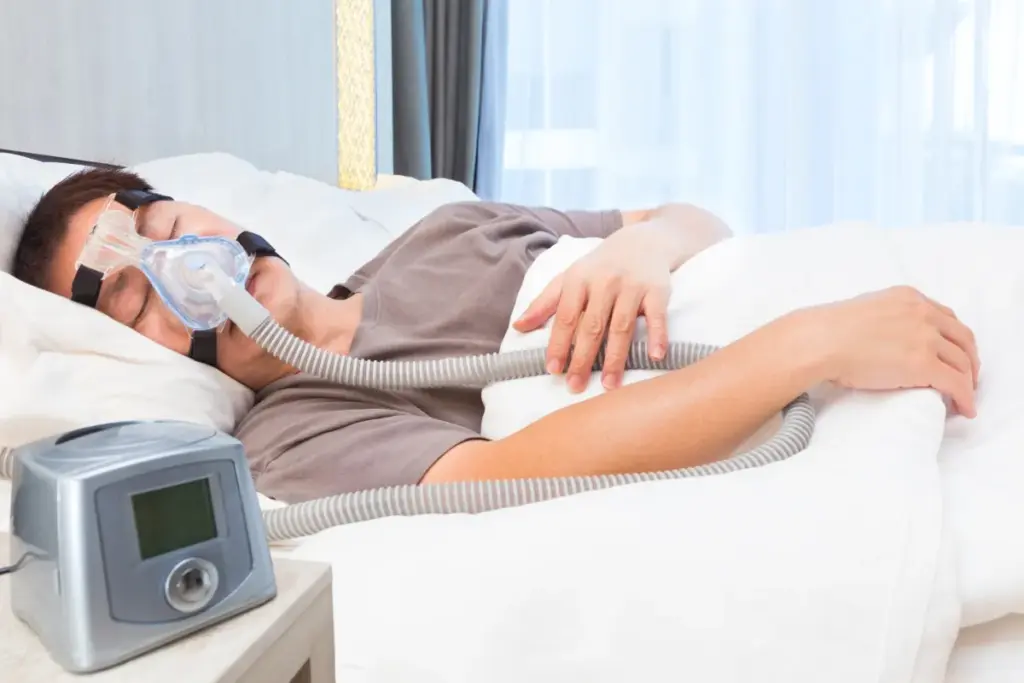
For many, CPAP machines are a lifeline, providing relief from sleep apnea symptoms. We will explore the basics of these devices and their role in managing sleep disorders.
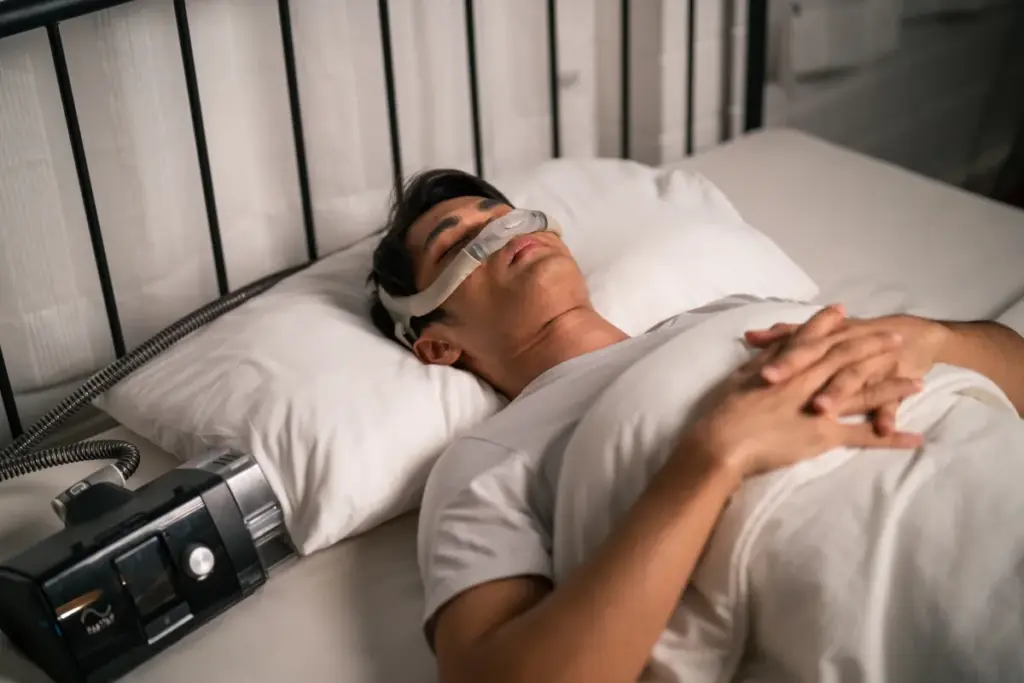
A CPAP machine, or Continuous Positive Airway Pressure machine, is a medical device. It helps individuals with sleep apnea breathe more easily during sleep. It delivers a steady stream of pressurized air through a mask that covers the nose and sometimes the mouth.
This keeps the airway open and prevents pauses in breathing that characterize sleep apnea. The CPAP machine is typically used in the treatment of obstructive sleep apnea (OSA). OSA is a condition where the airway is partially or completely blocked during sleep.
By maintaining an open airway, CPAP therapy can significantly improve the quality of sleep. It also improves the overall health of individuals with OSA.
Key Components of a CPAP Machine:
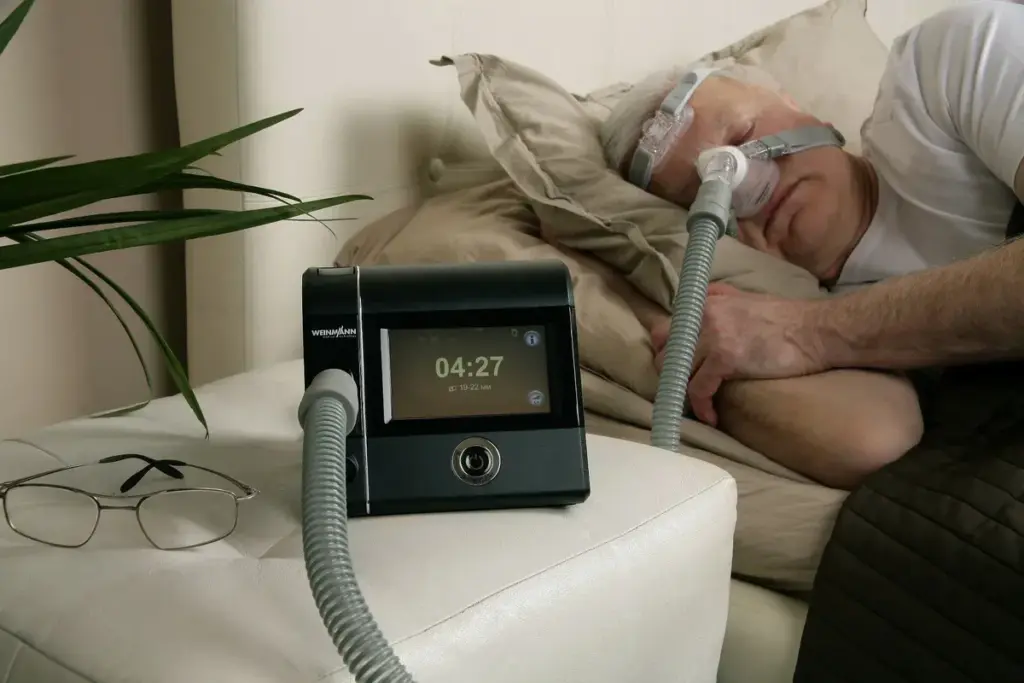
CPAP therapy works by providing a constant flow of air pressure into the airways. This ensures that they remain open during sleep. It prevents the collapses that lead to breathing pauses, reducing sleep apnea symptoms.
The effectiveness of CPAP therapy depends on several factors. These include the correct pressure setting, proper mask fit, and consistent use. Adjusting to CPAP therapy can take time. It’s not uncommon for users to experience initial discomfort or difficulty sleeping with the mask.
“CPAP therapy is a highly effective treatment for obstructive sleep apnea. It improves sleep quality and reduces the risk of related health complications.”
American Academy of Sleep Medicine
To illustrate the benefits and components of CPAP machines, let’s examine a comparison of different models:
|
Model |
Noise Level |
Humidifier |
Data Recording |
|---|---|---|---|
|
ResMed AirSense 10 |
Low |
Built-in |
Yes |
|
Philips DreamStation |
Very Low |
Built-in |
Yes |
|
DeVilbiss IntelliPAP |
Low |
Optional |
Yes |
By understanding how CPAP machines work and their benefits, individuals can make informed decisions about their treatment options.
Sleep apnea is a common sleep disorder that can really impact your life. It happens when you stop breathing or breathe shallowly while you sleep. We’ll look at what sleep apnea is, its types, and its symptoms.
Sleep apnea is when your airway gets blocked during sleep. This causes pauses in breathing or shallow breaths. Obstructive sleep apnea is the most common, where the airway is blocked by the tongue falling back.
Sleep apnea can have serious effects on your health and sleep. It’s important to know about it to manage it well.
There are three main types of sleep apnea: obstructive, central, and mixed. Obstructive sleep apnea (OSA) is the most common, caused by a physical blockage. Central sleep apnea happens when the brain doesn’t send the right signals to breathe. Mixed sleep apnea is a mix of both.
Knowing the type of sleep apnea you have is key to finding the right treatment.
Symptoms of sleep apnea include loud snoring and stopped breathing during sleep. You might also feel daytime sleepiness. Other signs are morning headaches, trouble focusing, and feeling irritable.
If you notice these symptoms, see a doctor right away. Early treatment can greatly improve your life and prevent health problems.
A sleep study, or polysomnography, is key for diagnosing sleep apnea. It gives detailed data on sleep patterns. This helps doctors accurately diagnose sleep disorders.
During a sleep study, many physiological activities are monitored while a person sleeps. This can happen in a sleep lab or at home. In-lab studies involve overnight monitoring in a controlled setting.
At-home sleep apnea testing (HSAT) is a more convenient option. It uses portable devices to track sleep parameters.
The data collected includes brain waves, oxygen levels, heart rate, and breathing patterns. This info is vital for diagnosing sleep apnea and its severity.
Getting a sleep study has many benefits. It gives an accurate diagnosis of sleep apnea, which is key for treatment. It also helps find the right CPAP settings for those needing it.
It can also spot other sleep disorders like insomnia or restless leg syndrome. This allows for a complete treatment plan. Doctors can then give personalized advice to improve sleep and health.
Skipping a sleep study might seem easy, but it’s important to know the risks. Getting a CPAP machine usually starts with a sleep study to find sleep apnea. But, some might skip it for different reasons.
Some reasons to skip a sleep study include insurance problems. A personal story shows how hard it can be to get tested due to insurance issues. This can be a big challenge for many.
Other reasons might be:
Not getting a sleep study has big risks. Without a proper diagnosis, you might not get the right treatment. This can cause serious health problems.
Some risks are:
|
Risks |
Consequences |
|---|---|
|
Misdiagnosis |
Wrong treatment, which can make health worse |
|
Inadequate CPAP Settings |
Therapy that doesn’t work, leading to sleep problems |
|
Untreated Sleep Apnea |
Worsening of health issues, like heart problems |
It’s key to think about these risks when deciding about skipping a sleep study. Always get advice from a doctor before making a choice.
It’s important to know the rules for using CPAP therapy. CPAP machines must follow strict guidelines to be safe and work well.
The FDA is key in controlling CPAP machines. They make rules for making, testing, and selling these devices. This ensures they are safe and do what they’re supposed to.
FDA Regulations on CPAP Machines
Getting insurance to cover CPAP therapy is also important. Most insurance plans need a sleep apnea diagnosis before they pay for a CPAP machine.
|
Insurance Provider |
Typical Requirements |
Coverage Details |
|---|---|---|
|
Medicare |
Face-to-face consultation, sleep study |
Covers CPAP machines, supplies, and replacement parts |
|
Private Insurers |
Diagnosis of sleep apnea, sometimes a sleep study |
Varies by plan; may cover CPAP machines, accessories |
Knowing these rules and insurance needs helps patients get a CPAP machine. It ensures they get the therapy they need.
The way we diagnose sleep apnea is changing. Home sleep apnea testing is now a good option. It’s important to know how these new methods help find sleep apnea.
Home Sleep Apnea Testing (HSAT) lets patients test for sleep apnea at home. They use portable devices that track sleep activities. HSAT is great for those who can’t easily go to sleep study centers.
HSAT is easy and comfortable. It can give better results because it’s done in a natural setting. But, it’s not for everyone, like those with complex health issues.
Online sleep assessments are another option. They use online forms and sometimes apps to track sleep. They’re not as detailed as lab tests but can spot who needs more testing.
Online sleep assessments are easy to use and reach more people. They encourage more to check for sleep apnea. But, they’re not always accurate and should be checked by experts.
In summary, new methods like HSAT and online tests make diagnosing sleep apnea easier. They’re convenient and accessible. But, we must know their limits and use them with professional advice.
Getting a CPAP machine without a sleep study is possible. People who face challenges or don’t want a traditional sleep study have other ways to get one.
Start by talking to a healthcare provider. They can check your health and see if CPAP therapy is right for you. A healthcare provider’s advice is key in making a good choice.
Tell your healthcare provider about your symptoms, health history, and any worries. This info helps them decide if you can get a CPAP machine without a sleep study.
“A thorough consultation with a healthcare provider can provide clarity on the best course of action for obtaining a CPAP machine.”
If you can’t or don’t want to have a sleep study, buying a CPAP machine yourself is an option. But, knowing the risks of self-diagnosis and the need for a proper fit is important.
Getting a CPAP machine can be tough. But, by looking into other options and talking to healthcare experts, you can make a well-informed choice about your care.
Self-diagnosis and treatment might seem easy, but it’s risky. It can lead to wrong diagnoses and treatments. These mistakes can harm your health a lot.
Self-diagnosis and treatment can cause many health problems. Here are a few:
Here’s a table showing some health risks of self-diagnosis and treatment:
|
Health Consequence |
Description |
Potential Outcome |
|---|---|---|
|
Inadequate treatment |
Lack of proper treatment for sleep apnea |
Continued sleep disruptions, related health issues |
|
Delayed diagnosis |
Delay in receiving a proper diagnosis |
Progression of sleep apnea, more severe health complications |
|
Complications from untreated sleep apnea |
Development of related health issues due to untreated sleep apnea |
Cardiovascular disease, diabetes, other serious health issues |
Getting help from a healthcare professional is key for diagnosing and treating sleep apnea right. They can do a detailed check, find out what’s wrong, and make a treatment plan just for you. This makes sure you’re treated right and keeps you safe from health risks.
By getting professional help, you can avoid the dangers of trying to diagnose and treat yourself. You’ll get the care you need for your health.
To get a CPAP machine, you need a prescription. It’s a medical device made for your specific needs. This rule helps make sure it’s used right and safely for sleep apnea treatment.
You need a prescription for CPAP therapy because it’s a medical device. CPAP machines are not one-size-fits-all solutions. They need to be adjusted for your sleep apnea level and other personal factors.
It’s best to talk to a healthcare provider about needing a CPAP machine. They can help decide if you need one and write the prescription. Their advice is key for good treatment.
A CPAP prescription should have details about the device settings and pressure levels. It’s not just about saying yes to a CPAP machine. It’s about making the treatment fit your condition.
With these details, a CPAP prescription makes sure you get the right care. It also makes sure the device works well for you.
CPAP therapy is key in managing sleep apnea. It offers many benefits that improve life quality. A Continuous Positive Airway Pressure machine provides constant air pressure through a mask. This keeps the airway open, preventing breathing pauses.
One big benefit of CPAP therapy is better sleep. CPAP machines keep the airway open all night. This leads to uninterrupted sleep cycles.
Users feel more awake and alert during the day. They can tackle daily tasks with more energy. This is because they get more restful sleep.
CPAP therapy also boosts mental health. It can reduce anxiety and depression symptoms. This makes users feel better overall.
It also improves cognitive functions like concentration and memory. This helps with work or school performance.
CPAP therapy does more than just improve sleep. It has many overall health benefits. It helps reduce risks of heart disease and high blood pressure.
It also lowers the risk of strokes. By ensuring uninterrupted sleep, CPAP therapy is good for the heart.
It can also help manage diabetes risk. It reduces symptoms like loud snoring and morning headaches. This improves daily life quality.
In summary, CPAP therapy offers many benefits. It improves sleep quality and overall health. It’s a key step towards better sleep and more energy.
CPAP machines and sleep studies are key in treating sleep apnea. Knowing how they work is vital for managing the condition well.
Thinking about CPAP therapy? It’s important to look at the good and bad sides. We talked about other sleep tests like Home Sleep Apnea Testing (HSAT). Always talk to a doctor first.
Want to choose the right treatment for sleep apnea? Talk to a healthcare expert. They can help based on your health and needs.
With this article’s info and a doctor’s advice, you can pick the best CPAP machine. This will help you sleep better and feel better overall.
Buying a CPAP machine without a sleep study is not advised. A sleep study is key to diagnosing sleep apnea and finding the right treatment.
A CPAP machine sends pressurized air into your airways during sleep. This keeps them open, helping to reduce sleep apnea symptoms and improve sleep.
Sleep apnea symptoms include snoring, feeling tired during the day, and trouble focusing. If you notice these, see a healthcare professional.
In-lab studies are done in a sleep lab, while at-home studies use portable gear. Both can diagnose sleep apnea, but lab studies might give more detailed data.
Usually, you need a prescription to buy a CPAP machine. This ensures it’s used safely and correctly.
CPAP therapy can greatly improve sleep and reduce sleep apnea symptoms. It also lowers the risk of heart disease, improving overall health.
Yes, there are home sleep apnea tests (HSAT) and online sleep assessments. These can make diagnosis easier, but might not work for everyone.
Self-diagnosis and treatment can lead to wrong diagnoses and treatments. This can harm your health. Always get professional medical advice for accurate diagnosis and treatment.
We advise against skipping a sleep study, but you can talk to a healthcare provider. They might suggest other diagnostic methods or help you get a CPAP machine.
The FDA ensures CPAP machines are safe and work well. Manufacturers must follow FDA rules to sell their devices.
Insurance coverage for CPAP machines varies. A sleep study and prescription are often needed to qualify for coverage.
Yes, you can buy a CPAP machine without insurance. But, it’s wise to talk to a healthcare professional to make sure you get the right one.
What causes snoring in women? Sleep Foundation. Retrieved December 19, 2025, from https://www.sleepfoundation.org/snoring/what-causes-snoring-in-females/