Last Updated on December 2, 2025 by Bilal Hasdemir

Craniotomy Life Expectancy
Did you know over 50,000 craniotomies are done every year in the U.S.? This shows how important it is to know how a craniotomy affects a person’s life expectancy. A craniotomy is when part of the skull is removed temporarily. It’s done to relieve brain pressure, remove tumors, or fix blood vessel problems.Learn the crucial facts about craniotomy life expectancy. Understand that prognosis depends on the tumor type, not the surgery itself clearly.
We will look at what affects life expectancy after craniotomy. This includes the reason for the surgery, the patient’s health, and the details of the procedure. Knowing these things helps patients and their families make better choices about their care.
Key Takeaways
- The survival rate after a craniotomy varies significantly based on the underlying condition.
- Overall health and age play crucial roles in determining life expectancy.
- The specifics of the craniotomy procedure can influence patient outcomes.
- Understanding the factors that affect life expectancy can help patients make informed decisions.
- Advancements in medical technology and care are improving survival rates.
Understanding Craniotomy: Definition and Purpose

A detailed, cross-sectional illustration of a craniotomy procedure, showcasing the intricate surgical steps. A precise rendering of the human skull, with the scalp and bone flap neatly removed, exposing the dura mater and underlying brain tissue. The image should be photographically realistic, capturing the clinical setting with high-quality lighting, depth of field, and a neutral color palette. Convey the technical precision and gravity of the neurosurgical procedure, while maintaining a sense of educational clarity for the viewer.
Craniotomy is a surgery where part of the skull is taken out. It’s used for many brain problems. Neurosurgeons use it to get to the brain and fix issues.
What Exactly is a Craniotomy?
A craniotomy means taking out a part of the skull. This part is called a bone flap. It lets doctors see the brain.
This is done to ease brain pressure, take out tumors, or fix blood vessel problems. After, the bone flap goes back in place.
Common Reasons for Performing a Craniotomy
There are many reasons for a craniotomy. Some include:
- Relieving pressure on the brain caused by trauma or swelling.
- Removing brain tumors, whether benign or malignant.
- Repairing aneurysms or arteriovenous malformations (AVMs).
- Treatments for certain brain infections or abscesses.
Doctors say, “Before craniotomy surgery, you’ll meet with your surgeon, who’ll carefully plan the procedure.” This planning is key for the surgery’s success and your recovery.
Types of Craniotomy Procedures
A well-lit, high-resolution medical illustration depicting the various types of craniotomy procedures. The foreground showcases detailed cross-sectional diagrams of the skull, highlighting the different surgical openings and techniques, such as frontal, temporal, parietal, and occipital craniotomies. The middle ground features labeled anatomical structures, including the brain, meninges, and blood vessels. The background provides a clean, clinical setting with subtle grid lines or a neutral gradient to emphasize the technical nature of the subject matter. The overall composition conveys a sense of precision, educational value, and medical expertise, suitable for illustrating a section on "Types of Craniotomy Procedures".
Craniotomy procedures are diverse, catering to various neurological conditions with precision and care. The type of craniotomy performed depends on the condition being treated, the location of the brain affected, and the surgical technique preferred by the neurosurgeon.
Based on Location
Craniotomies can be categorized based on the region of the skull where the surgery is performed. Common types include:
- Frontal Craniotomy: Involves the frontal lobe, often used to treat conditions like frontal lobe tumors or aneurysms.
- Parietal Craniotomy: Accesses the parietal lobe, which can be necessary for removing tumors or repairing vascular malformations.
- Occipital Craniotomy: Focuses on the occipital lobe, typically used for conditions affecting the visual processing centers.
- Temporal Craniotomy: Involves the temporal lobe, often performed to treat epilepsy or tumors in this region.
Based on Technique
Surgical techniques have evolved to include both traditional open surgeries and more modern, minimally invasive approaches.
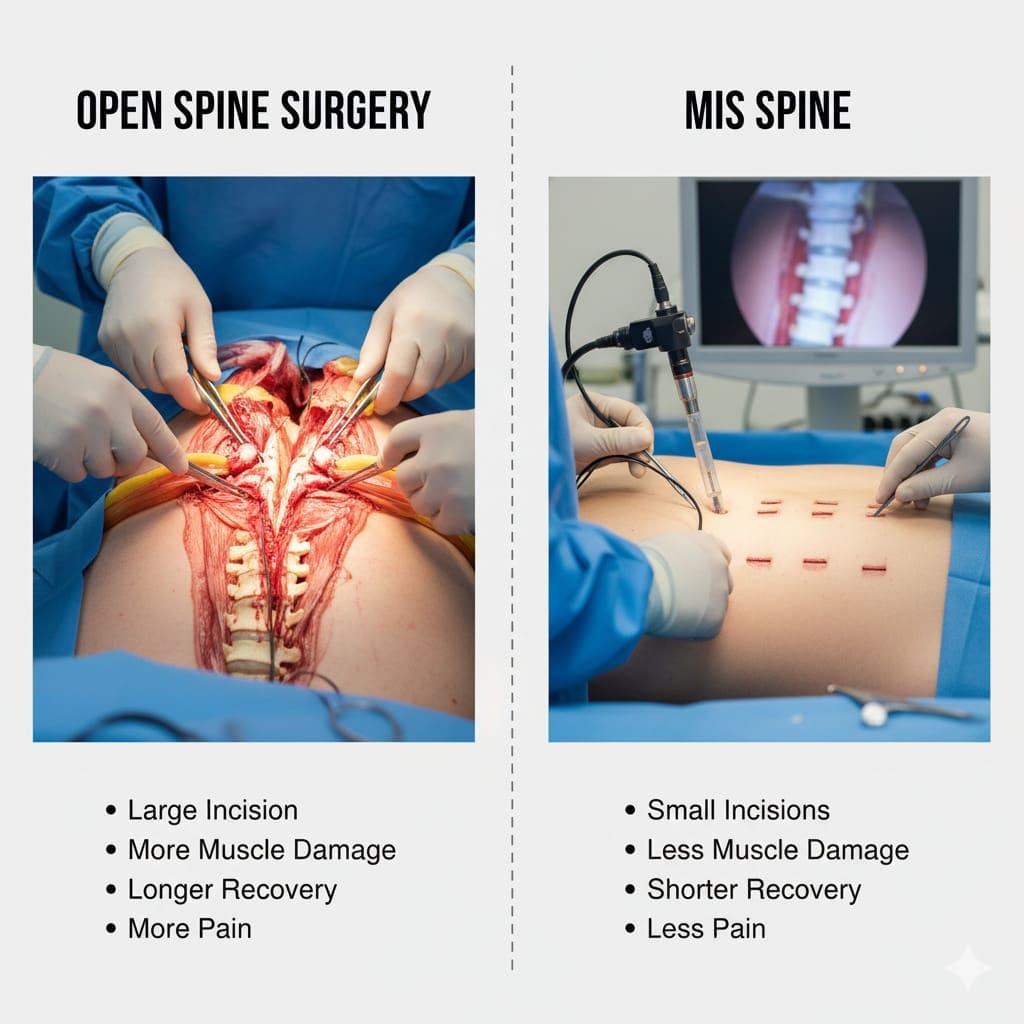
- Traditional Craniotomy: Involves a larger incision and more extensive removal of skull bone to access the brain.
- Minimally Invasive Craniotomy: Uses smaller incisions and advanced imaging techniques to reduce tissue damage and promote faster recovery.
Special Types: Decompressive Craniectomy and Cranioplasty
Certain craniotomy procedures serve specific purposes beyond the standard tumor or aneurysm treatment.
- Decompressive Craniectomy: Involves removing a portion of the skull to allow a swollen brain to expand beyond the confines of the skull, relieving dangerous intracranial pressure.
- Cranioplasty: Focuses on repairing a skull defect or deformity, often performed after a decompressive craniectomy or to correct a congenital condition.
The choice of craniotomy procedure is highly individualized, depending on the patient’s condition, the nature of the brain disorder, and the neurosurgeon’s professional judgment.
| Type of Craniotomy | Description | Common Indications |
| Frontal Craniotomy | Access to frontal lobe | Tumors, aneurysms |
| Parietal Craniotomy | Access to parietal lobe | Tumors, vascular malformations |
| Decompressive Craniectomy | Relieve intracranial pressure | Traumatic brain injury, malignant cerebral infarction |
| Cranioplasty | Repair skull defects | Post-craniectomy, congenital defects |
The Difference Between Craniotomy and Craniectomy
A detailed medical illustration depicting the difference between craniotomy and craniectomy procedures. In the foreground, a cross-sectional view of the human skull, with one side showing the bone flap removed during a craniotomy, and the other side showcasing the larger opening created by a craniectomy. The middle ground features labeled anatomical structures, such as the dura mater, brain tissue, and blood vessels. The background depicts a clinical setting, with medical equipment and a calming, neutral color palette to emphasize the educational nature of the image. The lighting is soft and diffused, highlighting the intricate details of the procedures. The overall tone is informative and precise, suitable for a medical article.
Craniotomy and craniectomy are two neurosurgical procedures with key differences. Both remove part of the skull, but the main difference is whether the bone is put back during surgery.
Procedural Differences
A craniotomy removes a part of the skull temporarily to access the brain. The bone flap is put back at the end of the surgery. A craniectomy removes part of the skull without putting it back right away. This is often to reduce brain pressure from swelling or trauma.
Choosing between a craniotomy or a craniectomy depends on the condition being treated and the patient’s health.
When Each Procedure is Indicated
Craniotomy is used for:
- Tumor removal
- Aneurysm clipping
- Arteriovenous malformation (AVM) treatment
- Certain types of epilepsy surgery
Craniectomy, especially decompressive craniectomy, is for emergency situations like:
- Severe traumatic brain injury
- Malignant brain edema
- Stroke with significant swelling
Impact on Recovery and Prognosis
The choice between craniotomy and craniectomy affects recovery and prognosis. Craniotomy leads to a quicker recovery since the skull is fixed right after surgery. Craniectomy needs a second surgery to replace the bone flap, which can happen weeks or months later.
Prognosis depends on the condition, patient’s health, and procedure extent. Craniotomy patients usually recover faster. Craniectomy patients face a longer, more complex recovery.
In conclusion, knowing the differences between craniotomy and craniectomy is crucial. Both are vital in neurosurgery, but their uses, procedures, and effects on recovery and prognosis differ.
The Craniotomy Procedure: What to Expect
A detailed surgical scene depicting the craniotomy process. In the foreground, a team of skilled neurosurgeons meticulously exposing the patient’s skull, with surgical instruments and bright illumination from overhead lamps. The middle ground reveals the patient’s head, with a precise incision made through the scalp and skull, allowing access to the underlying brain tissue. In the background, various medical equipment, monitors, and a sterile, clinical environment set the stage for this delicate procedure. The lighting is bright and directional, casting dramatic shadows and highlighting the intricate details of the surgery. The overall mood is one of focused professionalism, where the medical team’s expertise and the gravity of the situation are palpable.
The craniotomy procedure includes several stages: pre-surgery preparation, the surgery itself, and post-operative care. Knowing these stages can make patients feel more ready and confident during their surgery.
Pre-surgical Preparation
Before a craniotomy, patients go through tests and evaluations. This ensures they are ready for surgery. These include:
- Medical history review and physical examination
- Imaging tests like MRI or CT scans
- Blood tests and other lab exams
- Talks with the surgical team about the surgery and what to expect
We also tell patients to follow specific pre-operative instructions. This includes fasting before surgery and avoiding certain medicines.
During the Surgery: Duration and Process
A craniotomy surgery can last several hours, depending on the case. The surgical team watches the patient’s vital signs closely during the surgery. The steps of a craniotomy are:
- Administering anesthesia to keep the patient comfortable and pain-free
- Making an incision in the scalp to get to the skull
- Removing a part of the skull to get to the brain
- Doing the needed intervention, like removing a tumor or fixing an aneurysm
- Putting the bone flap back and securing it with plates or screws
Immediate Post-operative Care
After surgery, patients go to the ICU for close monitoring. We manage pain, watch for complications, and start rehab early. Patients can expect:
- Close watch on vital signs and brain function
- Pain control with medicine
- Slowly getting up to prevent blood clots
Our team works hard to give full care during recovery. We aim for the best results for our patients.
Craniotomy Life Expectancy: Key Determining Factors
Detailed craniotomy surgery scene against a softly blurred medical backdrop. The foreground depicts the intricate procedure, with surgeons in sterile garb delicately manipulating tools and examining the exposed brain. Lighting is bright and clinical, casting strong shadows that emphasize the gravity of the situation. The middle ground showcases advanced medical equipment, monitors displaying vital signs, and an atmosphere of intense focus. In the background, blurred silhouettes of additional healthcare staff suggest the complexity of the treatment process. The overall mood is one of precision, expertise, and the weighty implications of the craniotomy procedure for the patient’s long-term health and life expectancy.
It’s important to know what affects life expectancy after a craniotomy. This surgery’s outcome can change a lot based on several key things.
Underlying Condition Requiring Surgery
The main reason for the surgery greatly affects life expectancy. For example, brain tumors, injuries, and blood vessel problems have different effects on survival.
Patient Age and Overall Health
A patient’s age and health are very important. Older people or those with health problems might face more risks and possibly a shorter life after surgery.
Extent and Location of the Procedure
The size and where the surgery is done also matter. Larger surgeries or those in important brain areas can have different recovery times and long-term results.
Surgeon Experience and Hospital Quality
The skill of the surgeon and the hospital’s quality are key. Doctors with more experience and hospitals with better facilities usually have better results, which can help life expectancy.
| Factor | Description | Impact on Life Expectancy |
| Underlying Condition | The reason for the craniotomy, such as tumor, injury, or vascular issue. | Varies by condition; some have better prognoses than others. |
| Patient Age and Health | The patient’s age and overall health status. | Older or less healthy patients may have lower life expectancy. |
| Extent and Location of Surgery | The complexity and area of the brain involved in the surgery. | More extensive or critically located surgeries may have varied outcomes. |
| Surgeon and Hospital Quality | The experience of the surgeon and the quality of the hospital. | Better outcomes are associated with experienced surgeons and high-quality hospitals. |
Knowing these important factors helps patients and families understand life expectancy after a craniotomy. This knowledge helps set realistic hopes and make better choices.
Life Expectancy After Craniotomy for Brain Tumors
A high-resolution, photorealistic image of a brain tumor prognosis. In the foreground, a detailed cross-section of a human brain, revealing the location and size of a malignant tumor. The tumor appears as a distinct, discolored mass, surrounded by healthy brain tissue. In the middle ground, a series of medical charts, graphs, and diagrams displaying statistical data on the expected survival rates, treatment options, and potential outcomes for patients with similar brain tumors. The background features a sterile, clinical environment, such as a hospital room or medical research laboratory, with modern medical equipment and diagnostic tools visible. The lighting is soft and diffused, creating a contemplative, yet informative atmosphere. The overall composition conveys a sense of medical expertise, scientific analysis, and the gravity of the prognosis.
Patients often wonder about their life expectancy after a craniotomy for a brain tumor. The prognosis depends on the tumor’s type and health factors. Knowing these details is key for realistic expectations and treatment decisions.
Benign vs. Malignant Tumor Outcomes
The tumor’s nature greatly affects life expectancy after surgery. Benign tumors are non-cancerous and often have a better prognosis. Patients with benign tumors may see significant improvement and even be cured.
In contrast, malignant tumors are cancerous and harder to treat. They may require chemotherapy and radiation in addition to surgery.
Survival Rates by Tumor Type and Grade
Survival rates vary based on the tumor’s type and grade. Low-grade gliomas have a better prognosis than high-grade glioblastomas. Studies show that the 5-year survival rate for low-grade gliomas is 70-80%.
For glioblastoma, the 5-year survival rate is much lower, around 5-10%. Knowing the tumor’s characteristics is crucial for estimating life expectancy.
Factors Affecting Prognosis
Several factors influence the prognosis after a craniotomy. These include the patient’s age, overall health, and how much of the tumor was removed. The presence of any remaining tumor also matters.
Genetic characteristics of the tumor and the patient’s response to treatments also impact the outcome. A thorough assessment of these factors provides a more accurate prognosis.
Additional Treatments and Their Impact
Additional treatments like chemotherapy and radiation therapy can greatly improve life expectancy. These treatments aim to eliminate any remaining tumor cells, reducing recurrence risk. The effectiveness of these treatments depends on the tumor type and the patient’s condition.
Advances in these therapies continue to improve outcomes for brain tumor patients.
Life Expectancy Following Craniotomy for Traumatic Brain Injury
A high-resolution, photorealistic image of a craniotomy surgery in progress, with a focus on the exposed brain tissue and the surgical instruments used to navigate the traumatic brain injury. The lighting is bright and surgical, casting sharp shadows and highlighting the intricate details of the procedure. The perspective is from an angle slightly above the operating table, giving a clear view of the entire surgical site. The background is blurred, with only the essential medical equipment and personnel visible, creating a sense of clinical focus and urgency. The overall mood is one of professionalism, precision, and the gravity of the situation, conveying the importance of successful craniotomy in ensuring the patient’s survival and recovery.
The severity of the initial traumatic brain injury greatly affects life expectancy after a craniotomy. Traumatic brain injuries (TBI) can vary a lot in severity and impact. Each patient’s recovery is unique. We will look at what affects survival and recovery for those who have had a craniotomy for TBI.
Severity of Initial Injury
The first severity of the brain injury is very important for the patient’s outcome. Patients with more severe injuries often face higher risks of complications. They may have a poorer prognosis. We use scales like the Glasgow Coma Scale (GCS) to predict outcomes.
Imaging studies like CT scans are also key. They help neurosurgeons understand the injury’s extent. This helps them decide if surgery is needed.
Survival Statistics and Recovery Patterns
Survival rates for craniotomy for TBI vary a lot. Research shows that the mortality rate for severe TBI is still high, even with better medical care. We look at survival statistics to see trends and patterns in recovery.
Recovery patterns also vary a lot. Some patients recover quickly, while others take longer or may not recover fully. Age, other health issues, and other injuries can affect recovery.
Long-term Outlook and Quality of Life
The long-term outlook for patients after a craniotomy for TBI is complex. While some patients recover well, others may have lasting disabilities. We look at what affects long-term quality of life, including cognitive and physical impairments.
Rehabilitation is key in improving outcomes. A good rehabilitation program can help patients regain lost functions. It helps them adapt to any lasting disabilities, improving their quality of life.
Life Expectancy After Craniotomy for Vascular Conditions
The life expectancy after a craniotomy for vascular conditions varies. It depends on the condition’s complexity and the surgery’s success. Conditions like aneurysms and arteriovenous malformations (AVMs) often need this surgery. We’ll look at how these repairs affect life expectancy and the risks involved.
Aneurysm and AVM Repair Outcomes
Results for aneurysm or AVM repair surgeries can differ a lot. A successful surgery can mean a good outlook, but problems during or after can change that.
Factors influencing outcomes include:
- The size and location of the aneurysm or AVM
- The patient’s overall health and age
- The presence of any additional vascular conditions
Stroke-related Craniotomy Prognosis
Craniotomy for stroke issues has a different outlook than elective repairs. The stroke’s severity and the patient’s condition at surgery are key to life expectancy.
Risk Factors for Reduced Life Expectancy
Several factors can affect life expectancy after a craniotomy. These include:
- Pre-existing medical conditions, such as hypertension or diabetes
- The occurrence of surgical complications, such as infection or cerebral vasospasm
- The patient’s age and overall health status
Here’s a summary of the key factors influencing life expectancy after craniotomy for vascular conditions:
| Condition | Key Factors | Impact on Life Expectancy |
| Aneurysm Repair | Size and location of aneurysm, surgical complications | Generally good if no major complications |
| AVM Repair | Size, location, and complexity of AVM, patient age | Variable, depends on AVM characteristics and patient health |
| Stroke-related Craniotomy | Severity of initial stroke, patient’s condition at surgery | Prognosis varies widely based on stroke severity and patient health |
In conclusion, life expectancy after a craniotomy for vascular conditions depends on many factors. These include the condition’s type and complexity, the surgery’s success, and the patient’s health. Knowing these factors helps manage expectations and improve outcomes.
Recovery Timeline After Craniotomy
Knowing the recovery timeline after a craniotomy is key for patients and their families. The recovery path includes several stages. These range from the initial hospital stay to long-term rehabilitation.
Hospital Stay Duration
Patients usually stay in the hospital for up to a week after surgery. This time is vital for watching for complications and managing pain.
Close monitoring is crucial in the hospital. It helps address any immediate post-surgical issues, like swelling, pain, or neurological changes.
Short-term Recovery (First 6 Weeks)
The first six weeks are the short-term recovery phase. During this time, patients often feel tired, have headaches, and may feel a bit fuzzy in the head.
It’s important to follow the doctor’s instructions about medication, rest, and slowly getting back to activities. Patients should avoid heavy lifting, bending, or hard exercises.
Long-term Recovery (6 Months and Beyond)
Recovery can last longer than six months. The recovery pace varies a lot among people. It depends on the condition that led to the surgery, the patient’s health, and how big the surgery was.
Some patients see significant improvement in the first year. Others may take longer to fully recover.
Returning to Normal Activities
The time it takes to get back to normal activities varies. Most patients can start their daily routines in a few weeks to months after surgery.
But, it’s important to listen to your body and not rush. Talk to your healthcare provider about your progress. They can help figure out the best plan for you.
Common Complications That May Impact Life Expectancy
It’s important for patients and caregivers to know about possible complications after a craniotomy. This surgery is crucial for treating serious conditions but comes with risks. These risks can show up right after surgery or later as ongoing health issues.
Immediate Post-surgical Complications
Right after surgery, patients might face swelling, bleeding, and reactions to anesthesia. These issues can be handled well in a hospital with careful watching.
Swelling and Bleeding: Swelling is a normal part of healing, but it can sometimes cause more pressure inside the skull. Bleeding is another risk that doctors try to avoid.
Infection and Hemorrhage Risks
Infection and bleeding are big worries after a craniotomy. Infection can happen at the surgery site or in the brain, needing quick treatment with antibiotics or more surgery.
Hemorrhage Risks: Bleeding can happen during or after surgery. This risk is higher for people with certain health problems or those on blood thinners.
Neurological Complications
Neurological problems can come from the surgery or the condition it treats. These issues might include seizures, changes in thinking, or problems with movement or speech.
Seizure Risk: Seizures are a possible problem, especially right after surgery. Doctors might give medicines to prevent them.
Long-term Medical Concerns
Long-term worries after a craniotomy include ongoing brain problems, the chance of more surgery, or the condition getting worse.
Management and Follow-Up: Seeing doctors regularly is key to dealing with these issues and changing treatment plans if needed.
Physical and Cognitive Side Effects of Craniotomy
Recovering from a craniotomy means more than just healing from the surgery. It also means dealing with side effects. These can affect how you feel and function every day.
Physical Effects
Physical side effects after a craniotomy vary. Some common ones include:
- Weakness or numbness in parts of the body
- Fatigue and general tiredness
- Headaches and scalp sensitivity
- Seizures, in some cases
These effects are usually most noticeable at first. But, they can get better with time and the right care.
Cognitive and Psychological Effects
Cognitive changes can make it hard to remember things or focus. Mood swings, anxiety, and depression are also common. These can be due to the surgery or the condition it treated.
Impact on Daily Functioning
The physical and cognitive side effects can make everyday tasks hard. Even simple things might seem overwhelming. Patients often need help from family or caregivers.
Coping Strategies
To deal with these side effects, patients can try a few things:
- Engaging in physical therapy to regain strength and mobility
- Participating in cognitive rehabilitation to improve memory and concentration
- Seeking psychological support through counseling or therapy
- Practicing stress-reducing techniques, such as meditation or deep breathing exercises
Using these strategies can help patients face the challenges of recovery. It can also improve their life quality.
Patient Stories: Life After Craniotomy
People’s experiences after a craniotomy are very different. This shows how varied their health issues and personal strength can be. These stories show how strong the human spirit is when facing tough times.
Recovery Journeys
Recovering from a craniotomy is unique for everyone. Some might find it easier, while others face big challenges. For example, a person with a brain tumor slowly got back to normal over months. They got a lot of help from family and rehab services.
Another person had to deal with complications like infections and seizures after surgery. Their story shows how crucial good care after surgery is. It also highlights the role of doctors in helping patients through tough times.
Challenges and Triumphs
Those who have had a craniotomy often face many obstacles. These can include physical, mental, and emotional changes. Yet, many people find ways to overcome these, like getting their independence back, going back to work, and starting anew.
One person had a tough time after a craniotomy for a brain injury. They worked hard in rehab and got a lot of their skills back. They even went back to their job, but with some changes.
Lessons Learned from Survivors
The stories of those who have had a craniotomy teach us a lot. They show us how important a strong support system is. They also highlight the need for rehab plans that fit each person and the power of being resilient and adaptable.
| Key Factors | Description | Impact on Recovery |
| Support System | Family and friends providing emotional and practical support | Highly Positive |
| Rehabilitation Plans | Personalized plans addressing physical, cognitive, and emotional needs | Positive |
| Resilience | Patient’s ability to cope with challenges and adapt to new circumstances | Critical |
These stories show how complex recovery from a craniotomy can be. They highlight the many challenges and victories people face. By sharing these, we hope to offer support and insight to those going through similar experiences.
Improving Outcomes and Life Expectancy After Craniotomy
To improve outcomes and life expectancy after a craniotomy, a comprehensive strategy is needed. This includes rehabilitation, medical management, and lifestyle changes. By using these strategies, patients can better their recovery and long-term health. We will look at the different ways to enhance outcomes after a craniotomy.
Rehabilitation Strategies
Rehabilitation is key in the recovery process after a craniotomy. A good rehabilitation program helps patients regain lost functions and manage symptoms. Physical therapy, occupational therapy, and speech therapy are important parts of a comprehensive plan.
Physical therapy helps patients regain strength and mobility. Occupational therapy helps them perform daily activities and stay independent. Speech therapy addresses communication and swallowing issues. A team of therapists works together to create a personalized plan for each patient.
Ongoing Medical Management
Medical management is crucial for monitoring and managing complications after a craniotomy. Regular check-ups with healthcare providers help spot issues early. Medications, diagnostic tests, and other treatments may be needed to manage conditions like seizures or infections.
| Medical Management Strategies | Description | Benefits |
| Regular Follow-up Appointments | Monitoring for potential complications | Early detection and intervention |
| Medications | Managing seizures, infections, and other conditions | Reducing risk of complications |
| Diagnostic Tests | Identifying potential issues | Informing treatment decisions |
Lifestyle Modifications
Lifestyle changes can greatly impact recovery and long-term outcomes after a craniotomy. A healthy diet, regular exercise, and stress management are key for overall health. Patients shou
Support Systems and Resources
Having a strong support system is essential for patients recovering from a craniotomy. Family, friends, and support groups offer emotional support and practical help. Access to resources like counseling, rehabilitation services, and home care can also enhance the recovery experience.
- Family and friends
- Support groups
- Counseling services
- Rehabilitation services
- Home care
By incorporating these strategies into their recovery plan, patients can improve their outcomes and life expectancy after a craniotomy. A comprehensive approach that includes rehabilitation, medical management, lifestyle modifications, and support systems can make a significant difference in the long-term prognosis.
Conclusion: Living Life After Craniotomy
Understanding life after a craniotomy is key for patients and their families. The recovery path changes a lot. It depends on the reason for surgery, how big the surgery was, and the patient’s health.
People having craniotomy for brain tumors, injuries, or blood vessel problems face different challenges. Some might fully recover, while others need ongoing care to get better. This care helps them regain strength and thinking skills.
The life expectancy after a craniotomy depends on many things. These include the patient’s age, how complex the surgery was, and any problems after surgery. By focusing on rehabilitation, making lifestyle changes, and having support, patients can do better and live better lives.
Living well after a craniotomy means taking care of physical, thinking, and emotional needs. With the right care and support, many patients lead happy lives. They have a good outlook and life expectancy after their surgery.
FAQ
What is a craniotomy?
A craniotomy is a surgery where part of the skull is taken off to reach the brain. It’s done to ease pressure, remove tumors, or fix blood vessel problems.
How long does a craniotomy take?
The time needed for a craniotomy varies. It can take a few hours to several hours. This depends on the surgery’s complexity and the condition being treated.
What is the difference between a craniotomy and a craniectomy?
The main difference is whether the bone is put back during the surgery (craniotomy) or not (craniectomy).
What are the common reasons for performing a craniotomy?
Craniotomies are done for many reasons. These include easing brain pressure, removing tumors, or fixing aneurysms and other blood vessel issues.
What factors influence life expectancy after a craniotomy?
Several things affect life expectancy after a craniotomy. These include the condition needing surgery, the patient’s age and health, the surgery’s extent and location, and the surgeon’s experience and the hospital’s quality.
What is the life expectancy after craniotomy for brain tumors?
Life expectancy after a craniotomy for brain tumors varies. It depends on the tumor’s type and grade, the patient’s health, and the success of other treatments.
How long does it take to recover from a craniotomy?
Recovery time after a craniotomy varies. Patients usually stay in the hospital for a few days to a week. Short-term recovery takes about six weeks, and long-term recovery can take months.
What are the potential side effects of a craniotomy?
Side effects can include physical and cognitive changes, as well as psychological impacts. Understanding these is key to managing expectations and improving quality of life.
Can a craniotomy be performed more than once?
Yes, some patients may need more than one craniotomy. This depends on their condition and the treatment’s complexity.
What are the risks and complications associated with craniotomy?
Risks and complications can be immediate or long-term. These include infection, bleeding, and neurological problems, which can affect life expectancy.
How can patients improve their outcomes and life expectancy after a craniotomy?
Improving outcomes involves rehabilitation, ongoing medical care, lifestyle changes, and support systems. These can help optimize recovery and improve long-term prognosis.
References
National Center for Biotechnology Information. Evidence-Based Medical Insight. Retrieved from https://pmc.ncbi.nlm.nih.gov/articles/PMC9024194/