Last Updated on December 2, 2025 by Bilal Hasdemir

Craniotomy Pain
Having a craniotomy is a scary thought. It’s important for patients and their families to know about the post-operative pain they might face. Learn about the pain levels after a craniotomy. Understand that craniotomy pain is manageable and generally subsides quickly clearly.
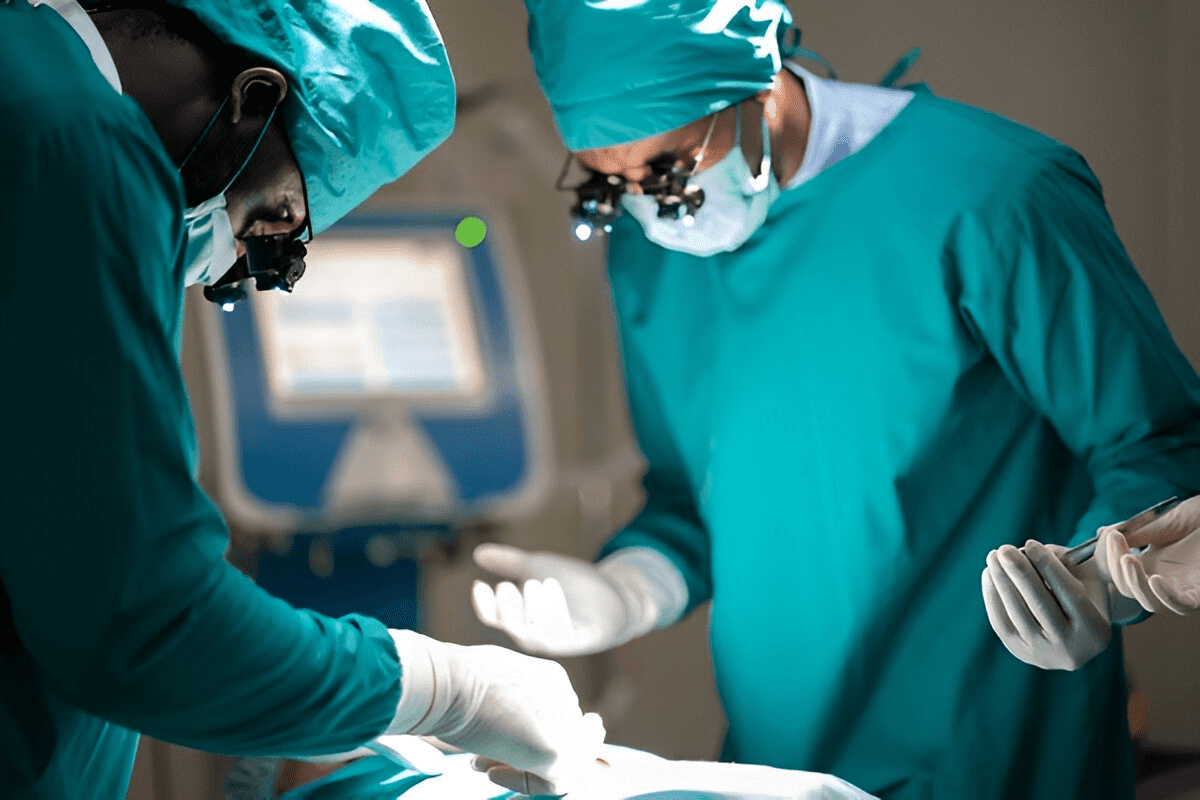
A craniotomy means the surgeon opens part of the skull to reach the brain. This is often needed to ease pressure, remove tumors, or fix blood vessel problems.
Many studies show that a lot of patients feel moderate to severe pain after surgery. It’s key to manage this pain well for a better recovery.
Key Takeaways
- Post-craniotomy pain is a big worry for many patients.
- Knowing about post-operative pain helps in dealing with it.
- Good pain management is vital for a smooth recovery.
- Patients should talk to their doctors about their pain worries.
- There are many ways to handle post-operative pain.
Understanding Craniotomy: A Brief Overview
Craniotomy surgery is a precise and careful process. It involves temporarily removing a part of the skull. We will look into this neurosurgical procedure, its purposes, and the different approaches used.
What is a craniotomy procedure?
A craniotomy is a surgery where a skull part is temporarily removed to see the brain. Neurosurgeons use it to treat many conditions, like removing tumors or clipping aneurysms.
The surgery starts with an incision in the scalp. Then, the skin and muscles are moved aside. Next, a part of the skull, called a bone flap, is removed. After the surgery, the bone flap is put back and fixed with plates, screws, or sutures.
Common reasons for craniotomy surgery
Craniotomy is done for several important reasons, including:
- Removing brain tumors, whether benign or malignant
- Treating vascular issues such as aneurysms or arteriovenous malformations (AVMs)
- Relieving pressure on the brain caused by trauma or swelling
- Draining abscesses or cysts
- Repairing skull fractures
Each reason needs careful planning to get the best results.
Different types of craniotomy approaches
There are many craniotomy approaches, each for a specific condition and brain location.
Some common types include:
- Frontal craniotomy: Accessing the frontal lobe, often used for tumors or aneurysms in the anterior circulation.
- Temporal craniotomy: Focusing on the temporal lobe, useful for conditions like temporal lobe epilepsy or certain tumors.
- Parietal craniotomy: Involving the parietal lobe, used for lesions or tumors in this region.
- Occipital craniotomy: Accessing the occipital lobe, often for tumors or vascular malformations.
- Bifrontal craniotomy: A more extensive approach, involving both frontal lobes, used for certain complex conditions.
A neurosurgical expert notes, “The choice of craniotomy approach depends on various factors, including the location and nature of the pathology, as well as the patient’s overall health.”
Craniotomy Pain: What Patients Can Expect
Craniotomy is a surgery where a skull bone flap is temporarily removed. It can cause different levels of pain after surgery. Knowing about this pain helps manage expectations and aids in a smoother recovery.
Average pain intensity levels
Studies show that craniotomy patients often feel moderate to severe pain after surgery. The pain level can differ, but most report a pain score of about 6 out of 10.
Pain scale assessments after neurosurgery
Doctors use pain scales like the Numerical Rating Scale (NRS) or Visual Analog Scale (VAS) to measure pain after craniotomy. These tools help doctors understand the pain level and adjust treatment plans.
Comparing craniotomy pain to other surgical procedures
Craniotomy pain is often more intense than other surgeries. Yet, everyone’s experience is different. Here’s a comparison of pain levels after various surgeries:
| Surgical Procedure | Average Pain Score |
| Craniotomy | 6/10 |
| Orthopedic Surgery | 7/10 |
| Abdominal Surgery | 5/10 |
Variability in patient experiences
Craniotomy pain can vary a lot. This depends on how much pain a person can handle, the surgery method, and post-op care. It’s important to understand these factors for effective pain management.
Recognizing the differences in pain experiences helps doctors provide more tailored care. This can lead to better outcomes and happier patients.
Immediate Post-Operative Pain Experience
A hospital bed in a dimly lit room, the patient’s face expressing discomfort and concern. Soft, warm lighting illuminates the scene, creating an intimate and comforting atmosphere. The bedsheets are crisp and clean, and medical equipment is visible in the background, suggesting the patient’s recent surgery. The patient’s expression conveys the immediate post-operative pain experience, with a subtle grimace and furrowed brow. The overall scene evokes a sense of empathy and the need for compassionate care during this delicate recovery period.
Managing pain right after craniotomy surgery is key. The first days are tough, with lots of pain. Doctors must carefully manage this to help patients feel better.
First 24-48 hours after surgery
The first two days are hard for patients. They feel a lot of pain. Effective pain relief strategies are crucial to help them feel comfortable and recover well.
We use different pain management plans to help with pain right after surgery. This includes giving medicines that fit each patient’s needs.
Hospital pain management protocols
Hospitals have detailed plans for managing pain after craniotomy. These plans mix medicines and other ways to help with pain.
- Medicines like opioids and non-opioid drugs are used.
- Other methods include cold packs, how patients are positioned, and relaxation techniques.
A study found that mixing medicines and other methods is best for managing pain. This helps patients feel better and recover faster.
“A multimodal approach to pain management, incorporating both pharmacological and non-pharmacological strategies, is crucial for optimizing patient care and minimizing post-operative complications.”
N Engl J Med
Common immediate discomforts
Patients often face many discomforts right after surgery. Some common ones are:
| Discomfort | Description |
| Headache | Many feel headaches because of the surgery and changes in pressure inside the skull. |
| Nausea and vomiting | These can happen because of the anesthesia, pain, or changes in skull pressure. |
| Scalp sensitivity | This is because of the cut made during surgery and how the scalp was handled. |
Initial mobility challenges
Moving around is hard at first because of pain, discomfort, and possible brain issues. Moving early is important to avoid problems like blood clots and pneumonia.
We help patients and their families find safe ways to move. This is important to rest but also to get the benefits of moving early.
Factors That Influence Pain Severity
The pain after a craniotomy can vary based on several factors. Knowing these factors helps manage pain better after surgery.
Surgical Approach and Location
The way the surgery is done and where it is done affects pain levels. Different methods, like the supraorbital or retrosigmoid approaches, can cause different amounts of pain.
For example, surgeries near areas with many nerve endings can hurt more. We need to think about these details when looking at post-operative pain.
Size and Extent of Craniotomy
The size and how much of the skull is opened also matter. Bigger openings or those that need more cutting can hurt more because they damage more tissue.
| Craniotomy Size | Average Pain Level |
| Small (<4 cm) | 4.2/10 |
| Medium (4-6 cm) | 5.5/10 |
| Large (>6 cm) | 6.8/10 |
Patient-Specific Factors
Things like age, health, and mental state can change how much pain someone feels. Younger people and those who have always had pain might feel more pain after surgery.
Also, people with anxiety or depression might feel pain differently. We must think about these personal factors when planning how to manage pain.
Types of Pain Following Craniotomy
A detailed, lifelike surgical scene depicting the types of pain experienced after a craniotomy procedure. Foreground shows a patient’s head with a surgical incision, highlighting areas of pain and discomfort such as headaches, scalp tenderness, and facial numbness. Middle ground features medical equipment and tools used during the operation. Background showcases a sterile, dimly lit operating room environment with subtle lighting to convey the seriousness of the procedure. Realistic textures, subtle shadows, and muted colors create a somber, clinical atmosphere to match the subject matter. The image aims to educate and inform readers about the various post-operative pains associated with craniotomy surgery.
Pain after a craniotomy can show up in many ways. This includes incisional pain, headaches, and neurological sensations. Knowing about these types of pain is key to managing them well and recovering.
Incisional Pain and Scalp Sensitivity
Incisional pain is common after a craniotomy. It comes from the surgical cut in the scalp. This pain can be different in strength and often makes the scalp sensitive.
The scalp might feel sore to the touch. Even simple things like brushing your hair can hurt. To deal with this pain, patients are told how to care for their wound and manage their pain. Effective pain relief is very important right after surgery to help patients feel better and heal faster.
Headache Patterns and Characteristics
Headaches are also common after a craniotomy. They can be mild or very strong. They might feel like tension headaches or migraines.
Understanding these headaches is important for managing pain. Identifying triggers and using specific treatments can really help patients get better.
Neurological Pain Sensations
Some people might feel sharp, shooting, or burning pains. These can be from nerve irritation or damage during surgery. Handling these pains often needs a mix of medicines and other treatments.
Muscle and Soft Tissue Discomfort
Discomfort in muscles and soft tissues is also common. This is often from how the body was positioned during surgery and its reaction to the trauma. This discomfort can be helped with physical therapy, relaxation methods, and the right pain medicines.
| Type of Pain | Characteristics | Management Strategies |
| Incisional Pain | Pain at the surgical incision site, scalp sensitivity | Wound care, pain medication |
| Headaches | Varying intensity, tension-type or migraines | Identifying triggers, targeted therapies |
| Neurological Pain | Sharp, shooting, or burning sensations | Medication, therapeutic interventions |
| Muscle and Soft Tissue Discomfort | Discomfort due to surgical positioning and trauma | Physical therapy, relaxation techniques, pain medication |
Timeline of Pain Resolution
Recovering from a craniotomy takes time, and pain levels vary among patients. Knowing this timeline helps manage expectations and navigate the recovery period well.
First Week Post-Surgery
The first week after surgery is usually the most painful. Patients often feel a lot of pain, which doctors manage with medication. Resting and doing little is key during this time.
Weeks 2-4 Recovery Period
By weeks 2-4, pain starts to lessen. Patients can slowly start doing more. But, it’s important to follow doctor’s advice to stay safe.
Months 1-3 Healing Phase
In the first three months, pain keeps getting better. The body heals, and pain becomes easier to handle. Some might still feel sharp pains, but these usually fade away.
Long-term Pain Expectations
Most patients see a big drop in pain over time. But, some might face ongoing pain. It’s vital to talk to doctors about any pain or worries.
To understand pain resolution, here’s a general guide:
| Timeframe | Expected Pain Levels | Activity Levels |
| First Week | High | Minimal |
| Weeks 2-4 | Moderate to Low | Gradually Increasing |
| Months 1-3 | Low | Returning to Normal |
| Long-term | Minimal to None | Normal |
Every recovery is different. Things like the surgery, pain tolerance, and health play a role. Knowing the general timeline and talking to doctors helps manage pain and recovery.
Medication Management for Post-Craniotomy Pain
A neatly arranged collection of prescription medication bottles, pills, and syringes on a clean, well-lit surface. The scene conveys a sense of medical efficiency and care, with the medications prominently displayed against a neutral background. The lighting is soft and diffused, creating a clinical yet reassuring atmosphere. The angle is slightly elevated, giving the viewer a comprehensive overview of the items. The composition is balanced and organized, highlighting the importance of proper pain management following a craniotomy procedure.
Managing pain after a craniotomy is key. It involves using the right medicines. This helps the patient feel better and recover faster. We’ll look at how different medicines help with pain.
Analgesics Commonly Prescribed
Analgesics are the main medicines for pain after a craniotomy. They include:
- Acetaminophen: Good for mild to moderate pain.
- Opioids: Like morphine or fentanyl, for more severe pain.
- Nonsteroidal anti-inflammatory drugs (NSAIDs): Such as ibuprofen, for reducing inflammation and pain.
Opioid Use and Limitations
Opioids help with severe pain but have risks. These risks include addiction and breathing problems. Doctors watch their use closely and limit it to short periods.
Anti-inflammatory Medications
Anti-inflammatory medicines, like NSAIDs, help with pain and swelling. They’re especially good for headaches and scalp pain after surgery.
Adjuvant Pain Medications
Adjuvant medicines, like anticonvulsants and antidepressants, help with certain pains. They’re useful when other medicines don’t work well.
Here’s a quick look at common medicines for post-craniotomy pain:
| Medication Type | Examples | Use |
| Analgesics | Acetaminophen, Opioids | Mild to severe pain |
| Anti-inflammatory | NSAIDs (Ibuprofen) | Inflammation and pain |
| Adjuvant | Anticonvulsants, Antidepressants | Neuropathic pain |
Managing medicines well is key to less pain and better recovery after a craniotomy. Knowing about different medicines helps doctors create the best pain plans for each patient.
Non-Pharmaceutical Pain Relief Strategies
Non-pharmaceutical pain relief strategies are key in recovering from a craniotomy. They work alongside traditional pain management to make patients more comfortable. This helps in a smoother recovery.
Cold Therapy Applications
Cold therapy, or cryotherapy, is a simple yet effective way to reduce pain and swelling. Cold packs applied to the surgical site or areas of discomfort can numb the pain and reduce swelling. It’s recommended to use cold therapy for the first 48 to 72 hours after surgery, or as advised by your healthcare provider.
Positioning and Rest Techniques
Proper positioning and rest are crucial for managing pain and healing. Elevating the head of the bed by 30 to 40 degrees can help reduce swelling and alleviate headaches. Using pillows to support the body and maintain a comfortable position can also minimize strain on the surgical site.
Relaxation and Mindfulness Approaches
Relaxation techniques, such as deep breathing exercises, progressive muscle relaxation, and mindfulness meditation, can help reduce stress and alleviate pain. These practices are especially beneficial during the recovery period. They promote relaxation and help manage anxiety.
Physical Therapy Interventions
Gentle physical therapy interventions, as recommended by a healthcare professional, can aid in the recovery process and help manage pain. Range-of-motion exercises, gentle stretching, and gradual mobilization can improve flexibility and reduce stiffness.
| Technique | Description | Benefits |
| Cold Therapy | Applying cold packs to reduce pain and inflammation | Reduces swelling, numbs pain |
| Positioning and Rest | Elevating the head of the bed and using supportive pillows | Reduces swelling, alleviates headache symptoms |
| Relaxation and Mindfulness | Deep breathing, progressive muscle relaxation, and meditation | Reduces stress, alleviates pain, promotes relaxation |
| Physical Therapy | Gentle exercises and mobilization | Improves flexibility, reduces stiffness |
By adding these non-pharmaceutical pain relief strategies to the recovery plan, patients can reduce their need for pain medication. This can enhance their overall comfort during the healing process.
Psychological Aspects of Craniotomy Pain
A craniotomy can affect both physical and psychological well-being, influencing how patients experience pain. It’s clear that a full care plan is needed.
Anxiety and Pain Perception
Many patients feel anxious before and after a craniotomy. Studies show that anxiety can make pain feel worse. It’s key to tackle anxiety to better manage pain.
Healthcare teams can use this knowledge to help. They can work on reducing anxiety, which might lessen pain for patients.
Cognitive Behavioral Techniques
Cognitive behavioral techniques (CBT) are helpful for managing chronic pain. They help patients see pain differently and find ways to cope. We suggest CBT for those recovering from a craniotomy.
Methods like mindfulness and relaxation can help patients control their pain. Adding CBT to their care plan can give them more control over their recovery.
Support Systems and Their Impact
Having a strong support system is crucial for craniotomy patients. Family, friends, and groups offer emotional and practical help. We stress the need for a good support network.
Support systems can fight off loneliness and isolation, common in recovery. With a supportive group, patients can handle the mental challenges of a craniotomy better.
Managing Expectations During Recovery
It’s important to manage what patients expect during recovery. Those with realistic expectations tend to do better. We help set achievable goals and prepare them for the journey ahead.
Knowing what to expect can lower anxiety and stress, which can make pain worse. Clear communication and education are vital in setting and meeting expectations.
Potential Complications That May Increase Pain
Craniotomy is a lifesaving surgery, but it can lead to complications. These complications can make pain worse and make recovery harder. It’s important to know about these risks to manage pain better.
Infection Indicators
Infection is a serious issue after craniotomy. It can cause more pain, swelling, and redness at the surgical site. We watch for signs like fever, more white blood cells, and discharge.
Quickly finding and treating infections is key to avoiding more problems.
- Fever and chills
- Increased pain or tenderness around the surgical site
- Redness, swelling, or warmth around the incision
- Purulent discharge or foul odor from the wound
Cerebrospinal Fluid Leaks
CSF leaks can also cause a lot of pain. They happen when the dura mater is damaged, letting CSF out. Symptoms include positional headaches, nausea, and vomiting.
Hematoma Development
Hematoma after craniotomy is a serious issue. It can cause high pressure in the brain, leading to pain and serious problems. We watch for signs like worsening neurological status, headache, and vomiting.
- Close monitoring of neurological status
- Imaging studies to detect hematoma
- Surgical intervention if necessary
Nerve Damage Considerations
Nerve damage is a risk after craniotomy. It can cause pain, numbness, or weakness. The risk depends on the surgery and the patient. We talk to our patients about these risks to keep them informed.
Knowing about these complications and their effect on pain is key to managing it. By watching patients closely and treating problems quickly, we can reduce their impact and help with recovery.
When to Seek Medical Attention for Pain
Not all pain after a craniotomy is normal. It’s important to know the warning signs. After a craniotomy, watch your pain levels and overall health closely.
Warning Signs of Serious Complications
Certain symptoms can mean serious problems that need quick medical help. These include:
- Severe headache that doesn’t get better with medicine
- Fever over 101.5°F (38.6°C)
- Confusion or trouble staying awake
- Weakness or numbness in your body
- Seizures or convulsions
Differentiating Expected vs. Concerning Pain
It’s key to know the difference between normal post-operative pain and pain that might be a sign of a problem. Normal pain is usually managed with medicine and follows a pattern. But concerning pain is often very bad, lasts a long time, or comes with other scary symptoms.
Emergency Symptoms Requiring Immediate Care
If you have any of these emergency symptoms, get medical help right away:
| Symptom | Description |
| Severe headache | A sudden and very bad headache that doesn’t get better with medicine |
| Confusion or altered mental state | Having trouble staying awake, feeling confused, or disoriented |
| Numbness or weakness | Sudden numbness or weakness in your face, arm, or leg |
Communication with Your Healthcare Team
Talking well with your healthcare team is very important. Keep a pain diary to track your pain, medicine, and any other symptoms. This helps your healthcare team understand your situation and adjust your care plan if needed.
Knowing the warning signs and talking openly with your healthcare team helps you recover safely and effectively.
The Recovery Process and Pain Management at Home
After a craniotomy, recovery at home is key. A comfortable environment and following guidelines help manage pain. Knowing what affects your recovery can reduce discomfort and speed up healing.
Creating a Comfortable Recovery Environment
Setting up a good recovery space at home is vital. It helps manage pain and promotes rest. This means:
- Keeping your recovery area quiet, calm, and at a comfortable temperature.
- Having essential items within easy reach to minimize movement.
- Using pillows and cushions to support your body in comfortable positions.
Activity Restrictions to Minimize Pain
Following activity restrictions is key to avoid pain and complications. We suggest:
| Activity | Recommended Restriction |
| Heavy Lifting | Avoid for at least 4-6 weeks |
| Bending or Straining | Minimize for 2-3 weeks |
| Driving | Avoid for 4-6 weeks or until cleared by your doctor |
Sleep Strategies During Recovery
Good sleep is crucial for healing and pain management. To sleep better during recovery:
- Maintain a consistent sleep schedule.
- Create a sleep-conducive environment, such as keeping the room dark and cool.
- Avoid stimulating activities before bedtime.
Gradual Return to Normal Activities
Slowly returning to normal activities helps manage pain and ensures a good recovery. We recommend:
- Starting with light activities and gradually increasing intensity.
- Monitoring your pain levels and adjusting activities accordingly.
- Consulting with your healthcare provider before resuming strenuous activities or exercise.
By managing your recovery environment, following activity restrictions, using sleep strategies, and gradually returning to normal activities, you can improve pain management and recovery at home.
Patient Experiences and Perspectives
Craniotomy survivors share their personal stories, giving us a glimpse into post-surgical pain and recovery. Their experiences offer comfort and practical advice to those facing similar challenges. They help us understand how to manage pain and recover.
Real-World Pain Reports
Craniotomy patients have varied pain experiences. Some find pain manageable with medication, while others face bigger hurdles. Headaches and scalp sensitivity are common complaints, linked to the surgery and healing.
These reports show how different each person’s pain journey is. This highlights the need for customized pain management plans. Healthcare providers can then tailor their care to meet each patient’s unique needs.
Coping Mechanisms from Patient Stories
Patients share effective ways to cope with post-craniotomy pain. These include:
- Relaxation techniques, such as deep breathing and meditation
- Physical therapy to maintain mobility and reduce discomfort
- Support groups, where patients can share their experiences and learn from others
These strategies not only manage pain but also enhance the recovery experience.
Unexpected Aspects of Recovery
Patients often face unexpected recovery challenges, like the surgery’s psychological impact. Some experience anxiety or depression, showing the need for support that covers both physical and emotional health.
Lessons Learned from Craniotomy Survivors
Survivors teach us about resilience and adaptability. Their stories stress the value of:
- Having a strong support system
- Being prepared for the recovery process
- Maintaining a positive outlook
These lessons can greatly influence the recovery journey. They help patients overcome their challenges more effectively.
Preparing for Surgery to Minimize Post-Operative Pain
Managing pain after a craniotomy starts before surgery. This involves detailed talks and planning. We’ll look at how to prepare for surgery to reduce pain later.
Pre-surgical Discussions with Your Neurosurgeon
Talking with your neurosurgeon before surgery is key. It helps you understand what’s going to happen and how to manage pain.
Discussing Pain Management Options
It’s important to talk about pain management during these talks. You should know about the medicines you might get and their side effects.
Setting Realistic Expectations
Knowing what to expect with pain after surgery is important. Learning about others’ experiences can help you manage your own expectations.
Pre-emptive Pain Management Planning
Planning for pain before it starts is crucial. We’ll look at how to use pre-emptive analgesia and other methods to reduce pain after surgery.
Optimizing Health Before Surgery
Getting your health in the best shape before surgery can help your recovery. This means managing any ongoing health issues, eating well, and not smoking.
| Pre-Surgical Preparation Aspect | Description | Benefit |
| Pre-surgical discussions | Understanding the procedure and pain management options | Reduced anxiety and better pain management |
| Setting realistic expectations | Understanding typical post-operative pain experiences | Improved coping and reduced anxiety |
| Pre-emptive pain management | Strategies to reduce pain before it becomes severe | Minimized post-operative pain |
| Optimizing health | Managing chronic conditions and improving nutritional status | Faster recovery and reduced complications |
Follow-Up Care and Pain Assessment
Follow-up care is key after a craniotomy to manage pain. It helps monitor recovery and adjust treatment plans as needed.
Typical Follow-Up Schedule
Patients see their neurosurgeon several times after a craniotomy. These visits are crucial for checking on recovery and pain management. The schedule varies based on the patient’s needs and surgery complexity.
A study in the Journal of Neurosurgery showed better pain management for those with regular follow-ups.
| Follow-Up Visit | Typical Timing | Purpose |
| First Follow-Up | 1-2 weeks post-surgery | Assess wound healing, remove sutures/staples |
| Second Follow-Up | 4-6 weeks post-surgery | Evaluate pain levels, adjust medication |
| Third Follow-Up | 3 months post-surgery | Assess long-term recovery, address concerns |
Communicating Effectively About Pain
Good communication is vital for managing pain after a craniotomy. Patients should share their pain details, like intensity and what makes it better or worse.
“Clear communication about pain is crucial for effective pain management. Healthcare providers should create an environment where patients feel comfortable discussing their pain.”
When to Consider Pain Specialist Referral
Some patients might need a pain specialist for their pain. This is true for complex or ongoing pain not managed by standard care.
Long-Term Monitoring Needs
Long-term monitoring is crucial for craniotomy patients. It helps catch persistent or late-onset pain early. Regular check-ins with healthcare providers are key.
By focusing on follow-up care and pain assessment, we can better help patients after a craniotomy.
Latest Research on Craniotomy Pain Management
Recent medical research has greatly improved how we manage pain after craniotomy. New techniques and strategies are being developed. These aim to reduce post-operative pain and help patients recover faster.
Advances in Surgical Techniques
New surgical methods have greatly reduced craniotomy pain. Minimally invasive procedures and enhanced surgical planning with advanced imaging have helped. This results in less tissue damage and trauma, leading to less pain after surgery.
Surgeons now use computer-assisted navigation and intraoperative imaging for better precision. These tools help make the craniotomy smaller. This could lead to less pain after surgery.
New Medication Approaches
New pain medications and improved analgesic protocols are key in managing craniotomy pain. Researchers are looking into novel analgesics that target specific pain pathways. This could offer better pain relief with fewer side effects.
The use of multimodal analgesia is also becoming more common. This involves combining different pain medications. It allows for lower doses of each drug, reducing side effects while keeping pain under control.
Emerging Non-Invasive Therapies
Non-invasive therapies are being explored for pain management without more drugs. Techniques like transcranial magnetic stimulation (TMS) and transcranial direct current stimulation (tDCS) are being studied. They show promise in reducing pain after craniotomy.
Also, acupuncture and other alternative therapies are being used in post-operative care. They help complement traditional pain management strategies.
Future Directions in Neurosurgical Pain Control
As research advances, we can expect more innovations in managing craniotomy pain. Personalized medicine approaches, tailored to each patient, will likely become more common. This will lead to more effective pain management.
The use of artificial intelligence and machine learning in pain management is also on the horizon. This could help us better predict and manage post-operative pain.
Conclusion
Managing pain after a craniotomy is very important. It affects how well a patient recovers and feels. We’ve looked at why pain happens, what types there are, and how to deal with it.
Using both medicine and other methods is key to less pain and better recovery. What we’ve learned from patients and doctors shows the need for care plans that fit each person.
Strategies like medicines, cold packs, and relaxation help a lot. They meet the unique needs of those who have had a craniotomy. Knowing what affects pain and using many ways to manage it helps doctors improve care.
Improving in surgery and pain care means working together. Doctors and patients must team up for the best results. Focusing on pain management makes care better for those going through this tough procedure.
FAQ
What is a craniotomy, and why is it performed?
A craniotomy is a surgery where part of the skull is removed to reach the brain. It treats conditions like brain tumors, aneurysms, and head injuries.
How severe is the pain after a craniotomy?
Pain after a craniotomy can vary. It’s managed with medicines and other methods. Doctors use a pain scale to measure it.
What are the common types of pain experienced after a craniotomy?
Patients might feel pain at the incision site, scalp sensitivity, headaches, and muscle discomfort. The pain’s type and intensity differ for each person.
How is pain managed in the hospital after a craniotomy?
Hospitals use medicines like opioids and non-opioids for pain. They also use cold therapy and positioning to help.
What are the signs that indicate a need for immediate medical attention after a craniotomy?
Severe headache, confusion, weakness, numbness, trouble speaking, or seizures are warning signs. Also, watch for fever, redness, or swelling at the incision site.
How can I manage pain at home after a craniotomy?
Make your recovery space comfortable. Follow activity limits and use sleep strategies. Relaxation techniques like deep breathing can also help.
What are the potential complications that may increase pain after a craniotomy?
Complications like infection, fluid leaks, hematoma, and nerve damage can cause more pain. Report any concerning symptoms to your doctor.
How long does it take to recover from a craniotomy?
Recovery time varies, but it usually takes weeks to months. The first week is the toughest, with improvement over time.
What role does follow-up care play in managing craniotomy pain?
Follow-up care is key for pain management. It lets doctors check pain levels, adjust treatments, and address concerns. Good communication with your healthcare team is important.
Are there any new developments in craniotomy pain management?
Yes, research is ongoing to improve pain management. New surgical techniques, medications, and non-invasive therapies are being explored. Staying updated can help make informed decisions.
References
National Center for Biotechnology Information. Evidence-Based Medical Insight. Retrieved from https://www.ncbi.nlm.nih.gov/pmc/articles/PMC10696338/