Last Updated on December 2, 2025 by Bilal Hasdemir

Craniotomy Surgery Risks
Did you know over 50,000 craniotomies are done every year in the U.S.? Craniotomy, a complex brain surgery, removes part of the skull to fix the brain. Thinking about this surgery can be scary, especially with the risks it carries.Get the definitive answer: is a craniotomy high risk surgery? Understand the craniotomy surgery risks and how they are managed clearly.
A craniotomy is used to ease brain pressure, remove tumors or blood clots, or fix blood vessel problems. Even though it’s a tough procedure, new medical tech and surgery methods have made it safer. We want to help you understand the risks of craniotomy and what you can expect.
Key Takeaways
- Craniotomy is a complex brain surgery that involves temporarily removing a portion of the skull.
- The procedure is performed to relieve pressure, remove tumors or blood clots, or repair vascular issues.
- Advancements in medical technology have improved patient outcomes.
- Understanding the risks and benefits is crucial for informed decision-making.
- Craniotomy vs craniectomy: understanding the differences between these procedures.
Understanding Craniotomy: Definition and Purpose

Surgeons do craniotomies to reach the brain. They remove a bone flap from the skull to do this. This surgery is for many reasons, like removing tumors or fixing brain injuries.
What Defines a Craniotomy Procedure
A craniotomy lets surgeons directly access the brain. They make an incision in the scalp and open the skull. Then, they open the dura mater, the brain’s protective layer. The details of the surgery depend on the condition and where in the brain it is.
Common Reasons for Craniotomy Surgery
Craniotomy surgery is used for many medical issues. Here are some common reasons:
- Brain Tumors: It helps surgeons remove tumors that press on important brain areas.
- Traumatic Brain Injuries: It’s needed for severe head injuries to relieve brain pressure from swelling or bleeding.
- Subdural Hematomas: This is when blood builds up between the brain and skull, often from trauma. Craniotomy evacuates the blood to ease brain pressure.
Knowing what a craniotomy is and why it’s done helps patients and their families understand its importance.
Craniotomy vs. Craniectomy: Key Differences

Craniotomy and craniectomy both remove a part of the skull. But, the main difference is what happens to the bone flap after.
Defining Characteristics of Each Procedure
A craniotomy is a surgery where a skull part is temporarily taken out. This lets doctors access the brain. After the surgery, the bone flap is put back.
On the other hand, a craniectomy removes a skull part without putting it back right away. This is usually to reduce brain pressure from swelling or injury.
When Each Procedure Is Medically Indicated
Craniotomy is used for:
- Tumor removal
- Arteriovenous malformation (AVM) repair
- Aneurysm clipping
- Epilepsy surgery
Craniectomy is for:
- Decompressive surgery to relieve intracranial pressure
- Severe traumatic brain injury
- Stroke or cerebral edema
Differences in Recovery and Outcomes
The recovery and outcomes for craniotomy and craniectomy differ a lot.
| Procedure | Recovery Time | Potential Complications |
| Craniotomy | Several weeks to months | Infection, seizures, neurological deficits |
| Craniectomy | Variable, often longer due to potential for cranioplasty | Infection, hydrocephalus, syndrome of the trephined |
It’s important for patients and doctors to know these differences. This helps make the best choice for surgery.
Types of Craniotomy Procedures
There are many types of craniotomy surgeries, each for different brain conditions. The right procedure depends on where and what the brain issue is.
Craniotomy surgeries are grouped by where they access the skull. Knowing these types helps neurosurgeons and patients choose the best surgery.
Frontal Craniotomy
A frontal craniotomy reaches the frontal lobe of the brain. It’s used for frontal lobe tumors or to ease pressure from injuries.
“Frontal craniotomy is a key surgery for complex brain issues,” notes a top neurosurgeon. “It needs great skill and knowledge of brain anatomy.”
Suboccipital Craniotomy
A suboccipital craniotomy is done at the skull’s back, near the occipital bone. It’s for lesions or tumors in the cerebellum or brainstem.
This surgery is tricky because of the area’s delicate structures. But, new neurosurgical methods have made it safer for patients.
Other Common Craniotomy Variations
There are more types of craniotomies besides frontal and suboccipital:
- Pterional craniotomy, which gets to the temporal lobe, often for aneurysm clipping.
- Temporal craniotomy, for issues in the temporal lobe.
- Bifrontal craniotomy, for both frontal lobes.
Each procedure is chosen based on the patient’s needs and the surgeon’s skills.
Medical Conditions Requiring Craniotomy
Several serious medical conditions need craniotomy surgery to relieve pressure and fix damage. This surgery is used to treat many critical brain issues.
Brain Tumors and Craniotomy
Brain tumors, whether they are benign or malignant, often need surgery. Craniotomy lets neurosurgeons access and remove tumors that press on important brain parts or can’t be treated otherwise.
Types of Brain Tumors Treated with Craniotomy:
- Meningiomas
- Glioma
- Acoustic Neuroma
Traumatic Brain Injuries
Traumatic brain injuries (TBI) can cause a lot of damage to brain tissue and blood vessels. Craniotomy is done to ease pressure from swelling, fix damaged blood vessels, or take out foreign objects or bone pieces.
The severity of TBI can vary, but severe cases often need immediate surgery to prevent more brain damage.
Subdural Hematomas
A subdural hematoma is bleeding in the brain from a head injury. Craniotomy is used to remove the hematoma, easing pressure on the brain and stopping further brain decline.
| Condition | Description | Treatment Approach |
| Brain Tumors | Abnormal cell growth in the brain | Surgical removal via craniotomy |
| Traumatic Brain Injuries | Damage caused by external force | Craniotomy for repair and decompression |
| Subdural Hematomas | Bleeding between brain and skull | Evacuation through craniotomy |
Other Neurological Conditions
Other conditions needing craniotomy include cerebral aneurysms, arteriovenous malformations (AVMs), and certain infections or abscesses. The choice to do a craniotomy depends on the condition’s severity and location, and the patient’s health.
We know craniotomy surgery can be scary. Our team is dedicated to giving you full care and support during your treatment.
Pre-Surgical Preparation for Craniotomy
The time before craniotomy surgery is key. Patients need to prepare well through medical checks and personal steps. Good preparation lowers risks and makes recovery easier.
Medical Evaluations and Testing
Before surgery, patients get many medical tests. These check their health and the surgery’s need. Tests include:
- Blood tests for infections and blood type.
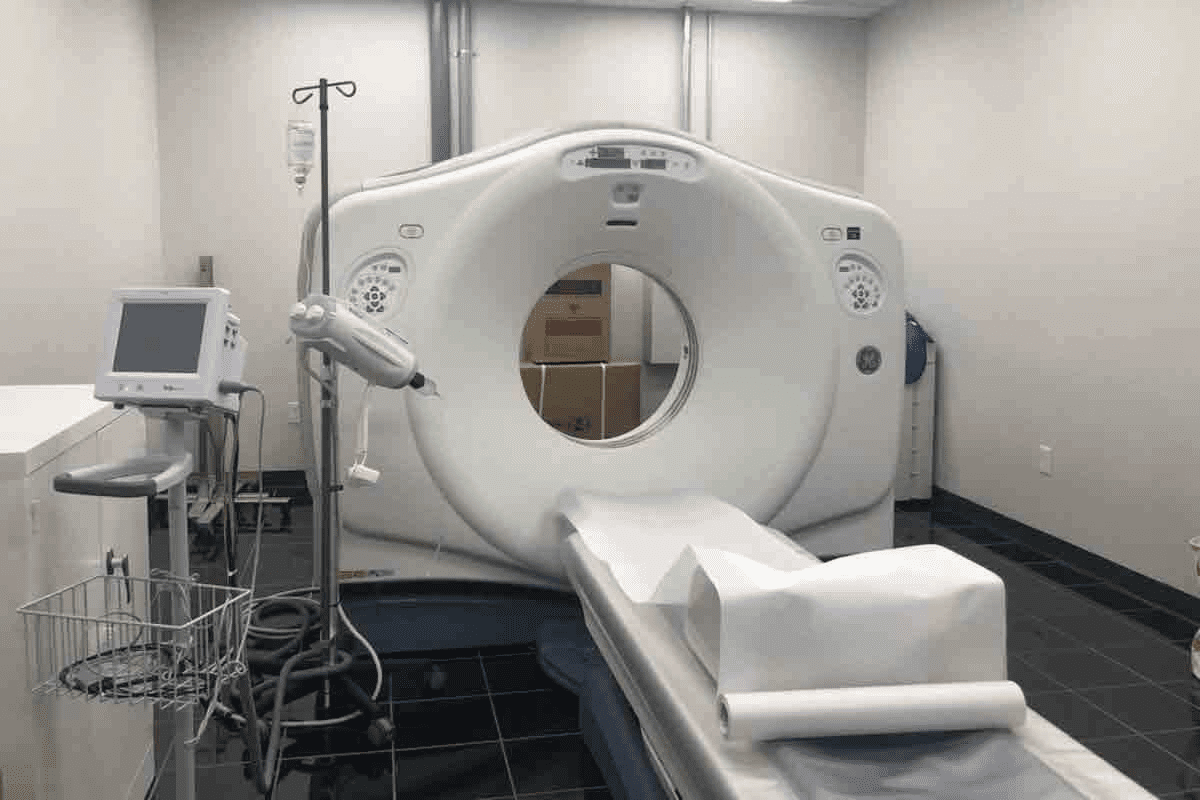
- Imaging like MRI or CT scans for brain views.
- ECG for heart health.
- Neurological tests for brain function.
A detailed check before surgery is vital “It lets us plan surgery just right for each patient.”
Patient Preparation Guidelines
Patients get clear instructions for surgery prep. These include:
- Fasting before surgery.
- Changing medications, like stopping blood thinners.
- Using special soap to prevent infection.
- Getting a ride home after surgery.
Important Questions to Ask Your Neurosurgeon
It’s also key to ask your neurosurgeon important questions. Questions might be:
- What risks and complications might there be?
- What are the surgery’s expected results and how will they be watched?
- What pain relief options will be available?
- How long will recovery take, and what support will be needed at home?
Being well-prepared and informed helps patients feel less anxious and more confident for surgery.
The Craniotomy Surgical Procedure
Craniotomy surgery is a detailed process that needs careful planning. We’ll explain the main steps of this complex operation.
Anesthesia and Positioning
The first step is giving anesthesia to keep the patient comfortable and pain-free. General anesthesia is usually used. The patient is then placed in a position that helps the surgeon reach the brain area.
The surgical team uses a Mayfield skull clamp to keep the patient’s head still during the surgery.
Skull Incision and Bone Flap Creation
After the patient is set up, the team makes a skull incision. The incision is planned to reach the brain area that needs work.
A bone flap is made by removing a part of the skull. This lets the neurosurgeon get to the brain.
Intracranial Procedure
With the bone flap off, the neurosurgeon does the intracranial procedure. This might include removing a tumor, clipping an aneurysm, or fixing damaged blood vessels.
- Microsurgical techniques are used to protect the brain tissue around the area being worked on.
- Intraoperative monitoring is used to make sure the surgery is safe and effective.
Skull Closure Techniques
After the intracranial procedure, the team starts closing the skull. The bone flap is put back and held in place with titanium plates or sutures.
The scalp incision is then closed with sutures or staples. This finishes the craniotomy surgery.
Knowing the steps of a craniotomy helps patients and their families get ready for the surgery and recovery.
Craniotomy Surgery Risks: A Comprehensive Overview
Craniotomy surgery is lifesaving but comes with risks. We’ll cover these risks, like immediate complications, anesthesia issues, infections, and brain problems.
Immediate Surgical Complications
Complications can happen during or right after surgery. These include bleeding, brain swelling, or damage to nearby brain tissue. Bleeding is a big worry because it can cause more problems. Brain swelling needs careful watching and handling.
Anesthesia-Related Risks
Anesthesia risks are also important. Patients are under general anesthesia, which has its own dangers. These include breathing problems, allergic reactions, and malignant hyperthermia, a rare but serious issue.
Infection Risks
Infections are a big risk after surgery. The surgical area and brain can get infected, leading to serious issues like meningitis or abscesses. Prophylactic antibiotics are used to lower this risk.
Neurological Complications
Neurological problems can happen because of the surgery or the condition it treats. These issues might include stroke, seizures, or brain and cognitive problems, depending on the brain area affected.
Risk Factors That Increase Craniotomy Complications
Several key factors can increase the likelihood of complications after craniotomy surgery. It’s important for patients and healthcare providers to understand these risks. This helps make informed decisions and take necessary precautions.
Age and Health-Related Factors
Age is a big factor in craniotomy complications. Older patients often have more health issues like high blood pressure, diabetes, and heart disease. These can make surgery and recovery harder. Patients over 65 years old are generally at higher risk. Also, any pre-existing brain conditions can affect outcomes.
The patient’s overall health, including nutrition and other medical conditions, is key. For example, malnourished patients or those with weak immune systems may face higher risks of infection and slow healing.
Procedure-Specific Risk Factors
The type of craniotomy procedure can also affect the risk of complications. Emergency surgeries tend to have higher risks compared to elective procedures. The location and size of the craniotomy can also impact the risk. For instance, surgeries near critical brain areas may have higher risks of neurological deficits.
The complexity of the procedure, including the need for long anesthesia or significant blood loss, can also increase risks. Surgeons and anesthesiologists must carefully plan and execute the procedure to minimize these risks.
Surgeon Experience and Hospital Volume
The experience of the neurosurgeon and the volume of craniotomy procedures at the hospital are critical. High-volume centers with experienced surgeons tend to have better outcomes and lower complication rates. Experienced surgeons are better at handling unexpected complications and have refined their techniques over time.
Hospital infrastructure and the quality of perioperative care also play significant roles. Hospitals with specialized neuro-intensive care units and multidisciplinary teams can provide better post-operative care. This reduces the risk of complications.
| Risk Factor | Description | Impact on Complications |
| Age | Patients over 65 years | Increased risk due to comorbidities |
| Health Status | Presence of comorbidities like hypertension, diabetes | Higher risk of surgical and post-operative complications |
| Procedure Urgency | Emergency vs. elective surgery | Emergency surgeries have higher risks |
| Surgeon Experience | Highly experienced surgeons | Lower complication rates and better outcomes |
| Hospital Volume | High-volume centers | Better outcomes due to specialized care and infrastructure |
Post-Operative Care Following Craniotomy
After a craniotomy, care is key to watch over the patient, manage pain, and help them move early. Good care is vital for a smooth recovery and to avoid problems.
Immediate Post-Surgical Monitoring
Patients are watched closely in the ICU after surgery. We track vital signs, brain pressure, and brain function. This helps us catch and fix any issues quickly.
Pain Management Strategies
Managing pain is a big part of care after a craniotomy. We use medicines, PCA pumps, and other methods to control pain. Our aim is to keep pain low and avoid bad side effects.
Good pain control makes patients more comfortable. It also helps them move sooner and lowers the chance of problems like blood clots and pneumonia.
Early Mobilization and Care
Moving early is important to avoid bed rest problems. We work with physical therapists and nurses to create a plan for each patient. This plan helps them move safely and effectively.
We also focus on breathing care, wound care, and nutrition. This ensures patients get all the care they need during their recovery.
Craniotomy Recovery Timeline
The journey to recovery after a craniotomy surgery is unique for everyone. Knowing the different stages of recovery helps patients and their families prepare for what’s ahead.
Hospital Stay Duration
The time spent in the hospital after a craniotomy varies. It depends on the patient’s condition and the surgery’s complexity. Patients usually stay for several days to a week or more.
While in the hospital, doctors keep a close eye on the patient. They manage pain and watch for any complications.
Short-Term Recovery Milestones (First Month)
In the first month, patients go through many changes. They may see improvements in their physical and mental health. Some common milestones include:
- Gradual improvement in neurological function
- Reduction in pain and discomfort
- Increased ability to perform daily activities
Long-Term Recovery Expectations
Recovery from a craniotomy can take months to a year or more. Patients will see continued improvement, but progress can vary.
Many factors affect long-term recovery. These include the surgery’s reason, the patient’s health, and following post-operative care.
Returning to Normal Activities
Getting back to normal activities is a big step in recovery. The time it takes varies based on the patient’s progress and the activities they want to do.
| Activity | Typical Time to Resume |
| Light household chores | 4-6 weeks |
| Driving | 6-8 weeks |
| Returning to work (sedentary job) | 8-12 weeks |
| Strenuous activities or heavy lifting | 3-6 months |
It’s crucial to follow the doctor’s advice on when to start activities again. This ensures a safe and effective recovery.
Long-Term Side Effects of Craniotomy
It’s important to know the long-term side effects of craniotomy. This surgery, which temporarily removes part of the skull, can have big effects on patients.
Cognitive and Neurological Effects
Craniotomy can lead to different cognitive and neurological issues. These might include:
- Memory problems or trouble focusing
- Changes in personality or mood
- Seizures, especially if the surgery was near brain areas that control movement or feeling
- Speech or language problems, based on the brain area affected
Cognitive rehabilitation can help manage these issues and improve life quality.
Physical Side Effects
The physical effects of craniotomy can vary a lot. Some common ones are:
- Weakness or numbness in certain body parts, depending on where the surgery was
- Pain or discomfort at the surgery site
- Changes in feeling or coordination
- Fatigue or feeling weak during recovery
Physical therapy is key to getting strength and mobility back.
Psychological Impact
The psychological effects of craniotomy are also significant. Patients might face:
- Anxiety or depression
- Fear of health problems coming back or ongoing concerns
- Changes in how they see themselves or their body
- Emotional challenges during recovery and rehab
Support from healthcare teams, family, and friends is vital in dealing with these psychological effects.
Knowing these potential long-term side effects helps patients and their families prepare. They can work closely with their healthcare team to lessen these effects.
Life Expectancy and Quality of Life After Craniotomy
Life after craniotomy surgery is complex. It affects both how long you live and the quality of your life. The outcome depends on several important factors.
Survival Rates by Condition
Survival rates after craniotomy surgery depend on the reason for the surgery. For example, patients with brain tumors have different survival rates. This depends on the type and grade of the tumor.
| Condition | 1-Year Survival Rate | 5-Year Survival Rate |
| Brain Tumor (Malignant) | 50% | 20% |
| Brain Tumor (Benign) | 90% | 80% |
| Traumatic Brain Injury | 70% | 60% |
These numbers show how important the underlying condition is for long-term outcomes.
Factors Affecting Long-Term Outcomes
Many factors influence long-term outcomes after craniotomy. These include the patient’s health, age, and any other health issues. The skill of the neurosurgical team and post-operative care are also key.
- Patient Health: Pre-existing health conditions can greatly affect recovery.
- Age: Older patients may have longer recovery times and higher risks.
- Post-Operative Care: Good care can reduce risks and improve results.
Quality of Life Considerations
Quality of life after craniotomy surgery is complex. It depends on cognitive function, physical ability, and mental well-being. Many patients see big improvements in their quality of life after surgery. This is especially true when surgery relieves pressure or removes a tumor.
We know each patient’s journey is different. Our team is dedicated to giving full support. We aim to improve outcomes and enhance quality of life.
Alternatives to Craniotomy Surgery
New medical technologies have brought about several alternatives to traditional craniotomy surgery. Craniotomy is crucial for many, but knowing the alternatives is key for patients and their families. This knowledge helps them make informed decisions about their care.
Craniotomy surgery risks, like infection and neurological damage, have led to the search for safer options. We will look at non-surgical treatments, less invasive surgeries, and watchful waiting as alternatives.
Non-Surgical Treatment Options
For some conditions, non-surgical treatments can be just as effective as craniotomy. These include:
- Medication Management: Medications can manage symptoms of brain tumors or epilepsy, sometimes avoiding surgery.
- Radiation Therapy: Stereotactic radiosurgery (SRS) and other radiation therapies target brain areas without open surgery.
- Chemotherapy: Chemotherapy can treat certain brain tumors, alone or with other treatments.
Less Invasive Surgical Alternatives
When surgery is needed, less invasive methods can be a good alternative to traditional craniotomy. These include:
- Endoscopic Surgery: Minimally invasive endoscopic procedures treat conditions like hydrocephalus or certain brain tumors.
- Stereotactic Biopsy: This technique precisely samples brain tissue for diagnosis, often avoiding large craniotomies.
- Laser Interstitial Thermal Therapy (LITT): LITT uses laser heat to destroy targeted brain tissue, like inoperable tumors or seizure foci.
When Watchful Waiting Is Appropriate
In some cases, the best choice is watchful waiting. This means closely monitoring the patient’s condition. Watchful waiting is often considered for:
- Benign Tumors: Slow-growing, benign tumors may not need immediate surgery.
- Asymptomatic Conditions: Conditions not causing symptoms may be managed without surgery.
Deciding on watchful waiting or other treatments should involve a neurosurgeon or a team. They consider the diagnosis, health, and patient preferences.
| Treatment Option | Description | Typical Indications |
| Medication Management | Use of medications to manage symptoms or treat the underlying condition. | Brain tumors, epilepsy |
| Radiation Therapy | Targeted radiation to treat tumors or lesions. | Brain tumors, certain neurological conditions |
| Endoscopic Surgery | Minimally invasive surgery using an endoscope. | Hydrocephalus, certain brain tumors |
| Watchful Waiting | Monitoring the condition without immediate intervention. | Benign tumors, asymptomatic conditions |
Conclusion: Weighing the Risks and Benefits of Craniotomy
Craniotomy surgery is a complex procedure with both risks and benefits. We’ve talked about the risks, like immediate complications, anesthesia problems, infections, and neurological issues. But for many, the benefits are worth these risks.
The surgery’s benefits are huge, especially for those with serious conditions like brain tumors or injuries. Knowing the risks and benefits helps patients choose the best treatment for them.
Deciding on craniotomy surgery should be a team effort with a skilled neurosurgeon. They consider your health and the condition you’re facing. By understanding the risks and benefits, patients can move forward with confidence.
FAQ
What is a craniotomy?
A craniotomy is a surgery where part of the skull is removed. This lets doctors access the brain. It’s used for conditions like brain tumors and injuries.
What are the risks associated with craniotomy surgery?
Risks include surgical problems, risks from anesthesia, and infections. There’s also a chance of brain damage, seizures, or stroke.
How long does it take to recover from a craniotomy?
Recovery time varies. It depends on the surgery and the patient’s health. Patients often spend weeks to months recovering, sometimes up to a year.
What are the differences between craniotomy and craniectomy?
A craniotomy removes part of the skull temporarily. A craniectomy removes part of the skull but doesn’t replace it. This is often due to swelling or high pressure.
What are the common reasons for craniotomy surgery?
Surgery is done for brain tumors, injuries, and conditions like aneurysms. It’s also used for certain types of epilepsy.
How is pain managed after craniotomy surgery?
Pain is managed with medicines and other methods. This includes relaxation techniques and positioning to reduce discomfort.
What are the potential long-term side effects of craniotomy surgery?
Long-term effects can include memory problems or weakness. There may also be headaches, fatigue, or psychological issues like anxiety or depression.
Can craniotomy surgery affect life expectancy?
The surgery’s impact on life expectancy varies. It depends on the condition, the patient’s health, and any complications. Survival rates differ based on the condition.
Are there alternatives to craniotomy surgery?
Yes, there are non-surgical treatments and less invasive surgeries. Watchful waiting is also an option, depending on the condition.
How can I prepare for craniotomy surgery?
Preparation includes medical tests and following guidelines. It’s important to ask your neurosurgeon questions. This ensures you’re well-informed and ready for the surgery.
References
National Center for Biotechnology Information. Evidence-Based Medical Insight. Retrieved from https://pubmed.ncbi.nlm.nih.gov/24521189/