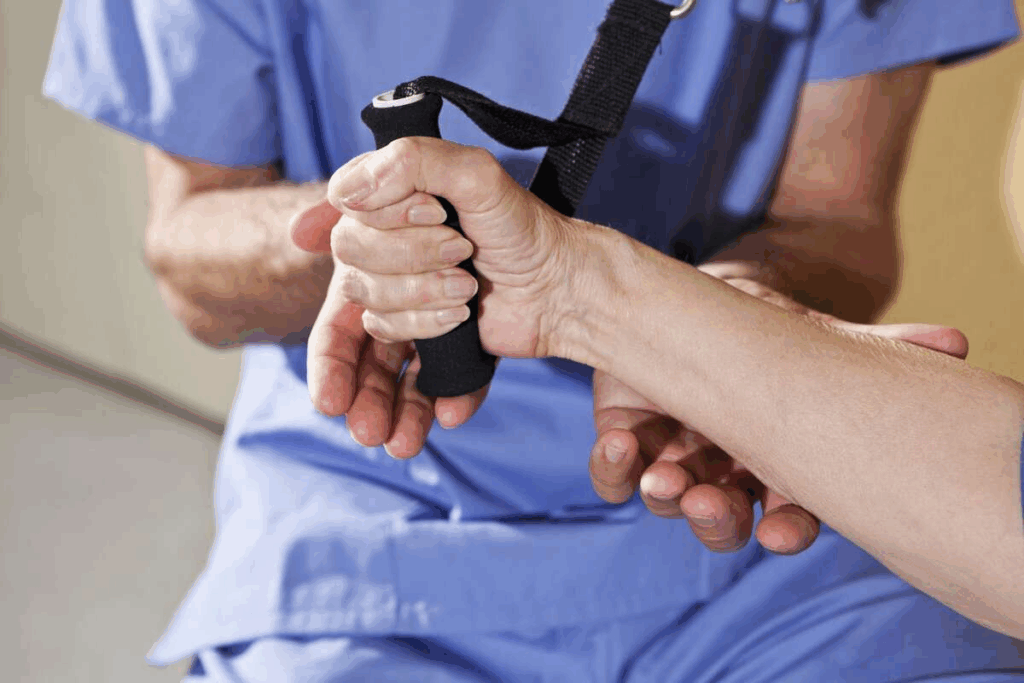
Getting your hands strong and mobile is key for living well, after injuries, surgeries, or nerve problems. At Liv Hospital, we know how vital hand rehabilitation exercises are for healing.
Comprehensive guide to performing essential hand rehab exercises after injury, surgery, or for chronic conditions.
Weak or tired hands can make simple tasks hard. But, with the right occupational therapy hand exercises, you can boost your grip and keep your hands safe.
This guide will show you how to get your hands working again. It’s for anyone recovering from arthritis, stroke, or injury. Our goal is to help you regain your independence.
Key Takeaways
- Hand rehabilitation exercises are key for getting strength and mobility back.
- Structured exercises can improve grip strength and prevent more harm.
- Our guide offers a detailed look at hand rehab exercises.
- People recovering from different conditions can benefit from these exercises.
- Liv Hospital is dedicated to top-notch rehabilitation care.
The Importance of Hand Rehabilitation
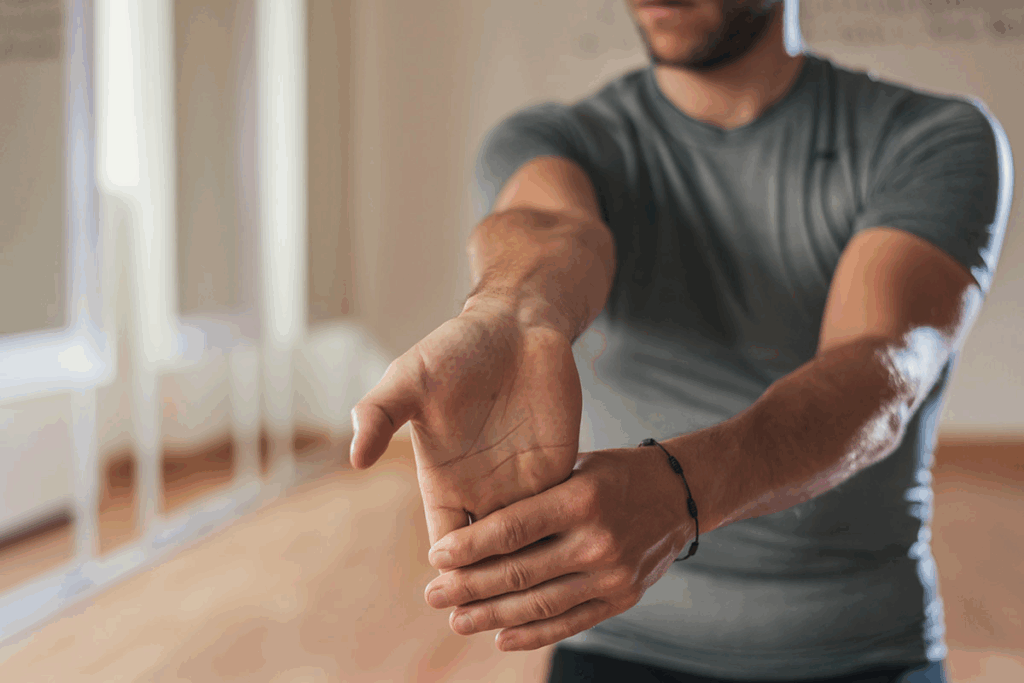
Hand rehabilitation is key for those with hand injuries or conditions. Studies show that exercise is a top choice in hand therapy. It’s important for getting hands back to normal.
Many things can cause hand weakness or pain. This includes overuse, nerve issues, arthritis, and systemic diseases. These problems not only hurt hand function but also affect life quality.
Common Conditions Requiring Hand Therapy
Hand therapy helps with many hand issues. Here are some common ones:
- Carpal tunnel syndrome: This happens when the median nerve gets pressed, causing numbness and tingling.
- Arthritis: It’s inflammation in the joints, leading to pain and stiffness.
- Tendonitis: This is inflammation of the tendons, often from too much use or strain.
- Fractures and sprains: These injuries can really hurt hand function.
The Impact of Hand Injuries on Daily Life
Hand injuries can really change daily life. They can make simple tasks like dressing or cooking hard. Even holding things can be a challenge.
Good hand rehabilitation can help a lot. It can bring back strength, dexterity, and motion. With the right exercises and therapies, people can do daily tasks again and feel better.
Scientific Benefits of Hand Rehab Exercises
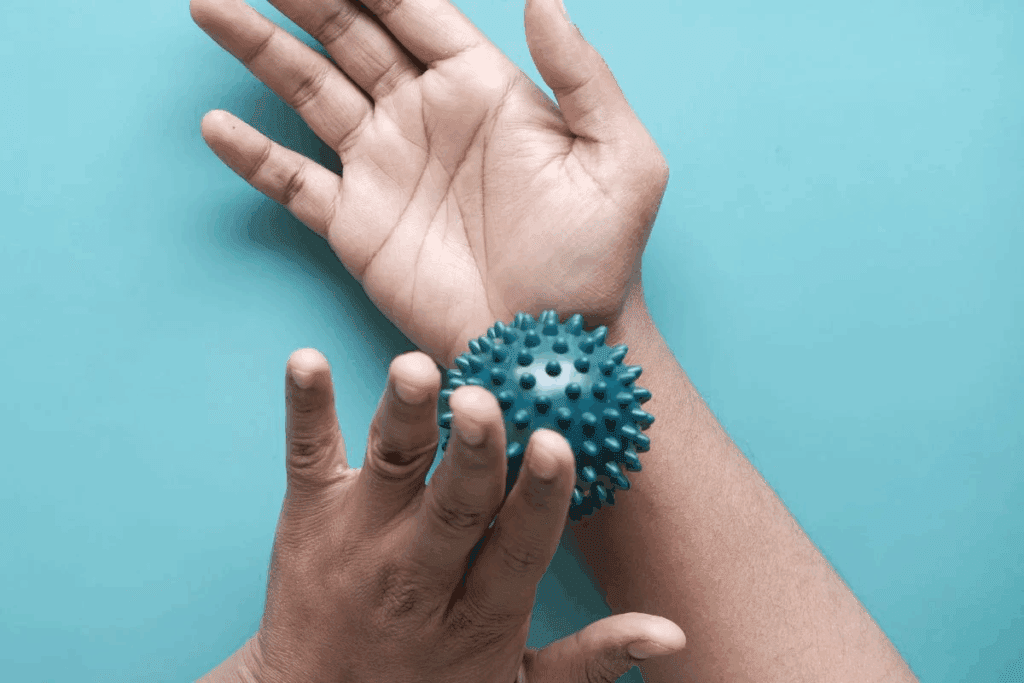
Hand rehab exercises have many benefits. They help improve grip strength, reduce joint stiffness, and boost neuroplasticity. These exercises are key to better hand function and a higher quality of life.
Research-Backed Improvements in Grip Strength
Grip strength is linked to overall health and function, more so as we get older. Studies show that regular hand exercises can boost grip strength by up to 30% in adults with arthritis. This boost is vital for doing daily tasks and staying independent.
Key Factors Influencing Grip Strength Improvement:
- Consistency of exercise
- Intensity of grip strengthening exercises
- Proper technique and form
Exercise Type | Frequency | Average Improvement |
Grip Strengthening | 3 times a week | 25% |
Resistance Band Exercises | 5 times a week | 30% |
Finger Extensions | Daily | 20% |
Reducing Joint Stiffness and Pain
Hand rehab exercises also help reduce joint stiffness and pain. Gentle exercises help keep joints flexible, lowering the chance of chronic stiffness.
Benefits of Reduced Joint Stiffness:
- Improved range of motion
- Enhanced functional ability
- Reduced pain levels
Neuroplasticity and Hand Recovery
Neuroplasticity is key in hand recovery. Exercises help the brain relearn and adapt, making up for injured areas. This is why hand rehab programs are so effective.
Neuroplasticity-Driven Recovery Techniques:
- Task-specific training
- Repetitive exercises
- Cognitive training combined with physical exercises
Understanding the scientific benefits of hand rehab exercises is important. They improve grip strength, reduce joint stiffness and pain, and aid in hand recovery through neuroplasticity. This shows how vital these exercises are in rehabilitation.
Assessment Before Starting Hand Rehabilitation
To start hand rehabilitation well, a detailed check is key. This check looks at hand strength, how well it moves, and nerve health. It helps doctors make a plan just for you.
Professional Evaluation Process
A detailed check by a doctor is very important. They look at why your hand isn’t working right. They check things like:
- Muscle strength and dexterity
- Range of motion and flexibility
- Nerve function and sensation
- Pain levels and discomfort
This check tells them if it’s a muscle, nerve, or bone problem. Then, they can make a good plan to fix it.
Self-Assessment Techniques
You can also check your hand on your own. Simple things like:
- Watching how your hand moves and if it hurts
- Testing grip strength with things you use every day
- Feeling different textures to check your sense of touch
Writing down these checks can help doctors see how you’re doing. It shows them how you’re getting better.
Setting Realistic Recovery Goals
After the check, setting goals is important. Goals should be:
- Specific and measurable
- Achievable in a certain time
- Match your daily life and needs
Goal Type | Example | Timeline |
Short-term | Improve finger dexterity | 2-4 weeks |
Long-term | Regain full grip strength | 8-12 weeks |
With clear goals and help from doctors, you can get your hand back to normal. You’ll be able to do things you love again.
Types of Hand Rehab Exercises You Should Know
Knowing the different hand rehab exercises is key for a good recovery. Hand rehab includes active, passive, and active-assisted therapy. Each type targets different muscles and can be customized for each person’s needs.
Active Exercises for Muscle Strengthening
Active exercises use your own strength. They help improve muscle strength, range of motion, and function. Examples include gripping a hand grip, bending the wrist, and straightening fingers.
Start with low resistance and increase it as your hand gets stronger. These exercises boost muscle strength, coordination, and dexterity.
Passive Exercises for Immobilized Patients
Passive exercises move your hand with help from a therapist or device. They’re great for those who can’t move their hand due to injury or cast.
These exercises keep joints mobile, reduce stiffness, and improve blood flow. They’re vital in early rehab, getting your hand ready for more active exercises.
Active-Assisted Exercises for Optimal Recovery
Active-assisted exercises mix your effort with external help. They’re good for those with some strength but need extra help.
These exercises help move from passive to active exercises. They strengthen muscles and improve joint mobility, perfect for the middle stages of rehab.
The table below shows the main features of each hand rehab exercise type:
Exercise Type | Description | Benefits |
Active Exercises | Performed by the patient using their own muscle strength | Improves muscle strength, enhances range of motion, promotes functional recovery |
Passive Exercises | Involves movement of the patient’s hand by an external force | Maintains joint mobility, reduces stiffness, promotes blood flow |
Active-Assisted Exercises | Combines patient’s active effort with external assistance | Facilitates transition to fully active exercises, promotes muscle strengthening, improves joint mobility |
Essential Equipment for Effective Hand Rehabilitation
To get the best results in hand rehab, you need the right tools. These tools make exercises more fun and effective. They help your hand heal faster.
Therapy Putty and Resistance Bands
Therapy putty and resistance bands are key for hand rehab. Putty boosts grip and finger skills. It comes in different strengths to match your progress.
Resistance bands are great for many exercises. They help with finger stretches and wrist movements.
Together, putty and bands give your hand a full workout. They improve strength and flexibility.
Finger Splints and Support Tools
Finger splints keep injured fingers or thumbs stable. They help in healing. There are static and dynamic splints for different needs.
Support tools like wrist splints are also helpful. They’re good for carpal tunnel syndrome.
These tools help in healing and reduce pain. They also prevent more injuries.
Everyday Objects for Home Exercise
You can also use everyday objects for hand rehab at home. Items like towels and rubber bands work well. They’re cheap and easy to find.
For example, a towel can help with wrist exercises. Rubber bands are great for finger exercises. These exercises are easy to do and keep you on track with your rehab.
Preparing for Your Hand Rehab Exercise Session
Starting hand rehab right is key. We know getting ready for hand rehab exercises is important for the best recovery. Here, we’ll show you how to prepare for your hand rehab session. This will help you get the most from your therapy.
Creating an Optimal Exercise Environment
A safe and comfy exercise environment is essential for hand rehab. Look for a quiet, tidy spot for your exercises. Make sure it’s well-lit and the temperature is just right to help you relax and focus.
For a better exercise space, use a chair with good back support and a table at a comfy height. Having everything you need close by makes your routine smoother.
Warm-Up Techniques for Hand Safety
Warming up before hand rehab exercises boosts circulation and lowers injury risk. Start with gentle warm-ups to get your hands ready for tougher exercises.
- Gently shake your hands to loosen them up.
- Soak your hands in warm water for a few minutes to increase blood flow.
- Perform simple finger bends and extensions to warm up your hand joints.
These warm-up techniques make your exercises safer and more effective.
Pain Management During Exercise
Pain management is a big part of hand rehab. Always watch your pain levels during exercises. If it hurts, stop right away and talk to your therapist or doctor.
To handle pain during hand rehab, try these tips:
- Begin with easy exercises and slowly make them harder.
- Take breaks to rest your hands.
- Try pain-relief methods like deep breathing or visualization.
Managing pain well makes your hand rehab sessions more comfortable and effective.
Beginner Hand Rehab Exercises for Early Recovery
Beginner hand rehab exercises are key in the early stages of recovery. They help in promoting recovery and improving hand function. Start with simple movements to avoid strain. As your hand gets stronger and more flexible, you can make the exercises more complex.
Gentle Range of Motion Exercises
Gentle range of motion exercises keep your hand flexible and prevent stiffness. These exercises involve slowly moving your fingers, wrist, and forearm. Regular practice helps prevent contractures and boosts hand mobility.
- Slowly bend the fingers down toward the palm and then straighten them.
- Gently rotate the wrist in a circular motion, first clockwise and then counterclockwise.
- Flex and extend the wrist by moving the hand up and down.
Basic Finger and Thumb Movements
Basic finger and thumb movements are vital for regaining dexterity and strength. Perform these exercises gently and within a comfortable range. It’s essential to listen to your body and stop if you experience pain.
- Spread the fingers apart as far as comfortable and then bring them together.
- Touch the tip of the thumb to each fingertip in sequence.
- Make a fist and then release, repeating the motion several times.
Simple Wrist Mobilization Techniques
Simple wrist mobilization techniques help restore wrist flexibility and strength. These exercises are vital for those with wrist injuries or surgery. Consistent practice can lead to significant improvements in wrist mobility.
- Hold the forearm steady and gently tilt the wrist up and down.
- Rotate the wrist in a circular motion, first in one direction and then the other.
- Use the other hand to gently pull the hand back and forth, stretching the wrist.
By adding these beginner hand rehab exercises to your daily routine, you can aid in early recovery and enhance hand function. Always consult with a healthcare professional before starting any new exercise program.
Intermediate Hand Rehab Exercises for Progression
As patients move forward in their hand rehab, they need more challenging exercises. These help improve grip strength, coordination, and functional movements.
Grip and Pinch Strengthening Methods
Building grip and pinch strength is key for hand function. Here are some exercises to try:
- Squeezing a hand grip strengthener for 5-10 seconds, then release and repeat for 10-15 times.
- Using therapy putty for pinch exercises between thumb and fingers.
- Doing towel curls by scrunching a towel with your fingers.
Coordination and Dexterity Drills
Hand coordination and dexterity are important for daily tasks. Try these exercises:
- Rotating a small object, like a pen, between your fingers.
- Playing finger games that need opposition and coordination, like finger opposition exercises.
- Using a pegboard to practice placing and removing pegs, improving fine motor skills.
Functional Movement Patterns
Functional movements help with everyday tasks. Examples include:
- Simulating actions like turning a key or opening a jar.
- Practice buttoning and unbuttoning a shirt.
- Using utensils like spoons or forks to pick up small objects.
These exercises boost hand function, dexterity, and coordination. They make it easier to return to daily activities.
Advanced Hand Rehab Exercises for Full Recovery
Advanced hand rehab exercises are key to getting hands back to full strength. As we move through rehab, these exercises become more critical for a complete recovery.
Resistance-Based Strengthening Techniques
Resistance-based strengthening is a big part of advanced hand rehab. We use tools like therapy putty, resistance bands, and hand grippers. These tools help boost grip and forearm strength.
For example, therapy putty exercises can include:
- Putty squeezing to improve grip strength
- Putty stretching to enhance flexibility
- Putty molding to develop fine motor skills
Exercise | Description | Repetitions |
Putty Squeezing | Squeeze therapy putty with your fingers | 10-15 |
Putty Stretching | Stretch therapy putty with your fingers | 10-15 |
Complex Fine Motor Skill Development
Complex fine motor skills are vital for daily tasks that need precision. We focus on exercises that challenge the hand and fingers to do detailed movements.
Examples include:
- Picking up small objects like coins or beads
- Manipulating small tools or utensils
- Performing complex finger movements
Task-Specific Training Approaches
Task-specific training involves practicing daily tasks or job-related functions. This helps improve hand function for real-life benefits.
Examples of task-specific training include:
- Simulating cooking or writing tasks
- Using adaptive equipment for daily activities
- Engaging in hobbies that require hand dexterity
By adding these advanced hand rehab exercises to a program, patients see big improvements in hand function and quality of life.
Occupational Therapy Hand Exercises for Daily Living
Occupational therapy hand exercises help patients do daily tasks more easily. These exercises are designed to improve hand function and dexterity. This way, people can do things that are important to their daily lives.
Activity-Based Interventions
Activity-based interventions are key in occupational therapy. They use everyday activities to improve hand function. For instance, patients might practice cooking, dressing, or gardening to boost hand strength and coordination.
This approach makes therapy more engaging and relevant. It helps patients stay motivated and focused on their recovery.
Adaptive Equipment Usage
Adaptive equipment is essential in occupational therapy hand exercises. Tools like specialized utensils and adaptive grips help patients with tasks they find hard or impossible.
Using adaptive equipment in daily routines boosts patients’ confidence and independence. It shows them they can do more on their own.
Simulating Work and Leisure Tasks
Simulating work and leisure tasks is also vital in occupational therapy. Therapists help patients practice activities they care about, like going back to work or enjoying hobbies.
This practice prepares patients for real-life situations. It helps them refine their hand skills for everyday tasks.
Tracking Progress and Modifying Your Hand Rehab Program
To get the best results in hand rehab, it’s key to check your progress often and change your exercises as needed. This helps you move forward and makes sure you’re getting better at using your hands again.
Measuring Improvement Methods
It’s important to measure how well you’re doing in hand rehab. We use grip strength measurements, range of motion assessments, and functional ability evaluations to track your progress. These tools help us see if the exercises are working and if we need to make changes.
By checking in regularly, we can also celebrate your small wins. This keeps you motivated. It helps us adjust your exercises to fit your needs better.
When to Increase Exercise Difficulty
It’s important to know when to make your exercises harder. We look for signs like increased strength, improved range of motion, and enhanced functional ability before adding more challenging exercises. It’s all about finding the right balance to keep pushing you forward without hurting your hand.
- Gradually increase resistance or repetitions as strength improves.
- Progress from simple to more complex exercises that mimic daily activities.
- Adjust the exercise program based on patient feedback and progress assessments.
Recognizing and Overcoming Plateaus
A plateau happens when you stop getting better, and you don’t see much progress. Catching this early lets us make the right changes to your exercises. To get past a plateau, we might change the exercise routine, increase intensity or frequency, or add new activities that challenge your hand in different ways.
By keeping an eye on your progress and tweaking your hand rehab program as needed, we help you get past any hurdles. This way, you can keep moving towards your recovery goals.
Conclusion
Hand rehabilitation exercises are key for those with hand injuries or conditions. A good hand rehab program helps patients regain hand function. This improves their quality of life greatly.
At TruStrength Performance and Rehab, we create custom hand strength programs. We focus on each patient’s needs, providing one-on-one sessions. We also make sure grip training is part of full-body function.
Our guide shows why hand rehabilitation is so important. It covers assessment, goal-setting, and different exercises and equipment. By using occupational therapy hand exercises and focusing on grip strength, people can recover well.
We suggest getting professional help to make a hand rehab program that fits you. The right approach and support help patients overcome hand challenges. Investing in a good hand rehabilitation program boosts hand function and overall health.
FAQ
What are hand rehab exercises, and why are they important?
Hand rehab exercises are special movements and activities. They help improve hand function, strength, and dexterity. These exercises are key for recovering from hand injuries, surgeries, or conditions like arthritis. They help patients regain mobility and perform daily tasks.
How do hand therapy exercises help with grip strength?
Hand therapy exercises, like grip strengthening and pinch exercises, boost grip strength. They target the muscles and tendons in the hand and forearm. This enhances overall hand function.
What is the role of occupational therapy in hand rehabilitation?
Occupational therapy is vital in hand rehabilitation. It focuses on activity-based interventions and adaptive equipment usage. It also includes task-specific training to help patients perform daily living activities and improve hand function.
Can hand rehab exercises reduce joint stiffness and pain?
Yes, hand rehab exercises can reduce joint stiffness and pain. They improve range of motion, strengthen surrounding muscles. This promotes flexibility and mobility in the hand and wrist.
How often should I perform hand rehab exercises?
The frequency of hand rehab exercises varies based on individual conditions and specific exercise programs. Generally, exercises should be done several times a day. Regular breaks are needed to avoid fatigue and prevent overuse injuries.
What equipment is needed for hand rehabilitation exercises?
Essential equipment for hand rehabilitation includes therapy putty, resistance bands, finger splints, and everyday objects. Examples are rubber bands and small balls for home exercises.
How do I know if I’m making progress with my hand rehab exercises?
Progress in hand rehab can be measured through regular assessments. These include grip strength, range of motion, and daily task performance. Modifying the exercise program based on these assessments can help continue improvement.
Can I do hand rehab exercises on my own, or do I need professional guidance?
While some hand rehab exercises can be done independently, professional guidance is recommended. An occupational therapist or physical therapist can create a personalized exercise program. They ensure proper technique and adjust the program as needed.
How long does it take to see improvements in hand function with hand rehab exercises?
The time to see improvements in hand function varies. It depends on the severity of the condition, exercise frequency, and individual factors. Generally, noticeable improvements can be seen within several weeks to a few months.
Are there any risks associated with hand rehab exercises?
Yes, there are risks associated with hand rehab exercises, such as overuse injuries or exacerbating existing conditions. Proper guidance, gradual progression, and listening to your body can help minimize these risks.
References
National Center for Biotechnology Information. Evidence-Based Medical Guidance. Retrieved from https://pubmed.ncbi.nlm.nih.gov/38506711/