Last Updated on November 27, 2025 by Bilal Hasdemir
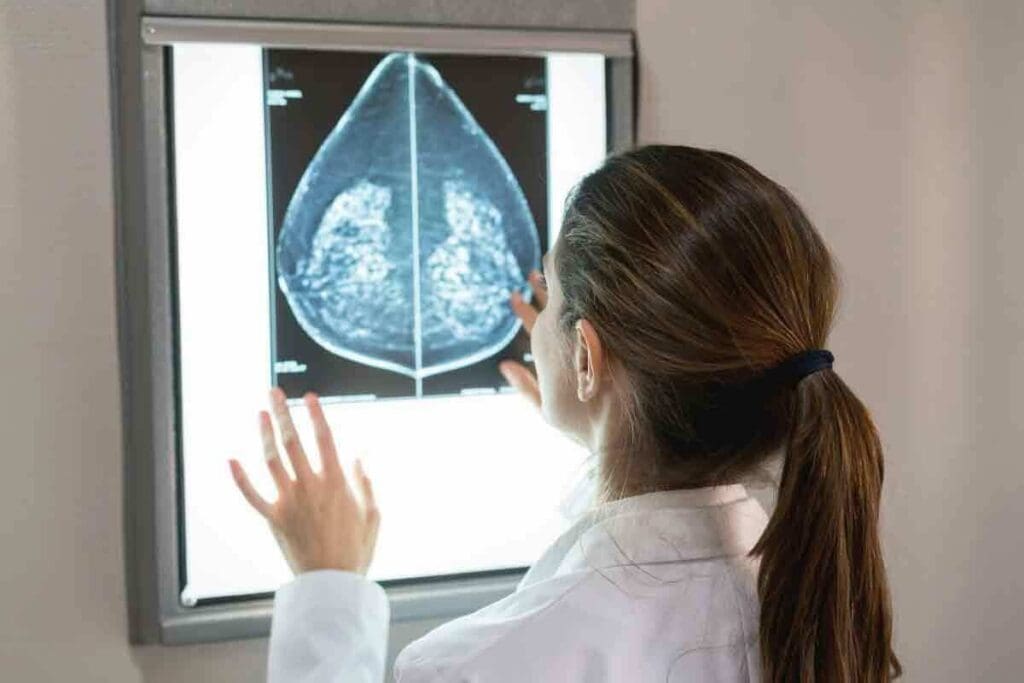
When you’re facing a possible cancer diagnosis, time is very important. CT scans for cancer detection give doctors fast and detailed images. These images help them spot problems quickly. At Liv Hospital, they follow international standards and care for you with a team of experts.
The CT scan process is quick, taking less than five minutes, but getting ready for it takes longer. The actual scan usually takes 10–30 minutes. Knowing ct scan how long results take for cancer detection can make things a bit easier.
Key Takeaways
- CT scans for cancer detection deliver detailed internal images quickly.
- The scan itself typically lasts 10–30 minutes.
- Results are usually ready within 24–48 hours.
- A CT scan helps doctors make a diagnosis and decide on treatment.
- Liv Hospital follows international standards for cancer diagnosis and treatment.
Understanding CT Scans for Cancer Detection
Cancer detection has improved a lot with CT scans. These scans use X-rays and computer technology to show detailed body images. They help find tumors and see how big they are.
What Is a CT Scan?
A CT scan is a way to see inside the body. It takes pictures from different angles and combines them into a 3D image. This helps doctors see body parts clearly, which is key for diagnosing diseases like cancer.
How CT Scans Detect Cancer
CT scans spot cancer by showing tumors and where they are in the body. They help doctors know how big and spread out tumors are. This info is vital for figuring out how serious the cancer is and planning treatment. CT scans are great for finding and understanding many cancers, like lung, liver, and pancreatic cancers.
- Identify tumors and their locations.
- Assess the size and extent of tumors
- Help in staging cancer
- Guide treatment planning
What Does the CAT in CAT Scan Stand For?
“CAT scan” and “CT scan” mean the same thing. The “CAT” in CAT scan means Computerized Axial Tomography. Today, “CT scan” is more common, but both names point to the same technology.
Knowing about CT scans and their role in finding cancer is important. This tech helps doctors diagnose cancer better and plan treatments.
The CT Scan Procedure for Cancer Screening
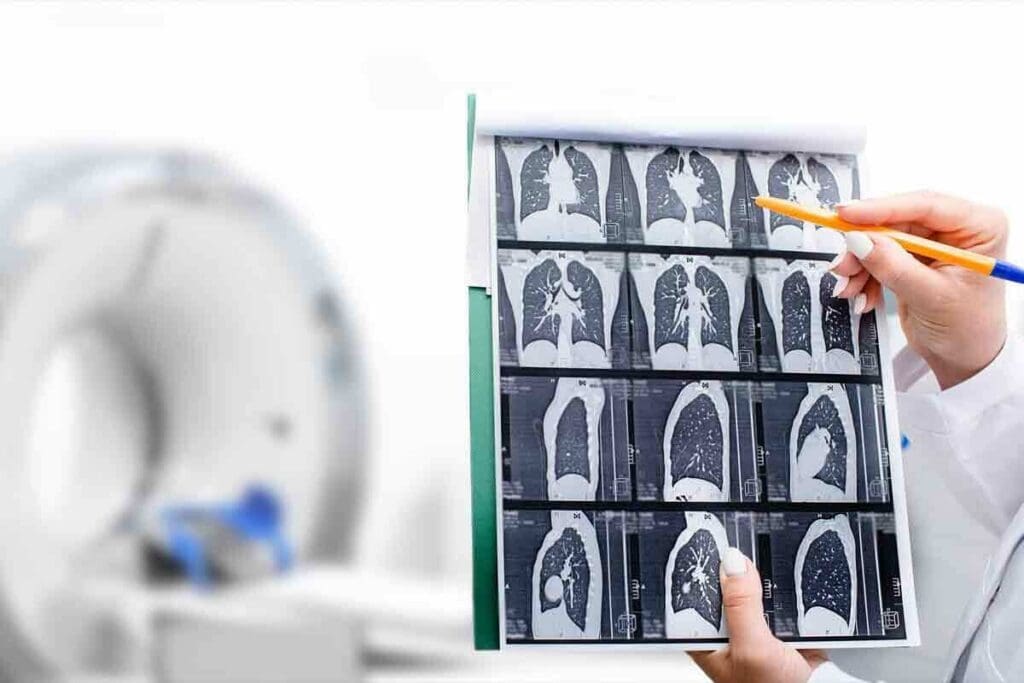
A CT scan for cancer screening is a non-invasive test. It gives important information for early cancer detection. Early detection is key to effective treatment.
Before the Scan: Preparation Requirements
Getting ready for your CT scan is important. You might need to stop eating and drinking for a few hours before. Also, remove metal items like jewelry and glasses.
Wearing a hospital gown is often required. This ensures your clothes don’t interfere with the scan.
Preparation Steps:
- Stop eating and drinking as instructed by your healthcare provider.
- Remove metal objects and wear a hospital gown if required.
- Inform your doctor about any allergies or medical conditions.
During the Scan: What to Expect
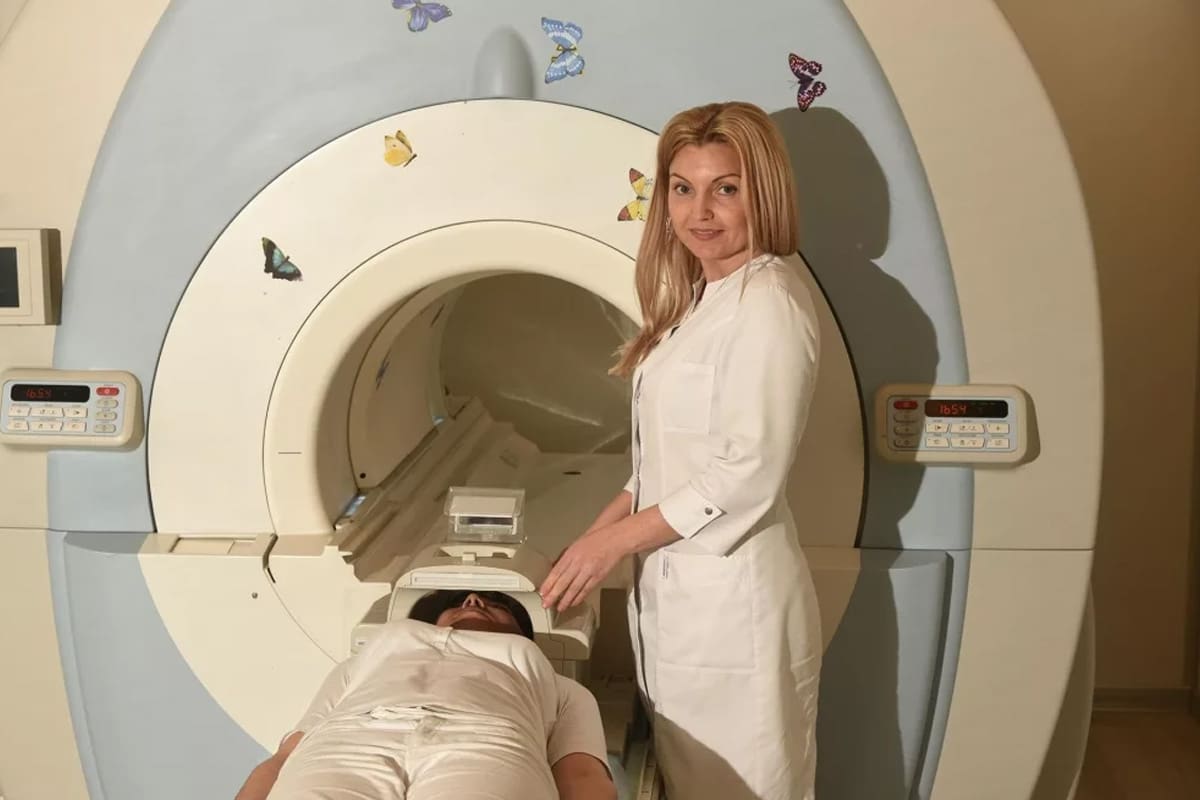
You’ll lie on a table that slides into a large machine during the scan. The scan is painless but might feel uncomfortable from lying down for a while. You’ll need to hold your breath briefly for clear images.
The scanning process is quick and easy. You can talk to the radiographer through an intercom. They will help you through each step.
Duration of the Actual Scanning Process
The actual scan takes 5 to 30 minutes. This depends on the scan’s complexity and the body area being checked. The whole process, from start to finish, might take longer. But the scanning itself is fast.
| Procedure Component | Typical Duration |
| Preparation | 15-30 minutes |
| Scanning Process | 5-30 minutes |
| Total Time | 20-60 minutes |
CT Scan: How LongDo Results Typically Take
Patients often wonder how long it takes to get CT scan results. This depends on how urgent the scan is and where it’s done. Knowing this can help ease worries and make the wait less stressful.
Standard Timeframes for Result Delivery
Usually, CT scan results are ready in 24 to 48 hours. But this can change based on how complex the scan is and how busy the radiology team is.
Emergency vs. Non-Emergency Situations
For emergencies, CT scan results can come in minutes to an hour. This quick turnaround is key for fast medical action. For non-emergency scans, it’s more like 24 to 48 hours.
Outpatient vs. Hospital Settings
The place where the CT scan is done can affect when you get the results. Outpatient places might have different times than hospitals, where results are often needed faster.
Results Timeline for Different Cancer Types
The type of cancer being checked can also affect when you get your CT scan results. Some cancers might need more detailed scans, which can make the wait longer.
Getting CT scan results is a big part of figuring out what’s going on with your health. While waiting can be tough, knowing what affects the time can help you feel more in control during this time.
Factors That Affect CT Scan Result Timeframes
Several key factors can impact how long it takes to receive CT scan results for cancer detection. Understanding these factors can help patients manage their expectations and reduce anxiety during the waiting period.
Complexity of the Scan
The complexity of the CT scan is a significant factor in determining result timeframes. Scans that require more detailed imaging, such as those involving multiple body parts or the use of contrast agents, can take longer to interpret. Complex cases require more time for radiologists to review images carefully, ensuring that all relevant information is captured and accurately diagnosed.
Radiologist Availability and Workload
The availability and workload of radiologists play a critical role in result timeframes. High-demand periods or shortages in radiologist staffing can lead to delays. Facilities with a higher volume of scans may have longer processing times due to the increased workload on radiologists.
Need for Specialist Consultation
In some cases, the need for consultation with specialist doctors can extend the result timeframe. When a radiologist identifies findings that require additional expertise, they may consult with other specialists. This collaborative approach ensures accurate diagnosis but can add to the overall processing time.
Comparison With Previous Imaging
Comparing current CT scan images with previous scans is a common practice that can affect result timeframes. This comparison is critical for tracking changes, assessing the effectiveness of treatments, and making accurate diagnoses. Retrieving and comparing previous scans can add to the overall timeframe, as it requires additional time and resources.
The following list highlights the main factors influencing CT scan result timeframes:
- Complexity of the scan
- Radiologist availability and workload
- Need for specialist consultation
- Comparison with previous imaging
According to medical professionals, “The accuracy of CT scans in cancer detection is key, and factors affecting result timeframes play a critical role in this process.”
“Timely and accurate diagnosis is vital for effective cancer treatment. Understanding the factors that influence CT scan result timeframes can help streamline the process and improve patient outcomes.”
The Process of Interpreting CT Scan Results
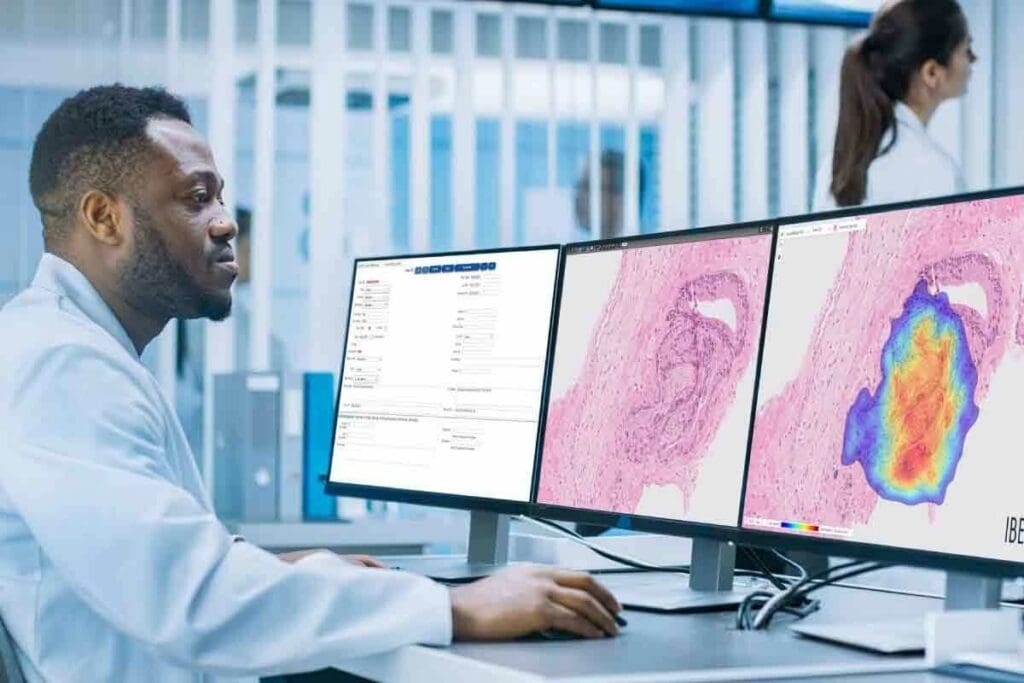
Interpreting CT scan images is a detailed task. Radiologists must carefully check the scans for any signs of disease. They look closely at the images to spot any health problems or abnormalities.
Role of the Radiologist
Radiologists are key in reading CT scans. They use their knowledge to find health issues. They examine the images for cancer signs or other problems that need more study.
The radiologist’s role involves:
- Analyzing CT scan images for abnormalities
- Identifying possible cancer signs
- Writing a detailed report of their findings
What Radiologists Look for in Cancer Detection
Radiologists search for specific signs in CT scans for cancer. They look for:
- Unusual masses or growths
- Changes in organ size or shape
- Abnormal tissue density
The accuracy of CT scans in detecting cancer depends on the radiologist’s ability to identify these signs.
Report Generation and Review
After studying the CT scan images, radiologists write a report. This report is then checked by the patient’s doctor. The doctor decides the next steps for diagnosis or treatment.
The report usually includes:
- A description of the detected abnormalities
- Recommendations for further testing or treatment
- Comparison with past imaging studies ,if there are any
Digital vs. Traditional Result Delivery Methods
How CT scan results are delivered has changed with new technology. Digital methods, like electronic health records (EHRs) and patient portals, are now common. They offer quick access to results. Yet, traditional methods, like printed reports or phone calls, are also used.
The benefits of digital result delivery include:
- Faster access to results
- Less chance of transcription errors
- More patient engagement through secure online access
Accuracy of CT Scans in Cancer Detection
CT scans are a key tool in finding cancer. But, how well they work depends on the cancer type, the scan technology, and the radiologist’s skill. They let doctors see inside the body without surgery, helping spot problems.
Types of Cancer Best Detected by CT
CT scans are great at finding and checking some cancers. They’re often used for:
- Lung cancer: They spot lung nodules and check if they’re cancerous.
- Colon cancer: They find polyps and tumors in the colon.
- Liver cancer: They find liver lesions and measure their size and location.
- Pancreatic cancer: They help find pancreatic tumors and see if they can be removed.
Table: Effectiveness of CT Scans in Detecting Various Cancers
| Cancer Type | CT Scan Effectiveness |
| Lung Cancer | Highly effective for detecting lung nodules |
| Colon Cancer | Effective for detecting polyps and tumors |
| Liver Cancer | Effective for identifying liver lesions |
| Pancreatic Cancer | Helpful in detecting tumors and assessing resectability |
Limitations and Possible False Results
Even though CT scans are very helpful, they’re not perfect. They can have:
- False positives: They might think a benign lesion is cancerous.
- False negatives: They might miss small or hidden lesions.
- Radiation exposure: CT scans use radiation, which has a small risk of causing cancer.
“CT scans are not perfect and can sometimes result in false positives or negatives, highlighting the need for careful interpretation and potentially additional diagnostic tests.”
Can a CT Scan Diagnose Cancer Definitively?
A CT scan can show strong signs of cancer, but it can’t always say for sure. The best way to confirm cancer is with a biopsy. Yet, CT scans are key in:
- Guiding biopsies: They help find the right spot for a biopsy.
- Staging cancer: They show how far the cancer has spread.
- Monitoring treatment response: They watch how the tumor changes over time.
CT Scans Without Contrast and Cancer Detection
CT scans can be done with or without contrast. Non-contrast scans are good for quick checks, like in emergencies. But scans with contrast are better at finding and understanding lesions.
In short, CT scans are a big help in finding cancer. But knowing their good and bad points is key to fotohe right diagnosis and treatment.
What Happens After Receiving CT Scan Results
When you get your CT scan results, be ready to talk about them with your doctor. It’s important to understand what the results mean for your care.
Understanding Your CT Report
Your CT scan report gives detailed information about your scan. It’s key to go over this report with your doctor. They can explain what the results mean for you.
Key components of a CT scan report include:
- Patient information and scan details
- Description of findings, including any abnormalities
- Comparisons with previous imaging if, applicable
- Recommendations for further testing or treatment
Follow-Up Procedures
After your CT scan, your doctor might suggest more tests. These could be imaging tests, biopsies, or other procedures. They help check any issues found in the scan.
| Finding | Possible Follow-Up |
| Abnormalities detected | Biopsy or additional imaging |
| No abnormalities | Routine check-ups or monitoring |
| Changes from previous scans | Further evaluation or treatment adjustments |
When Biopsy Is Necessary
If your CT scan shows something unusual, a biopsy might be needed. This means taking tissue from the area for tests.
Discussing Results With Your Healthcare Provider
Talking to your doctor about your CT scan results is very important. They can explain what the results mean and what to do next. This includes any more tests or treatment plans.
Being informed and active helps you get the right care after your CT scan.
Advanced CT Technologies for Cancer Detection
New technologies in CT scans are making cancer detection better. These advancements help doctors make more accurate diagnoses faster.
PET/CT Combined Imaging
PET/CT imaging is a big step forward in finding cancer. It combines PET and CT scans to give detailed information. This helps doctors find cancer more accurately and plan treatments better.
Key benefits of PET/CT combined imaging include:
- Improved detection of cancerous tissues
- Enhanced accuracy in tumor staging
- Better assessment of treatment response
Low-Dose CT Screening
Low-dose CT scans are great for catching cancer early, like lung cancer. They use less radiation than regular CT scans but are just as good. Research shows they can lower lung cancer deaths.
Artificial Intelligence in CT Interpretation
Artificial Intelligence (AI) is now helping with CT scan readings. AI can look at lots of data fast and spot things humans might miss. This could make diagnoses more accurate and quicker.
The role of AI in CT interpretation includes:
- Assisting radiologists in detecting abnormalities
- Providing quantitative measurements of tumor characteristics
- Prioritizing cases based on urgency
How New Technologies Affect Result Timeframes
New CT technologies are changing how fast we get results. Some, like AI, might make things faster. Others might take longer. But overall, we’re moving towards quicker and more accurate diagnoses.
The impact of new technologies on result timeframes includes:
| Technology | Potential Impact on Timeframe |
| PET/CT Combined Imaging | May require additional time for image analysis |
| AI-assisted Interpretation | Potentially reduces interpretation time |
| Low-Dose CT Screening | Generally similar to standard CT scans |
Conclusion
CT scans are key in finding cancer early. They give detailed images that help doctors make the best care plans. The results usually come in 24-48 hours, helping to start treatment quickly.
CT scans are safe and very effective for finding cancer. Knowing how long it takes to get the results is important. It helps both patients and doctors plan the next steps in fighting cancer.
New CT technologies, like PET/CT and low-dose CT, make finding cancer faster and more accurate. These advancements help doctors give better care. So, CT scans are a vital tool in the battle against cancer.
FAQ
How long does it take to get CT scan results for cancer detection?
Getting CT scan results can take anywhere from a few hours to a few days. This depends on how urgent the scan is and where it’s done.
Can a CT scan detect cancer?
Yes, CT scans are used to find cancer. They help spot tumors and see how far cancer has spread.
What does the CAT in CAT scan stand for?
“CAT” in CAT scan means “Computed Axial Tomography.”
How long does a CT scan take?
Scanning itself takes just a few minutes. But getting ready and the whole visit can take 30 minutes to an hour.
Can a CT scan diagnose cancer definitively?
CT scans can find cancer and give important ininformationBut, a final diagnosis usually needs more tests, like a biopsy.
How long to get CT scan results back?
Getting CT scan results can take different times. In emergencies, it’s hours. For non-emergencies, it’s a few days.
Will a CT scan without contrast show cancer?
Yes, a CT scan without contrast can show cancer. But, using contrast material makes some areas clearer and helps more.
What happens after receiving CT scan results?
After getting CT scan results, talk to your doctor. They’ll explain what the scan found. Then, they’ll decide what to do next, like more tests or a biopsy.
How do new CT technologies affect result timeframes?
New CT tech, like PET/CT and AI, can make scans more accurate. This might make getting results faster.
Can a CT scan detect all types of cancer?
CT scans work well for many cancers. But, they might not catch all cancers. It depends on the cancer type, where it is, and its details.
References
- NHS. (2025, April 14). CT scan. https://www.nhs.uk/tests-and-treatments/ct-scan/
- National Cancer Institute. (2025, February 17). Computed Tomography (CT) Scans and Cancer Fact Sheet. https://www.cancer.gov/about-cancer/diagnosis-staging/ct-scans-fact-sheet