Last Updated on November 27, 2025 by Ugurkan Demir

Are there cures for deviated septum at home? Learn which non-surgical remedies can manage symptoms, and when surgery is the only fix. A deviated septum happens when the thin wall between the nasal passages gets out of place. This can make breathing hard, stuff up your nose, and give you headaches. The Cleveland Clinic says this can really affect your life quality.
While surgery like septoplasty can fix it, we’ll look at effective home remedies. These can help manage symptoms without needing surgery.
At Liv Hospital, we work with patients to find the best treatment for them. Our goal is to ease your symptoms and make you feel better overall.
Key Takeaways
- Understanding the causes and symptoms of a deviated septum is key to managing it well.
- Home remedies and conservative treatments can ease symptoms.
- Liv Hospital offers personalized treatment plans for deviated septum patients.
- Non-invasive methods can be tried before surgery is considered.
- Comprehensive care is available for international patients looking for advanced medical treatments.
Understanding Deviated Septum
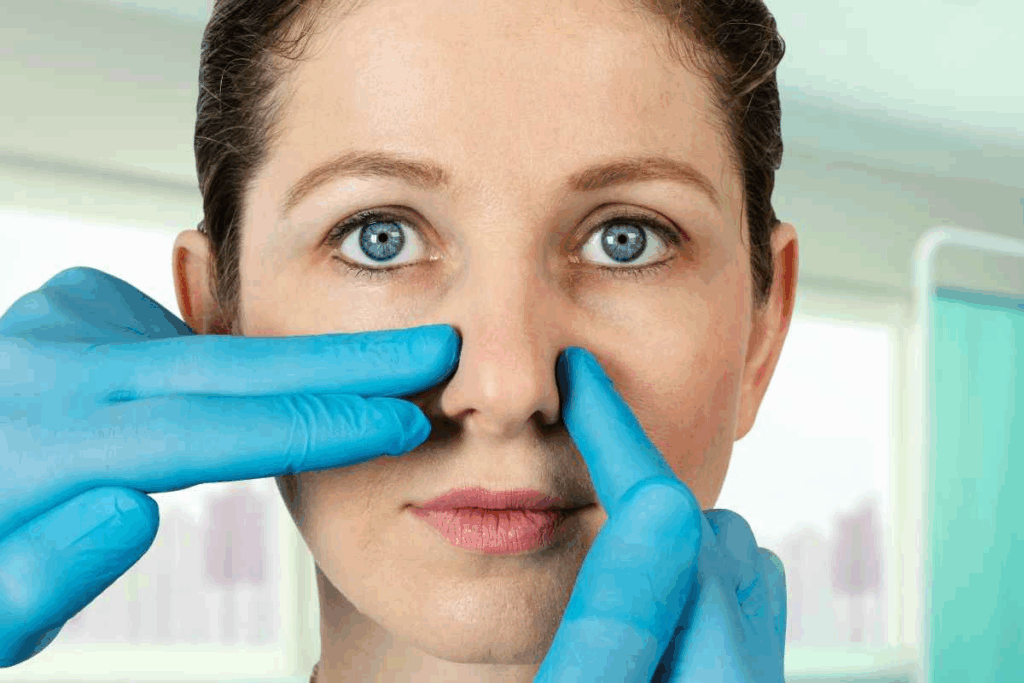
It’s important to understand what a deviated septum is for better symptom management. A deviated septum happens when the thin wall between the nasal passages shifts. This makes one side smaller than the other.
What Is a Deviated Septum?
A deviated septum means the nasal septum is off-center. This can cause breathing problems, nasal blockage, and other respiratory issues. This condition can really affect your quality of life. Knowing its causes and effects is key.
Common Causes of Septal Deviation
Studies show that a deviated septum can come from a nose injury or be there from birth. Genetic predisposition and nasal trauma are big reasons for septal deviation. Knowing these causes helps in finding the right treatment.
Prevalence and Statistics
About 70 to 80 percent of people have some septal deviation, but many don’t show symptoms. The Mayo Clinic says symptoms include nasal blockage, nosebleeds, and loss of smell. Knowing how common it is helps us see the need for good management.
We can handle a deviated septum in many ways. This includes deviated nasal septum self-care and treatment for deviated septum without surgery. Knowing these options is important for those looking for symptom relief.
Symptoms That Indicate a Deviated Septum
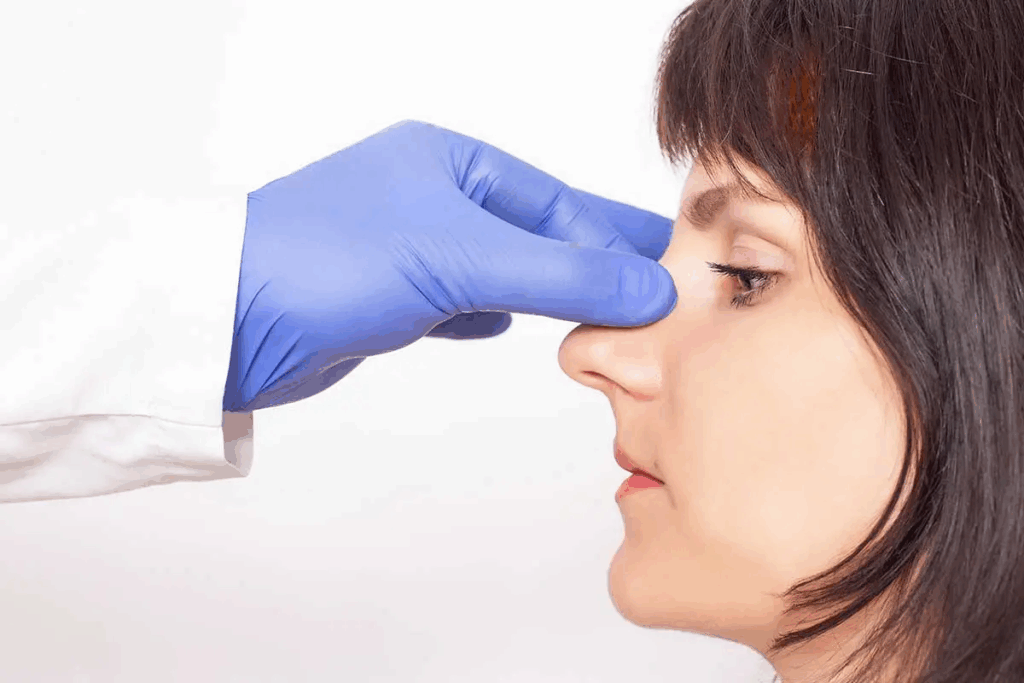
Knowing the signs of a deviated septum is key to treating it. This condition can cause anything from mild discomfort to serious health issues. Spotting these symptoms early helps find the right treatment.
Breathing Difficulties
One main sign is trouble breathing through the nose. This happens because the septum blocks one or both nasal passages. Breathing problems get worse during exercise or when you have a cold.
The American Academy of Otolaryngology says many people with a deviated septum have trouble breathing. This can lead to breathing through the mouth, causing dry mouth and other dental problems.
Nasal Congestion and Discharge
Nasal congestion and discharge are common too. A deviated septum can cause constant nasal blockage. This makes breathing hard and can lead to more nasal discharge, which might be clear or colored if you have an infection.
“Nasal congestion is a hallmark symptom of a deviated septum, often leading to discomfort and difficulty in managing daily activities.”
Facial Pain and Headaches
Facial pain and headaches are also linked to a deviated septum. The abnormal airflow and pressure can cause sinus pain and face pain. This pain often affects the nose, eyes, and forehead.
A study by the American Academy of Otolaryngology shows facial pain and headaches are common in those with a deviated septum. This highlights the need for proper diagnosis and treatment.
Symptom | Description |
Breathing Difficulties | Obstruction of nasal passages leading to difficulty in breathing |
Nasal Congestion | Chronic congestion due to deviated septum, potentially leading to increased nasal discharge |
Facial Pain and Headaches | Sinus pressure and pain caused by abnormal airflow and pressure |
Sleep Disturbances
Sleep problems are another big symptom. The breathing troubles from a deviated septum can make it hard to sleep well. This can cause daytime tiredness and other issues.
Fixing sleep problems is important for overall health. Treatments range from nasal strips to surgery, depending on how bad it is.
Medical vs. Home-Based Approaches
It’s important to know the good and bad of medical and home treatments for a deviated septum. Home remedies can help, but they have limits. Knowing when to see a doctor is key.
Limitations of Home Remedies
Home treatments can ease symptoms like nasal blockage and sinus pressure. But, they can’t fix the septum’s shape. Remember, home remedies are not a lasting fix and offer only temporary relief.
Common home remedies include rinsing your nose, using a humidifier, and sleeping in different positions. These can ease symptoms, but they don’t solve the septum problem. For example, rinsing your nose clears passages but doesn’t fix the septum.
When to Seek Medical Intervention
Knowing when to move from home remedies to medical help is important. If you have bad breathing, constant nasal discharge, or keep getting sinus infections, see a doctor. They can check how serious your case is and suggest the right treatment.
The Cleveland Clinic says some people might not need treatment for a deviated septum. But others might need surgery, like septoplasty, for lasting relief. Surgery can offer a more lasting fix for serious symptoms.
Setting Realistic Expectations
When dealing with a deviated septum, it’s important to know what to expect from treatments. Home remedies can help, but they might not solve the problem. Medical treatments, including surgery, have their own risks and benefits.
Understanding the pros and cons of home and medical treatments helps you make better choices. Talking to a healthcare professional is a big step in finding the best treatment for a deviated septum.
Nasal Medications for Symptom Relief
Nasal medications are key in easing symptoms of a deviated septum. They help with congestion, swelling, and other issues. This improves life quality for those with this condition.
Over-the-Counter Decongestants
Decongestants are used to ease nasal blockage. They shrink nasal swelling, making breathing easier. Examples include pseudoephedrine and phenylephrine, found in tablets, liquids, or sprays.
But, use them carefully. Long-term use can cause rebound congestion. This makes the nasal passages need the medication to stay open.
Nasal Steroid Sprays
Nasal steroid sprays reduce swelling and manage congestion long-term. Fluticasone and triamcinolone are examples, available by prescription or over-the-counter.
Studies show they help with allergies and have few side effects when used long-term.
Antihistamines for Allergy-Related Symptoms
Antihistamines help if allergies worsen deviated septum symptoms. They block histamine, a body substance causing allergy symptoms.
Loratadine and cetirizine are well-known over-the-counter antihistamines. They are effective against allergy-related nasal congestion.
Medication Type | Examples | Primary Use |
Over-the-Counter Decongestants | Pseudoephedrine, Phenylephrine | Relieve nasal congestion |
Nasal Steroid Sprays | Fluticasone, Triamcinolone | Reduce inflammation |
Antihistamines | Loratadine, Cetirizine | Manage allergy-related symptoms |
Nasal Irrigation Techniques
Nasal irrigation is a gentle way to ease symptoms of a deviated septum. It cleans out your nasal passages, giving you relief from congestion. We’ll look at different methods, like saline sprays and neti pots, to manage your symptoms.
Saline Nasal Sprays
Saline nasal sprays are easy to use and keep your nose moist. They’re great for dry air or when you have allergies. They help keep your nose clean and reduce stuffiness. A doctor says, “Saline sprays are a simple way to keep your nose moist and clear.”
Neti Pot Usage Guide
A neti pot rinses your nasal passages with a saline solution. Here’s how to use it:
- Fill the neti pot with a saline solution made from sterile or distilled water.
- Tilt your head to one side and pour the solution into the upper nostril.
- Allow the solution to flow out of the other nostril.
- Repeat on the other side.
It’s important to use sterile or boiled water to avoid infection. A doctor advises, “Using boiled and cooled water in a neti pot greatly lowers the risk of infection.”
Nasal Irrigation Safety Tips
To safely use nasal irrigation, remember these tips:
- Use sterile or distilled water for the saline solution.
- Clean and dry the neti pot after each use.
- Replace the neti pot regularly.
“Proper hygiene and maintenance of nasal irrigation devices are key to avoiding infections.”
By following these safety tips, you can enjoy the benefits of nasal irrigation safely.
Mechanical Methods to Improve Airflow
Mechanical methods are a non-invasive way to boost airflow for those with a deviated septum. They help manage symptoms and improve life quality.
Nasal Dilator Strips
Nasal dilator strips are a simple, non-invasive solution. They are applied externally to the nose. They gently open the nasal passages, improving airflow.
Nasal dilator strips are great for sleep or exercise when breathing is harder.
External Nasal Dilators
External nasal dilators are placed on the nose’s bridge. They open the nasal passages. They are available over-the-counter and come in various sizes.
These dilators are effective for those with nasal congestion due to a deviated septum.
Internal Nasal Dilators
Internal nasal dilators are inserted into the nostrils. They keep the nasal passages open from the inside. They are available in different types, including custom-fitted ones.
Internal nasal dilators offer significant relief for severe nasal obstruction.
To better understand the differences and benefits of these mechanical methods, let’s compare their key features:
Device Type | Application | Benefits |
Nasal Dilator Strips | External, adhesive strips | Easy to use, non-invasive, improves airflow during sleep or exercise |
External Nasal Dilators | Placed on the bridge of the nose | Available OTC, various sizes, effective for nasal congestion |
Internal Nasal Dilators | Inserted into the nostrils | Provides significant relief for severe nasal obstruction, available in custom-fitted options |
Understanding the different mechanical methods helps those with a deviated septum make informed choices. It’s key to talk to a healthcare professional to find the best device for your needs.
Effective Cures for Deviated Septum Symptoms
A deviated septum can really affect your life. There are many ways to handle its symptoms. You can try different strategies, make lifestyle changes, and sometimes, you might need medical help.
Pain Management Strategies
There are ways to manage pain from a deviated septum. You can take over-the-counter pain relievers like ibuprofen or acetaminophen. These can help with headaches and facial pain. Always follow the dosage and talk to a doctor if the pain doesn’t go away.
Pain Relief Options:
- Ibuprofen
- Acetaminophen
- Prescription pain relievers (for severe cases)
Humidification Methods
Using a humidifier can help with dryness in your nose. This makes symptoms easier to handle. Keeping the air in your home moist is key.
“Humidifiers add moisture to the air, which can help soothe the nasal passages and reduce congestion.”
There are cool mist and warm mist humidifiers to choose from. It’s important to clean your humidifier often to avoid bacteria.
Humidifier Type | Benefits |
Cool Mist | Suitable for warm climates, can be safer around children |
Warm Mist | Can help relieve congestion, may be more effective in cold climates |
Positional Therapy for Better Breathing
Positional therapy helps you breathe better by changing how you sleep. Sleeping on your side with a pillow or raising your bed’s head can help. This reduces nasal congestion.
Using a wedge pillow or raising your bed’s head can also help. It reduces nasal congestion and improves airflow.
Breathing Exercises and Techniques
If you have a deviated septum, special breathing techniques can help a lot. These exercises can make breathing easier and strengthen the muscles you use to breathe.
Nasal Breathing Retraining
Nasal Breathing Retraining helps you breathe normally through your nose again. It’s about paying attention to how you breathe and making it better.
Steps for Nasal Breathing Retraining:
- Notice how you breathe, whether it’s through your nose or mouth.
- Try to breathe through your nose, even when you’re stressed or exercising.
- Use a nasal strip or dilator to open your nasal passages and breathe easier.
Alternate Nostril Breathing
Alternate Nostril Breathing is a yoga method that balances your breathing and lowers stress. It’s done by breathing through one nostril and then the other.
How to Practice Alternate Nostril Breathing:
- Sit up straight.
- Close your right nostril with your thumb and breathe in through your left.
- Close your left nostril with your ring finger and breathe out through your right.
- Breathe in through your right nostril, close it, and breathe out through your left.
- Keep switching and repeat several times, starting with your left nostril.
Diaphragmatic Breathing for Improved Airflow
Diaphragmatic Breathing, or belly breathing, uses your diaphragm to improve lung capacity and reduce stress. It’s great for people with a deviated septum.
Technique for Diaphragmatic Breathing:
- Lie on your back with your knees bent and feet flat.
- Put one hand on your belly and the other on your chest.
- Breathe in deeply through your nose, letting your belly rise while your chest stays steady.
- Breathe out slowly through your mouth, letting your belly fall.
Adding these breathing exercises to your daily routine can help improve your symptoms and life quality.
Breathing Technique | Benefits | How to Practice |
Nasal Breathing Retraining | Improves nasal airflow, strengthens nasal breathing muscles | Practice nasal breathing, use nasal strips or dilators |
Alternate Nostril Breathing | Balances breathing, reduces stress | Close one nostril, breathe through the other, then switch |
Diaphragmatic Breathing | Improves lung capacity, reduces stress | Lie on your back, inhale deeply through your nose, allowing your belly to rise |
Lifestyle Modifications to Reduce Symptoms
Living with a deviated septum can be tough, but making lifestyle changes can help. Simple adjustments in daily life can ease discomfort. This makes it easier to cope with the condition.
Environmental Adjustments
Making environmental changes is key to managing symptoms. Stay away from things like pollen, dust mites, and smoke. Studies show that avoiding allergens and irritants helps manage symptoms.
Using air purifiers and keeping your living space clean also helps. These steps can reduce nasal congestion and other issues.
Dietary Considerations
Your diet is important for health, and it can help with a deviated septum. Eating foods that fight inflammation, like omega-3 rich foods and antioxidant-rich fruits and vegetables, is good. Drinking lots of water also helps keep your nasal passages moist and reduces congestion.
“A healthy diet rich in fruits, vegetables, and whole grains can help reduce inflammation and promote overall well-being.”
Sleep Position Optimization
Your sleep position can affect breathing with a deviated septum. Sleeping on your side can make congestion worse. But, elevating the head with an extra pillow can help airflow.
Try different sleep positions and use supportive pillows. This can help manage symptoms at night.
Physical Activity Recommendations
Regular exercise is good for health and can help with deviated septum symptoms. Yoga and breathing exercises are great because they promote nasal breathing and improve lung capacity. But, avoid hard activities that might make congestion worse or trigger allergies.
By making these lifestyle changes, people with a deviated septum can feel better. They can enjoy a better quality of life.
Conclusion: Managing Your Deviated Septum Long-Term
Managing a deviated septum long-term needs a mix of self-care and medical help when needed. Knowing the causes and symptoms helps people take action to manage their condition. This can greatly improve their life quality.
Home remedies and some treatments can help a lot. Using nasal irrigation, devices to help breathing, and doing breathing exercises can help. Also, making changes in your environment and how you sleep can help manage symptoms better.
The Cleveland Clinic says it’s important to manage symptoms and might need medical help. By taking a full approach to self-care, people can lessen their symptoms and feel better. It’s a long-term effort, but with the right steps, people can find relief and better health.
FAQ
What is a deviated septum?
A deviated septum is when the thin wall between the nasal passages is off-center. This makes one side smaller than the other.
Can a deviated septum be treated without surgery?
Yes, mild to moderate cases can be treated without surgery. Home remedies and lifestyle changes can help manage symptoms.
How can I fix a deviated septum at home?
To manage symptoms at home, use nasal medications and irrigation. Also, try mechanical devices, breathing exercises, and lifestyle changes.
What are some effective home remedies for a deviated septum?
Good home remedies include saline sprays, neti pots, and nasal dilators. Humidifiers and breathing exercises like nasal breathing retraining also help.
Can nasal irrigation help with a deviated septum?
Yes, it can clear your nasal passages. This reduces congestion and improves breathing for those with a deviated septum.
Are there any medications that can help alleviate deviated septum symptoms?
Yes, you can use over-the-counter decongestants, nasal steroid sprays, and antihistamines. They help with congestion, inflammation, and allergies.
How can I improve my breathing with a deviated septum?
Improve breathing with nasal breathing retraining and dilators. Diaphragmatic breathing and lifestyle changes like better sleep and a healthy environment also help.
Can a deviated septum cause sleep disturbances?
Yes, it can cause nasal congestion and breathing problems. This leads to snoring and sleep apnea.
Are there any dietary changes that can help manage deviated septum symptoms?
While diet doesn’t fix a deviated septum, eating healthy can help. Focus on fruits, vegetables, and omega-3 fatty acids to reduce inflammation.
How can I manage pain associated with a deviated septum?
Use over-the-counter pain relievers and warm compresses. Deep breathing and meditation can also help manage pain.
Can physical activity help alleviate deviated septum symptoms?
Yes, regular exercise improves health. It can help by promoting nasal drainage and better breathing.
Is it possible to prevent a deviated septum?
Some cases are genetic, but preventing nasal trauma and managing allergies can help. This reduces the risk of a deviated septum or worsening symptoms.
References
- American Academy of Otolaryngology—Head and Neck Surgery. (n.d.). Tonsillectomy. Retrieved from https://www.enthealth.org/be_ent_smart/post-tonsillectomy-pain-management-for-children-education-for-caregivers/