Last Updated on December 2, 2025 by Bilal Hasdemir
Having bladder surgery can worry patients a lot. They often wonder how long they’ll stay in the hospital. The time you spend in the hospital depends on the type of surgery and how complex it is.
A radical cystectomy, which means removing the bladder, usually takes longer. Studies show that such big surgeries keep patients in the hospital for 4-10 days. Some patients might go home by the fourth day, thanks to new recovery methods.

Things like your age, health problems, and any surgery issues can also affect how long you stay. Knowing about these things and what your surgery involves can help you get ready for your hospital time and recovery.
Key Takeaways
- The length of hospital stay after bladder surgery varies based on the type and complexity of the procedure.
- A radical cystectomy typically requires a longer hospital stay.
- Enhanced recovery protocols can facilitate discharge by the fourth postoperative day.
- Factors like age and comorbidities can influence hospitalization duration.
- Understanding the surgery and recovery process helps patients prepare.
1. Understanding Different Types of Bladder Surgery
It’s important to know about the different bladder surgeries to estimate how long you’ll stay in the hospital. Bladder surgery covers many procedures, from simple to complex ones.
There are several types of bladder surgery, each with its own recovery time and hospital stay. The type of surgery you have affects how long you’ll be in the hospital.
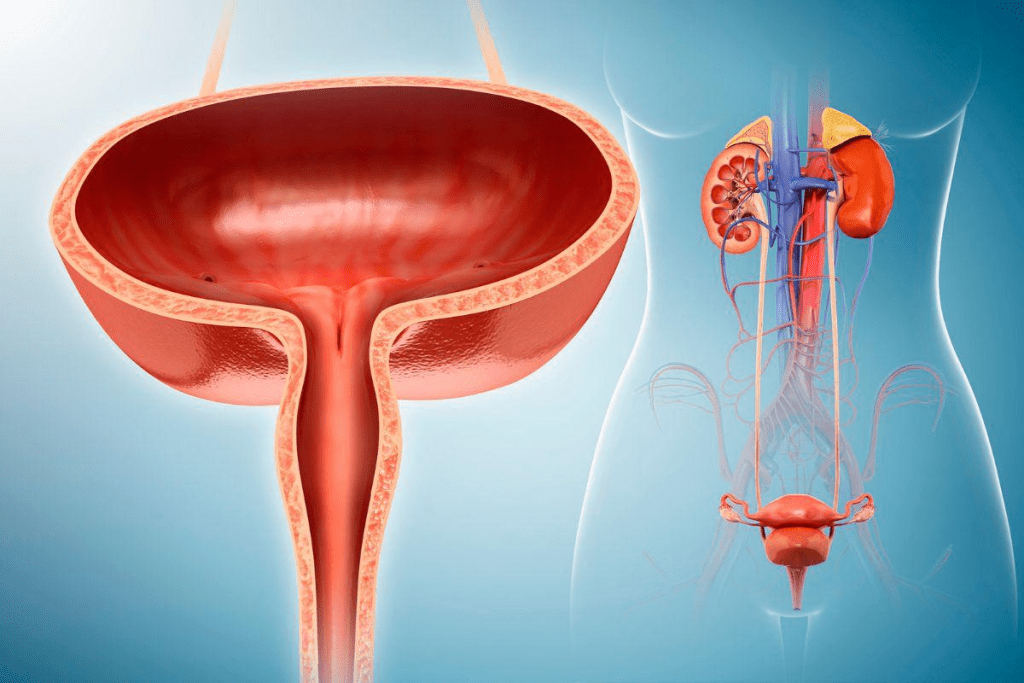
Transurethral Procedures: Shortest Hospital Stays
Transurethral procedures are less invasive, leading to shorter hospital stays. They access the bladder through the urethra, without making external cuts. This means less trauma and quicker recovery, usually within a day or two.
Partial Bladder Removal: Moderate Recovery Time
Partial bladder removal, or partial cystectomy, takes out the diseased part of the bladder. It needs a moderate recovery time, usually 3 to 5 days in the hospital. The exact time depends on your health and any complications.
Radical Cystectomy: Extended Hospitalization
Radical cystectomy is a complex surgery that removes the bladder and sometimes other organs. It requires a longer hospital stay, often 5 to 14 days or more. This is because it’s a major operation, often for bladder cancer, and needs careful care after.
2. Typical Hospital Stay Duration by Procedure
The time you spend in the hospital after bladder surgery depends on the procedure. Knowing how long each surgery usually takes can help you prepare for your recovery.
TURBT: Same-Day to 48-Hour Stays
Transurethral Resection of Bladder Tumor (TURBT) is a quick procedure. Most patients have it done as an outpatient or stay for less than 48 hours. This is because TURBT is less invasive, leading to faster recovery times.
Partial Cystectomy: 3-5 Day Hospitalization
Partial cystectomy removes part of the bladder. This surgery needs a longer hospital stay, usually 3 to 5 days. The extra time lets doctors watch over you, manage pain, and handle any immediate issues.
Radical Cystectomy and Urinary Diversion: 4-10 Day Average
Radical cystectomy, with urinary diversion, is a complex surgery. It removes the bladder and creates a new way for urine to leave the body. The average stay is 4 to 10 days. This longer time is needed for the extensive surgery recovery, to watch for complications, and to start adjusting to the new urinary system.
Many things can affect how long you stay in the hospital, like your health, any complications, and the type of urinary diversion. Patients and their families should be ready for different hospital stays based on their situation.

Talking to your healthcare provider about your situation is key. This way, you can understand what to expect during your hospital stay. Being informed helps you prepare for recovery and any needed changes after bladder surgery.
- TURBT: Often same-day or up to 48 hours
- Partial Cystectomy: Typically 3-5 days
- Radical Cystectomy with Urinary Diversion: Average stay of 4-10 days
Knowing these general guidelines helps manage your expectations and makes recovery smoother.
3. Key Factors That Extend Your Hospital Stay After Cystectomy
The time you spend in the hospital after a cystectomy depends on several important factors. Knowing these can help both patients and doctors get ready for what comes after surgery.
Patient Demographics and Pre-existing Conditions
Who you are and any health issues you have can affect how long you stay in the hospital. Older age and female gender often mean longer stays. Also, conditions like heart failure or bleeding disorders can make recovery harder, leading to longer hospital stays. “Having other health problems can really slow down how fast you get better,” notes a top urologist.
Surgical Complications and Their Impact
Problems during surgery are another big factor in how long you stay in the hospital. Issues like infections, bleeding, or problems with urinary diversion can slow down your recovery. A study in the Journal of Urology found that these complications often lead to longer hospital stays.
“Surgical complications not only affect the patient’s recovery but also impact the overall cost of care.” -A Urologist
Type of Urinary Diversion Performed
The method used for urinary diversion during radical cystectomy also matters. Living without a bladder is possible, but the method used can affect your life and recovery. Different approaches, like ileal conduit or neobladder, have different recovery times and risks.
Understanding these factors can help patients prepare for their hospital stay and recovery. It’s key for doctors to talk about these with patients to manage expectations.
4. Enhanced Recovery Protocols Shortening Hospital Stays
Enhanced recovery protocols are making hospital stays shorter for patients having bladder surgery. These methods are based on solid evidence. They aim to improve patient outcomes and cut down on complications after surgery.
Pre-Surgery Optimization Strategies
Getting ready for surgery is key to enhanced recovery protocols. This means giving patients nutritional support to keep them healthy. It also includes managing other health issues to lower the risk of problems.
By getting patients ready well before surgery, doctors can help them stay in the hospital for less time.
- Nutritional counseling to optimize patient health before surgery
- Management of chronic conditions such as diabetes and hypertension
- Smoking cessation programs to reduce surgical risks
Modern Pain Management Approaches
Modern pain management is vital in enhanced recovery protocols. It helps patients recover faster and move around sooner. This is done through multimodal analgesia, which uses different pain medicines to cut down on opioid use.
- Use of non-opioid pain medications to reduce opioid dependency
- Regional anesthesia techniques to minimize postoperative pain
- Personalized pain management plans tailored to individual patient needs
Early Mobilization and Nutrition Programs
Getting patients to move early and providing good nutrition are key parts of enhanced recovery protocols. Moving early helps prevent problems like blood clots and speeds up healing. Good nutrition after surgery also helps recovery and lowers the chance of complications.
Multidisciplinary Care Team Benefits
A team of different healthcare professionals is vital for enhanced recovery protocols. This team includes doctors, anesthesiologists, nurses, and more. They work together to give patients the best care possible.
By focusing on all aspects of a patient’s needs, these teams help patients recover faster. This can lead to shorter hospital stays.
5. Conclusion: Preparing for Your Hospital Discharge
When patients get ready to leave the hospital after bladder surgery, getting ready is very important. It helps make the bladder surgery recovery easier. It’s key to understand the postoperative care instructions well.
Good care means taking care of the wound and using urinary diversion devices like a bladder bag correctly. Patients need to know the signs of problems and when to get help. This helps avoid issues with diversion of urine.
Going to follow-up appointments with doctors is also very important. It helps keep an eye on how well you’re recovering. Being ready and informed helps patients get through their recovery better. It also lowers the chance of problems and makes the outcome better.
FAQ
How long does a typical hospital stay last after bladder surgery?
The time you spend in the hospital after bladder surgery depends on the type of surgery. For example, a radical cystectomy might keep you in the hospital for 4-10 days. On the other hand, less complex surgeries like TURBT might let you go home the same day or within 48 hours.
What factors influence the duration of hospital stay after cystectomy?
Several things can affect how long you stay in the hospital. These include your age, gender, any health issues you have, and how well the surgery goes. The kind of urinary diversion used during the surgery also plays a role.
Can enhanced recovery protocols reduce hospital stays after bladder surgery?
Yes, they can. Enhanced recovery protocols (ERPs) help make surgeries like radical cystectomy less stressful. They include steps like getting ready for surgery, managing pain well, moving early, and eating right. All these help patients recover faster and stay in the hospital for less time.
How does the type of urinary diversion affect recovery and hospital stay?
The urinary diversion method used in radical cystectomy can change how you recover and how long you stay in the hospital. Some methods might cause more problems or need more care. It’s important to manage urinary tract diversion well to keep patients comfortable and avoid complications.
What should patients expect during their hospital stay after bladder surgery?
After bladder surgery, you’ll wake up in the recovery room with a nurse watching over you. Once you’re stable, you’ll move to a ward. The hospital stay length depends on the surgery. You’ll need to follow care instructions, including wound care and managing any urinary devices.
Is it possible to live without a bladder, and what are the implications for recovery?
Yes, living without a bladder is possible. But the urinary diversion method used can greatly affect your quality of life and recovery. It’s important to know the signs of complications and when to get medical help to ensure a smooth recovery.
How long does it take to recover from bladder surgery at home?
Recovery time at home varies based on the surgery and individual factors. It’s important to give yourself time to heal and follow the care instructions given. This helps reduce the risk of complications and improves your recovery.
References
- Ma, X., Wang, J., Sun, Q., et al. (2023). Preoperative predictors of prolonged length of stay in radical cystectomy: A retrospective study. PMC “ PubMed Central. https://pmc.ncbi.nlm.nih.gov/articles/PMC10413889/