Last Updated on November 25, 2025 by
After having bladder removal surgery, also known as radical cystectomy, many wonder if they’ll need to wear a urinary bag forever. The answer depends on the type of urinary diversion done during surgery.
Wearing a urinary bag can be a big worry for patients. Luckily, not all urinary diversions mean you’ll need a bag. The choice of diversion depends on your health and the surgery’s extent.
Key Takeaways
- The need for a urinary bag after bladder removal surgery depends on the type of urinary diversion.
- There are different types of urinary diversions, and some do not require wearing a bag.
- The choice of urinary diversion is based on individual patient factors.
- Advanced care options are available to help patients regain quality of life after surgery.
- Hospitals like Liv Hospital are setting new standards in care for patients undergoing bladder removal surgery.
What Happens During Radical Cystectomy
Bladder cancer treatment often involves radical cystectomy. This is when the bladder is removed and a new way to pass urine is created. The surgery is complex and needs a detailed plan to remove the bladder and create a new urinary system.
The Bladder Removal Surgical Procedure
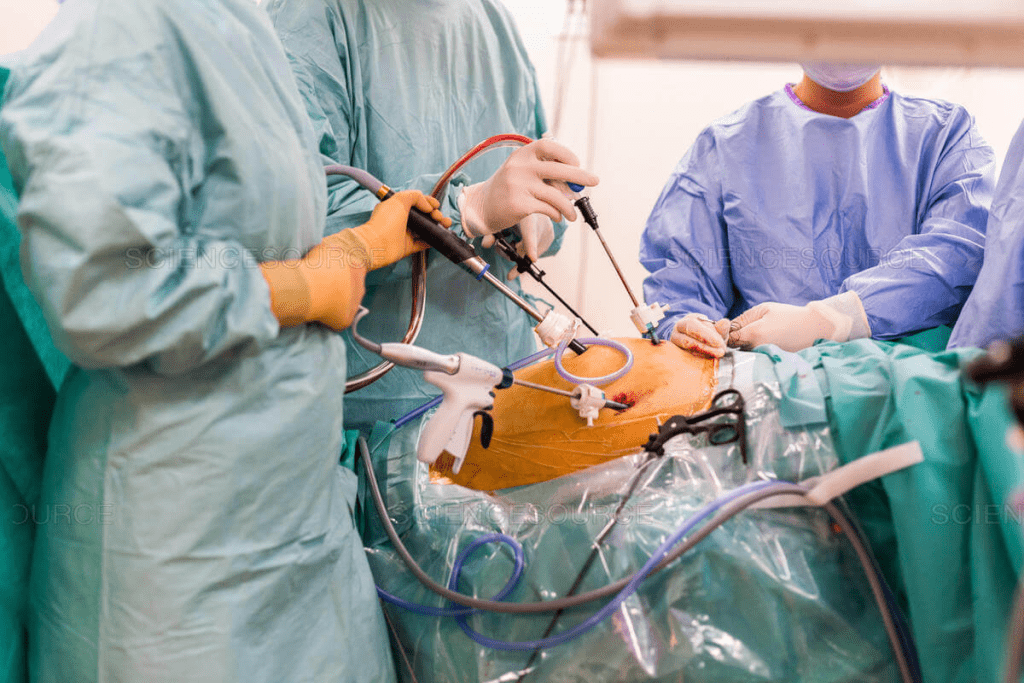
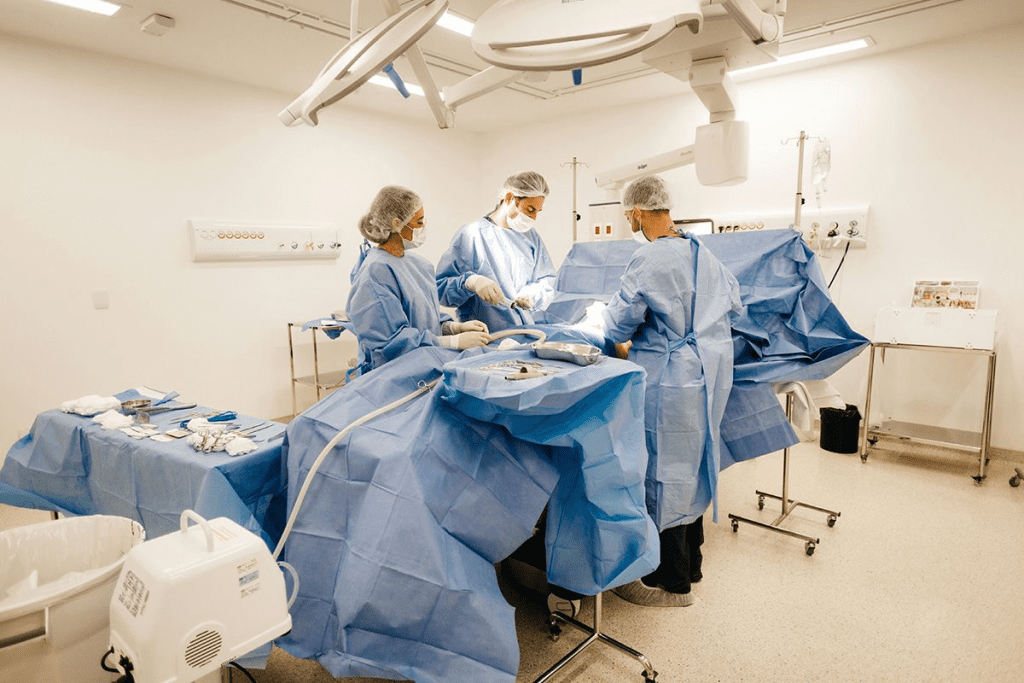
During a radical cystectomy, the surgeon takes out the bladder and nearby tissues and organs. For men, this might mean removing the prostate and seminal vesicles. For women, it could involve taking out the uterus, ovaries, and part of the vagina. The surgery is done under general anesthesia and can take several hours.
Thinking about such a big surgery can be scary. But our team is here to support you every step of the way.
Why Urinary Diversion Becomes Necessary
After the bladder is gone, the body needs a new way to store and pass urine. This is done through urinary diversion. The method used depends on the patient’s health, the cancer’s extent, and personal choices.
About 70-80% of patients get an ileal conduit. This is a type of urinary diversion that uses a piece of the intestine to divert urine. It requires a permanent external urostomy bag.
Survival Rates After Radical Cystectomy
Survival rates after radical cystectomy depend on the cancer’s stage. Patients with early-stage cancer usually have better survival rates. Studies show that the 5-year survival rate can be between 50% to 70% or more, based on the cancer stage and other factors.
We stress the importance of follow-up care and monitoring after surgery. This helps ensure the best possible outcome.
Types of Urinary Diversion Procedures
Urinary diversion procedures are key after bladder removal surgery. They help manage urine in different ways. We’ll look at the main types, their benefits, and challenges.
Ileal Conduit Diversion
The ileal conduit diversion is used in 70-80% of cases. It makes a new path for urine from the kidneys to the outside. This path is made from the intestine and connects to the ureters.
Key aspects of ileal conduit diversion include:
- Simpler surgery than other options
- No need for catheters
- Requires an external urostomy bag
erroneous image’
Continent Cutaneous Reservoirs
Continent cutaneous reservoirs make a pouch from intestine. This pouch stores urine, which is drained through a catheter. It offers control over urine and might avoid the need for an external bag.
Characteristics of continent cutaneous reservoirs:
- Requires catheterization for urine drainage
- Offers control over urine
- May reduce need for external bag
Orthotopic Neobladder Reconstruction
Orthotopic neobladder reconstruction creates a new bladder from intestine. It connects to the urethra for natural urination. But, it’s not for everyone and needs careful thought.
Important considerations for orthotopic neobladder reconstruction:
- More complex surgery than ileal conduit
- Potential for natural voiding
- May need more surgeries
In conclusion, the right urinary diversion depends on health, surgery extent, and personal choice. Knowing about these procedures helps patients make better decisions.
Living with an External Urostomy Bag
After bladder removal surgery, patients must adapt to life with an external urostomy bag. This means understanding the device, its upkeep, and its daily impact. We’ll guide you through the key aspects of living with an external urostomy bag. This ensures you know how to manage your condition well.
How the External Collection System Works
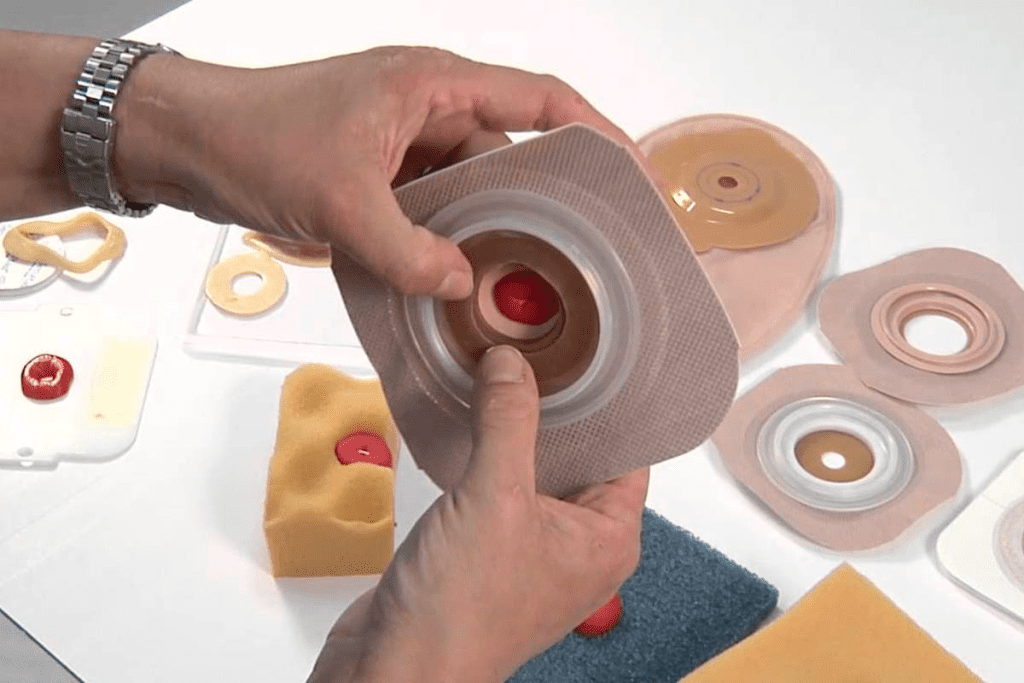
The external collection system, or urostomy bag, catches urine from the stoma. It has a pouch and an adhesive flange that fits around the stoma. The system is leak-proof and odor-resistant, letting people live their daily lives confidently.
The external collection system is vital for those with a urostomy. It’s made to be easy to use, with features like simple connectors and tap systems for drainage. Proper fitting and sizing of the flange are critical to prevent leakage and skin irritation. Always consult a healthcare professional to find the right size and type of urostomy bag for you.
Daily Care and Maintenance Requirements
Looking after the urostomy bag involves regular cleaning and checking of the stoma and skin. Keeping the area clean is key to avoiding infections and complications. Use mild soap and water for cleaning, and make sure the area is dry before applying a new pouch.
- Clean the stoma and surrounding skin gently with mild soap and lukewarm water.
- Pat the area dry; do not rub.
- Inspect the stoma for any signs of irritation or infection.
- Apply a new pouch and flange, ensuring a secure fit.
Practical Considerations for Everyday Activities
Living with a urostomy bag means making some lifestyle changes. But with the right advice, you can live an active and meaningful life. Always talk to a healthcare provider about any concerns or questions you have.
- Wear comfortable clothing that does not put pressure on the stoma.
- Plan for regular drainage of the pouch to prevent overfilling.
- Stay hydrated to maintain urinary health.
Alternatives to Wearing a Permanent Bag After Cystectomy
After a cystectomy, patients have many options for urinary diversion. Some may need a permanent bag, but others can choose more flexible and comfortable alternatives.
erroneous image’
Catheterizable Pouches: Benefits and Challenges
Catheterizable pouches, or continent cutaneous reservoirs, store urine in a pouch inside the body. They require catheterization to drain urine. This method gives patients control over urination and avoids the need for an external bag.
But, it also has challenges. Patients must regularly use catheters and face risks like infection or leakage.
Those thinking about catheterizable pouches need to know the importance of proper catheterization techniques. Regular check-ups with healthcare providers are key to managing any issues.
Neobladder Options: Function and Limitations
A neobladder is a bladder made from intestine. It’s connected to the urethra for natural urination. Neobladder reconstruction is complex and not for everyone.
It offers natural urination but has limits. For example, up to 30% of patients may experience daytime incontinence, and 60% may have nighttime leakage.
Factors That Determine Eligibility for Bag-Free Options
Eligibility for bag-free options like catheterizable pouches or neobladder depends on several factors. These include the patient’s health, cancer stage, and the surgeon’s expertise. The patient’s ability to self-catheterize or manage the neobladder is also key.
A thorough evaluation by a healthcare team is needed to find the best option for each patient. Discussing specific needs and concerns with healthcare providers is essential for making an informed choice. Alternative urinary diversion methods can greatly improve a patient’s quality of life by avoiding a permanent bag.
Physical and Psychological Impact of Urinary Diversion
Urinary diversion is a big change for many patients after radical cystectomy. It affects both their physical health and their mental state. These changes impact their daily life and emotions deeply.
Quality of Life Differences Between Diversion Types
The type of urinary diversion affects a patient’s quality of life a lot. For example, those with an ileal conduit face different challenges than those with an orthotopic neobladder. The former needs an external urostomy bag, while the latter allows for more natural voiding.
Research shows that patients with orthotopic neobladders often have a better quality of life. This is because they can urinate more naturally. But, this option isn’t right for everyone. It depends on the patient’s health and cancer stage.
Body Image and Psychological Adjustment
Changes after urinary diversion can affect body image a lot. Patients might struggle with living with an external bag or changes in urination. Getting used to these changes takes time and support.
Support from healthcare, family, and groups is key. It helps patients cope with these changes. Understanding that they’re not alone and that help is available makes a big difference.
The Critical Role of Caregivers and Support Systems
Caregiver support is vital for patients with urinary diversion. Caregivers help with physical tasks and emotional support. Family and friends are often the main caregivers.
Healthcare providers, including nurses and counselors, also play a big role. They guide patients on managing their diversion, dealing with complications, and handling emotional challenges.
Long-term Health Monitoring Requirements
Long-term health monitoring is key for patients after urinary diversion. Regular check-ups with healthcare providers are needed. They watch for complications like metabolic changes, kidney damage, or infections.
Patients should know the signs of complications and when to get medical help. Learning about self-care and monitoring helps patients manage their health better.
Conclusion: Making an Informed Decision About Bladder Removal
Radical cystectomy with urinary diversion can greatly improve survival rates for bladder cancer patients. Up to 76% of patients can live five years without cancer. It’s key to choose the right urinary diversion for your needs when considering bladder removal.
We’ve looked at different urinary diversion methods. These include ileal conduit, continent cutaneous reservoirs, and orthotopic neobladder reconstruction. Each has its own pros and cons. Knowing these differences helps you make a well-informed choice about bladder removal.
Patients must think about the effects of bladder removal surgery. This includes the physical and emotional impact of urinary diversion. By picking the best urinary diversion and getting full support, patients can live better and healthier lives.
FAQ
What is a urinary diversion, and why is it necessary after bladder removal?
A urinary diversion is a surgery that changes how urine leaves the body when the bladder is gone or not working. It’s needed after bladder removal to let urine out.
Do all patients need to wear a bag after bladder removal?
No, not everyone needs a bag after bladder removal. It depends on the surgery type. Some, like ileal conduit, need an external bag. Others, like neobladder, don’t.
What are the different types of urinary diversion procedures?
There are mainly three types: ileal conduit, continent cutaneous reservoirs, and orthotopic neobladder reconstruction. Each has its own benefits and challenges.
How does an ileal conduit diversion work?
An ileal conduit makes a new path from the intestine to the outside. It collects urine in an external bag.
What is a neobladder, and how does it function?
A neobladder is made from intestine and connects to the urethra. It lets patients urinate normally, but it’s not exactly like a natural bladder.
Can I live a normal life with a urinary diversion?
Yes, many people can live normally with a urinary diversion. It might mean some changes in daily life and personal care.
How long does it take to recover from radical cystectomy and urinary diversion?
Recovery time varies. It usually takes weeks to months to get better from the surgery.
What are the survival rates after radical cystectomy?
Survival rates vary based on cancer stage and health. Many patients live for years after surgery.
Are there alternatives to wearing a permanent bag after cystectomy?
Yes, options like catheterizable pouches and neobladders can avoid permanent bags. These depend on health and surgery extent.
How do I manage an external urostomy bag?
Managing an external bag means cleaning it often and watching for problems. It also means getting used to wearing it every day.
What are the psychological impacts of urinary diversion?
Urinary diversion can affect mental health, like body image and adjustment. Support from others is key to coping.
Is long-term health monitoring necessary after urinary diversion?
Yes, ongoing health checks are needed after urinary diversion. They help manage complications and ensure overall health.
References
- Chesnut, G. T. (2024). Urinary diversions and neobladders. In StatPearls. StatPearls Publishing. Retrieved from (Provides an overview of types of urinary diversions”continent vs incontinent”and discusses indications, pros & cons of ileal conduit, neobladder, etc.)