Last Updated on December 2, 2025 by Bilal Hasdemir
Removing the bladder is a big surgery. It often means finding a new way for urine to leave the body. This is usually done with a urinary diversion, like a stoma or urostomy.
A urostomy is a surgery that makes a new path for urine. It lets urine come out through a stoma in the belly.

It’s important for patients to know about the stoma after bladder removal. This helps them get ready for the surgery and what comes after.
Key Takeaways
- Bladder removal surgery often requires a urinary diversion.
- A urostomy creates a new path for urine to exit the body.
- Understanding the role of a stoma is essential for patients.
- Patients can adapt to life after surgery with proper care.
- Innovations in urostomy care improve patient outcomes.
What Happens During Bladder Removal Surgery
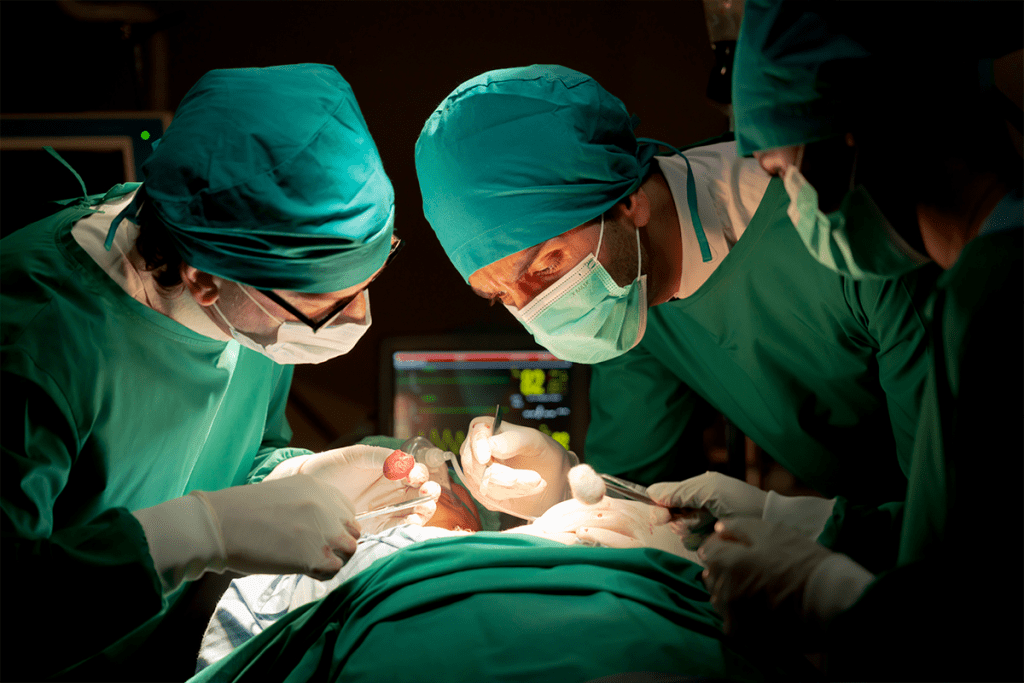
Radical cystectomy, or bladder removal surgery, is a major operation. It requires careful planning and execution for the best outcomes. This complex procedure removes the bladder and creates a new way for urine to exit the body, known as urinary diversion.
This surgery is often needed to treat bladder cancer. It can also be necessary for other conditions, like neurological disorders or inflammatory disease, that severely damage the bladder. About 1,200 patients in the UK undergo urinary diversion surgery each year, showing its importance.
The Cystectomy Procedure Explained
A radical cystectomy involves removing the bladder and sometimes surrounding organs or tissues. The extent of the surgery can vary based on the patient’s condition and the surgeon’s advice. For men, this might include removing the prostate and seminal vesicles. For women, it could involve removing the uterus, ovaries, and part of the vagina.
The surgery is done under general anesthesia and can take several hours. The surgeon makes an incision in the abdomen to access the bladder. The type of incision and approach can vary based on the patient’s health, the surgeon’s preferences, and the case’s specific needs.
For more detailed information on the cystectomy procedure, patients can refer to reputable sources. It provides in-depth insights into the surgery and its implications.
Common Reasons for Bladder Removal
Bladder removal surgery is most commonly done to treat invasive or high-risk bladder cancer. Other conditions that might require a cystectomy include:
- Neurological disorders that cause bladder dysfunction
- Inflammatory conditions like interstitial cystitis
- Bladder damage due to injury or infection
Understanding the reasons for bladder removal surgery is key for patients to make informed decisions. It’s vital to discuss the benefits and risks with a healthcare provider to find the best treatment option.
5 Types of Urinary Diversion After Cystectomy
After a cystectomy, patients must decide on urinary diversion. This procedure helps them keep eliminating waste. The choice depends on health, reason for bladder removal, and personal wishes.
There are many urinary diversion types, each with pros and cons. Knowing these options is key to making a good choice.
Ileal Conduit with Stoma (Urostomy)
The ileal conduit with stoma, or urostomy, is common. It makes a conduit from the intestine, attached to a stoma on the belly. Urine goes into a bag on the stoma.

Continent Cutaneous Urinary Diversion
Continent cutaneous urinary diversion makes a pouch from the intestine, connected to the skin. It lets patients catheterize to drain urine, avoiding an external bag.
Orthotopic Neobladder Reconstruction
Orthotopic neobladder reconstruction creates a new bladder from intestine, connected to the urethra. It’s for those wanting natural urination and no stoma.
Indiana Pouch
The Indiana Pouch is a continent cutaneous urinary diversion. It’s a pouch from the intestine, catheterized for urine. It’s known for low pressure and fewer complications.
Each urinary diversion has its benefits and drawbacks. The right choice depends on the patient’s needs, preferences, and the surgeon’s advice.
7 Factors That Determine If You’ll Need a Stoma
Several key factors decide if a patient will need a stoma after a cystectomy. It’s important for patients to know these factors. This helps them prepare for a stoma and make informed care decisions.
Cancer Stage and Location
The stage and location of bladder cancer are key. Cancers that are more advanced or located near critical areas might need a stoma. This is because they often require more surgery.
Overall Health and Age
A patient’s health and age are very important. Older patients or those with significant health issues might need a stoma. This is because their conditions are more complex and risky.
Kidney Function
Kidney function is also a big factor. Impaired kidney function can lead to a stoma. This ensures proper waste removal.
Urethral Involvement
The extent of urethral involvement matters too. If cancer spreads to the urethra, removing it or creating a stoma might be needed. This helps with urinary diversion.
About 12,000 people in the UK live with a urostomy. This shows how important it is to understand stoma needs. The need for a stoma after cystectomy depends on several factors, including:
- The stage and location of the cancer
- The patient’s overall health and age
- Kidney function
- Urethral involvement
- The type of urinary diversion required
- The patient’s personal preferences and lifestyle
- The surgeon’s professional judgment is based on the patient’s specific condition
By knowing these factors, patients can prepare better for surgery outcomes. They can make informed decisions about their care.
Statistics: How Common Is Stoma Creation After Bladder Removal
It’s important for patients to know how common stoma creation is after bladder removal. This surgery, often for bladder cancer, can lead to a stoma. The need for a stoma depends on the type of urinary diversion chosen.
Bladder cancer is a big reason for stoma creation, with about 84,870 new cases in the US each year. About 74% of urostomy cases come from cancer, showing a strong link between bladder cancer treatment and stoma creation.
US Bladder Cancer and Stoma Statistics
In the US, bladder cancer is among the top 10 cancers. Radical cystectomy, a common treatment, may lead to a stoma. Many patients get a stoma after a cystectomy.
The exact number of patients with a stoma varies. It depends on cancer stage, health, and surgery type. But many patients get a stoma after bladder removal surgery.
Global Perspective on Urinary Diversion
Worldwide, urinary diversion after cystectomy differs a lot. Healthcare, surgeon preference, and patient factors influence these choices.
Some places have more stoma creations due to conservative approaches. Others prefer complex reconstructions like neobladders. This shows the diversity in healthcare and the need for tailored treatments.
Trends in Stoma vs. Non-Stoma Diversions
There’s a trend towards avoiding stoma creation. Techniques like orthotopic neobladder reconstruction are gaining popularity. They offer alternatives to traditional stoma creation.
Yet, stoma creation is common. The choice between stoma and non-stoma diversions depends on many factors. As surgery evolves, the balance between these options will likely change.
6 Aspects of Daily Life With a Urostomy After Bladder Removal
Living with a urostomy after bladder removal has many aspects to consider. With the right care, people can live active and happy lives.
Stoma Care and Appliance Management
Good stoma care is key to keeping the skin healthy and avoiding problems. This includes:
- Regularly cleaning the stoma and the skin around it
- Fitting and changing the urostomy appliance (bladder bag) correctly
- Watching for signs of infection or irritation
Managing the appliance well is important to avoid leaks and skin issues. Patients should work with their healthcare team to find the best appliance.
Clothing Considerations
The right clothes can help manage a urostomy discreetly. People often find that:
- Wearing loose clothes helps hide the urostomy bag
- Choosing clothes with patterns can draw attention away from the appliance
- Using a stoma belt or support can make you feel more secure and confident
Physical Activity and Exercise
Being active is not only possible but also encouraged with a urostomy. Exercise keeps you healthy and boosts your mood.
- Low-impact activities like walking, yoga, or swimming are often recommended..
- High-impact activities may need extra support or precautions
It’s important to talk to a healthcare provider before starting or continuing any exercise after surgery.
Travel and Social Situations
Traveling and socializing with a urostomy are possible. Preparation is key:
- Packing extra urostomy supplies when traveling
- Looking up medical facilities at your destination
- Telling travel companions about your urostomy and how they can help
With these tips, people with a urostomy can enjoy a full and active life. They can take part in many activities without big limitations.
4 Alternatives to Traditional Stoma That May Be Options
There are new ways to manage urine after bladder removal surgery. These options might be better for some patients than a traditional stoma. They offer hope for a life without a stoma.
Orthotopic Neobladder: Creating a New Bladder
Orthotopic neobladder reconstruction is one such alternative. It makes a new bladder from the intestine and connects it to the urethra. This way, patients can urinate naturally through the urethra.
Orthotopic neobladder reconstruction is for patients with cancer that doesn’t touch the urethra. They also need to have good urethral function.
“Being able to urinate naturally is a big plus for many,” said a urologic oncologist. “This method can really improve life quality for those who qualify.”
Continent Cutaneous Reservoirs: Internal Pouches
Another choice is the cutaneous reservoirs, or internal pouches. They are made from intestine and connected to the skin through a special opening. But, unlike a traditional stoma, this opening only drains when the patient catheterizes it.
Continent cutaneous reservoirs offer a good balance. They give patients control over their urine and don’t need constant use of external appliances.
Eligibility Requirements for Stoma-Free Options
Not everyone can choose these alternatives. The cancer’s stage and location, overall health, and kidney function are important. A healthcare team must evaluate each patient to find the best option.
- Cancer stage and location
- Overall health and age
- Kidney function
- Urethral involvement
Comparing Outcomes: Stoma vs. Non-Stoma Approaches
Stoma and non-stoma methods have different benefits and drawbacks. Quality of life, complication rates, and long-term results are key factors. Research shows both methods can make patients happy when managed well.
A key consideration is the patient’s unique situation and wishes. “Knowing the patient’s lifestyle, expectations, and health is vital in picking the right method,” said a urology specialist.
Recovery Timeline and Adaptation After Bladder Surgery
Recovering from bladder removal surgery is a long journey. It starts with a hospital stay and goes on to long-term adaptation. Knowing the timeline and getting the right support can help a lot. It makes it easier to adjust to life with a new urinary system.
Hospital Stay and Immediate Recovery
The first step is a hospital stay, usually 7 to 10 days. Doctors watch over you, manage pain, and look for any problems. You’ll learn how to take care of your new urinary system.
Right after surgery, you need to rest and start moving slowly. This helps prevent blood clots and improves blood flow. You’ll also get special food to help you heal.
First 6 Weeks Post-Surgery
The first six weeks are key for healing and adjusting. You’ll see doctors often to check on your progress. They’ll help with any issues that come up.
Stay away from heavy lifting and hard work. You’ll learn how to take care of your stoma or urinary system. This includes changing appliances and keeping the skin clean.
Long-term Adjustment (3-12 Months)
After the first six weeks, you start adjusting to the long term. You’ll slowly get back to normal activities. Most people see their quality of life improve as they learn to manage their condition.
During this time, you might feel many emotions. You could feel relieved or anxious about the future. Support from doctors, family, and groups can help a lot.
Support Resources and Education Programs
Having access to support and education is very important. These can include counseling, support groups, and learning materials. Many organizations offer help for people with stomas or other urinary diversions.
Using these resources can give you the confidence and skills to manage your condition. Studies show that over 80% of patients are happy with their care and adaptation.
Conclusion
Bladder removal surgery, or cystectomy, is a complex procedure. It needs careful planning and execution for the best results. Knowing about the stoma, types of urinary diversion, and recovery helps patients prepare.
Liv Hospital follows international standards for care. They use the latest academic protocols and care pathways. This ensures patients get the best care possible.
After cystectomy, patients can live active and fulfilling lives with the right care. Understanding urinary diversion options, like using a stoma, helps patients make informed decisions. This leads to the best possible outcomes.
FAQ
What is a urinary diversion, and why is it necessary after bladder removal surgery?
A urinary diversion is a surgery that makes a new way for urine to leave the body after the bladder is removed. This is needed because the bladder is gone, and the body must find another way to get rid of urine.
What are the different types of urinary diversion available after cystectomy?
There are many types of urinary diversion, like ileal conduit with stoma (urostomy), continent cutaneous urinary diversion, orthotopic neobladder reconstruction, and Indiana pouch. Each has its own good and bad points.
Will I need a stoma after bladder removal surgery?
Whether you need a stoma after bladder removal surgery depends on several things. These include the cancer’s stage and location, your health and age, kidney function, and whether the urethra is involved. Your doctor will talk to you about the chances of needing a stoma.
How common is stoma creation after bladder removal surgery?
Stoma creation is quite common after bladder removal surgery, mainly for bladder cancer patients. The exact percentage varies, but a lot of patients get a stoma.
How do I care for my stoma and manage my urostomy appliance?
Caring for your stoma and managing your urostomy appliance means regular cleaning and checking of the stoma. Also, you need to apply and keep the urostomy appliance correctly. Your healthcare team will teach you how to do this.
Can I still engage in physical activity and exercise with a urostomy?
Yes, you can stay active and exercise with a urostomy. But you should be careful. Wear a secure appliance and avoid heavy lifting.
Are there alternative urinary diversion options available that don’t require a stoma?
Yes, there are other urinary diversion options without a stoma. These include orthotopic neobladder reconstruction and continent cutaneous reservoirs. These might be good for some patients, depending on their situation.
What is the recovery timeline like after bladder removal surgery?
The recovery after bladder removal surgery starts with a hospital stay. Then, there’s a time to adjust and get used to the new situation. The whole recovery can take several months.
How long does it take to adjust to life with a urostomy after bladder removal?
Getting used to life with a urostomy takes time. But with the right care and support, patients can adjust. It usually takes 3-12 months for most people to get used to it.
What support resources are available for patients with a urostomy after bladder removal?
There are many support resources for patients with a urostomy. These include education programs, support groups, and online resources. They help patients manage their urostomy and adjust to their new life.
Can I travel and participate in social activities with a urostomy?
Yes, patients with a urostomy can travel and join social activities. With some planning and preparation, they can live an active and fulfilling life.
What are the eligibility requirements for stoma-free urinary diversion options?
The requirements for stoma-free urinary diversion options vary. They depend on the specific procedure and the patient’s situation. Your doctor will discuss these requirements with you.
References
- Hautmann, R., de Petriconi, R., Volkmer, B., et al. (2021). Urinary diversion: ileal conduit to neobladder. European Urology Open Science. https://www.eu-openscience.europeanurology.com/article/S1569-9056%2810%2900116-8/pdf