

Last Updated on October 31, 2025 by
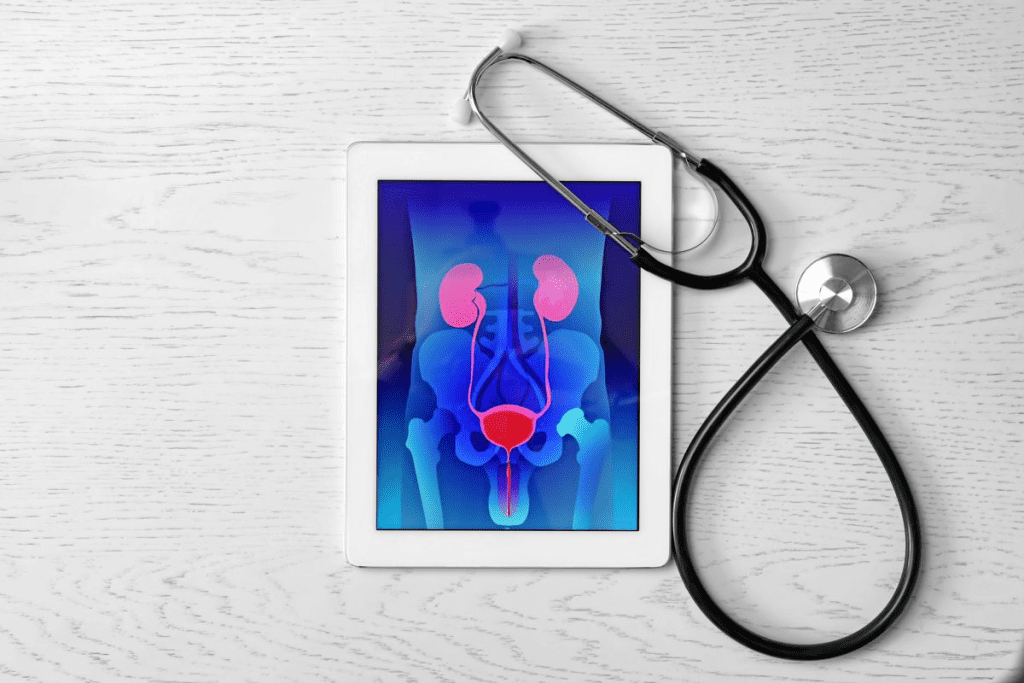
Before a cystoscopy procedure, patients go through several tests. These tests check for safety and make sure the diagnosis is right. We want to make sure you feel cared for and informed every step of the way.
These tests help find any problems that might affect the procedure. A cystoscope is used to look at the bladder and the tube that carries urine (urethra). Knowing about abdominal anatomy and anesthetic definition helps us give you the best care.
Deciding whether to sedate or not depends on pre-cystoscopy tests. Before a cystoscopy, several tests are done to make sure it’s safe and works well. These tests help find any issues that could affect the cystoscopy’s success.

Many tests are done before a cystoscopy to make sure it’s safe and accurate. Urine analysis is one test, which checks for infections or abnormal cells. This info is key for planning the right treatment or test.
If an infection is found, it might be treated first. The choice to sedate the patient also depends on these test results. This ensures the patient is comfortable during the procedure.
Pre-cystoscopy tests also help create a baseline for comparison. This baseline is important for patients with bladder issues or those having regular cystoscopies. It lets us track changes over time.
By comparing current results with past ones, we can see any changes or trends. This helps in making treatment decisions. For example, knowing if urine is sterile or not can guide the use of uro pills or other treatments.
Urine analysis is a key test before a cystoscopy. It checks the urine’s physical, chemical, and microscopic properties. This helps find issues in the urinary system. “Urine analysis is a window into the health of your urinary tract,” says a urologist. “It helps us identify issues that may need further investigation.”
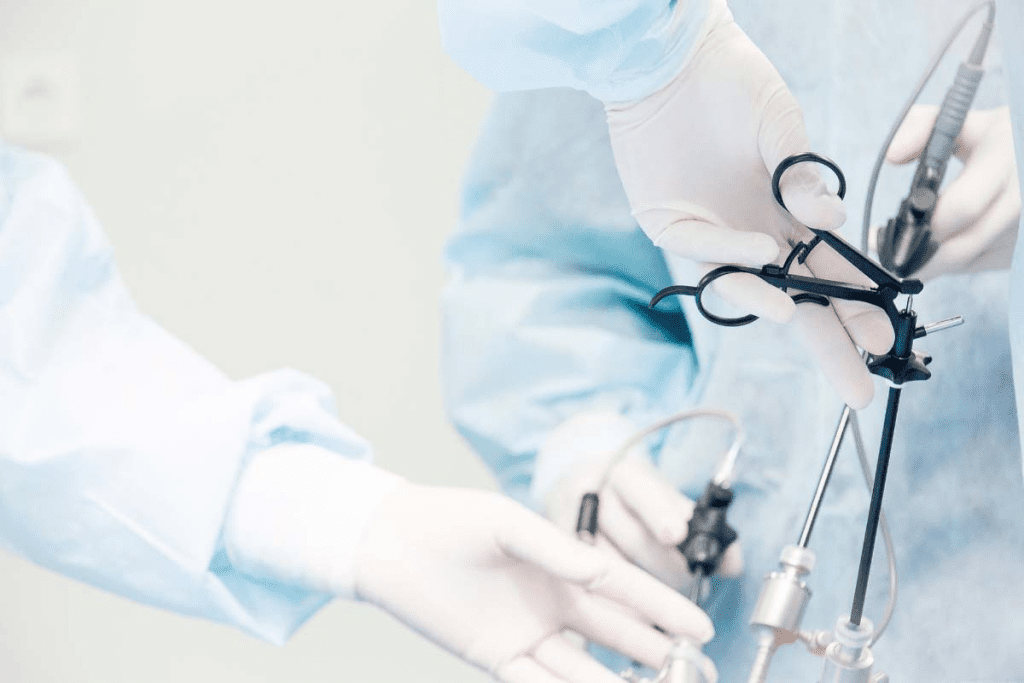
Urine flows from the kidneys through narrow tubes called ureters to the bladder. A urine analysis can show problems like infections or blockages.
A standard urinalysis includes several key components. These are:
These components help doctors identify a range of urinary tract issues, from infections to kidney problems.
One of the primary purposes of urine analysis is to detect urinary tract infections (UTIs). UTIs occur when bacteria enter the urinary system, causing symptoms like a bright burning sensation during urination. Urine analysis can identify the presence of bacteria, white blood cells, and other signs of infection.
Early detection of UTIs is key to prevent complications, such as kidney damage. “Prompt treatment of UTIs is essential to avoid more severe problems,” emphasizes a specialist in urology.
Urine analysis also helps identify abnormal cells and blood in the urine. This can be a sign of serious conditions, including cancer. The presence of blood in the urine, known as hematuria, may require further investigation through tests like cystourethroscopy or cystotomy.
During a cystoscopy, patients are often positioned on a table with their feet in stirrups. This position allows for a more comfortable and effective examination. Understanding the significance of urine analysis can help patients prepare for their cystoscopy and subsequent treatment.
Urine cytology is a key tool for finding cancer, mainly bladder cancer. It checks cells in urine for any odd or cancerous changes.
To start, a urine sample is collected and sent to a lab. Laboratory technicians look at these cells under a microscope for any oddities. They check the cells’ size, shape, and nucleus to see if they’re cancerous.
There are several ways to get urine for cytology, like voided urine or catheterized urine. The method used depends on the patient’s situation and the test’s needs.
The success of urine cytology in finding cancer is shown by its sensitivity and specificity. Sensitivity is how well it finds those with cancer, and specificity is how well it finds those without cancer.
To make cancer screening more accurate, urine cytology is often paired with other tests. A study showed that mixing urine cytology with MRI can spot noninvasive bladder cancer up to 96% of the time.
Other tests used with urine cytology include:
Using these tests together helps doctors find and treat bladder cancer better.
Healthcare providers use imaging tests along with cystoscopy to understand the bladder better. These tests show the bladder’s structure and find problems not seen during cystoscopy.
Ultrasonography is a safe way to see the bladder and its surroundings. It uses sound waves. Studies show it can spot 81.8% of normal bladders and 18.2% of masses.
It helps find issues like tumors or stones in the bladder. This method is great for those who can’t have more invasive tests.
Multiparametric MRI gives detailed info on the bladder’s anatomy and any problems. It combines different MRI sequences. This helps doctors understand the bladder better and find issues that need more study.
This method is key for finding and checking bladder cancer. It shows tumors and how they relate to nearby tissues. For more on bladder cancer, visit this page.
While cystoscopy looks directly at the bladder, imaging tests like ultrasonography and MRI give a broader view. Using both helps doctors make better diagnoses and plans for treatment.
Key benefits of imaging tests include:
In summary, imaging tests are essential for cystoscopy. They help understand bladder health fully. This aids doctors in making the best care plans for patients.
Before a cystoscopy, several tests are done to make sure it’s safe and works well. Knowing about these tests helps patients get ready for the procedure.
You’ll lie on an exam table with your feet in stirrups for the test. Stirrups help support and comfort you during the exam. Your doctor might give you sedation to reduce any pain.
Your doctor might give you antibiotics to prevent infection. This is more likely if you’ve had trouble fighting off infections before. Hospitals follow international best practices to give you the best care.
By following the pre-cystoscopy testing and knowing what to expect, you can make the procedure go smoothly. The cystoscope is a special tool that lets your doctor see inside your bladder.
Pre-cystoscopy testing makes sure the procedure is safe and accurate. It includes urine tests to check for infections or abnormal cells. This helps healthcare providers track any changes over time.
Urine analysis looks at the physical, chemical, and microscopic properties of urine. It’s key for spotting urinary tract infections, abnormal cells, and blood in the urine. These are important for planning the right treatment or test.
Urine cytology checks cells in urine for bladder cancer. Cells are collected and analyzed for abnormal growth. It’s often used with other tests for better accuracy.
Imaging tests like ultrasonography and MRI give detailed info on the bladder’s structure. They help spot masses or abnormalities. These tests add to cystoscopy by giving a fuller view of the bladder’s condition.
Sedation helps patients relax during the procedure, but it’s not always needed. The choice depends on the patient’s needs and the procedure’s specifics.
Knowing abdominal anatomy is key to safe and accurate navigation of the urinary tract during cystoscopy. It helps identify issues and ensures the procedure’s success.
Yes, patients must undergo tests like urine analysis and imaging before cystoscopy. These tests ensure safety and accuracy. Following the recommended testing is vital for a successful procedure.
Cystourethroscopy visually examines the urethra and bladder with a cystoscope. It’s closely related to cystoscopy, as both use a cystoscope to diagnose and treat urinary issues.
Cystoscopy can be done under local anesthesia, numbing the urethral area. Being sedated means being relaxed or semi-conscious, often through medication. This reduces discomfort and anxiety.
