Last Updated on December 3, 2025 by
Intravenous fluids are very important in managing a sickle cell crisis. This condition needs hydration to lower blood viscosity and slow sickling. But there’s no clear agreement on the best IV fluid and how fast to give it.

Hydration is key in treating vaso-occlusive crisis, a big problem in sickle cell disease. While D5 1/2 normal saline is often used, the right choice of IV fluids is debated. Using IV fluids wrong can cause serious issues, like too much fluid and kidney damage.
Key Takeaways
- Intravenous fluids are essential in managing a sickle cell crisis.
- The optimal choice and rate of IV fluid administration are not well established.
- D5 1/2 normal saline is a possible treatment option.
- Hydration is critical in decreasing blood viscosity.
- Inappropriate IV fluid use may lead to serious complications.
Understanding Sickle Cell Crisis and the Role of IV Fluids
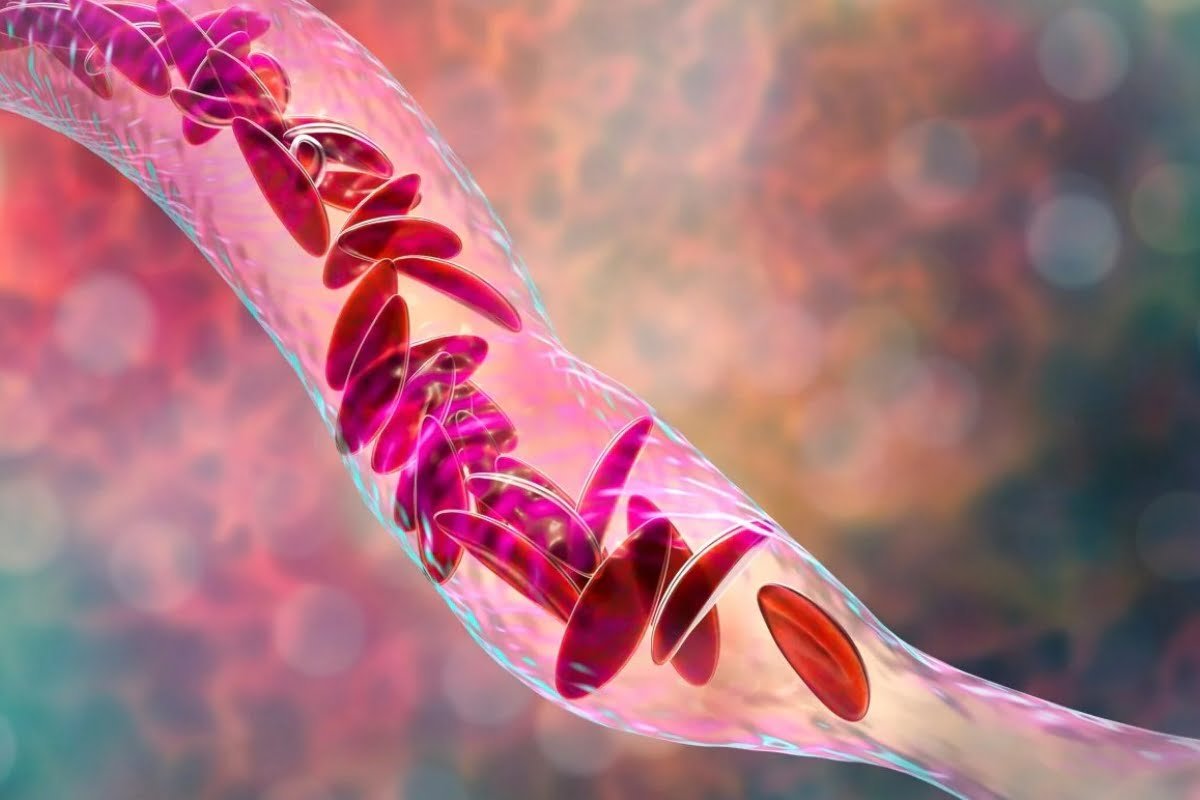
IV fluids are key in managing a sickle cell crisis. They help with dehydration and lower blood viscosity. Sickle cell disease causes abnormal hemoglobin, leading to sickled red blood cells. These cells can block blood flow, causing pain and tissue damage.
The Pathophysiology of Sickle Cell Crisis
The crisis in sickle cell disease is complex. It involves hemoglobin S polymerization, inflammation, and blood vessel problems. This makes red blood cells sickle-shaped, leading to their destruction and blockage of small blood vessels. This results in tissue hypoxia and severe pain.
“The acute vaso-occlusive crisis is the hallmark of sickle cell disease, requiring prompt and effective treatment to alleviate pain and prevent long-term damage.”
Why Hydration Matters: Decreasing Blood Viscosity
Dehydration worsens a sickle cell crisis by increasing blood viscosity. This makes red blood cells sickle and block blood vessels. IV fluids help rehydrate, reduce hemoglobin S concentration, and improve blood flow. They play a vital role in managing the crisis.
Hydration is more than just giving fluids. It’s about improving the patient’s blood flow. “Adequate hydration is key to reducing the severity of sickle cell crisis and improving patient outcomes.”

The choice of IV fluid is important in managing a sickle cell crisis. Normal saline is common, but lactated Ringer’s and dextrose solutions may also be used. The choice depends on the patient’s condition and needs.
D5 1/2 Normal Saline and Other IV Fluid Options
In treating sickle cell crisis, IV fluids like D5 1/2 normal saline are key. They help keep the body hydrated and lower hemoglobin S levels. The right IV fluid depends on the patient’s health and treatment goals.
Composition and Mechanism of D5 1/2 Normal Saline
D5 1/2 normal saline is a special solution. It has 0.45% sodium chloride and 5% dextrose. This mix helps add free water to the body, making blood flow better.
This solution also gives glucose. Glucose helps lower hemoglobin S levels by making red blood cells more hydrated.
Normal Saline (0.9% NaCl): Benefits and Limitations
Normal saline, or 0.9% NaCl, is isotonic. It’s used to increase blood volume. It quickly fixes low blood pressure and adds sodium chloride.
But, it can lead to too much fluid in the body. This is a big problem for those with heart issues.
Alternative Fluids: Lactated Ringer’s and D5W
Lactated Ringer’s solution is another choice. It has sodium chloride, sodium lactate, calcium chloride, and potassium chloride. It’s isotonic and helps fix acidosis. The liver breaks down lactate, keeping the acid-base balance.
D5W, or 5% dextrose in water, is hypotonic. It gives free water and glucose. It’s good for hydration without extra electrolytes. But it can cause low sodium levels if used too much.
Lactated Ringer’s and D5W are good alternatives for sickle cell crisis. They depend on the patient’s needs and how sick they are.
Evidence-Based Administration Protocols for IV Fluids
Managing a sickle cell crisis well means knowing how to use IV fluids. This includes the right amounts for adults and kids. IV fluids help blood flow better and lower sickled red blood cells.
Adult Dosing Guidelines: Initial and Maintenance Rates
Adults start with 250 mL/hour of IV fluids for eight hours. If the heart and kidneys are okay, the rate drops to 125 mL/hour. Watching for signs of too much fluid is key.
Choosing the right IV fluid is also important. D5 1/2 normal saline is often used for hydration and electrolytes. But normal saline (0.9% NaCl) or Lactated Ringer’s solution might be better for some patients.
Pediatric Considerations: Calculating Appropriate Fluid Volumes
Kids get IV fluids based on their needs, usually 1-1.5 times their daily water needs. This helps them stay hydrated without too much fluid.
- Watch urine output to see if fluids are working right.
- Change fluid rates based on how the patient is doing and lab results.
- Look out for signs of too much fluid, like swelling or trouble breathing.
Special Considerations for Patients with Comorbidities
Patients with other health issues, like heart or kidney problems, need extra care with IV fluids. It’s important to watch their fluid levels closely and adjust the IV rate as needed.
For those with kidney failure, picking the right IV fluid is key. The best IV fluids for kidney failure are often those without potassium, like normal saline.
By using proven IV fluid protocols and tailoring care to each patient, doctors can improve treatment outcomes for sickle cell crisis.
Risks and Complications of Inappropriate IV Fluid Therapy
IV fluid therapy is key for patients with sickle cell crisis. But it can cause serious problems if not done right. It’s important to manage IV fluids carefully to avoid bad outcomes.
Volume Overload and Acute Chest Syndrome
Volume overload is a big risk with IV fluids. It can cause acute chest syndrome, a serious condition. Acute chest syndrome includes a new lung issue, fever, breathing problems, or chest pain.
To avoid this, it’s vital to watch how much fluid is given. Doctors need to be careful with IV fluids, even more so for patients with heart or kidney issues.
Acute Kidney Injury: Prevention and Management
Acute kidney injury (AKI) can happen from wrong IV fluid use. It’s caused by too much fluid and some IV fluids that harm the kidneys.
To stop AKI, choose the right IV fluids and watch kidney health. Use Lactated Ringer’s solution or D5 1/2 Normal Saline based on the patient’s needs.
Impact on Hospital Stay Duration and Pain Control
IV fluid problems can make hospital stays longer and pain harder to manage. Volume overload and AKI can keep patients in the hospital longer. Not controlling pain well can make recovery take longer.
It’s key to manage IV fluids well to avoid these issues. By balancing fluid use and watching for risks, doctors can help patients with sickle cell crisis get better care.
Conclusion: Advancing IV Fluid Management in Sickle Cell Crisis
Managing IV fluids well is key in treating sickle cell crisis. We’ve looked at how D51/2 normal saline and other IV fluids help with hydration. We’ve also talked about their good and bad points.
Choosing the right IV fluid, like D51/2 normal saline or lactated Ringer’s, depends on the patient’s needs. It’s important to think carefully about what research says. We need more research to make IV fluid management better for sickle cell crisis patients.
Knowing how sickle cell crisis works and why staying hydrated is important helps us improve IV therapy. The best IV fluid for each patient will depend on their health and the risk of problems like too much fluid or kidney injury.
As we keep working on better IV fluid management, we can help patients with sickle cell crisis more. This will make their lives better and lower the chance of serious problems. It’s vital for doctors to know about D51/2 NS and its role in IV fluid care.
FAQ’s:
What is the primary goal of IV fluid therapy in managing a sickle cell crisis?
What is D5 1/2 normal saline, and how is it used in treating sickle cell crisis?
What are the recommended IV fluid administration rates for adults with sickle cell crisis?
How are IV fluid volumes calculated for pediatric patients with sickle cell crisis?
What are the possible risks and complications of IV fluid therapy in sickle cell crisis?
What is the difference between normal saline and lactated Ringer’s IV fluids?
Can IV fluids with dextrose, such as D5W, be used in managing sickle cell crisis?
How do comorbidities affect IV fluid management in patients with sickle cell crisis?
References
- National Heart, Lung, and Blood Institute. (2014). Evidence-based management of sickle cell disease: Expert panel report. Retrieved from https://www.nhlbi.nih.gov/health-topics/sickle-cell-disease/management
- National Health Service (NHS). (2024). Sickle cell disease: Support for children and young people. https://www.nhs.uk/conditions/sickle-cell-disease/
- Taha, A. S. (2021). Effectiveness of semi-Fowler’s position on hemodynamic function among patients: An experimental study. Journal of Nursing and Health Science, 10(5), 25-30. https://jnsbu.journals.ekb.eg/article_159644_cdb1bef965757c34b1dd8246b2d2f46a.pdf