Last Updated on November 27, 2025 by Bilal Hasdemir
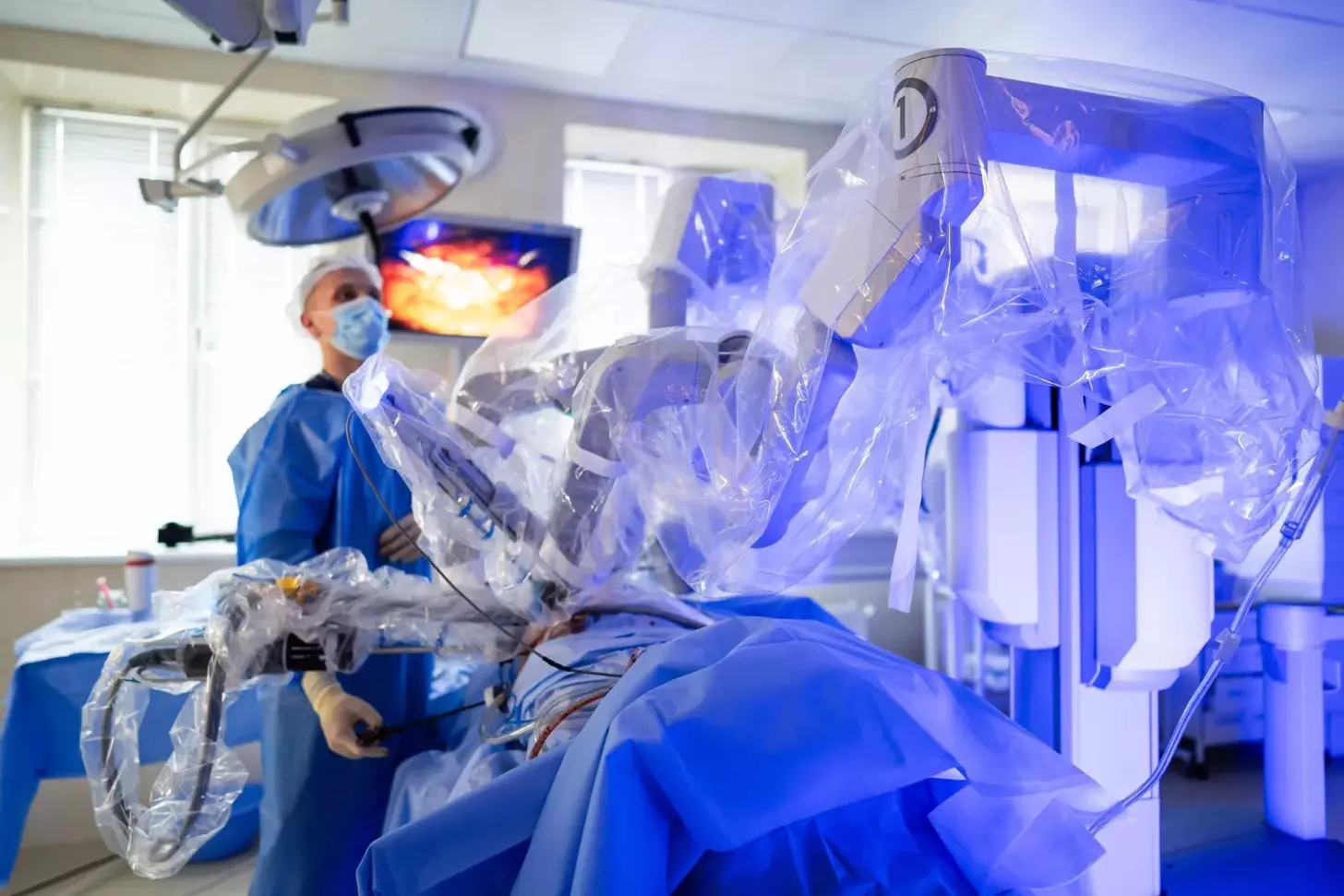
Choosing the right da Vinci Surgical System is a pivotal decision for healthcare leaders, impacting both patient outcomes and institutional advancement. The acquisition costs for systems like the da Vinci Xi or da Vinci 5 can be substantial, ranging from $1.5 to $2.7 million.
We understand that investing in such advanced technology requires careful consideration. Intuitive Surgical, the company behind the da Vinci Surgical System, has seen significant financial performance, with a revenue of $2.44 billion in a quarter. As we explore the key factors to consider before making a da Vinci robot purchase, we aim to guide healthcare providers in making an informed decision.
Key Takeaways
- Understand the significant investment involved in buying a da Vinci surgical robot.
- Consider the financial performance and support offered by Intuitive Surgical.
- Evaluate the costs and benefits of acquiring a da Vinci Surgical System.
- Assess the impact on patient outcomes and institutional advancement.
- Review the key factors to consider before making a purchase decision.
The Evolution of Da Vinci Surgical Systems
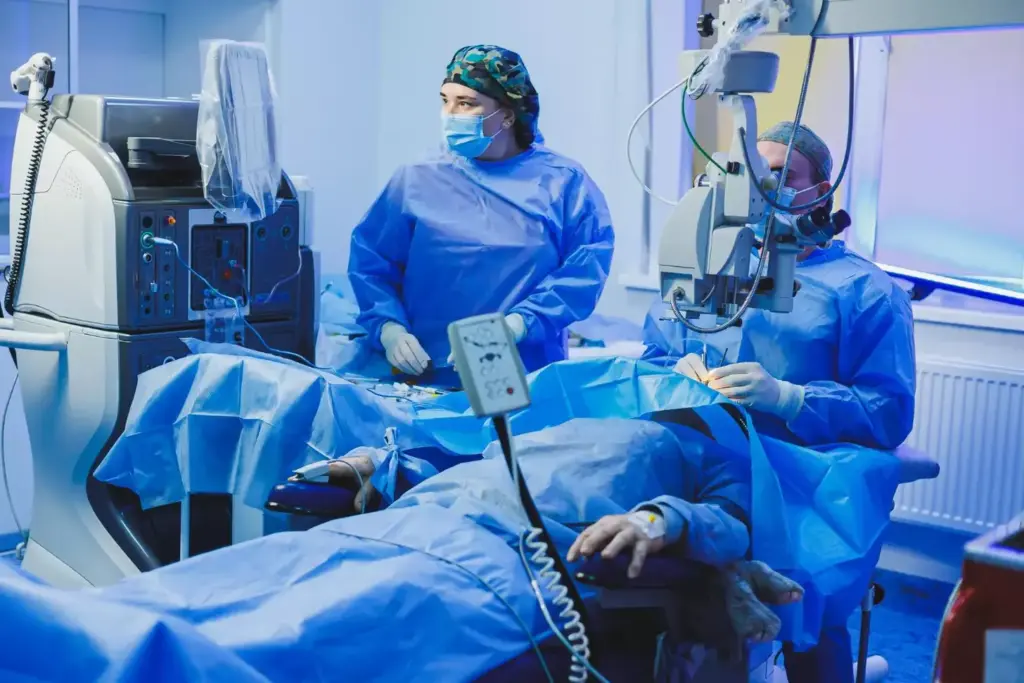
As we explore the evolution of the Da Vinci Surgical System, it’s clear that its impact on modern surgery has been profound. The system has undergone significant advancements, transforming the landscape of robotic-assisted surgery. We will examine the components and current models of the Da Vinci Surgical System, providing insights into its development and capabilities.
Components of the Da Vinci Robotic Surgery System
The Da Vinci robotic surgery system is composed of several key components that work together to enhance surgical precision and reduce patient recovery time. The system includes a surgeon console, where the surgeon controls the robotic arms, a patient-side cart with robotic arms, and a vision system that provides high-definition 3D visualization. The advanced instruments used in the system are designed to mimic the human wrist, allowing for precise movements and minimal tissue damage.
The integration of these components enables surgeons to perform complex procedures with enhanced dexterity and control. According to Intuitive Surgical, the manufacturer of the Da Vinci system, the technology has been designed to reduce the trauma associated with surgery, leading to faster recovery times and improved patient outcomes.
Current Models: Da Vinci Xi, Da Vinci 5, and Other Variants
Intuitive Surgical has continued to innovate and update the Da Vinci Surgical System, with current models including the Da Vinci Xi and the latest Da Vinci 5. The Da Vinci Xi is known for its advanced instrumentation and improved robotic arm design, allowing for more complex procedures to be performed with ease. The Da Vinci 5 represents the latest generation of the system, featuring enhanced software and hardware capabilities, including improved visualization and more intuitive controls.
As noted in a report by Coherent Market Insights, the Da Vinci 5 platform has seen significant advancements, including new software features that enhance its functionality and performance. The report highlights the growing demand for robotic surgery systems and the competitive landscape of the market.
| Model | Key Features | Clinical Benefits |
|---|---|---|
| Da Vinci Xi | Advanced instrumentation, improved robotic arm design | Enhanced precision, reduced trauma |
| Da Vinci 5 | Enhanced software, improved visualization, intuitive controls | Improved outcomes, faster recovery times |
As the field of robotic surgery continues to evolve, understanding the components and capabilities of the Da Vinci Surgical System is crucial for healthcare providers considering its adoption. The system’s advanced technology and continuous innovation make it a valuable tool in modern surgical practice.
“The da Vinci system has revolutionized the way we perform surgery, offering unparalleled precision and control. Its impact on patient outcomes has been significant, and we continue to see advancements in its capabilities.”
Market Overview of Robotic Surgery in the United States
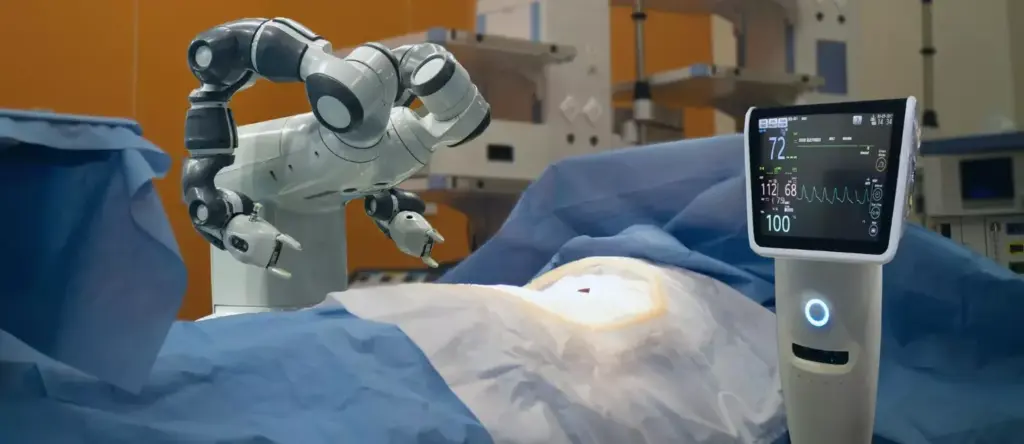
The robotic surgery market in the United States is experiencing significant growth, driven by the increasing adoption of advanced surgical technologies. As we explore the current state of robotic surgery, it becomes evident that the da Vinci system is at the forefront of this revolution.
Adoption Statistics in American Hospitals
Around 2,000 hospitals in the U.S. have adopted the da Vinci surgery system for minimally invasive procedures. This widespread adoption is a testament to the system’s reliability and effectiveness in various surgical applications.
The da Vinci robotic surgery system has become an integral part of many hospitals’ surgical departments, offering enhanced precision and control during complex procedures.
Annual Procedure Volume and Growth Trends
The annual procedure volume for robotic surgery has seen substantial growth, with a significant increase in the number of procedures performed using the da Vinci system. This growth is attributed to the system’s advanced capabilities and the expanding range of clinical applications.
As more surgeons become trained in robotic surgery techniques, the demand for surgery systems like the da Vinci is expected to continue rising.
Projected Market Expansion at 17% CAGR
The global market for robotic surgery is projected to expand at over 17% CAGR, driven by innovative features and broadening clinical applications. The da Vinci system is expected to remain a dominant player in this market, given its established reputation and continuous technological advancements.
As the market continues to grow, we can expect to see further improvements in surgery systems, enhancing patient outcomes and expanding the scope of robotic surgery.
Factor 1: Financial Investment for Da Vinci Surgical Robot Purchase
The da Vinci Surgical System represents a significant financial commitment for healthcare providers. As such, understanding the various financial aspects involved is crucial for making an informed decision.
Initial Acquisition Costs
The initial acquisition costs for da Vinci Surgical Systems range from $1.5 to $2.7 million, depending on the model and configuration. For instance, the da Vinci Xi system, known for its advanced features and enhanced surgical capabilities, tends to be on the higher end of this price range.
We must consider that the cost of the system is not the only financial outlay. Other expenses include:
- Installation costs
- Training for surgeons and staff
- Initial inventory of surgical instruments
Financing Options and Payment Structures
Healthcare providers have various financing options to consider when purchasing a da Vinci Surgical System. These include:
| Financing Option | Description | Typical Terms |
|---|---|---|
| Direct Purchase | Outright purchase of the system | Payment upfront |
| Leasing | Long-term rental of the system | Monthly payments over 3-5 years |
| Loan Financing | Financing through a loan | Interest rates vary, repayment terms negotiable |
Long-term Financial Impact Analysis
The long-term financial impact of purchasing a da Vinci Surgical System involves not only the initial acquisition costs but also ongoing expenses such as maintenance, repair, and upgrade costs. Additionally, the potential increase in surgical volume and revenue should be considered.
For example, DekaBank Deutsche Girozentrale raised its stake in Intuitive Surgical, Inc., indicating confidence in the company’s financial performance and the potential for long-term growth in the robotic surgery market.
By carefully evaluating these financial factors, healthcare organizations can make a well-informed decision about investing in a da Vinci Surgical System.
Factor 2: Clinical Applications and Surgical Benefits
The da Vinci Surgical System is renowned for its versatility in various surgical specialties, offering numerous benefits to both patients and surgeons. As we explore the clinical applications and surgical benefits of this advanced system, it becomes clear that its impact on modern surgery is profound.
Compatible Surgical Specialties
The da Vinci Surgical System supports a broad spectrum of surgical specialties, including urology, gynecology, cardiothoracic surgery, and general surgery. Its advanced technology enables surgeons to perform complex procedures with enhanced precision and flexibility.
Some of the key surgical specialties that benefit from the da Vinci System include:
- Urology: Procedures such as prostatectomies and nephrectomies are performed with greater accuracy and minimal invasiveness.
- Gynecology: Hysterectomies, endometriosis treatments, and other gynecological procedures are carried out with reduced recovery time for patients.
- Cardiothoracic Surgery: The system facilitates complex heart and lung surgeries, offering patients a less invasive alternative to traditional open surgery.
Patient Outcome Improvements
The da Vinci Surgical System has been shown to improve patient outcomes significantly. By enabling minimally invasive surgery, it reduces the risk of complications, decreases blood loss, and shortens hospital stays. Patients also experience less postoperative pain and faster recovery times, allowing them to return to their normal activities sooner.
Studies have demonstrated that the use of the da Vinci Surgical System can lead to:
- Reduced morbidity rates
- Less postoperative pain
- Shorter hospital stays
- Faster return to normal activities
Minimally Invasive Advantages Over Traditional Surgery
One of the key advantages of the da Vinci Surgical System is its ability to perform complex surgeries through small incisions, reducing the trauma associated with traditional open surgery. This minimally invasive approach not only enhances patient comfort but also reduces the risk of infection and promotes faster healing.
By leveraging the advanced capabilities of the da Vinci Surgical System, surgeons can achieve better patient outcomes, enhance their surgical precision, and provide care that aligns with the latest advancements in medical technology.
Factor 3: Facility and Infrastructure Requirements
When considering the purchase of a Da Vinci Surgical System, it’s crucial to assess the facility and infrastructure requirements. The Da Vinci System is a sophisticated surgery system that demands specific conditions to operate effectively.
The first aspect to consider is the operating room space. The Da Vinci Surgical System requires a dedicated operating room with sufficient space to accommodate the robotic equipment, surgical team, and patient. Adequate floor space is necessary for the safe movement of personnel and equipment around the operating table.
Operating Room Space Considerations
Healthcare facilities must ensure that their operating rooms meet the minimum space requirements specified by the manufacturer. This includes considering the size of the robotic console, patient cart, and vision cart, as well as the necessary clearance around the equipment.
- Minimum room size: 800-1000 square feet
- Ceiling height: at least 10 feet to accommodate the robotic arms
- Flooring: smooth, durable, and easy to clean
Technical Infrastructure Needs
The Da Vinci Surgical System relies on advanced technology, including high-definition 3D vision and precise robotic instrumentation. To support these features, healthcare facilities must have the necessary technical infrastructure in place.
This includes:
- High-bandwidth network connectivity for data transfer and system integration
- Specialized electrical power requirements, potentially including dedicated circuits
- Adequate ventilation and climate control to maintain optimal operating conditions for the equipment
Integration with Existing Hospital Systems
Intuitive Surgical emphasizes the importance of integrating the Da Vinci Surgical System with existing hospital systems. This includes electronic health records (EHRs), hospital information systems (HIS), and other medical devices.
Seamless integration can enhance operational efficiency, improve patient care, and facilitate data-driven decision-making. Healthcare facilities should assess their current infrastructure and plan for any necessary upgrades or modifications to support the Da Vinci System.
Factor 4: Staffing and Training Investments
Investing in a Da Vinci Surgical System requires more than just financial resources; it demands significant staffing and training investments. The complexity of the Da Vinci device necessitates that healthcare providers commit to comprehensive training programs to ensure its effective use.
Surgeon Training Programs and Certification
Surgeons require specialized training to operate the Da Vinci Surgical System effectively. Intuitive Surgical, the manufacturer of the Da Vinci device, offers surgeon training programs and certification to ensure that surgeons are proficient in using the system. These programs cover both theoretical and practical aspects of robotic surgery, including hands-on experience with the surgery machines.
We recognize that the learning curve for console surgery can be steep, but with structured training, surgeons can quickly become adept at performing complex procedures.
Support Staff Requirements
Beyond surgeon training, it’s crucial to invest in support staff who are familiar with the operation and maintenance of the Da Vinci Surgical System. This includes nurses, surgical technologists, and biomedical engineers who play a vital role in ensuring the smooth operation of robotic surgeries.
Console Surgery Learning Curve
The console surgery learning curve is a significant consideration. While initial training provides a foundation, ongoing practice is essential for mastering the nuances of robotic surgery. We recommend that hospitals allocate sufficient time for surgeons to hone their skills and become comfortable with the console interface.
Ongoing Education and Skill Development
Ongoing education is vital in keeping pace with advancements in robotic surgery techniques and technology. We suggest that healthcare facilities provide regular workshops, seminars, and simulation training to help staff stay updated on the latest practices.
| Training Component | Description | Duration |
|---|---|---|
| Surgeon Certification | Comprehensive training on Da Vinci Surgical System | 2-3 days |
| Support Staff Orientation | Introduction to system operation and maintenance | 1 day |
| Ongoing Education | Workshops and seminars on advanced techniques | Ongoing, quarterly sessions |
Factor 5: Maintenance and Service Considerations
When investing in a da Vinci Surgical System, healthcare providers must consider the long-term maintenance and service requirements to ensure optimal performance. The da Vinci Surgical System, being a sophisticated medical technology, demands regular upkeep to maintain its precision and effectiveness.
Warranty Options for the Da Vinci System
Intuitive Surgical, the manufacturer of the da Vinci Surgical System, offers warranty options to protect the investment of healthcare providers. These warranties typically cover repairs and replacements for parts and labor for a specified period. Understanding the terms and duration of the warranty is essential for budgeting and planning purposes.
Service Contract Evaluation
After the initial warranty period expires, healthcare providers must consider service contracts to maintain the system’s performance. Service contracts can vary in scope, covering everything from routine maintenance to emergency repairs. Evaluating these contracts requires a thorough understanding of the system’s usage and the potential costs associated with different levels of service.
Downtime Management Strategies
Downtime, whether scheduled or unscheduled, can significantly impact the operational efficiency of a healthcare facility. Developing strategies to minimize downtime is crucial. This includes having backup plans in place, such as alternative surgical systems, and ensuring that the maintenance team is readily available to address any issues promptly.
Replacement Parts and Upgrades
As technology advances, upgrading or replacing parts of the da Vinci Surgical System may be necessary to maintain its effectiveness and competitiveness. Healthcare providers should consider the availability and cost of replacement parts, as well as the potential benefits of upgrading to newer technologies. This not only ensures the system remains state-of-the-art but also helps in planning for future investments.
In conclusion, maintenance and service considerations are critical factors in the overall cost and operational efficiency of the da Vinci Surgical System. By understanding warranty options, evaluating service contracts, managing downtime, and planning for replacement parts and upgrades, healthcare providers can ensure their da Vinci Surgical System operates at peak performance.
Factor 6: Competitive Analysis of Surgical Systems
When considering the purchase of a da Vinci Surgical Robot, understanding the competitive landscape of surgical systems is crucial. The da Vinci Surgical System is a market leader among surgery machines, but there are alternative systems available.
Da Vinci vs. Alternative Surgery Machines
The da Vinci Surgical System competes with other robotic surgery systems, such as the Medtronic Hugo RAS System and the Johnson & Johnson Verb Surgical platform. While these alternatives offer advanced robotic-assisted surgery capabilities, the da Vinci System remains the most established and widely adopted technology.
A comparative analysis reveals that the da Vinci System offers:
- Advanced ergonomics for surgeons
- High-definition 3D visualization
- Precise instrumentation with wristed movements
- A comprehensive library of compatible instruments and accessories
Intuitive Surgical’s Market Position
Intuitive Surgical, the manufacturer of the da Vinci System, holds a significant market position in the robotic-assisted surgery sector. With a strong presence in hospitals worldwide, Intuitive Surgical has established a reputation for innovation and quality.
Comparative Advantages of the Da Vinci Surgical System
The da Vinci Surgical System offers several comparative advantages, including:
- Clinical Provenance: Extensive clinical data supporting its safety and efficacy
- Training and Support: Comprehensive training programs for surgeons and staff
- Integration Capabilities: Compatibility with various hospital information systems
- Continuous Innovation: Regular software and hardware updates to enhance performance
Potential Limitations to Consider
While the da Vinci Surgical System is a leading technology, potential limitations include:
- High initial acquisition costs
- Dependence on Intuitive Surgical for maintenance and upgrades
- The need for specialized training for surgeons and staff
In conclusion, the da Vinci Surgical System maintains a strong market position due to its advanced technology, clinical provenance, and comprehensive support. However, hospitals must carefully consider both the advantages and limitations when evaluating this system against alternative robotic surgery platforms.
Factor 7: Implementation Timeline and Process
A well-structured implementation process is essential for maximizing the benefits of a da Vinci Surgical System purchase. When considering the purchase of a da Vinci surgical system, healthcare providers must plan carefully to ensure a smooth integration into their existing infrastructure.
Pre-Purchase Assessment and Planning
Before buying a da Vinci robot for sale, it’s crucial to conduct a thorough assessment of your facility’s needs and capabilities. This includes evaluating the available space, technical infrastructure, and the potential impact on existing workflows. Intuitive Surgical provides support for the implementation process, including guidance on installation and setup procedures.
Effective pre-purchase planning involves:
- Assessing the facility’s readiness for robotic surgery
- Identifying the necessary technical requirements
- Developing a comprehensive project timeline
Installation and Setup Procedures
The installation process for a da Vinci Surgical System is complex and requires careful coordination. Intuitive Surgical’s experienced team works closely with healthcare providers to ensure that the system is installed and configured correctly. This includes setting up the robotic console, patient cart, and vision cart, as well as integrating the system with existing hospital infrastructure.
Staff Training Schedule
Comprehensive training is a critical component of the implementation process. Intuitive Surgical offers extensive training programs for surgeons and support staff, covering both the technical aspects of the system and the clinical applications. A well-structured staff training schedule is essential for ensuring that all team members are proficient in using the da Vinci Surgical System.
Training typically includes:
- Hands-on experience with the robotic system
- Case observations and participation
- Ongoing support and continuing education
Full Operational Integration Milestones
Achieving full operational integration of a da Vinci Surgical System involves several key milestones, including the completion of training, the first surgical procedures using the system, and the establishment of routine maintenance and support protocols. Monitoring these milestones helps ensure that the system is being used effectively and that any issues are addressed promptly.
By carefully planning and executing the implementation process, healthcare providers can maximize the benefits of their da Vinci Surgical System purchase and improve patient outcomes.
Where to Buy Da Vinci Surgical Robots: Procurement Options
For hospitals and surgical centers, buying a Da Vinci Surgical Robot involves navigating different procurement choices. We understand that the acquisition process can be complex, and it’s crucial to explore all available options to make an informed decision.
Direct Purchase from Intuitive Surgical
The most straightforward method of acquiring a Da Vinci Surgical System is through a direct purchase from Intuitive Surgical, the manufacturer of the Da Vinci robots. This option provides the assurance of buying directly from the source, potentially reducing the risk of compatibility issues or after-sales service problems. We recommend verifying the latest models and pricing directly with Intuitive Surgical.
Certified Resellers and Distributors
Another viable option is purchasing through certified resellers and distributors authorized by Intuitive Surgical. These resellers often have established relationships with healthcare providers and may offer competitive pricing or bundled services. It’s essential to verify the certification and reputation of these resellers to ensure a smooth transaction.
We have observed that some healthcare providers prefer working with certified resellers due to their expertise in navigating the procurement process.
Refurbished and Pre-owned Options
For institutions with budget constraints, refurbished or pre-owned Da Vinci Surgical Systems can be a cost-effective alternative. Refurbished systems are thoroughly inspected and repaired to meet manufacturer standards, often coming with warranties. However, it’s crucial to assess the system’s age, condition, and potential for future upgrades.
| Procurement Option | Cost Considerations | Benefits |
|---|---|---|
| Direct Purchase | Higher upfront cost | Direct from manufacturer, warranty, support |
| Certified Resellers | Potentially competitive pricing | Established relationships, bundled services |
| Refurbished/Pre-owned | Lower upfront cost | Cost-effective, still reliable |
Leasing vs. Purchasing Considerations
Healthcare providers must also decide between leasing and purchasing a Da Vinci Surgical System. Leasing can offer lower initial costs and flexibility for future upgrades, while purchasing provides long-term ownership and potential tax benefits. We advise evaluating your institution’s financial situation and strategic plans when making this decision.
Conclusion: Making a Strategic Da Vinci Investment
We understand that purchasing a da Vinci Surgical System is a significant investment that requires careful consideration of various factors, including financial investment, clinical applications, and implementation timeline.
Intuitive Surgical continues to innovate and expand its product offerings, supporting the da Vinci Surgical System. By making a strategic da Vinci investment, healthcare providers can enhance patient care and improve outcomes.
When evaluating a da Vinci surgical robot purchase, it’s essential to assess the system’s compatibility with your hospital’s existing infrastructure and clinical workflows. We recommend exploring financing options and service contracts to ensure a smooth integration process.
By carefully considering these factors and leveraging the latest advancements in robotic surgery, healthcare organizations can make informed decisions that drive long-term success and improved patient outcomes.
FAQ
What is the cost of purchasing a da Vinci Surgical System?
The initial acquisition costs for a da Vinci Surgical System range from
FAQ
What is the cost of purchasing a da Vinci Surgical System?
The initial acquisition costs for a da Vinci Surgical System range from $1.5 to $2.7 million, depending on the model and configuration.
What are the different models of da Vinci Surgical Systems available?
The current models available include the da Vinci Xi and da Vinci 5, among other variants, each with its unique features and capabilities.
What are the clinical applications of the da Vinci Surgical System?
The da Vinci Surgical System is compatible with various surgical specialties, offering patient outcome improvements and minimally invasive advantages over traditional surgery.
What are the facility and infrastructure requirements for a da Vinci Surgical System?
The system requires specific operating room space, technical infrastructure, and integration with existing hospital systems to ensure optimal performance.
What kind of staffing and training investments are required for a da Vinci Surgical System?
Healthcare providers need to invest in surgeon training programs, support staff requirements, and ongoing education and skill development to ensure effective use of the system.
How do I maintain and service my da Vinci Surgical System?
Regular maintenance and service are crucial, and healthcare providers should consider warranty options, service contract evaluation, downtime management strategies, and replacement parts and upgrades.
How does the da Vinci Surgical System compare to other surgical systems?
The da Vinci Surgical System is a market leader, offering comparative advantages, but healthcare providers should be aware of potential limitations and alternative surgery machines available.
What is the implementation timeline and process for a da Vinci Surgical System?
The implementation process involves pre-purchase assessment and planning, installation and setup procedures, staff training, and full operational integration milestones.
Where can I buy a da Vinci Surgical System?
Procurement options include direct purchase from Intuitive Surgical, certified resellers and distributors, refurbished and pre-owned options, and leasing vs. purchasing considerations.
What are the financing options available for purchasing a da Vinci Surgical System?
Healthcare providers can explore various financing options and payment structures to manage the significant investment required for a da Vinci Surgical System.
.5 to .7 million, depending on the model and configuration.
FAQ
What is the cost of purchasing a da Vinci Surgical System?
The initial acquisition costs for a da Vinci Surgical System range from $1.5 to $2.7 million, depending on the model and configuration.
What are the different models of da Vinci Surgical Systems available?
The current models available include the da Vinci Xi and da Vinci 5, among other variants, each with its unique features and capabilities.
What are the clinical applications of the da Vinci Surgical System?
The da Vinci Surgical System is compatible with various surgical specialties, offering patient outcome improvements and minimally invasive advantages over traditional surgery.
What are the facility and infrastructure requirements for a da Vinci Surgical System?
The system requires specific operating room space, technical infrastructure, and integration with existing hospital systems to ensure optimal performance.
What kind of staffing and training investments are required for a da Vinci Surgical System?
Healthcare providers need to invest in surgeon training programs, support staff requirements, and ongoing education and skill development to ensure effective use of the system.
How do I maintain and service my da Vinci Surgical System?
Regular maintenance and service are crucial, and healthcare providers should consider warranty options, service contract evaluation, downtime management strategies, and replacement parts and upgrades.
How does the da Vinci Surgical System compare to other surgical systems?
The da Vinci Surgical System is a market leader, offering comparative advantages, but healthcare providers should be aware of potential limitations and alternative surgery machines available.
What is the implementation timeline and process for a da Vinci Surgical System?
The implementation process involves pre-purchase assessment and planning, installation and setup procedures, staff training, and full operational integration milestones.
Where can I buy a da Vinci Surgical System?
Procurement options include direct purchase from Intuitive Surgical, certified resellers and distributors, refurbished and pre-owned options, and leasing vs. purchasing considerations.
What are the financing options available for purchasing a da Vinci Surgical System?
Healthcare providers can explore various financing options and payment structures to manage the significant investment required for a da Vinci Surgical System.
.5 to .7 million, depending on the model and configuration.
What is the cost of purchasing a da Vinci Surgical System?
The initial acquisition costs for a da Vinci Surgical System range from $1.5 to $2.7 million, depending on the model and configuration.
What are the different models of da Vinci Surgical Systems available?
The current models available include the da Vinci Xi and da Vinci 5, among other variants, each with its unique features and capabilities.
What are the clinical applications of the da Vinci Surgical System?
The da Vinci Surgical System is compatible with various surgical specialties, offering patient outcome improvements and minimally invasive advantages over traditional surgery.
What are the facility and infrastructure requirements for a da Vinci Surgical System?
The system requires specific operating room space, technical infrastructure, and integration with existing hospital systems to ensure optimal performance.
What kind of staffing and training investments are required for a da Vinci Surgical System?
Healthcare providers need to invest in surgeon training programs, support staff requirements, and ongoing education and skill development to ensure effective use of the system.
How do I maintain and service my da Vinci Surgical System?
Regular maintenance and service are crucial, and healthcare providers should consider warranty options, service contract evaluation, downtime management strategies, and replacement parts and upgrades.
How does the da Vinci Surgical System compare to other surgical systems?
The da Vinci Surgical System is a market leader, offering comparative advantages, but healthcare providers should be aware of potential limitations and alternative surgery machines available.
What is the implementation timeline and process for a da Vinci Surgical System?
The implementation process involves pre-purchase assessment and planning, installation and setup procedures, staff training, and full operational integration milestones.
Where can I buy a da Vinci Surgical System?
Procurement options include direct purchase from Intuitive Surgical, certified resellers and distributors, refurbished and pre-owned options, and leasing vs. purchasing considerations.
What are the financing options available for purchasing a da Vinci Surgical System?
Healthcare providers can explore various financing options and payment structures to manage the significant investment required for a da Vinci Surgical System.
What are the different models of da Vinci Surgical Systems available?
The current models available include the da Vinci Xi and da Vinci 5, among other variants, each with its unique features and capabilities.
What are the clinical applications of the da Vinci Surgical System?
The da Vinci Surgical System is compatible with various surgical specialties, offering patient outcome improvements and minimally invasive advantages over traditional surgery.
What are the facility and infrastructure requirements for a da Vinci Surgical System?
The system requires specific operating room space, technical infrastructure, and integration with existing hospital systems to ensure optimal performance.
What kind of staffing and training investments are required for a da Vinci Surgical System?
Healthcare providers need to invest in surgeon training programs, support staff requirements, and ongoing education and skill development to ensure effective use of the system.
How do I maintain and service my da Vinci Surgical System?
Regular maintenance and service are crucial, and healthcare providers should consider warranty options, service contract evaluation, downtime management strategies, and replacement parts and upgrades.
How does the da Vinci Surgical System compare to other surgical systems?
The da Vinci Surgical System is a market leader, offering comparative advantages, but healthcare providers should be aware of potential limitations and alternative surgery machines available.
What is the implementation timeline and process for a da Vinci Surgical System?
The implementation process involves pre-purchase assessment and planning, installation and setup procedures, staff training, and full operational integration milestones.
Where can I buy a da Vinci Surgical System?
Procurement options include direct purchase from Intuitive Surgical, certified resellers and distributors, refurbished and pre-owned options, and leasing vs. purchasing considerations.
What are the financing options available for purchasing a da Vinci Surgical System?
Healthcare providers can explore various financing options and payment structures to manage the significant investment required for a da Vinci Surgical System.