Last Updated on November 20, 2025 by Ugurkan Demir
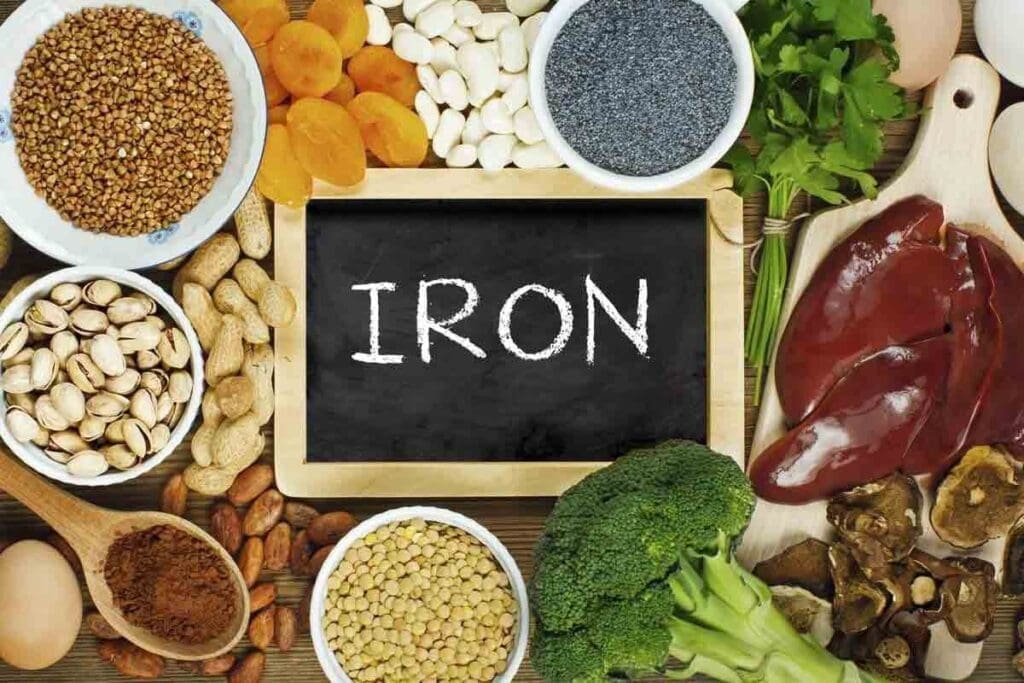
Iron is a key nutrient for carrying oxygen and making energy. It’s very important for our health. Know the daily iron requirement by age, recommended intake, and best sources for every stage.
The recommended dietary allowance (RDA) for iron changes with age. For example, babies need 11 mg from 7-12 months. Kids from 1-3 years require 7-9 mg. Adult men need 8 mg, while women need 18 mg. This shows we all need different amounts of iron.
Knowing how much iron we need every day is key. It helps us stay healthy at all ages. Getting enough iron is important to avoid health problems.
Key Takeaways
- Iron is essential for oxygen transport and energy production.
- The RDA for iron varies by age and gender.
- Infants and adult women have different iron needs.
- Adequate iron intake is vital for overall health.
- Understanding iron requirements helps prevent deficiencies.
The Vital Role of Iron in Human Health
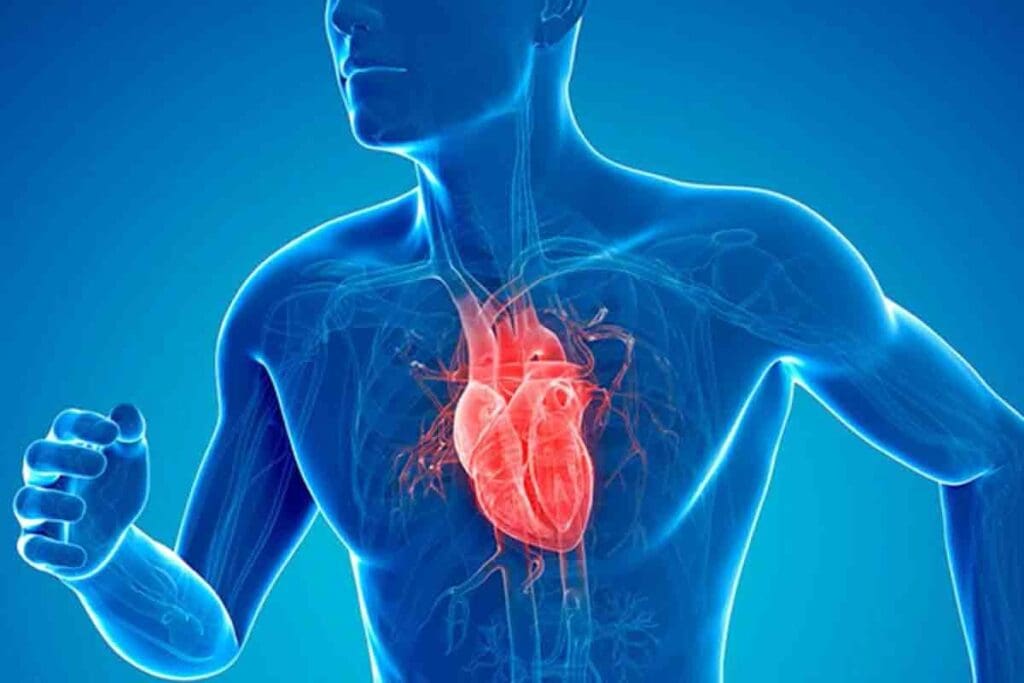
Iron is a key nutrient for our bodies. It helps with many important functions. From tiny molecules to our overall health, iron boosts energy and brain power.
Oxygen Transport and Iron
Iron is best known for carrying oxygen. It’s a big part of hemoglobin in red blood cells. This protein carries oxygen to our body’s tissues and organs.
Without enough iron, our body’s tissues and organs don’t get enough oxygen. This can make us feel tired and less productive.
Hemoglobin isn’t the only iron-dependent protein. Myoglobin in muscles also needs iron to store oxygen. This is key for quick, intense activities.
Energy Production and Cellular Metabolism
Iron is also key to making energy in cells. It’s part of the electron transport chain, which makes ATP. ATP gives cells the energy they need.
So, if we don’t have enough iron, our cells can’t make enough energy. This can make us feel tired or weak.
“Iron deficiency is the most common nutritional disorder worldwide, affecting a significant portion of the global population.”
This shows how important iron is for energy and metabolism.
Cognitive Function and Development
Iron is also important for our brains. It helps make neurotransmitters and keeps neurons healthy. In kids, iron is vital for brain growth.
If kids don’t get enough iron, they might not develop properly. They could have trouble learning and thinking.
| Cognitive Function | Impact of Iron Deficiency |
| Attention and Concentration | Decreased ability to focus |
| Memory | Impaired memory recall |
| Learning Ability | Reduced learning capacity |
It’s important to make sure we get enough iron for our brains to work well at any age.
Understanding Daily Iron Requirement by Age
The body’s need for iron changes as we grow. Iron is key for carrying oxygen, making energy, and brain growth. As we age, our iron needs change too.
Factors Affecting Iron Needs Throughout Life
Many things affect how much iron we need. These include our age, gender, and whether we’re growing fast. For example, women lose iron each month with their period. Pregnant women also need more iron for their baby and for childbirth.
When we’re young, we grow fast and need more iron. People with certain health issues or who eat special diets might need more iron, too.
Why Requirements Change with Age and Gender
Our iron needs change as we get older and as we are male or female. Babies and young kids need iron for growth. Teenage girls, who start their periods, need more iron too.
Adult men need less iron than women who are menstruating. But after menopause, women need less iron because they don’t lose blood each month. Knowing these changes helps us stay healthy.
| Life Stage | Daily Iron Requirement (mg) | Reason for Requirement |
| Infants (7-12 months) | 11 | Rapid growth and development |
| Menstruating Women | 18 | Monthly blood loss |
| Pregnant Women | 27 | Supporting fetal growth and preparing for childbirth |
| Adult Men | 8 | General health maintenance |
Signs of Adequate vs. Inadequate Iron Intake
Having enough iron means we feel good, have lots of energy, and our skin looks healthy. Not enough iron can make us tired, weak, and our skin pale. It can also hurt how well we think.
It’s important to know if we’re not getting enough iron. If we don’t get enough, it can lead to anemia. Eating foods high in iron or taking supplements can help keep us healthy.
Iron Requirements for Infants and Young Children
Knowing how much iron infants and young children need is key to their health. Iron helps them grow and function properly. It’s a vital nutrient.
Infants (7-12 months): 11 mg Daily Requirement
Infants from 7 to 12 months need 11 mg of iron every day. This is a critical time for iron intake. It supports their fast growth and development.
Iron-rich foods or supplements are a must during this period. They help prevent iron deficiency.
Children Ages 1-3 Years: 7-9 mg Daily Requirement
Children aged 1 to 3 years require 7 to 9 mg of iron daily. It’s important to introduce iron-rich foods into their diet. This helps them stay healthy.
Parents should watch for signs of iron deficiency. These include pale skin and feeling tired.
Children Ages 4-8 Years: 10 mg Daily Requirement
Children from 4 to 8 years need 10 mg of iron each day. It’s important to make sure they eat iron-rich foods. This includes lean meats and fortified cereals.
Parents and caregivers must know these iron needs. This ensures infants and young children get enough iron. Iron deficiency can cause developmental delays and health problems.
Iron Needs During Adolescence
Adolescence brings unique iron needs for boys and girls. This stage of life is marked by rapid growth and development. Iron is key in meeting the body’s increased demand for oxygen and energy.
Boys Ages 14-18 Years: 11 mg Daily Requirement
Boys aged 14 to 18 need 11 mg of iron daily. This supports their growth, including muscle and blood volume expansion. Adequate iron is vital for healthy red blood cells and for preventing deficiency.
Girls Ages 14-18 Years: 15 mg Daily Requirement
Girls in the same age group need 15 mg of iron daily. This is mainly due to menstruation, which causes blood loss. Girls need to get enough iron to replace lost blood and support growth.
Special Considerations During Puberty
Puberty brings significant changes in iron needs for both boys and girls. Increased muscle mass, blood volume changes, and menstruation for girls require careful iron intake. Adequate iron is key to preventing deficiency and ensuring health.
Parents and caregivers should watch for iron deficiency signs like fatigue and pale skin. Encourage iron-rich foods. Boys should eat heme iron sources like red meat and fish. Girls can benefit from both heme and non-heme sources, including fortified cereals and legumes.
Key Takeaways:
- Adolescent boys require 11 mg of iron daily.
- Adolescent girls require 15 mg of iron daily due to menstruation.
- Adequate iron intake is critical for preventing deficiency and supporting growth.
Adult Iron Requirements by Gender
It’s important to know how much iron adults need each day. This is because iron helps carry oxygen, makes energy, and keeps us healthy. Men and women have different needs because of how their bodies work.
Men and women need different amounts of iron because of how their bodies lose iron. The Recommended Dietary Allowance (RDA) for iron is set to meet these needs. This ensures both men and women get enough iron for good health.
Adult Men: 8 mg Daily Requirement
Adult men need 8 mg of iron every day. This helps keep their red blood cells healthy and prevents iron deficiency. Men’s iron needs stay the same as they age because they don’t lose iron like women do.
Adult Women (19-50 Years): 18 mg Daily Requirement
Women between 19 and 50 need 18 mg of iron daily. This is because they lose iron during their periods. Getting enough iron is key to keeping iron levels up and avoiding deficiency.
For women who are menstruating, it’s important to eat enough iron. The question of “how much iron should a woman have a day?” is common. The answer is 18 mg for women in this age group. This helps make up for iron lost during periods and supports health.
Post-Menopausal Women: Changing Iron Needs
After menopause, women’s iron needs go down because they don’t lose iron through periods anymore. At this time, their iron needs are more like men’s, around 8 mg per day. This change is because their iron loss has stopped, and their body’s needs have changed.
Post-menopausal women need to know these changes. This helps them adjust their diet to keep iron levels right. Knowing “how much iron a woman” needs at different times in life helps plan a healthy diet. It also helps prevent iron deficiency.
Special Iron Requirements During Pregnancy and Lactation
Iron needs go up during pregnancy. This is because the mother’s blood cells grow, and the fetus needs iron too. It’s important for the health of both the mother and the baby.
Pregnant Women: 27 mg Daily Requirement
Pregnant women need 27 mg of iron every day. This is to help with the extra blood and support the growing fetus. It’s key to avoid iron deficiency anemia, which can harm both the mother and the baby.
Key factors contributing to increased iron needs during pregnancy include:
- Expansion of maternal red blood cell mass
- Fetal iron requirements for growth and development
- Blood loss during delivery
Lactating Women: Adjusted Requirements
When breastfeeding, iron needs change to help the mother and the baby. Even though periods may stop, it’s important to keep up with iron intake. This helps refill iron stores.
Lactating women should get about 9 mg of iron daily. This is less than during pregnancy but is vital for their health and the baby’s needs.
Preventing Iron Deficiency During Pregnancy
It’s important to stop iron deficiency in pregnancy. This can be done by eating more iron-rich foods and taking supplements if needed. Both heme and non-heme iron sources are important.
Strategies for preventing iron deficiency include:
- Eat more iron-rich foods like red meat, poultry, and fortified cereals
- Drink vitamin C-rich foods with iron-rich foods to help absorption
- Don’t drink tea or coffee with meals, as they can block iron absorption
By knowing and meeting iron needs during pregnancy and breastfeeding, women can lower the risk of iron deficiency. This ensures a healthier outcome for both the mother and the baby.
Understanding Iron Measurements: DV, RDA, and Dietary Guidelines
To make sure we get enough iron, we need to know about daily values and dietary allowances. Iron is very important for our health. Its measurement standards affect how well we feel.
Daily Value (DV) for Iron Explained
The Daily Value (DV) for iron is a standard on nutrition labels. It shows how much iron a food has compared to what we need daily. For iron, the DV is 18 mg per day, for a 2,000-calorie diet. This helps us see how much iron a food gives us.
Recommended Dietary Allowance (RDA) by Age Group
The Recommended Dietary Allowance (RDA) for iron changes with age and gender. For example, babies need 11 mg of iron from 7 to 12 months. Kids aged 4 to 8 years need 10 mg daily. Adult men need 8 mg daily, while women aged 19 to 50 need 18 mg due to menstrual blood loss. Pregnant women need the most, at 27 mg per day.
Interpreting Iron Content on Nutrition Labels
It’s important to know how to read nutrition labels for iron. The %DV for iron tells us how much of our daily iron needs a food provides. For instance, if a cereal has 10 mg of iron, and the DV is 18 mg, it gives us about 56% of our daily iron. This helps us choose foods that are good for us.
By understanding these concepts, we can manage our iron intake better. This ensures we get the iron we need for good health.
Forms of Dietary Iron and Absorption Rates
Dietary iron has two main types, each with its own sources and how well the body absorbs it. Knowing about these types is key to getting enough iron.
Heme Iron: Sources and Absorption Benefits
Heme iron comes from animal products like red meat, poultry, and fish. It’s more easily absorbed by the body than non-heme iron. Sources of heme iron include:
- Red meat (beef, lamb, pork)
- Poultry (chicken, turkey)
- Fish and seafood (tuna, shrimp, sardines)
Non-Heme Iron: Plant-Based Sources
Non-heme iron is in plant foods and is harder for the body to absorb than heme iron. Yet, it’s a critical iron source. Plant-based sources include:
- Legumes (lentils, chickpeas, black beans)
- Leafy greens (spinach, kale, collard greens)
- Nuts and seeds (pumpkin seeds, sesame seeds, sunflower seeds)
- Fortified cereals
Factors That Enhance or Inhibit Iron Absorption
Many things can change how well iron is absorbed. Vitamin C helps with non-heme iron, but phytates and oxalates can block it. Key factors include:
- Vitamin C: Enhances non-heme iron absorption
- Phytates: Inhibit non-heme iron absorption
- Oxalates: Inhibit non-heme iron absorption
- Cooking in cast-iron cookware: Can increase iron intake, especially for non-heme iron
By knowing about the different types of dietary iron and how they’re absorbed, people can better meet their iron needs.
Conclusion: Optimizing Your Iron Intake for Health
Knowing how much iron you need is key to staying healthy. The amount of iron you should get daily changes based on your age, gender, and life stage. It’s important to know the recommended daily allowance for your group.
To get enough iron, eat a variety of iron-rich foods. You can meet the daily iron intake by eating both heme and non-heme iron sources. Also, pay attention to how iron absorption is affected by vitamin C and some medications.
Being aware of your iron needs and making smart food choices can help avoid iron deficiency. Meeting the daily iron intake is a simple way to improve your health. It’s a step towards a healthier life.
FAQ
What is the daily recommended intake of iron for women?
Women aged 19-50 need 18 mg of iron daily. After menopause, this drops to 8 mg.
How much iron is recommended for pregnant women?
Pregnant women should get 27 mg of iron each day. This is more than the usual amount for non-pregnant women.
What are the different forms of dietary iron?
There are two types of dietary iron. Heme iron is in animal products like red meat and poultry. Non-heme iron is in plant-based foods like beans and lentils, and in fortified cereals.
How does the body absorb heme and non-heme iron?
The body absorbs heme iron better than non-heme iron. Vitamin C can help increase non-heme iron absorption.
What is the Daily Value (DV) for iron?
The Daily Value for iron is 18 mg. It’s used on nutrition labels to show how much iron foods have compared to what you need daily.
What is the Recommended Dietary Allowance (RDA) for iron in men?
Adult men need 8 mg of iron per day.
How do iron requirements change during lactation?
Lactating women need less iron than non-pregnant women of the same age. The exact amount depends on age and other factors.
Why do iron requirements vary by age and gender?
Iron needs change with growth and development, menstrual blood loss in women, and body composition and metabolism.
What are the signs of inadequate iron intake?
Not getting enough iron can cause fatigue, weakness, pale skin, shortness of breath, and poor immune function. This can lead to iron deficiency anemia if not treated.
How can one optimize their iron intake?
To get enough iron, eat a balanced diet with iron-rich foods. Know what helps or hinders iron absorption. If needed, talk to a healthcare provider about supplements.
References
- Institute of Medicine (US) Food and Nutrition Board. (2000). Dietary Reference Intakes for Vitamin A, Iron, Folate, and Other Nutrients. National Academies Press. https://www.ncbi.nlm.nih.gov/books/NBK222309/