Last Updated on November 27, 2025 by Bilal Hasdemir
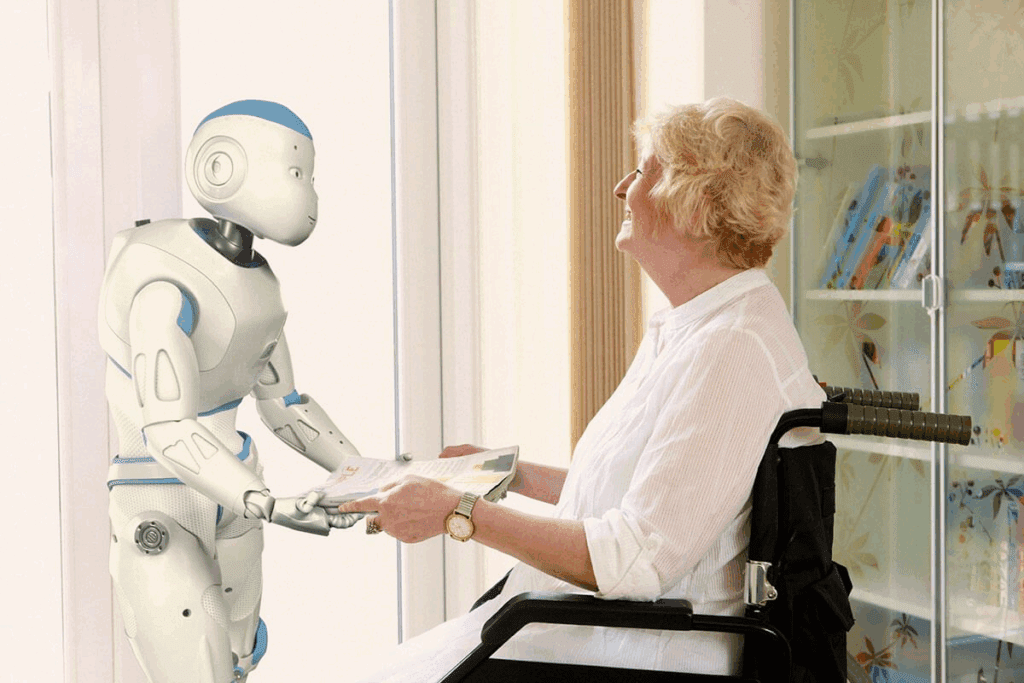
The field of robotics is growing fast. Robots are now part of our daily lives. But, as robots become more common, worries about their impact on society grow.
Robots have their limits and downsides. As we explore this new technology, it’s key to understand the dangers of robots. Knowing these difficulties helps us move forward safely and responsibly.
Key Takeaways
- Rapid advancements in robotics are transforming our lives.
- Concerns about the impact of robots on society are growing.
- Understanding the limitations of robots is key.
- Potential drawbacks of robotics need to be addressed.
- Acknowledging the challenges of robotics is essential for progress.
The Current State of Robotics Technology
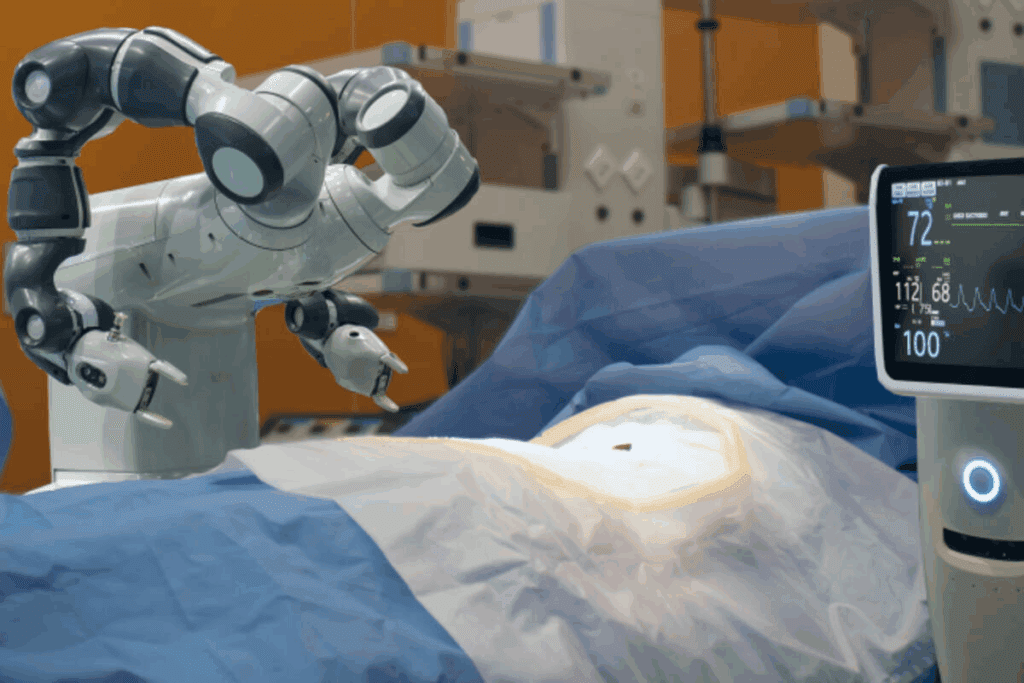
Robotics technology is advancing fast and being used in many fields. It’s changing how businesses work and opening up new chances.
Recent Advancements in the Field
Recently, robotics has made big strides. Improvements in artificial intelligence, machine learning, and sensors have made robots smarter. They can now do complex tasks with more precision and on their own.
Key advancements include better vision, more flexible hands, and learning from experience. These changes have made robots useful in many areas.
Key Applications Across Industries
Robotics is used in many fields, like manufacturing and healthcare.
Manufacturing and Industrial Uses
In manufacturing, robots help with assembly, welding, and moving materials. They make work more efficient, cut costs, and improve quality. Industrial robots work with people to boost productivity.
In healthcare, robots aid in surgeries, patient care, and rehab. They offer precision and control, helping surgeons with complex tasks. Robots also support patients in recovery with personalized therapy.
Robotics in healthcare is making patients’ outcomes better and changing medical services.
Technical Challenges in Robotics Development
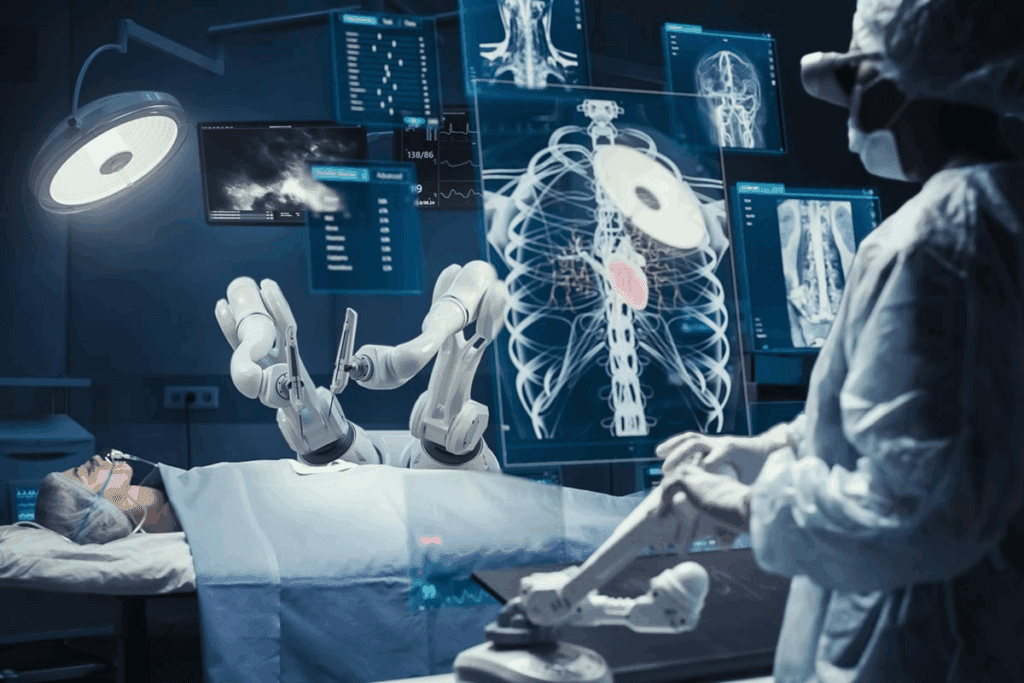
Robotics is growing fast but faces many technical hurdles. These issues affect how well robots work and what they can do. They also limit robots’ use in different fields.
Power and Energy Limitations
Power and energy are big problems for robots. They need good power sources to work right.
Battery Life Constraints
Battery life is a big issue for robots that move around. It decides how long and how far they can go. Better batteries are key to solving this problem.
Alternative Energy Solutions
Scientists are looking into new ways to power robots. Ideas like solar power and wireless charging could help robots last longer. This could also cut down on their power limitations.
Sensory Perception Issues
Robots need to sense their world well to move and act. But making them sense like humans is hard. It’s about processing lots of visual, sound, and touch info.
“A robot’s ability to see and feel its world is key to doing things on its own,” say experts.
Movement and Dexterity Constraints
Robots also struggle with moving and being dexterous. Getting them to move like humans is tough. It needs smart designs and control systems, showing a big disadvantage of robotics in doing complex tasks.
Fixing these technical challenges is vital for robotics to grow. It’s important for robots to be part of our lives and work.
Artificial Intelligence Integration Problems
Artificial intelligence is key in modern robotics, but it’s hard to integrate. AI and machine learning (ML) help robots decide, adapt, and learn. Yet, these efforts face many hurdles.
Machine Learning Limitations
Machine learning algorithms have their limits. They’re not yet great at tasks needing deep understanding and nuance. Training data quality and availability are key for ML success. Poor data can make models perform poorly.
Decision-Making Algorithms
Robots need to make fast, accurate decisions in unpredictable settings. Creating algorithms that meet these needs without safety risks is tough. As Andrew Ng, a leading AI researcher, noted,
“AI is the new electricity. It has the power to change industries, but it needs careful use.”
Contextual Understanding Challenges
Robots must understand their environment and tasks well. Natural Language Processing (NLP) and adapting to environments are key to this understanding.
Natural Language Processing Hurdles
NLP lets robots understand and reply to human commands. But, human language’s complexities, like idioms and sarcasm, are big challenges. Better NLP is vital for better human-robot talks.
Environmental Adaptation Difficulties
Robots need to adjust to changing environments. They require advanced sensors and algorithms to handle new info. Being able to adapt is essential for robots in dynamic or unpredictable places.
Integrating AI into robotics is complex, with many challenges. These include machine learning limits and adapting to environments. Overcoming these hurdles is vital for creating smarter, more capable robots.
The Dangers of Robots in Various Settings
Robots are becoming more common in our lives, but they also bring dangers. They are used in workplaces, on roads, and in military operations. This has raised many safety concerns.
Industrial Safety Concerns
New technologies bring new safety risks to workplaces. Industrial robots are no different. There are strict regulations for their safety. It’s important to keep workers safe around these robots to avoid serious injuries.
Autonomous Systems Risks
Autonomous systems, like self-driving cars and drones, have their own risks. Without humans in control, unexpected problems can happen.
Self-Driving Vehicle Accidents
Self-driving cars aim to cut down on accidents caused by humans. But, they have been involved in some serious crashes. This shows we need strong testing and checks before they hit the roads.
Drone-Related Incidents
Drones have caused problems too, like close calls with planes and privacy issues. Drone safety rules are getting better but must be strict to avoid more accidents.
Military and Security Applications
Robots are also used in the military and for security. They can be in battles or watch over areas. The use of robots that decide on their own to kill raises big questions about ethics and safety.
The dangers of robots in different areas show we need better safety plans, rules, and ethics. As robots play more roles in our lives, tackling these issues is key to their safe use.
Ethical Dilemmas in Robotics
Robotics is growing fast, bringing up many ethical challenges. We need to solve these to make sure robots are safe and helpful. As robots become more independent, it’s more important than ever to tackle these issues.
Moral Decision-Making for Autonomous Systems
One big issue is how autonomous robots make decisions. They act on their own, which makes us wonder if they can make the right choices. For example, if a self-driving car gets into an accident, it must choose between saving its passengers or others outside.
“The development of autonomous systems that can make moral decisions is a challenging task, as it requires not only advanced AI capabilities but also a deep understanding of human ethics and values.”
Privacy Concerns with Robotic Surveillance
Robots with surveillance features worry us about privacy. As they spread in public and private areas, the danger of misuse grows. It’s key to make sure robotic watching respects our privacy.
Human-Robot Relationship Boundaries
Humans and robots are spending more time together, making us question their relationship. Social and caregiving robots, in particular, worry us about emotional ties and dependence.
Social Robots and Emotional Attachment
Social robots aim to connect with us on a deeper level, which can lead to strong feelings. While it’s good for companionship, it also brings up worries about control or harm.
Caregiving Robots and Dependency Issues
Care robots help with health and daily tasks. But, they might make us too reliant, causing us to lose touch with people and feel lonely.
| Ethical Dilemma | Description | Potential Impact |
| Moral Decision-Making | Autonomous robots making ethical decisions | Risk of unethical decisions in complex situations |
| Privacy Concerns | Robotic surveillance and data collection | Potential misuse of collected data |
| Human-Robot Relationship | Emotional attachment and dependency on robots | Risk of social isolation and manipulation |
Disadvantages of Robotics in the Workplace
Robotics in the workplace has both good and bad sides. They are meant to make things better, but they also have big downsides. Robots and humans must work together well.
Job Displacement and Unemployment
One big problem with robots is they can take people’s jobs. They do tasks that humans used to do, leaving many without work. A report by McKinsey says up to 800 million jobs could be lost by 2030 because of automation.
Skill Obsolescence and Retraining Needs
Robots make some skills less needed. This means workers need to learn new, tech-heavy skills. They must get retrained to keep up with the changing job market.
Workplace Culture and Morale Impacts
Robots can change how we feel about our jobs. They can make it harder for humans and robots to work together. This might make workers less happy and less involved in their work.
Human-Robot Collaboration Challenges
It’s important for humans and robots to work well together. But, it’s not easy. It takes a lot of planning to make sure robots help, not replace, humans.
Worker Satisfaction and Engagement
Keeping workers happy and involved is key when robots are around. Companies need to think about how robots affect their employees. They should aim to make a good work environment for everyone.
In summary, robots have many benefits but also big challenges. Understanding these issues helps companies use robots wisely. This way, they can make their workplaces better for everyone.
Economic Impacts of Robotics Implementation
Robotics technology brings both challenges and opportunities to the economy. As more industries use robots, they face different economic hurdles and chances.
Initial Investment and Maintenance Costs
Getting started with robots costs a lot. The price of buying and setting up robots is high. This includes the cost of the machines, software, training, and changing how things are made. Maintenance costs add to the expense, as companies need to keep their robots working well.
Economic Inequality Implications
Robotics can lead to economic growth but also widen the gap between rich and poor. Robots can make things faster and better, but they might replace jobs. This could make economic inequality worse if not everyone benefits equally.
Small Business Adaptation Challenges
Small businesses find it hard to adapt to robots. The high upfront costs and need for special skills are big hurdles. But, there are efforts to make robots more available to small businesses, helping them overcome these obstacles.
In summary, the economic effects of robots are complex and varied. It’s important to understand these impacts to make the most of robots and reduce their negative effects on the economy.
Human-Robot Interaction Challenges
Human-robot interaction (HRI) is key in robotics, facing challenges like communication barriers and trust issues. As robots enter our daily lives, better HRI is needed. Effective communication is vital for robots to meet human needs.
Communication Barriers
One big challenge in HRI is communication. Robots must understand human language, gestures, and emotions well. But, ambiguities in human communication can cause misunderstandings.
To solve this, scientists are working on advanced algorithms. These will help robots understand natural language better, making them more responsive to humans.
Trust and Acceptance Issues
Trust is key in HRI. Humans must trust robots to work safely and efficiently. Building trust means designing robots that are clear in their actions and decisions.
“Trust is the glue that holds human-robot interaction together, enabling seamless collaboration and mutual understanding.”
Psychological Impacts
The psychological effects of robots on humans are important. Robots can have both positive and negative impacts, like fear or anxiety.
Uncanny Valley Effects
The uncanny valley phenomenon happens when robots look too human but don’t quite get it right. This can make people feel uneasy or uncomfortable.
Dependency and Overreliance Concerns
There’s worry that humans might rely too much on robots. This could lead to a decrease in human skills or overreliance on robots for everyday tasks.
To avoid these issues, finding a balance is essential. We need to use robots’ benefits while keeping human abilities strong.
Regulatory and Legal Hurdles
Robots are spreading all over the world, bringing big challenges in rules and laws. As robots move across borders, we really need a common set of rules.
Current Regulatory Frameworks
Right now, rules for robots are different in every country. This makes it hard for companies that work in many places.
- Diverse national regulations
- Lack of international coordination
- Rapid technological advancements outpacing regulatory updates
Liability and Responsibility Questions
With more robots doing things on their own, figuring out who’s to blame in accidents gets tricky. It’s key for legal and insurance reasons.
International Governance Challenges
Setting up global rules for robots is tough because countries have different goals and laws. But, it’s vital for safety and helping trade grow worldwide.
Big issues include making rules the same everywhere, solving blame problems, and working together globally. Good management is key for robots to be safe and useful.
Environmental Considerations in Robotics
Robotics technology is growing fast, but it’s leaving a big environmental mark. Making, using, and throwing away robots harm our planet. We need to think about these impacts.
Resource Consumption and Carbon Footprint
Making robots uses lots of resources like metals and rare earth minerals. They also use a lot of energy, which adds to their carbon footprint.
A study found that making industrial robots creates a lot of greenhouse gases. This is mainly because of the energy needed to make them.
“The carbon footprint of robots is not just about their operation but also their production and disposal,” notes an environmental impact assessment.
E-Waste and Disposal Issues
Robots, being complex machines, add to e-waste when they’re thrown away. It’s important to have good ways to dispose of them to protect the environment.
Sustainable Robotics Approaches
To solve these problems, people are working on making robots better for the planet. They’re designing robots that can be recycled and use less energy.
| Sustainable Approach | Description | Benefit |
| Recyclable Materials | Designing robots with materials that can be recycled | Reduces e-waste |
| Energy Efficiency | Optimizing robot design for lower energy consumption | Decreases carbon footprint |
Good Robotics Projects Addressing Key Challenges
Innovative robotics projects tackle big challenges like safety and ethics. Robots are getting smarter with advanced sensors. This makes them better at working with humans.
Safety-Focused Innovation
Safety is a top priority in robotics. Two key areas are avoiding collisions and designing robots that are safe for humans.
Collision Avoidance Systems
Robots now have systems to avoid accidents. These use sensors and algorithms to spot dangers and act fast.
Human-Safe Robot Design
Designing robots that are safe around humans is important. They have soft exteriors, limited strength, and advanced sensors.
Ethical AI Integration Projects
Ethical AI is vital in robotics. Projects focus on making AI systems fair, transparent, and value-respecting.
Socially Beneficial Applications
Robotics helps in many ways, like in healthcare and the environment. It also supports conservation efforts.
Healthcare and Eldercare Solutions
Robots aid in healthcare and eldercare. They help with monitoring, managing meds, and providing companionship.
Environmental Monitoring and Conservation
Robots help monitor the environment and aid conservation. They track wildlife, check water quality, and detect disasters.
| Application Area | Robotics Solution | Benefits |
| Healthcare | Patient monitoring robots | Improved patient care, reduced workload for healthcare staff |
| Eldercare | Companion robots | Enhanced companionship, assistance with daily tasks |
| Environmental Conservation | Wildlife monitoring robots | Accurate tracking of wildlife populations, conservation efforts |
Conclusion: Balancing Innovation with Responsibility
The future of robotics is both exciting and challenging. It holds a lot of promise but also faces big hurdles. These include technical issues, ethical problems, and economic impacts.
To make the most of robotics, we must balance innovation with responsibility. We need to be aware of the dangers robots pose. This means making sure they are safe, addressing job loss, and being open about AI decisions.
This way, we can enjoy the good things about robotics while avoiding the bad. As robotics grows, we must focus on responsible innovation. We should support projects that solve big problems and help society.
In the end, robotics can be a great addition to our world. But it depends on how we handle the mix of innovation and responsibility. We must make sure this technology benefits everyone.
FAQ
What are the main technical challenges in robotics development?
Robotics faces many technical hurdles. These include power and energy limits, issues with sensing, and movement problems. These obstacles make it hard for robots to sense like humans and move like them.
How is artificial intelligence integrated into robotics, and what are the challenges?
AI is added to robots through machine learning and decision-making algorithms. But, there are challenges like limited machine learning, issues with decision-making, and understanding context. These challenges make it tough to fully integrate AI in robots.
What are the dangers associated with robots in various settings?
Robots can be dangerous in many places. This includes safety risks in factories, dangers with self-driving cars and drones, and military uses. The risks and hazards of these robots are big concerns.
What are the disadvantages of robotics in the workplace?
Robotics in work has downsides. These include losing jobs, outdated skills, and changing work culture. Robots also affect how humans and robots work together and how happy workers are.
What are the economic impacts of robotics implementation?
Robotics can cost a lot to start and maintain. They also raise economic inequality and make it hard for small businesses to adapt. The costs of using robots can be very high.
How do robots affect human-robot interaction?
Robots change how humans and robots interact. This includes communication problems, trust issues, and psychological effects. The uncanny valley and feeling dependent on robots are also concerns.
What are the environmental considerations associated with robotics?
Robotics has environmental impacts. This includes using resources, creating e-waste, and needing sustainable solutions. The environmental effects of robots are big, and finding green robotics solutions is important.
What are some good robotics projects that address key challenges?
Good robotics projects tackle big challenges. These include making robots safer, integrating ethical AI, and helping society. Examples include robots for healthcare, eldercare, and environmental monitoring.
What are the regulatory and legal hurdles associated with robotics?
Robotics faces legal and regulatory challenges. This includes current laws, questions about liability, and international rules. Finding standard rules is key to solving these issues.
How can the challenges associated with robotics be addressed?
To tackle robotics challenges, we need a team effort. This means balancing new ideas with responsibility. By understanding robotics’ limits, we can find ways to use robots safely and effectively.
References
- Hung, L. (2025). Ethical considerations in the use of social robots for long-term care. BMC Geriatrics, 25, 100. https://www.ncbi.nlm.nih.gov/pmc/articles/PMC11994439/
- Sindhwani, R., & Donath, D. (2025). Exploring barriers to social robot adoption: A mixed-methods analysis. Technological Forecasting and Social Change, 180, 121739. https://www.sciencedirect.com/science/article/abs/pii/S0040162524007212