Last Updated on October 21, 2025 by mcelik
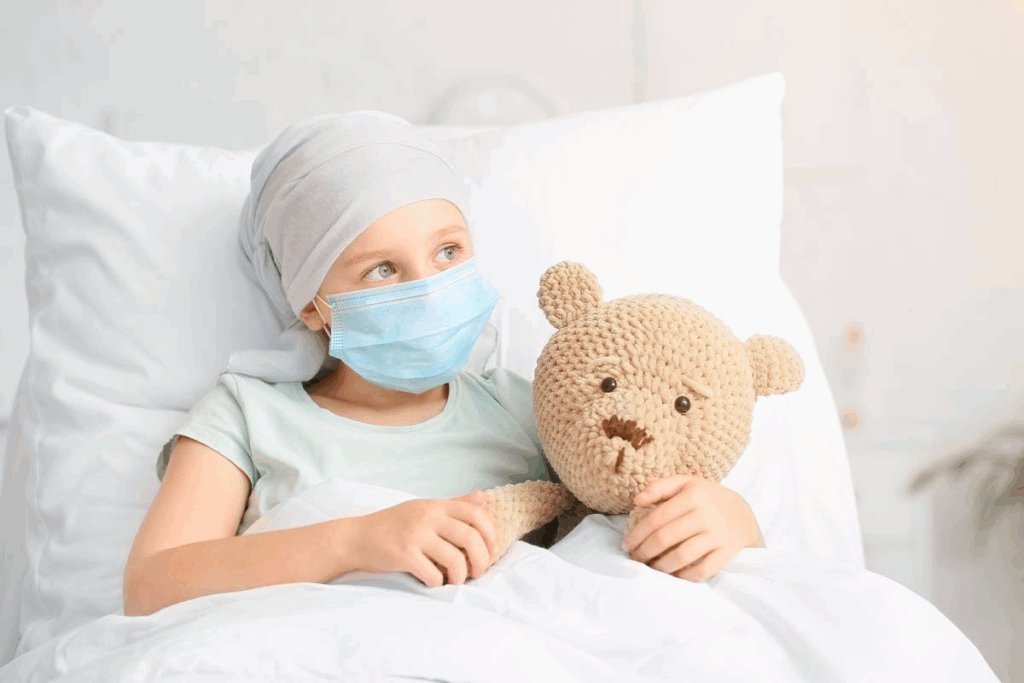
Brain cancer is now the leading cause of cancer-related deaths in children. It has surpassed leukemia, as the U.S. Centers for Disease Control and Prevention (CDC) reports. Discover the deadliest cancer in children and current survival rates for pediatric cases.
This change shows we need to know more about childhood cancer mortality rates.
Exploring this issue, we see brain cancer is the deadliest cancer in children. It’s a big challenge in the battle against childhood cancer.
Key Takeaways
- Brain cancer is now the leading cause of cancer deaths among children.
- The CDC reports a shift from leukemia to brain cancer as the most lethal pediatric cancer.
- Understanding childhood cancer mortality rates is key for finding better treatments.
- We must raise awareness to fight the growing death rates from brain cancer in kids.
- It’s vital to research the causes and treatments of brain cancer in children.
Understanding Childhood Cancer
It’s important to understand childhood cancer to improve treatment and outcomes. Childhood cancer includes many types of cancers that affect kids. Each type has its own challenges and needs.
Childhood cancer is a big health issue worldwide. It needs a complete approach for diagnosis, treatment, and care. Healthcare providers, researchers, and families must work together to tackle this complex disease.
Definition and Overview
Childhood cancer happens in kids under 15. It can occur anywhere in the body and is different from adult cancers. The most common types include leukemia, brain tumors, and lymphomas.
Leukemia is the most common childhood cancer, making up about 30% of cases. Brain and other central nervous system tumors are also common. They have a high mortality rate and require complex treatments.
Types of Cancer in Children
Childhood cancers come in many forms, each with its own severity and prognosis. The most common types are:
- Leukemia
- Brain and other central nervous system tumors
- Neuroblastoma
- Wilms tumor
- Lymphoma
To understand the distribution and mortality rates of these cancers, let’s look at the following table:
| Type of Cancer | Relative Frequency | Mortality Rate |
| Leukemia | 30% | Low to Moderate |
| Brain and CNS Tumors | 25% | High |
| Neuroblastoma | 6% | Moderate to High |
| Wilms Tumor | 5% | Low |
| Lymphoma | 4% | Low to Moderate |
The table shows leukemia is the most common childhood cancer. But, brain and central nervous system tumors have a higher mortality rate. They are very challenging to treat.
The Deadliest Types of Cancer in Children
Cancer in children is a harsh reality that no family expects to face. Some types of cancer are more deadly than others. We will look at the statistics on childhood cancer mortality, focusing on brain tumors and neuroblastoma.
Statistics on Childhood Cancer Mortality
Childhood cancer is a significant cause of death worldwide. Brain cancer remains the deadliest pediatric cancer, causing more deaths than any other type. Thanks to medical advancements, pediatric cancer survival rates have improved. But the survival rate for some aggressive cancers is low.
A Closer Look at Brain Tumors
Brain tumors are abnormal growths of cells within the brain. In children, these tumors can be very aggressive. Brain tumor in children is a leading cause of cancer-related deaths.
Treatment often involves surgery, radiation therapy, and chemotherapy. Despite these efforts, some children’s prognosis remains poor. This highlights the need for more research into effective treatments.
Understanding Neuroblastoma
Neuroblastoma is another aggressive form of cancer that mainly affects young children. It starts in the adrenal glands but can also develop in other areas. The neuroblastoma survival rate depends on the stage and age of the child at diagnosis.
Early detection is key to improving survival chances. Understanding the deadliest pediatric cancers, like brain tumors and neuroblastoma, is vital. By advancing our knowledge and treatment options, we can improve pediatric cancer survival rates. This will help ensure every child diagnosed with cancer has the best chance of survival.
Key Risk Factors for Childhood Cancer
Pediatric cancer risk factors
Childhood cancer is shaped by genetics, environment, and lifestyle. Knowing these factors helps us spot and prevent cancer early.
Genetic Predispositions
Genetics are a big part of childhood cancer. Kids with Down syndrome or other genetic syndromes face higher cancer risks. Genetic mutations can also lead to cancer.
Studies show kids with a family history of cancer are more likely to get it too. So, knowing your family’s health history is key.
Environmental Influences
Environmental factors are also key. Ionizing radiation, for example, raises cancer risks. Chemicals and pollutants in the air and water can also play a part.
“Reducing exposure to environmental carcinogens is a key strategy in preventing childhood cancer.” – A Pediatric Oncologist
Lifestyle Factors
Lifestyle choices can also affect cancer risk. What a mom is exposed to during pregnancy can impact a child’s risk. Parental habits, like smoking, and early diet also matter.
- Maternal health and exposure during pregnancy
- Parental lifestyle choices, such as smoking
- Diet and nutrition in early childhood
By grasping these risk factors, we can lower childhood cancer rates and better treat it.
Warning Signs and Symptoms
It’s key to spot the warning signs and symptoms of childhood cancer early. Knowing what to look for can help in getting treatment sooner. Understanding childhood cancer and its types is important, but knowing the symptoms is just as vital.
Common Symptoms to Watch For

Childhood cancer can show up in many ways. Some symptoms are similar to common illnesses. Here are some common ones:
- Persistent Fever: Fever that keeps coming back without a clear reason.
- Unexplained Weight Loss: Losing weight without a clear cause, which can be a serious sign.
- Fatigue: Feeling very tired or weak, making it hard to do daily tasks.
- Pain or Swelling: Persistent pain or swelling, mainly in one area of the body.
- Easy Bruising or Bleeding: Bruising or bleeding easily, or seeing small red spots on the skin.
When to Seek Medical Advice
If your child shows any of these symptoms, see a doctor right away. Early detection can greatly improve treatment results.
| Symptom | What to Look For | Action |
| Unexplained Weight Loss | Significant weight loss over a short period | Consult a doctor |
| Recurring Fever | Fever that recurs or persists | Seek medical evaluation |
| Unusual Bruising | Easy bruising or petechiae | Visit a healthcare provider |
It can be tough to know when a symptom is serious enough to see a doctor. But, if you’re worried about your child’s health, it’s better to be safe and ask for a doctor’s advice.
Diagnosis of Childhood Cancer
Getting a correct diagnosis is key in fighting childhood cancer. It lets us create effective treatment plans. To diagnose cancer in kids, we use many tests and exams. These help us find out what kind and stage of cancer it is.
Diagnostic Tools and Techniques
We use different tools and methods to find childhood cancer. Here are some:
- Imaging Tests: Like X-rays, CT scans, MRI scans, and PET scans. They let us see the tumor and how big it is.
- Biopsy: This is when we take a piece of the tumor for a microscope check. It helps us see if there are cancer cells.
- Blood Tests: These tests look for odd blood levels that might show cancer.
- Lumbar Puncture: It checks for cancer cells in the cerebrospinal fluid.
Importance of Early Detection
Finding cancer early is very important. It makes treatment more likely to work. Early detection means less chance of serious problems later.
| Benefits of Early Detection | Description |
| Improved Survival Rates | Early detection means starting treatment sooner. This can lead to better survival chances. |
| Less Aggressive Treatment | Early cancers might need less harsh treatments. This lowers the risk of lasting side effects. |
| Better Quality of Life | Early treatment can make a child healthier and improve their life quality. |
We stress the need to know the signs of childhood cancer. If you notice anything odd, get medical help right away.
Treatment Options for Childhood Cancer
Medical science has made great strides in treating childhood cancer. Finding the right treatment can be tough, but it’s key to look at all options.
Overview of Standard Treatments
For childhood cancer, treatments often include chemotherapy, radiation therapy, and surgery. These methods are used alone or together, based on the cancer type and stage.
- Chemotherapy uses drugs to kill cancer cells.
- Radiation therapy targets and destroys cancer cells with high-energy rays.
- Surgery aims to remove tumors or affected areas.
Each treatment has its own benefits and side effects. For example, chemotherapy is good for cancer that has spread, but it can cause hair loss and fatigue.
Innovative Therapies
New therapies are being developed to help children with cancer. These include:
- Targeted therapy, which uses drugs that target cancer cells, sparing healthy cells.
- Immunotherapy, which uses the immune system to fight cancer.
- Gene therapy, which changes genes to prevent or treat cancer.
These new methods offer hope for children with cancer. They might provide better and less invasive treatments.
Palliative Care
Palliative care is a vital part of treating childhood cancer. It focuses on easing symptoms and stress of serious illness. The goal is to improve life quality for the child and their family.
“Palliative care is not just for end-of-life care; it’s about living as fully as possible, regardless of the stage of the illness.”
National Cancer Institute
Adding palliative care to treatment plans helps families get the support they need. It addresses physical, emotional, and social needs.
The Role of Pediatric Oncologists
Pediatric oncologists are key in treating children with cancer. They have the skills to handle the complex needs of these young patients.
What They Do
Pediatric oncologists diagnose and treat different cancers in kids. Their tasks include:
- They do detailed medical checks and tests to find out the cancer type and stage.
- They create and follow treatment plans. This might include chemotherapy, radiation, surgery, or a mix of these.
- They give ongoing care and support to kids and their families during treatment.
- They work with other doctors and nurses to make sure kids get all the care they need.
Importance of Specialized Care
The care from pediatric oncologists is vital for kids with cancer. Specialized care brings many benefits, like:
- Improved Survival Rates: Pediatric oncologists use the most effective treatments, which leads to better survival chances.
- Personalized Treatment Plans: They understand each child’s needs and create treatment plans that work best for them.
- Comprehensive Support: They and their teams offer emotional and psychological support to the child and their family.
Pediatric oncologists play a huge role in the lives of kids with cancer and their families. Their knowledge and care are essential for effective treatment.
Prognosis and Survival Rates
Understanding the prognosis and survival rates for childhood cancer is key for families. We will look at the factors that affect these rates and give an overview of the current statistics.
Survival Rates by Cancer Type
Survival rates for childhood cancer vary a lot depending on the type. Some cancers have much higher survival rates than others.
For example, Acute Lymphoblastic Leukemia (ALL), the most common childhood cancer, has seen a big improvement. Today, survival rates are over 90% in many places.
| Type of Cancer | 5-Year Survival Rate |
| Acute Lymphoblastic Leukemia (ALL) | 90% |
| Neuroblastoma | 80% |
| Brain Tumors | 75% |
Factors Affecting Prognosis
Several factors influence a child’s cancer prognosis. These include the child’s age at diagnosis, the cancer’s stage, and how well it responds to treatment.
Age is a big factor, as younger children often have different outcomes than older ones. The stage of cancer at diagnosis also matters a lot, with earlier stages usually leading to better outcomes.
We are seeing big improvements in treatment and care for children with cancer. These advancements are helping to increase survival rates and better outcomes for kids around the world.
Support for Families Affected by Childhood Cancer
Support for families affected by childhood cancer
When a child gets cancer, the whole family feels it. Getting help is key. The journey is tough, both emotionally and financially.
Families need a strong support system. This includes emotional, psychological, and financial help. It lets them focus on the child’s recovery.
Emotional and Psychological Support
Emotional and psychological support is key for families with childhood cancer. It helps them deal with stress, anxiety, and uncertainty. This support is vital during diagnosis and treatment.
- Counseling Services: Professional counseling helps families manage their feelings and keep things normal.
- Support Groups: Meeting other families going through the same thing is very helpful. It offers a sense of community and understanding.
- Respite Care: Temporary care gives families a much-needed break. It lets them recharge.
One parent said, “The support from other families and counseling was priceless. It helped us through the toughest times.” Many families agree, saying support services were invaluable.
“The emotional support we received was critical. It helped us deal with the diagnosis and treatment.”
A parent’s testimonial
Resources and Organizations
Many organizations help families with childhood cancer. They offer financial aid, educational materials, and advocacy.
- Cancer Support Organizations: Groups like the American Cancer Society and the Children’s Cancer and Blood Foundation provide financial aid and emotional support.
- Online Resources: Websites and forums offer information, support groups, and counseling services.
- Local Community Support: Local communities often help families with practical and emotional support.
Using these resources and support systems helps families face childhood cancer. It ensures they get the care they need.
Research and Advances in Childhood Cancer Treatment
The field of childhood cancer treatment is changing fast. New research is helping kids live longer and feel better. We’re finding new ways to fight this tough disease.
Current Research Trends
Scientists are studying the genes and molecules that cause childhood cancer. This helps them create treatments that work better and have fewer side effects.
Immunotherapy is a big hope. It uses the body’s immune system to attack cancer. Clinical trials show it’s helping kids with cancer live longer.
Breakthroughs in Treatment Options
New treatments are changing how we fight childhood cancer. For example, personalized medicine lets doctors create plans just for each child.
| Treatment Option | Description | Benefits |
| Immunotherapy | Harnesses the body’s immune system to fight cancer | Improved outcomes, fewer side effects |
| Targeted Therapy | Targets specific genetic or molecular mechanisms | More effective, less toxic |
| Personalized Medicine | Tailors treatment plans to individual patient needs | Better outcomes, improved quality of life |
These new treatments show the power of medical research. We’re dedicated to giving kids with cancer the best care possible.
Raising Awareness for Childhood Cancer
Fighting childhood cancer needs everyone’s help, starting with awareness. Childhood cancer is a big problem worldwide. Knowing its impact is key to making a change.
Importance of Advocacy
Advocacy is key in the fight against childhood cancer. By raising awareness, we help kids get diagnosed and treated on time. Advocacy efforts include:
- Educating the public about childhood cancer signs and symptoms
- Supporting families going through childhood cancer
- Pushing for policy changes to better cancer care for kids
Strong advocacy can lead to more research funding, better family support, and better outcomes for kids with cancer.
How to Get Involved
There are many ways to help raise awareness for childhood cancer:
| Activity | Description | Impact |
| Participate in Awareness Campaigns | Join global and local campaigns to raise awareness about childhood cancer. | Boosts public knowledge and understanding. |
| Fundraising Events | Organize or join fundraising events to support research and treatment. | Helps fund research and support families. |
| Volunteer | Volunteer at hospitals, support groups, and organizations focused on childhood cancer. | Provides emotional support to families and helps with daily tasks. |
Every action counts, whether it’s joining a fundraiser, volunteering, or just spreading the word about childhood cancer. Together, we can greatly impact the lives of children fighting cancer.
Conclusion: Hope for the Future
Looking at the deadliest cancer for kids, we see hope. Advances in research and treatment give us a positive outlook. These changes have improved care for many young patients.
Advances in Medical Research
New discoveries in medical research have brought us closer to better treatments. We’re seeing more targeted and personalized care. This is making life better for kids with cancer.
Community Support: A Cornerstone of Care
Community support is key. Families with kids fighting cancer need help from all around. By supporting research and awareness, we can make a difference.
Together, we can create a better future for kids with cancer. Medical progress and community support will lead the way. We’re hopeful for a future where every child can thrive.
FAQ
What is the most common type of childhood cancer?
Leukemia is the most common childhood cancer, making up about 30% of all cases. It affects the blood and bone marrow.
Why is brain cancer now considered the deadliest form of childhood cancer?
Brain cancer is now the deadliest childhood cancer, according to the CDC. This is because it’s hard to treat and has a high death rate.
What are the risk factors for childhood cancer?
Risk factors include genetics, environment, and lifestyle. Knowing these can help find and prevent childhood cancer early.
What are the common warning signs and symptoms of childhood cancer?
Signs include tiredness, weight loss, pain, and changes in skin or eyes. If these last, seek medical help.
How is childhood cancer diagnosed?
Doctors use tests like imaging, biopsies, and blood tests to diagnose. Early detection is key to better survival rates.
What are the treatment options for childhood cancer?
Treatments include chemotherapy, radiation, and surgery. New therapies and palliative care are also options, depending on the cancer type.
What is the role of pediatric oncologists in treating childhood cancer?
Pediatric oncologists give specialized care and support to families. They guide through the treatment process.
What are the survival rates for different types of childhood cancer?
Survival rates vary by cancer type. Knowing these rates helps families understand their child’s prognosis.
How can families affected by childhood cancer get support?
Families can find support from groups, counseling, and online resources. These offer emotional and psychological help.
What is being done to advance research in childhood cancer treatment?
Researchers are working on new treatments like targeted therapies and immunotherapies. This aims to improve cancer care.
How can I get involved in raising awareness for childhood cancer?
You can help by joining advocacy, fundraising, and community events. These support research and families affected by cancer.
What is the prognosis for children diagnosed with neuroblastoma?
Neuroblastoma prognosis varies by tumor stage and biology. Low-risk cases have better survival rates, while high-risk cases need more treatment.
What are the most aggressive pediatric cancers?
Aggressive cancers include some brain tumors like glioblastoma. Ewing’s sarcoma and rhabdomyosarcoma are also rare but aggressive.
References:
- Kremer, V. (2024). The role of Pediatric Surgery in childhood cancer. PMC. https://pmc.ncbi.nlm.nih.gov/articles/PMC11164278/