Last Updated on November 26, 2025 by Bilal Hasdemir
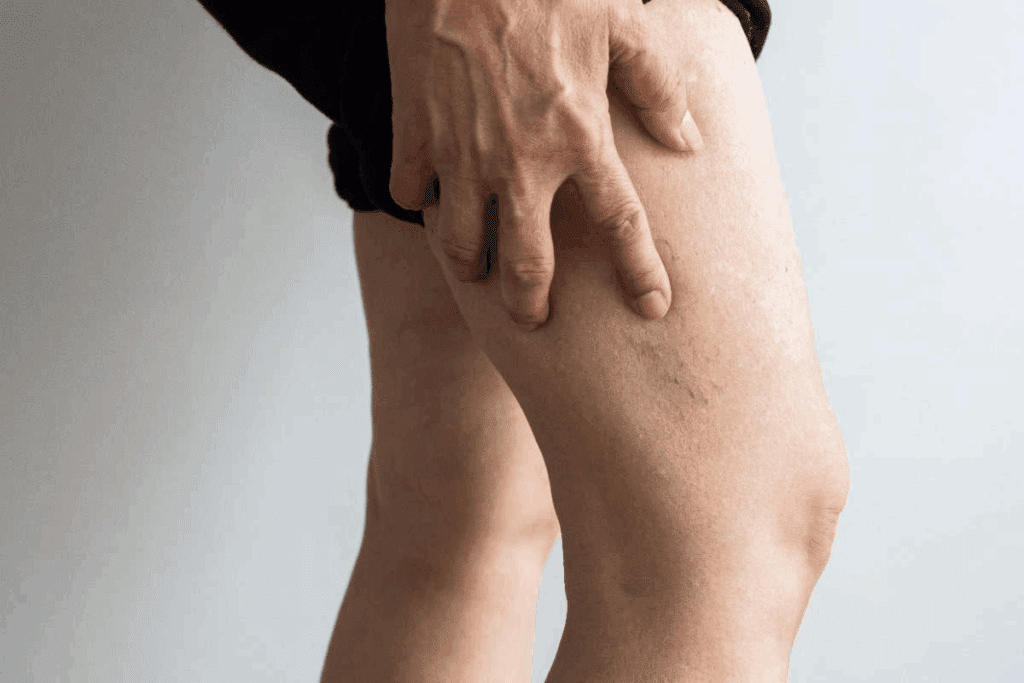
We know how scary blood clots in the legs can be. Deep Vein Thrombosis (DVT) happens when a blood clot forms in deep veins, usually in the legs. Sometimes, surgery is needed to remove the clot and get blood flowing again. Considering deep vein thrombosis surgery? Learn 7 critical facts about the steps, the risks, and how this operation removes clots in legs.
DVT surgery, or surgical thrombectomy, removes the blood clot from the vein. We do this surgery for big clots or when there’s a high risk of serious problems, like pulmonary embolism. We use the newest medical methods and focus on the patient to treat effectively and avoid lasting harm.
Key Takeaways
- DVT surgery is considered for extensive clots or those resistant to medication.
- The procedure aims to remove the blood clot and restore normal blood flow.
- Surgical thrombectomy is performed to prevent complications like pulmonary embolism.
- A patient-centered approach is used to tailor treatment to individual needs.
- Advanced medical techniques are utilized to ensure effective clot removal.
Understanding Deep Vein Thrombosis (DVT)
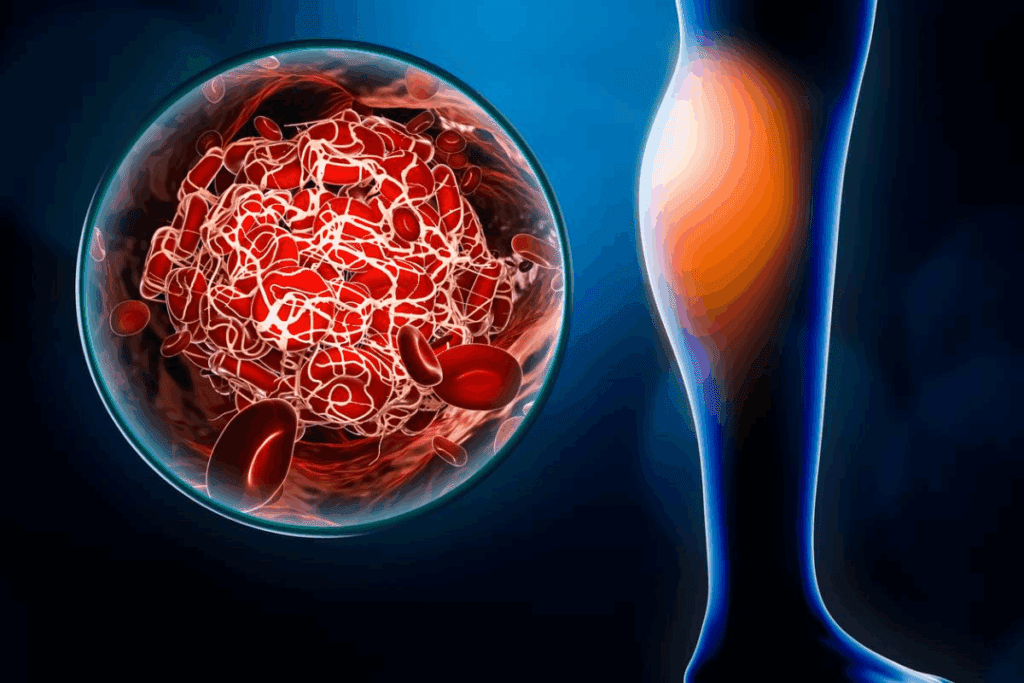
Deep vein thrombosis is a serious condition where blood clots form in deep veins, usually in the legs. It’s important to know the causes, risk factors, and symptoms to understand it better.
What Causes Blood Clots in Leg Veins
Blood clots in leg veins, or DVT, happen when blood flow is blocked or when the body’s clotting gets out of balance. Immobility, like being bedridden for a long time, traveling far, or being paralyzed, is a big risk. Other causes include injury to the veins, genetic conditions that affect clotting, and cancer, which makes blood clot more easily.
Risk Factors for Developing DVT
There are several risk factors for DVT. These include:
- Age: The risk goes up after 40.
- Family History: If you have a family history of DVT or clotting conditions.
- Obesity: Being very overweight or obese.
- Smoking: Smoking damages blood vessel linings, making them more prone to clots.
- Certain Medical Conditions: Like heart disease, cancer, and inflammatory diseases.
Symptoms and Warning Signs
It’s important to know the symptoms of DVT to get early treatment. Common signs include:
- Swelling in the affected leg.
- Pain or Tenderness, feeling like cramping or soreness.
- Warmth or Redness in the clot area.
If you have these symptoms and they don’t go away or get worse, see a doctor right away. Early treatment can stop serious problems like pulmonary embolism.
Diagnosing Blood Clots in Legs

Healthcare professionals use many methods to find DVT. They start with physical checks and then use imaging and blood tests. This detailed approach helps get a correct diagnosis. It’s key for treating the condition and avoiding serious problems.
Physical Examination Techniques
Checking the body is the first step in finding DVT. Doctors look for swelling, redness, and warmth in the leg. They also check for tenderness in the veins.
Key physical examination techniques include:
- Inspecting the legs for visible signs of DVT
- Palpating the legs to detect tenderness
- Measuring the circumference of the legs to assess swelling
Imaging Tests for DVT Confirmation
Imaging tests are key to confirming DVT. Duplex ultrasound is the most common test. It uses ultrasound and Doppler ultrasonography to see blood flow in veins.
- Venography: An X-ray test that involves injecting a special dye into the veins to visualize the clot
- MRI: Magnetic Resonance Imaging can be used to diagnose DVT, specially in the pelvic veins or inferior vena cava
Blood Tests to Assess Clotting Factors
Blood tests are important for diagnosing DVT. They check the blood’s clotting factors. The D-dimer test is the most used. It measures a protein fragment when a blood clot dissolves.
| Diagnostic Method | Description | Key Benefits |
| Physical Examination | Initial assessment for signs of DVT | Non-invasive, quick, and cost-effective |
| Duplex Ultrasound | Imaging test to visualize blood flow and clots | High accuracy, non-invasive |
| D-dimer Test | Blood test to assess clotting factors | Helps rule out DVT, quick results |
Non-Surgical Treatment Options for DVT
Many patients start with non-surgical treatments for DVT. We’ll cover the main options: anticoagulation therapy, compression stockings, and lifestyle changes. These methods help prevent more clots, lower the risk of serious problems, and ease symptoms.
Anticoagulation Therapy
Anticoagulation therapy is key in treating DVT. It uses medicines to stop new clots and prevent existing ones from growing. Learn more about other treatments for blood. Doctors usually keep patients on these medicines for at least 3 months. But, the exact time depends on the patient’s risk factors and the clot’s cause.
Compression Stockings
Compression stockings are also important in managing DVT. They apply pressure to the legs to boost blood flow and lessen swelling. Using compression stockings correctly can greatly lower the chance of post-thrombotic syndrome. This condition causes chronic pain, swelling, and skin color changes.
Lifestyle Modifications
Lifestyle changes are essential in managing DVT. Patients are often told to make several changes to lower their risk of clotting again. These include:
- Increasing physical activity
- Maintaining a healthy weight
- Avoiding prolonged periods of standing or sitting
- Staying hydrated
Regular exercise, in particular, can help improve circulation and overall cardiovascular health.
“Lifestyle modifications, combined with medical treatment, can significantly improve outcomes for patients with DVT.”
When Is Deep Vein Thrombosis Surgery Necessary?
Deciding on DVT surgery depends on several key factors. These factors show how serious the condition is and if surgery is needed.
Extensive Clot Formation
Extensive clot formation is a main reason for DVT surgery. A big clot in a vein can cause severe symptoms and problems. In these cases, removing the clot surgically is often the best treatment.
Medication Resistance Cases
Some patients don’t get better with medicine, or they have bad side effects. For these medication resistance cases, surgery is a good option to manage the condition well.
Risk of Pulmonary Embolism
People at high risk of pulmonary embolism, a serious condition, might need surgery. DVT surgery can stop the clot from moving to the lungs.
Severe Symptoms and Complications
If DVT causes severe symptoms or problems, like a lot of pain, swelling, or skin ulcers, surgery might be needed. It can help ease these issues and improve the patient’s life quality.
In short, DVT surgery is needed for big clots, not responding to medicine, high risk of pulmonary embolism, and severe symptoms or problems. Quick surgery can greatly help patients.
- Extensive clot formation
- Medication resistance
- Risk of pulmonary embolism
- Severe symptoms and complications
Knowing these factors helps doctors choose the best treatment for DVT patients.
Patient Selection Criteria for DVT Operation
Choosing to have surgery for DVT is a big decision. We look at several important factors to make sure patients get the right treatment.
Contraindications for Anticoagulant Therapy
When deciding on DVT surgery, we first check if anticoagulants are safe. Anticoagulants are usually the first choice for treating DVT. But, some patients might not be able to take them.
- Bleeding Risks: If a patient is at high risk of bleeding, anticoagulants might not be safe.
- Allergic Reactions: Patients allergic to anticoagulant drugs should avoid them.
- Severe Kidney or Liver Disease: Some anticoagulants are processed by the kidneys or liver. Severe disease in these organs can make anticoagulants unsafe.
Assessing Patient’s Overall Health
Looking at a patient’s overall health is key when choosing DVT surgery. We check several health factors to see if surgery is right for them.
Important health factors include:
- Other serious medical conditions that could make surgery or recovery harder.
- The patient’s age and physical condition.
- How they’ve done with surgery or anticoagulants before.
Risk-Benefit Analysis for Surgical Intervention
Doing a detailed risk-benefit analysis is vital for deciding on DVT surgery. We compare the surgery’s benefits to its risks and possible complications.
The benefits of DVT surgery might be:
- Lowering the chance of pulmonary embolism.
- Helping with severe DVT symptoms.
- Stopping long-term vein damage.
By carefully looking at these factors, we can make smart choices about DVT surgery. This helps us get the best results for our patients.
Deep Vein Thrombosis Surgery: Primary Procedures
The main aim of DVT surgery is to clear blood clots and improve blood flow in the leg. Surgery is an option when the condition is severe or doesn’t get better with other treatments.
Catheter-Directed Thrombolysis
Catheter-directed thrombolysis is a less invasive method. It uses a catheter to deliver medicine directly to the clot. This method dissolves the clot and improves blood flow. It has the benefit of lower bleeding risk and quicker recovery than other treatments.
Mechanical Thrombectomy
Mechanical thrombectomy removes the clot using a mechanical device. It’s often paired with catheter-directed thrombolysis. Together, they can lead to better results by ensuring the clot is fully removed.
Angioplasty and Venous Stenting
Angioplasty and venous stenting widen and keep veins open. A balloon is used to expand the vein, and a stent is placed to keep it open. This method helps avoid blockages and keeps the vein open long-term.
The choice of surgery depends on several factors. These include how big the clot is, the patient’s health, and any other issues. Our team carefully considers each case to find the best treatment.
- Catheter-directed thrombolysis: Effective for dissolving clots and restoring blood flow.
- Mechanical thrombectomy: Useful for physically removing clots, even large ones.
- Angioplasty and venous stenting: Helps keep veins open and prevents blockages.
Knowing about DVT surgery options helps patients make better choices. Our goal is to offer full care and support during treatment.
Minimally Invasive Techniques for Blood Clot Removal
Minimally invasive techniques have changed how we treat Deep Vein Thrombosis (DVT). They offer safer options than traditional surgery. These new methods have made recovery faster and reduced complications.
Endovascular Approaches
Endovascular methods are key in treating DVT without big surgery. They use a small cut to reach the vein with a catheter. This way, treatments like catheter-directed thrombolysis and mechanical thrombectomy can target the clot directly.
- Catheter-directed thrombolysis sends clot-dissolving medicine to the clot.
- Mechanical thrombectomy uses tools to remove the clot.
A study in the Journal of Vascular Surgery found endovascular therapy works well. It shows good clot removal and better vein health.
Benefits of Minimally Invasive Procedures
These DVT treatments have many advantages:
- They let patients recover faster, getting back to normal sooner.
- They have fewer complications than open surgery.
- Patients feel less pain and discomfort after.
- They leave smaller scars because of the smaller cuts.
Dr. Suresh Vedantham, a top expert in interventional radiology, says, “These new methods have changed how we treat DVT. They offer effective treatments with fewer risks and quicker recovery.” This shows how important these methods are in today’s vascular care.
Technological Advancements in DVT Surgery
New technologies have helped make DVT treatments better. Advances in catheter design, imaging, and clot-dissolving drugs have made these treatments safer and more effective.
For example, using intravascular ultrasound and fluoroscopy has made endovascular procedures more precise. These tools let doctors watch the procedure in real-time. This means they can remove clots more accurately and safely.
As we keep improving in vascular medicine, we’ll see even better treatments for DVT. This will lead to better health and quality of life for patients.
Preparing for Surgery for Blood Clots in Leg
We help our patients get ready for DVT surgery. We make sure they know what to do and are ready. This is key for a good surgery and to avoid problems.
Pre-Surgical Assessments
We do detailed checks before surgery. We look at the patient’s health and the blood clot. We use tests like ultrasound to see where and how big the clot is.
We also check the patient’s past health, surgeries, allergies, and current conditions.
Key assessments include:
- Imaging tests to visualize the clot
- Blood tests to check for clotting disorders
- Review of medical history
- Physical examination
Medication Adjustments
We often change medications before DVT surgery. We look at what drugs the patient is taking. We might stop some to lower the risk of bleeding during surgery.
It’s important for patients to tell us about all their medications, including supplements and herbal remedies.
What to Expect Before the Procedure
Before surgery, patients will go through several steps. We give them clear instructions on what to do before surgery. This includes fasting, hygiene, and home preparations.
We also tell them to bring someone to the hospital. This person will help them after the surgery.
By knowing what to expect, patients can feel more confident. Our team is here to help and support them every step of the way.
Step-by-Step Process of a DVT Operation
The surgery for Deep Vein Thrombosis (DVT) is detailed and precise. It aims to remove clots effectively and avoid complications. Knowing these steps helps patients prepare and understand what to expect during recovery.
Anesthesia Administration
The first step is giving anesthesia to keep the patient comfortable. The type of anesthesia depends on the patient’s health and the surgery’s complexity.
Local anesthesia numbs the area where surgery will happen. This way, the patient stays awake but feels no pain. Sometimes, conscious sedation is used to help the patient relax.
Surgical Access Points
After anesthesia, the team makes small incisions to access the veins. This is done near where the clot is.
Using advanced imaging, the surgeon guides a catheter into the vein. This catheter will help deliver medications or remove the clot.
Clot Removal Techniques
Several methods are used to remove clots during DVT surgery:
- Catheter-Directed Thrombolysis: Medication is delivered directly to the clot through a catheter.
- Mechanical Thrombectomy: A device removes the clot physically.
- Angioplasty and Venous Stenting: The vein is widened with angioplasty, and a stent is placed to keep it open.
Dr. John Smith explains, “The choice of technique depends on the clot’s size, location, and the patient’s health.”
“The goal of DVT surgery is not only to remove the clot but also to restore normal blood flow and prevent future complications.”
Dr. Jane Doe, Vascular Surgeon
Closing and Immediate Post-Operative Care
After removing the clot, the catheter is removed, and the incision is closed. The patient then goes to a recovery area for care.
In the recovery room, the patient is monitored for complications and pain. They receive instructions on post-operative care, including using compression stockings and follow-up appointments.
| Procedure Step | Description | Key Considerations |
| Anesthesia Administration | Local anesthesia or conscious sedation | Patient comfort and safety |
| Surgical Access Points | Small incision near the clot | Minimizing tissue damage |
| Clot Removal Techniques | Catheter-directed thrombolysis, mechanical thrombectomy, angioplasty, and stenting | Effectiveness and risk assessment |
| Closing and Post-Operative Care | Incision closure, recovery monitoring | Pain management, complication prevention |
Recent Advances in Catheter-Directed Thrombolysis
Advances in catheter-directed thrombolysis have greatly improved treatment for acute femoropopliteal DVT. This method is key in managing deep vein thrombosis. It offers a precise way to dissolve clots.
Effectiveness for Acute Femoropopliteal DVT
Recent studies show catheter-directed thrombolysis is very effective for acute femoropopliteal DVT. It reduces clot burden and improves blood flow. This method also lowers the chance of post-thrombotic syndrome.
By directly targeting the clot, it works better than systemic treatments. This is because it delivers the treatment right to the problem area.
Reduced Medication Dosage Techniques
Another big step is finding ways to use less medication. Lower doses mean less risk of bleeding. This is thanks to better catheter technology and imaging.
These advancements allow for more precise treatment delivery. This precision is key to using less medication without losing effectiveness.
Improved Patient Outcomes
Using less medication and effective clot removal has greatly helped patients. They recover faster and have fewer symptoms. The risk of long-term problems also goes down.
The procedure’s minimally invasive nature also helps. It lowers the chance of complications during treatment. This leads to better overall results for patients.
As catheter-directed thrombolysis keeps getting better, we’ll see even more progress in patient care. Ongoing research and new technologies will likely make the procedure safer and more effective.
Recovery and Long-Term Management After DVT Surgery
Recovering from DVT surgery involves many steps. It starts with care right after surgery and continues with long-term plans. Understanding these steps is key to a good recovery.
Hospital Stay and Immediate Recovery
Right after surgery, you’ll stay in the hospital. Here, doctors watch your health closely. How long you stay depends on your health and the surgery’s complexity.
Immediate post-operative care means watching for problems, managing pain, and making sure you’re comfortable. This helps you start your recovery well.
Pain Management Strategies
Managing pain well is important for a smooth recovery. We use medicines and other methods to help you feel better. This helps your body heal faster.
- Medication: We give you pain medicine to help manage your pain.
- Alternative Therapies: Elevating your leg and using cold packs can also help with pain and swelling.
Preventing Post-Thrombotic Syndrome
Preventing post-thrombotic syndrome (PTS) is a big goal. PTS can cause long-term pain, swelling, and skin problems. We suggest wearing compression stockings and making lifestyle changes to lower your risk.
Following our lifestyle modifications can also help. This includes regular exercise and keeping a healthy weight. These steps can lower your risk of complications.
Follow-up Care and Monitoring
Regular follow-up appointments are important. They help us see how you’re doing and fix any issues quickly. We might also do imaging tests to check your veins and make sure the clot is gone.
With careful follow-up care, we can adjust your treatment as needed. This helps you recover better and stay healthy in the long run.
Conclusion
Understanding Deep Vein Thrombosis (DVT) is key to managing it well. We’ve covered its causes, symptoms, diagnosis, and treatments. This knowledge helps prevent serious problems.
DVT surgery is needed for severe cases or when other treatments don’t work. It includes procedures like catheter-directed thrombolysis and angioplasty with venous stenting. These help clear out blood clots.
Acting quickly and treating DVT properly can greatly improve health outcomes. It’s vital to spread the word about DVT, its signs, and how to treat it. This helps catch it early and treat it effectively.
In short, DVT surgery is a critical treatment for DVT. Knowing about it helps improve patient care. This summary shows how important a full approach to treating DVT is. It highlights the need for quick medical action.
FAQ
What is deep vein thrombosis (DVT) surgery?
DVT surgery is a procedure to remove blood clots in the legs. It’s done when clots are big, medicine doesn’t work, or there’s a high chance of a pulmonary embolism.
When is surgery necessary for DVT?
Surgery is needed for DVT when clots are very big, medicine doesn’t work, or there’s a high risk of a pulmonary embolism. It’s also needed for severe symptoms or complications.
What are the primary surgical procedures for DVT?
The main surgeries for DVT are catheter-directed thrombolysis, mechanical thrombectomy, and angioplasty with venous stenting.
How is patient selection done for DVT surgery?
Choosing patients for DVT surgery involves checking if they can’t take blood thinners, looking at their health, and weighing the risks and benefits.
What is catheter-directed thrombolysis?
Catheter-directed thrombolysis is a procedure where medicine is sent directly to the clot to break it down.
What is the recovery process like after DVT surgery?
After DVT surgery, patients stay in the hospital first. They get pain relief, prevent post-thrombotic syndrome, and follow up with care and monitoring.
How can post-thrombotic syndrome be prevented after DVT surgery?
To prevent post-thrombotic syndrome, use compression stockings, make lifestyle changes, and follow up with care and monitoring.
What are the benefits of minimally invasive techniques in DVT surgery?
Minimally invasive techniques, like endovascular approaches, have benefits. They reduce recovery time, cause less trauma, and lower the risk of complications.
How do I prepare for DVT surgery?
To prepare for DVT surgery, get pre-surgical checks, adjust medications, and know what to expect before, during, and after.
What are the risks associated with DVT surgery?
Risks of DVT surgery include bleeding, infection, and anesthesia reactions. There are also specific risks like clot fragmentation or vascular damage.
Can DVT be treated without surgery?
Yes, DVT can be treated without surgery. This includes anticoagulation therapy, compression stockings, and lifestyle changes, depending on the situation.
What is the role of anticoagulation therapy in managing DVT?
Anticoagulation therapy is key in managing DVT. It prevents clot growth and reduces the risk of new clots, lowering the chance of complications like pulmonary embolism.
References
Wallace, K. (2020). Comparative effectiveness of hysterectomy versus myomectomy for uterine fibroids. The Journal of Reproductive Medicine, 45(3), 204-213.
https://pubmed.ncbi.nlm.nih.gov/32192594/