Last Updated on October 21, 2025 by mcelik

Iron deficiency anemia is a big problem worldwide, affecting over 1.2 billion people. It makes people feel fatigue, weakness, and shortness of breath. This happens when the body doesn’t have enough iron to make hemoglobin, a protein in red blood cells that carries oxygen. The deficiency anemia treatment typically involves iron supplements taken orally, often with vitamin C to enhance absorption, dietary changes to include iron-rich foods, and in more severe cases, intravenous iron therapy or blood transfusions. Treatment duration can be several months to fully restore iron levels and resolve symptoms.
It’s important to know the causes, symptoms, and treatment options for iron deficiency anemia. Many things can lead to this condition. These include not eating enough iron, losing blood too much, and not absorbing iron well.
Key Takeaways
- Iron deficiency anemia is a widespread condition affecting millions globally.
- It is caused by factors such as inadequate diet, chronic blood loss, and malabsorption.
- Symptoms include fatigue, weakness, and shortness of breath.
- Understanding the causes and symptoms is key to effective management.
- Various treatment options are available to manage iron deficiency anemia.
Understanding Iron Deficiency Anemia

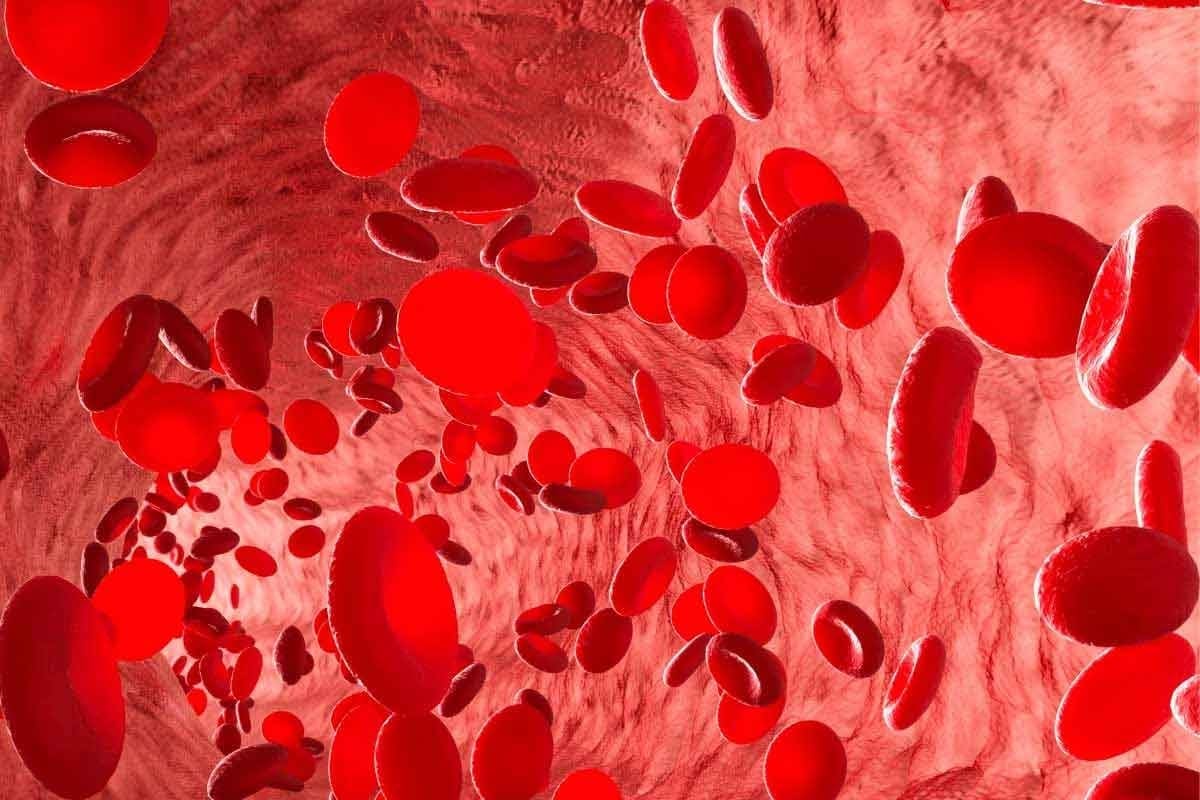
Iron deficiency anemia is a condition where the body lacks enough iron. This lack affects the production of hemoglobin, a key protein in red blood cells. Hemoglobin carries oxygen to the body’s tissues.
Definition and Prevalence
Iron deficiency anemia is a common nutritional disorder globally. The World Health Organization says it affects many people. Pregnant women, children, and those with chronic diseases are at higher risk.
This condition happens when the body doesn’t have enough iron. Iron is needed for hemoglobin production. Without it, tissues and organs don’t get enough oxygen, causing symptoms and health issues.
The Role of Iron in the Body
Iron is vital for making hemoglobin, myoglobin, and hormones. Hemoglobin is key for oxygen transport from the lungs to tissues. Iron also boosts the immune system and aids in energy production.
Key functions of iron include:
- Production of hemoglobin and myoglobin
- Supporting immune function
- Energy production and metabolism
- Cognitive function and development
Difference Between Iron Deficiency and Anemia
Iron deficiency and anemia are related but different. Iron deficiency means the body’s iron stores are low. If not treated, it can lead to anemia.
Anemia is when the body doesn’t have enough healthy red blood cells. This makes it hard for tissues to get enough oxygen. Not all anemia is due to iron deficiency. Other causes include vitamin deficiencies and chronic diseases.
Common Symptoms of Iron Deficiency Anemia

Iron deficiency anemia can cause a range of symptoms, from mild to severe. These symptoms can greatly affect daily life. As the condition worsens, people may face physical, cognitive, and emotional challenges.
Physical Symptoms
Physical symptoms are often the first signs of iron deficiency anemia. Common symptoms include:
- Fatigue and weakness, making everyday tasks challenging
- Pale skin, due to the reduced number of red blood cells
- Shortness of breath, as the body struggles to deliver enough oxygen to tissues
- Cold hands and feet, resulting from poor circulation
Cognitive and Emotional Symptoms
Iron deficiency anemia can also impact cognitive function and emotional well-being. Some individuals may experience:
- Difficulty concentrating and memory issues
- Irritability and mood swings, potentially due to the lack of iron’s role in neurotransmitter synthesis
- Depression and anxiety, which can be exacerbated by the physical symptoms
Unusual Signs Like Sore Tongue and Pica
Some people with iron deficiency anemia may also have unusual signs. These include:
- A sore tongue, which can be a sign of iron deficiency affecting mucous membranes
- Pica, a condition characterized by cravings for non-food items like ice or dirt
- Brittle nails or hair loss, indicating the body’s prioritization of iron distribution
It’s important to recognize these symptoms and seek medical attention. Early diagnosis and treatment can greatly improve quality of life for those with iron deficiency anemia.
Causes of Iron Deficiency Anemia
Iron deficiency anemia can happen for several reasons. These include diet, blood loss, and how well the body absorbs iron. Knowing these causes helps in preventing and treating the condition.
Dietary Factors
A diet without enough iron-rich foods is a main cause of iron deficiency anemia. There are two types of iron: heme iron in animal products and non-heme iron in plants. Non-heme iron is harder to absorb, so people, like vegetarians and vegans, need to eat a variety of iron-rich plants.
Key dietary factors contributing to iron deficiency include:
- Inadequate consumption of iron-rich foods
- Low intake of vitamin C, which enhances iron absorption
- High consumption of tea or coffee, which can inhibit iron absorption
Blood Loss
Chronic blood loss is another big reason for iron deficiency anemia. This can happen for many reasons, like:
- Menstruation: Heavy or long periods can cause a lot of iron loss.
- Gastrointestinal bleeding: Conditions like ulcers or cancer in the digestive tract can lead to iron deficiency.
- Surgery or injury: Losing a lot of blood during surgery or trauma can also cause iron deficiency.
It’s important to find and treat the cause of blood loss to manage iron deficiency anemia well.
Malabsorption Issues
Some people have trouble absorbing iron because of certain health issues or surgery. Conditions like celiac disease, Crohn’s disease, and gastric bypass surgery can make it hard for the body to absorb iron from food.
Common malabsorption issues include:
- Celiac disease, which damages the small intestine’s lining
- Crohn’s disease, a type of inflammatory bowel disease
- Gastric surgery, which can affect iron absorption
Fixing these underlying conditions is key to managing iron deficiency anemia caused by malabsorption.
In conclusion, iron deficiency anemia is a complex condition needing a detailed approach for diagnosis and treatment. By understanding the causes, including diet, blood loss, and malabsorption, healthcare providers can create effective treatment plans.
Diagnosing Iron Deficiency Anemia
Healthcare providers use a mix of medical history, physical exams, and lab tests to find iron deficiency anemia. This method helps understand the patient’s condition and find the cause of anemia.
Common Blood Tests
Blood tests are key in spotting iron deficiency anemia. The main tests are:
- Complete Blood Count (CBC): Shows hemoglobin and hematocrit levels, showing how severe anemia is.
- Iron Level Test: Directly checks the blood’s iron amount.
- Ferritin Test: Looks at ferritin, a protein that holds iron.
- Total Iron-Binding Capacity (TIBC): Checks how well the blood can bind iron.
| Blood Test | Measures | Significance in Diagnosing Iron Deficiency Anemia |
| CBC | Hemoglobin and Hematocrit | Shows how severe anemia is |
| Iron Level Test | Amount of iron in the blood | Directly checks iron levels |
| Ferritin Test | Level of ferritin | Shows stored iron levels |
| TIBC | Capacity to bind iron | Helps tell if it’s iron deficiency anemia or other anemia types |
Understanding Your Iron Levels
It’s important to understand your iron test results. Low iron, hemoglobin, and hematocrit levels mean you might have iron deficiency anemia. The ferritin test shows how much iron your body has stored. A low ferritin level usually means you have iron deficiency anemia.
Additional Diagnostic Procedures
Sometimes, more tests are needed to find why you have iron deficiency anemia. These might include:
- Endoscopy: Looks at the upper part of your stomach and small intestine for bleeding.
- Colonoscopy: Checks the lower part of your stomach and intestines.
- Fecal Occult Blood Test (FOBT): Finds hidden blood in your stool.
These tests help find the cause of iron deficiency and guide treatment.
Primary Care Physicians and Iron Deficiency
Primary care physicians are often the first to spot and treat iron deficiency anemia. They are key in the early stages of diagnosis and treatment.
When to See Your Family Doctor
If you feel tired, weak, or have trouble breathing, see your family doctor. They can check your health and see if iron deficiency anemia is the issue.
Initial Assessment and Treatment
Your doctor will do a physical check, ask about your health history, and run blood tests. If you have iron deficiency anemia, they’ll give you iron supplements and suggest food changes.
When Your PCP Will Refer You to a Specialist
Your doctor might send you to a specialist like a hematologist or gastroenterologist. This is if they think there’s another issue causing your iron deficiency anemia. It’s to make sure you get the right care.
| Condition | Specialist | Reason for Referral |
| Severe Iron Deficiency Anemia | Hematologist | To manage complex cases or underlying blood disorders |
| Gastrointestinal Issues | Gastroenterologist | To diagnose and treat conditions like celiac disease or ulcers |
Hematologists: Specialists in Blood Disorders
A hematologist is a doctor who deals with blood-related issues, like iron deficiency anemia. They have special training to handle complex blood problems. This makes them very important for patients needing detailed care.
What is a Hematologist?
Hematologists are experts in blood disorders, including anemia and blood cancers. They use tests to find the cause of blood problems and create treatment plans for each patient.
Key areas of expertise for hematologists include:
- Diagnosing and treating anemia and other blood disorders
- Managing bleeding and clotting disorders
- Treating blood cancers, such as leukemia and lymphoma
- Conducting bone marrow biopsies and other diagnostic procedures
When You Need a Hematologist for Iron Deficiency
If you have iron deficiency anemia that doesn’t get better with treatment, your doctor might send you to a hematologist. A hematologist is also a good choice for severe or complex cases.
Here are some times when a hematologist’s help is needed:
- Severe or persistent anemia despite treatment
- Presence of other blood disorders or complications
- Need for advanced diagnostic testing or procedures
What to Expect During a Hematology Consultation
At your first visit, the hematologist will thoroughly check your condition. This includes looking at your medical history, doing a physical exam, and reviewing your test results.
The hematologist might also ask for more tests, like:
| Test | Purpose |
| Complete Blood Count (CBC) | To assess blood cell counts and identify abnormalities |
| Ferritin Test | To measure iron stores in the body |
| Bone Marrow Biopsy | To examine the bone marrow for disorders |
As one hematologist said, “A detailed check is key to finding the right treatment for iron deficiency anemia.A detailed evaluation is essential for finding the appropriate treatment for iron deficiency anemia, ensuring a personalized plan based on the underlying cause.
Gastroenterologists and Iron Deficiency Anemia
Gastroenterologists are key in understanding the link between the gut and iron. They know how the gut affects iron absorption. Many digestive issues can lead to iron deficiency.
The Gut-Iron Connection
The gut is essential for iron absorption. Iron deficiency anemia happens when the gut can’t absorb enough iron. This can be due to inflammation, infection, or damage to the gut lining.
Gastroenterologists are experts in these areas. They can find the gut-related causes of iron deficiency anemia.
Digestive Conditions That Cause Iron Deficiency
Several digestive issues can lead to iron deficiency anemia. These include:
- Celiac disease, which damages the small intestine and impairs nutrient absorption
- Gastrointestinal bleeding, which can lead to significant iron loss
- Crohn’s disease and ulcerative colitis, which cause inflammation and can affect iron absorption
- Gastric surgery, which can alter the digestive process and lead to deficiencies
It’s important to identify and manage these conditions to treat iron deficiency anemia.
Diagnostic Procedures Performed by Gastroenterologists
Gastroenterologists use different tests to find the causes of iron deficiency anemia. These include:
- Endoscopy to examine the upper digestive tract for sources of bleeding or inflammation
- Colonoscopy to inspect the lower digestive tract for polyps, cancer, or other sources of bleeding
- Biopsy to examine tissue samples for signs of inflammation or damage
By understanding the gut-iron connection and identifying digestive issues, gastroenterologists are vital in diagnosing and treating iron deficiency anemia.
OB-GYNs and Women’s Iron Health
Women’s iron health is key to their overall well-being. OB-GYNs lead in tackling iron deficiency anemia. Iron is essential for many body functions. Its lack can cause serious health problems, mainly for women during their reproductive years.
Menstruation-Related Iron Deficiency
Menstruation is a big reason for iron deficiency anemia in women. The monthly blood loss can lower iron levels, causing anemia. OB-GYNs are vital in spotting and treating menstruation-related iron deficiency. They suggest iron supplements and diet changes to boost iron intake.
Pregnancy and Postpartum Anemia
Pregnancy ups the iron need due to increased blood volume and the fetus’s needs. Women with low iron before pregnancy are more likely to get anemia during it. OB-GYNs keep an eye on iron levels during pregnancy and treat as needed to avoid problems.
After giving birth, women are also at risk of iron deficiency anemia due to blood loss. OB-GYNs watch iron levels postpartum, making sure any deficiency is fixed quickly.
Treatment Approaches for Women
OB-GYNs use different ways to treat iron deficiency anemia in women. These include:
- Prescribing iron supplements to fill iron stores
- Advising on diet changes to boost iron
- Checking iron levels with regular blood tests
- Dealing with iron deficiency causes, like heavy periods
By taking a full approach to iron deficiency anemia, OB-GYNs are essential in keeping women healthy and avoiding long-term issues.
Comprehensive Deficiency Anemia Treatment Options
Treating iron deficiency anemia needs a full plan. It aims to fix iron levels, boost hemoglobin, and ease symptoms.
Oral Iron Supplements
Oral iron supplements are often the first choice. They come in forms like ferrous sulfate and ferrous gluconate. Taking them on an empty stomach helps them absorb better. But, you can take them with food if stomach issues happen.
Key considerations for oral iron supplements include:
- Dosage: The usual dose is 150-200 mg of elemental iron daily, split into several doses.
- Duration: Treatment usually lasts months to fill up iron stores.
- Side effects: Common issues are constipation, nausea, and stomach cramps.
Intravenous Iron Therapy
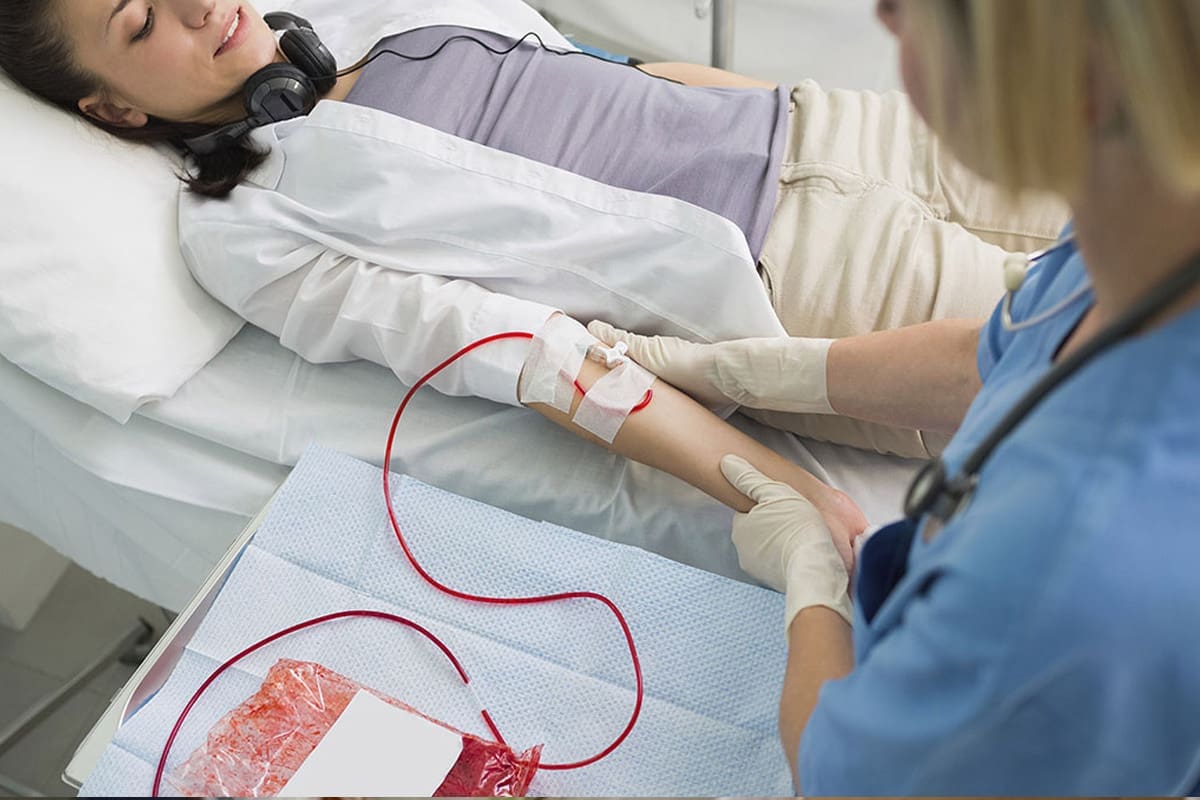
For those who can’t take oral iron or have severe anemia, IV iron therapy is a good option. IV iron goes straight into the blood, skipping the digestive system.
Benefits of IV iron therapy include:
- It quickly fills up iron stores.
- It has fewer stomach side effects than oral supplements.
- It’s great for those with chronic blood loss or poor iron absorption.
Blood Transfusions
When anemia is very severe, blood transfusions might be needed. They quickly raise red blood cell and hemoglobin levels.
Considerations for blood transfusions:
- They’re used for severe cases or when other treatments don’t work.
- They quickly ease severe anemia symptoms.
- It’s important to match blood types to avoid problems.
Addressing Underlying Causes
Fixing iron deficiency anemia also means finding and fixing the root causes. This could be chronic blood loss, a bad diet, or poor iron absorption. Solutions might include:
- Treating stomach problems like ulcers or celiac disease.
- Managing heavy menstrual bleeding in women.
- Eating more foods high in iron.
Nutritionists and Dietitians for Iron Deficiency
A well-planned diet is essential for beating iron deficiency anemia. Nutritionists and dietitians create diets tailored to your needs. They focus on getting the right amount of iron into your body.
Dietary Interventions
Nutritionists and dietitians guide you on diet changes for iron deficiency anemia. They look at your current diet and lifestyle. Then, they suggest ways to boost iron intake.
Meal Planning for Optimal Iron Absorption
Good meal planning is key for better iron absorption. They teach you the best food pairings. For example, eating foods high in vitamin C with iron-rich foods helps a lot.
Supplements and Food Combinations
Nutritionists and dietitians also suggest supplements if needed. They recommend food combinations that help with iron deficiency anemia.
Foods That Enhance and Inhibit Iron Absorption
Some foods help iron absorption, while others don’t. Vitamin C-rich foods like citrus fruits help. But, tea, coffee, and milk can block it. They teach you how to eat right for better iron absorption.
Working with a nutritionist or dietitian helps a lot. They help you make a diet plan that supports your health and recovery from iron deficiency anemia.
Pediatricians and Iron Deficiency in Children
Pediatric care is key in spotting and treating iron deficiency anemia in kids. This condition can really affect a child’s growth and health.
Risk Factors for Children
Several things can lead to iron deficiency anemia in kids. These include:
- Dietary factors, such as not eating enough iron-rich foods
- Malabsorption issues, where the body can’t absorb iron well
- Blood loss due to injury, menstruation, or certain medical conditions
- Premature birth or being born with a low weight
Developmental Concerns
Iron deficiency anemia can really affect a child’s growth. It can cause:
- Learning problems and issues with thinking clearly
- Behavioral issues, like attention deficit hyperactivity disorder (ADHD)
- Slower development
- A weaker immune system
Treatment Approaches for Different Age Groups
Pediatricians use different treatments for kids based on their age and needs. These might include:
| Age Group | Treatment Approach |
| Infants (0-12 months) | Iron supplements, dietary changes to include iron-rich foods |
| Toddlers (1-3 years) | Dietary counseling, iron supplements if necessary |
| Children (4-12 years) | Dietary changes, iron supplements, addressing underlying causes |
Prevention Strategies for Parents
Parents can help prevent iron deficiency anemia in their kids. Here’s how:
- Make sure their diet includes iron-rich foods like red meat, poultry, fish, beans, and fortified cereals.
- Don’t give cow’s milk to babies under a year because it can cause iron deficiency.
- Give them a balanced diet with foods high in vitamin C to help their body absorb iron better.
Complications of Untreated Iron Deficiency Anemia
Not treating iron deficiency anemia can harm your health a lot. It can cause many problems, affecting your overall well-being.
Short-Term Health Impacts
In the short term, not treating iron deficiency anemia can make you very tired and weak. It can also make it hard to think clearly. These symptoms can make everyday life harder and lower your quality of life.
Common short-term effects include:
- Fatigue and weakness
- Poor concentration and cognitive impairment
- Increased susceptibility to infections
Health experts say, “Iron deficiency anemia can greatly affect your productivity and quality of life.”
“Iron deficiency is a major public health problem worldwide, affecting individuals of all ages and backgrounds.” –
World Health Organization
Long-Term Consequences
If iron deficiency anemia is not treated for a long time, it can cause serious health problems. These can include heart issues, poor pregnancy outcomes, and problems with brain development in children.
| Long-Term Consequence | Description |
| Heart Problems | Increased risk of heart conditions due to the heart working harder to compensate for low iron levels. |
| Poor Pregnancy Outcomes | Higher risk of preterm labor, low birth weight, and other complications during pregnancy. |
| Impaired Cognitive Development | Potential for long-lasting cognitive and developmental delays in children. |
When Iron Deficiency Becomes Dangerous
It’s important to know when iron deficiency anemia is dangerous. Severe cases can lead to serious health issues that need quick medical help.
Knowing the risks of untreated iron deficiency anemia shows why getting medical help is key if symptoms don’t get better or get worse.
Iron Deficiency Anemia Prevention Strategies
To prevent iron deficiency anemia, it’s important to know about diet, supplements, and screenings. A proactive approach can greatly lower the risk of getting this condition.
Dietary Approaches
Eating a diet full of iron is key to preventing anemia. Iron-rich foods include red meat, poultry, fish, beans, lentils, and fortified cereals. Also, eating foods high in vitamin C, like citrus fruits and bell peppers, helps iron absorption.
But, some foods can block iron absorption. For example, coffee and tea can do this when eaten with meals. Knowing these interactions can help increase iron intake.
Supplements for High-Risk Groups
Some people are more likely to get iron deficiency anemia. This includes pregnant women, menstruating women, and those with certain gut issues. For these groups, iron supplements can be a good prevention.
“Iron supplementation is a critical component of anemia prevention in high-risk populations, particular during pregnancy and in individuals with chronic blood loss.”
Always talk to a doctor before starting supplements. They can help find the right dose and watch for side effects.
Regular Screening Recommendations
Regular health checks are key to catching iron deficiency anemia early. Doctors might suggest blood tests to check iron levels, mainly for those at higher risk.
- Pregnant women should be screened for anemia during their first prenatal visit.
- People with a history of bleeding or chronic diseases should get regular tests.
- Women with heavy periods might need annual checks.
By eating right, taking supplements, and getting regular tests, you can prevent iron deficiency anemia and stay healthy.
When to Seek Emergency Care for Severe Anemia
It’s important to know the signs of severe anemia to get timely help. Severe anemia can be life-threatening if not treated quickly.
Warning Signs and Symptoms
Severe anemia shows through symptoms like severe fatigue, shortness of breath, and chest pain. These signs mean the body’s tissues and organs aren’t getting enough oxygen. This can cause serious health problems.
Other signs include dizziness or lightheadedness, headaches, and cold hands and feet. In serious cases, people might have rapid heartbeat or palpitations. This shows the heart is working harder because of the lack of red blood cells.
“Anemia can cause a range of symptoms, from mild to severe. It’s essential to be aware of the warning signs to seek medical help when necessary.”
Medical Expert
What Happens in the Emergency Room
When you arrive at the emergency room with severe anemia symptoms, you’ll get checked right away. Doctors will figure out how serious it is and what to do next.
They might do tests like a complete blood count (CBC) to check your red blood cells and hemoglobin. They might also do other tests to find out why you have anemia.
Hospital Treatment Protocols
At the hospital, they’ll work on fixing the cause of your anemia and easing your symptoms. They might give you blood transfusions to increase your red blood cells. They might also give you iron supplements if you’re low on iron, or other medicines for other problems.
Sometimes, you might need to stay in the hospital to keep an eye on you and give you care. They want to make sure you’re stable and don’t get worse.
- Immediate assessment and diagnosis
- Blood transfusions or iron supplements
- Monitoring and supportive care
- Treatment of underlying causes
Knowing when to get emergency care for severe anemia can really help. If you or someone you know has severe anemia symptoms, get medical help right away.
Living With and Managing Iron Deficiency Anemia
Living with iron deficiency anemia can be tough. But, with the right strategies, you can manage it well. It involves medical treatment, dietary changes, and lifestyle adjustments.
Long-Term Monitoring
It’s important to monitor iron levels over time. Regular blood tests track iron levels. This ensures treatment works and makes adjustments as needed.
Key Monitoring Tests Include:
- Complete Blood Count (CBC)
- Iron Levels
- Ferritin Levels
Lifestyle Adjustments
Making lifestyle changes is key to managing iron deficiency anemia. This includes dietary changes and avoiding substances that block iron absorption.
Dietary Recommendations:
- Eat more iron-rich foods like red meat, spinach, and fortified cereals
- Boost iron absorption with foods high in vitamin C
- Avoid tea and coffee with meals
| Food Type | Iron Content | Enhancement Tips |
| Red Meat | High | Consume with vitamin C-rich foods |
| Spinach | Moderate | Avoid consuming with calcium-rich foods |
| Fortified Cereals | Varies | Check labels for iron content |
Support Resources
Support resources are vital for managing iron deficiency anemia. They include healthcare professionals, support groups, and educational materials.
Support Options:
- Healthcare Providers
- Anemia Support Groups
- Online Forums and Educational Websites
Patient Experiences and Success Stories
Stories from others who’ve managed iron deficiency anemia are motivating. They offer valuable insights and practical advice.
“After being diagnosed with iron deficiency anemia, I made significant changes to my diet and lifestyle. With the support of my healthcare team, I’ve been able to manage my condition effectively.”
” Emily, Iron Deficiency Anemia Survivor
Conclusion: Coordinating Your Iron Deficiency Care
Managing iron deficiency anemia well needs a team effort. Doctors, hematologists, and nutritionists are key players. They help diagnose, treat, and manage the condition.
When everyone works together, people with iron deficiency anemia get the care they need. This team approach helps find and fix the root causes. It also makes sure patients get the support they need to manage their condition.
Coordinating care means regular check-ups, making lifestyle changes, and learning about the condition. Taking a proactive role in managing iron deficiency anemia can greatly improve health and well-being.
Handling iron deficiency anemia is complex and needs constant care. With a dedicated healthcare team and a solid treatment plan, people can manage their condition well. This leads to better health outcomes.
FAQ
What is iron deficiency anemia?
Iron deficiency anemia happens when the body doesn’t have enough iron. This leads to less hemoglobin in red blood cells. Hemoglobin carries oxygen to different parts of the body.
What are the symptoms of iron deficiency anemia?
Symptoms can vary but often include feeling very tired, weak, and short of breath. You might also notice your skin looks pale and feel dizzy.
What causes iron deficiency anemia?
It can be caused by not getting enough iron in your diet, losing blood too much, or not absorbing iron well. Other reasons include menstruation, pregnancy, and certain health conditions.
How is iron deficiency anemia diagnosed?
Doctors use a few steps to diagnose it. They look at your medical history, do a physical check, and run blood tests. These tests check iron levels and look for other health issues.
What type of doctor treats iron deficiency anemia?
Doctors like primary care physicians, hematologists, gastroenterologists, and OB-GYNs can treat it. It depends on the cause and how serious it is.
What are the treatment options for iron deficiency anemia?
Treatment depends on the cause and how bad it is. Options include taking iron supplements, getting iron through an IV, or getting blood transfusions.
How can iron deficiency anemia be prevented?
To prevent it, you need to eat right, take supplements, and get regular check-ups. This is important for people at high risk.
What are the complications of untreated iron deficiency anemia?
If left untreated, it can cause serious problems. These include problems with thinking, getting sick easily, and issues during pregnancy.
When should I seek emergency care for severe anemia?
If you have severe symptoms like extreme tiredness, trouble breathing, or chest pain, get help right away. It’s a medical emergency.
How can I manage iron deficiency anemia long-term?
Managing it long-term means keeping an eye on your iron levels, making healthy lifestyle choices, and getting support when you need it.
What dietary changes can help manage iron deficiency anemia?
Eating more iron-rich foods and foods with vitamin C can help. Also, avoid foods that block iron absorption.
Can iron deficiency anemia be cured?
Yes, it can be treated and managed with the right care, treatment, and lifestyle changes.
How can I find a specialist for iron deficiency anemia?
Ask your doctor for a referral to a specialist like a hematologist or gastroenterologist. You can also search online for specialists near you.
What is the difference between iron deficiency and anemia?
Iron deficiency means not enough iron in the body. Anemia is when you have too few red blood cells or they don’t have enough hemoglobin.
Reference
- Cappellini, M. D., Musallam, K. M., & Taher, A. T. (2020). Iron deficiency anemia revisited. Journal of Internal Medicine, 287(2), 153“170. https://pubmed.ncbi.nlm.nih.gov/31856307/
- Pasricha, S. R., Tye-Din, J., Muckenthaler, M. U., & Swinkels, D. W. (2021). Iron deficiency. The Lancet, 397(10270), 233“248. https://pubmed.ncbi.nlm.nih.gov/33446415/
- Auerbach, M., & Adamson, J. W. (2016). How we diagnose and treat iron deficiency anemia. American Journal of Hematology, 91(1), 31“38. https://pubmed.ncbi.nlm.nih.gov/26475596/