The link between alcohol consumption and cholesterol levels is complex. It changes based on how much you drink. Drinking in moderation might have some good effects, but too much can harm your heart.
Get the definitive answer: can alcohol cause high cholesterol? Learn what science reveals about the link between intake and LDL/HDL levels clearly.
At Liv Hospital, we focus on giving patients the facts. Knowing how your drinking habits affect your cholesterol levels is key to keeping your heart healthy. New studies question the idea that a little alcohol is good for your heart by raising good cholesterol.
Key Takeaways
- Heavy drinking can increase total cholesterol, LDL cholesterol, and triglycerides.
- Moderate alcohol consumption may raise HDL cholesterol.
- The impact of alcohol on cholesterol depends on consumption patterns.
- Understanding the relationship between alcohol and cholesterol is vital for heart health.
- Evidence-based information is essential for making informed decisions about alcohol consumption.
The Relationship Between Alcohol and Cholesterol
Alcohol metabolism is key in how drinking impacts our cholesterol levels. When we drink, our liver breaks down alcohol. This affects how our body makes and controls different types of cholesterol.
How Alcohol Metabolism Affects Lipid Levels
The liver plays a big role in breaking down alcohol. This process can change our lipid levels. Alcohol is turned into acetaldehyde and then acetate, which are broken down into water and carbon dioxide. This can affect the production of triglycerides and cholesterol in the liver.
Drinking can lead to more very-low-density lipoprotein (VLDL) being made. VLDL carries lipids from the liver to other parts of the body. More VLDL can mean higher levels of LDL cholesterol, or “bad” cholesterol, which can clog arteries.
Different Types of Cholesterol and Their Functions
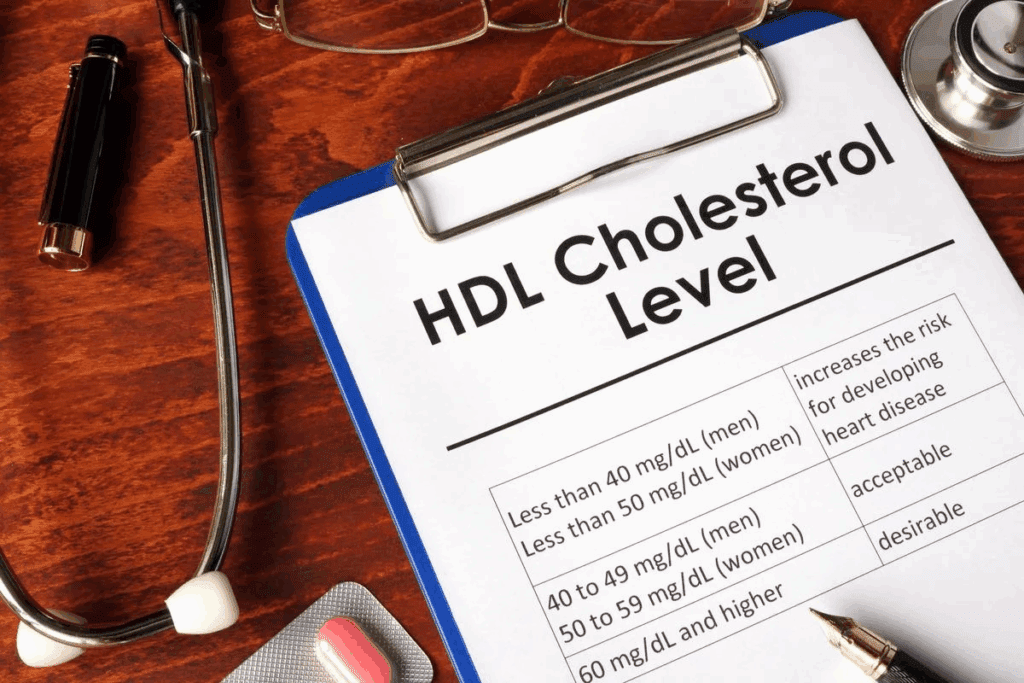
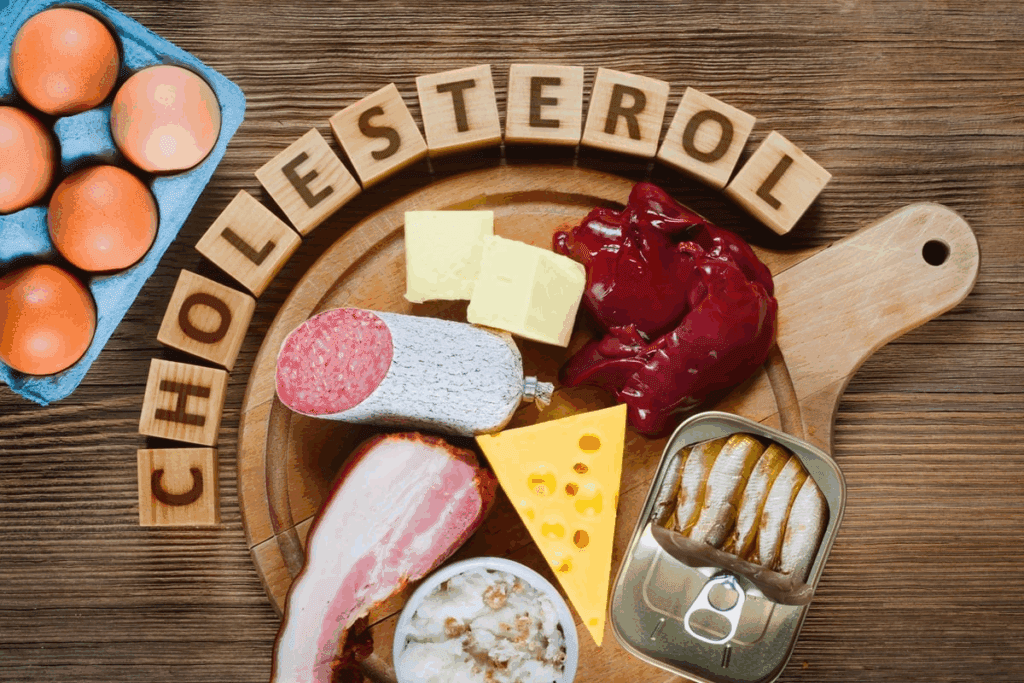
Cholesterol isn’t just one thing; it’s divided into types based on how it’s carried. The main types are HDL, LDL, and VLDL.
| Type of Cholesterol | Function | Impact on Health |
|---|---|---|
| HDL (High-Density Lipoprotein) | Transports excess cholesterol from tissues to the liver for excretion | Often referred to as “good” cholesterol because high levels are associated with lower cardiovascular risk |
| LDL (Low-Density Lipoprotein) | Transports cholesterol from the liver to tissues | Known as “bad” cholesterol because high levels can lead to plaque buildup in arteries, increasing cardiovascular risk |
| VLDL (Very-Low-Density Lipoprotein) | Transports endogenous triglycerides, cholesterol, and other lipids from the liver to various tissues | High levels can contribute to increased LDL cholesterol and cardiovascular risk |
Knowing about the different cholesterol types and how alcohol affects them is key to heart health. By understanding how drinking impacts our cholesterol, we can make better choices about alcohol.
Can Alcohol Cause High Cholesterol?
Alcohol’s effect on cholesterol is complex. It depends on many factors, like how much you drink. We’ll look at research on alcohol and cholesterol, and what affects this relationship.
Research Findings on Alcohol’s Impact on Cholesterol
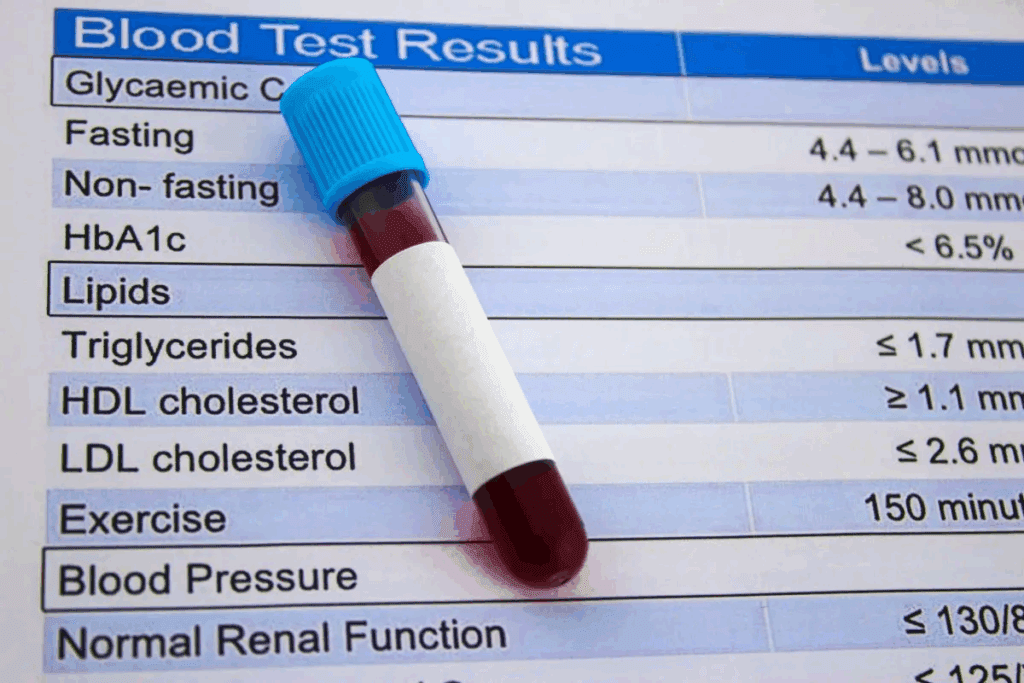
Heavy drinking can raise total cholesterol, LDL, and triglycerides. A study in the Journal of Clinical Lipidology found heavy drinking linked to higher LDL cholesterol. This is the “bad” cholesterol that can clog arteries.
“The relationship between alcohol consumption and lipid profiles is complex, with both positive and negative effects observed depending on the amount and pattern of drinking.”
But, moderate drinking might boost HDL cholesterol, the “good” cholesterol. It helps clear other cholesterol from your blood. Yet, the benefits of alcohol on HDL must be balanced against its health risks.
Factors That Influence How Alcohol Affects Your Cholesterol
Many things affect how alcohol impacts cholesterol. These include how much and how often you drink, the type of alcohol, and your genetics and health.
| Factor | Impact on Cholesterol |
|---|---|
| Amount of Alcohol | Heavy drinking tends to increase total and LDL cholesterol. |
| Type of Alcohol | Red wine may have additional benefits due to its antioxidant content. |
| Frequency of Consumption | Binge drinking can have more detrimental effects than regular moderate drinking. |
Understanding these factors is key to knowing how alcohol might affect your cholesterol. Remember, your diet and exercise also play big roles in managing cholesterol.
Talk to a healthcare provider about your alcohol use and cholesterol worries. They can give advice tailored to your health.
Heavy Drinking and Cholesterol: The Risks
Drinking too much can raise your total cholesterol, LDL, and triglycerides. This increases your risk of heart problems. Alcohol’s way of being broken down in the body affects these lipid levels.
Effects on Total Cholesterol and LDL
Drinking too much can raise your total cholesterol and LDL. LDL is called “bad” cholesterol. High levels can cause artery blockages, raising heart disease risk.
Table: Effects of Heavy Drinking on Cholesterol Levels
| Cholesterol Type | Effect of Heavy Drinking | Health Risk |
|---|---|---|
| Total Cholesterol | Increased levels | Higher risk of cardiovascular disease |
| LDL Cholesterol | Elevated levels | Plaque buildup in arteries |
| Triglycerides | Significantly increased | Pancreatitis and cardiovascular disease |
Impact on Triglyceride Levels
Heavy drinking is very bad for triglycerides. Triglycerides are fats in the blood. High levels can lead to heart disease and pancreatitis. Alcohol’s calories and sugar raise triglyceride levels.
“Excessive alcohol consumption is a major contributor to hypertriglyceridemia, a condition characterized by elevated levels of triglycerides in the blood.”
Cardiovascular Risks Associated with Heavy Alcohol Consumption
Heavy drinking poses big heart risks. High cholesterol, LDL, and triglycerides can cause artery blockages. This can lead to heart attacks, strokes, and other heart problems.
It’s important to know these risks if you drink a lot. Drinking less can lower your cholesterol and heart disease risk.
Moderate Alcohol Consumption and HDL Cholesterol
We look into how drinking in moderation affects HDL cholesterol, a key part of heart health. Drinking in moderation can raise HDL cholesterol, known as “good” cholesterol. This is important because more HDL cholesterol means a lower risk of heart disease.
Potential Benefits for “Good” Cholesterol
Studies show that drinking in moderation can boost HDL cholesterol levels. This can improve heart health by helping remove bad cholesterol from the blood. Drinking in moderation can increase HDL cholesterol, which can counteract some negative cholesterol effects.
What Constitutes “Moderate” Drinking
Knowing what moderate drinking is is key, as benefits for HDL cholesterol are seen within this range. The definition of moderate drinking varies by gender: women should not have more than one drink a day, and men should not have more than two. Understanding these guidelines is vital to seeing the benefits of moderate drinking on HDL levels.
Limitations of HDL Benefits from Alcohol
While drinking in moderation may help HDL cholesterol, there are limits. Drinking too much can harm health, increasing risks of heart disease, liver disease, and more. The benefits of moderate drinking on HDL cholesterol should not encourage non-drinkers to start.
In summary, moderate drinking can have benefits for HDL cholesterol. But, it’s important to stick to moderate drinking guidelines to avoid health problems.
Different Types of Alcohol and Their Effects on Cholesterol
Alcohol’s impact on cholesterol levels changes a lot based on the drink type. Some drinks might help, while others could harm.
Red Wine and Cholesterol
Red wine is known for its heart health benefits, partly because of its cholesterol effects. It has polyphenols that might lower bad cholesterol and raise good cholesterol. Moderate red wine drinking is important, as too much can undo any good.
Beer and Cholesterol Levels
Beer’s effect on cholesterol can vary. Some studies say it might raise good cholesterol, like red wine. But, it can also increase bad cholesterol and triglycerides, mainly if you drink too much. The type of beer matters too, because of its different alcohol and ingredients.
Spirits (Including Tequila) and Cholesterol
Spirits, like tequila, are often drunk in shots or mixed drinks, leading to more alcohol intake. Their cholesterol impact is not as clear as red wine or beer. Some studies suggest they might not affect good and bad cholesterol as much. But, drinking too much can harm your heart health.
In summary, the type of alcohol you drink greatly affects cholesterol levels. Knowing these differences helps you choose alcohol wisely for your heart health.
Does Red Wine Lower Your Cholesterol?
Red wine is known for its unique mix of polyphenols and other compounds. It has been studied for its possible effects on cholesterol. We’ll look at the latest research on red wine’s impact on cholesterol, focusing on its polyphenols and comparing it to other drinks.
The Polyphenol Factor
Red wine is packed with polyphenols, like resveratrol, which is an antioxidant. These compounds may help reduce LDL cholesterol oxidation, a key factor in artery plaque formation. This could help keep cholesterol levels healthier by lowering LDL and raising HDL.
Research on Red Wine’s Cholesterol-Lowering Properties
Many studies have looked into red wine’s effect on cholesterol. Some show that drinking it in moderation can improve lipid profiles. This includes higher HDL and lower LDL cholesterol levels.
A study in the Journal of Agricultural and Food Chemistry found resveratrol could improve cholesterol profiles. It reduced LDL and increased HDL. This doesn’t prove red wine lowers cholesterol, but it shows its polyphenols have benefits.
Comparing Red Wine to Other Alcoholic Beverages
It’s important to compare red wine to other drinks when looking at cholesterol impact. Red wine’s unique polyphenols offer extra heart health benefits compared to spirits or beer.
- Red Wine vs. White Wine: Red wine has more polyphenols than white wine because of grape skin fermentation.
- Red Wine vs. Beer: Beer has some health benefits, but its cholesterol impact is less clear than red wine’s.
- Red Wine vs. Spirits: Spirits like vodka or gin lack the polyphenols found in red wine.
In summary, red wine might help lower cholesterol due to its polyphenols. But, it’s important to drink in moderation. Always talk to a healthcare professional about how red wine fits into your heart health plan.
Binge Drinking and Its Impact on Cholesterol and Triglycerides
Binge drinking affects our health in many ways. We’ll look at what binge drinking is, its effects on cholesterol and triglycerides, and how to recover after stopping.
Defining Binge Drinking
Binge drinking means having five or more drinks in one sitting for men, or four for women. This can raise blood alcohol levels and harm our health, including our lipid levels.
The Centers for Disease Control and Prevention (CDC) says binge drinking is a big problem in the U.S. About 1 in 6 adults binge drink four times a month, drinking about 8 drinks each time.
Short-term vs. Long-term Effects
Binge drinking can quickly raise our cholesterol and triglycerides. Alcohol affects how our liver handles lipids.
Over time, binge drinking can change our lipid levels for the worse. A study in the Journal of Clinical Lipidology found binge drinkers had higher LDL cholesterol and lower HDL cholesterol than non-drinkers or moderate drinkers.
“Binge drinking can lead to an increased risk of cardiovascular disease by adversely affecting lipid profiles.”
– American Heart Association
Recovery of Cholesterol Levels After Stopping Binge Drinking
Stopping binge drinking can improve our lipid levels. Our liver can recover, and not drinking can help our cholesterol and triglycerides get back to normal.
A study in the Journal of Studies on Alcohol and Drugs showed stopping binge drinking lowers triglycerides and improves heart health. This shows why it’s key to stop binge drinking early and how it can help our health.
| Effects | Binge Drinking | Moderate Drinking |
|---|---|---|
| Triglycerides | Significant Increase | Minimal Change |
| Total Cholesterol | Increase | Stable or Slight Increase |
| LDL Cholesterol | Potential Increase | Minimal Change |
| HDL Cholesterol | Potential Decrease | Potential Increase |
We’ve seen how binge drinking affects our cholesterol and triglycerides. It’s important to be aware and maybe change our drinking habits to avoid these risks.
When to Consider Reducing Alcohol for Cholesterol Management
The link between alcohol and cholesterol is complex. Knowing when to cut back is key for better health. While some benefits come from moderate drinking, too much can harm your cholesterol.
Warning Signs That Alcohol Is Affecting Your Cholesterol
If you drink alcohol often, watch your cholesterol levels closely. Warning signs that alcohol may be affecting your cholesterol include:
- Unexplained changes in lipid profiles
- Increased triglyceride levels
- Rising LDL (bad) cholesterol
High-Risk Groups Who Should Limit Alcohol
Some people are more at risk from alcohol’s effects on cholesterol. These high-risk groups include:
- Those with a family history of heart disease
- Individuals with existing high cholesterol or triglyceride levels
- People with diabetes or those at risk of developing diabetes
For these groups, cutting down on alcohol is often wise to manage cholesterol.
Talking to Your Doctor About Alcohol and Cholesterol
If alcohol worries you about your cholesterol, talk to your doctor. Discussing your alcohol use and cholesterol with your doctor can give you insights into managing your health. They can give advice tailored to your health.
Understanding alcohol’s impact on your cholesterol and taking action can help manage your levels. This reduces your risk of heart disease.
Practical Tips for Managing Cholesterol While Consuming Alcohol
We can keep our cholesterol in check even when we drink alcohol. This is done by knowing how much to drink, eating right, and living healthy.
Recommended Drinking Guidelines
To manage cholesterol while drinking, it’s key to stick to the recommended amounts. Healthy adults should not have more than one drink a day if they are women, or two if they are men. One drink is 12 ounces of beer, 5 ounces of wine, or 1.5 ounces of spirits.
Drinking more than these amounts can raise cholesterol and pose health risks. Paying attention to how much you drink and the alcohol in your drinks helps you stay within these limits.
Dietary Considerations When Consuming Alcohol
Eating well is important for managing cholesterol, even when you drink. Eat a diet full of fruits, vegetables, whole grains, and lean proteins. Try to eat less cholesterol and saturated fats.
| Dietary Component | Recommended Choices |
|---|---|
| Fruits and Vegetables | Include a variety of colors to ensure a range of nutrients |
| Grains | Choose whole grains over refined grains |
| Proteins | Opt for lean proteins like poultry, fish, and legumes |
Lifestyle Factors That Support Healthy Cholesterol
There are many lifestyle choices that help keep cholesterol healthy. Regular exercise, a healthy weight, and not smoking are all important. Do at least 150 minutes of moderate exercise, or 75 minutes of vigorous exercise, or a mix of both, each week.
- Exercise regularly to improve HDL (good) cholesterol
- Maintain a healthy weight to reduce LDL (bad) cholesterol
- Avoid smoking to lower cardiovascular risks
By using these tips, people can manage their cholesterol better while enjoying alcohol in moderation.
Conclusion: Making Informed Choices About Alcohol and Cholesterol
It’s important to understand how alcohol and cholesterol interact for heart health. We’ve looked at how different alcohols and drinking habits affect cholesterol. This can impact our heart health.
Choosing wisely about alcohol is essential. Moderate drinking might help HDL cholesterol. But too much or binge drinking can raise total cholesterol and triglycerides. This is bad for our heart.
We need to think about our health, drinking habits, and lifestyle. Being aware of these can help us avoid alcohol’s negative effects on cholesterol. This supports our heart health.
Deciding to drink alcohol should be based on knowing its effects on cholesterol and heart health. This way, we can enjoy alcohol without harming our well-being.
FAQ:
Does alcohol contribute to high cholesterol?
Alcohol’s effect on cholesterol varies. Moderate drinking might have different effects than heavy or binge drinking.
How does alcohol affect cholesterol levels?
Alcohol is broken down in the liver. It can affect the production of HDL (good cholesterol) and LDL (bad cholesterol).
Can drinking cause high cholesterol?
Yes, heavy drinking can increase total cholesterol, LDL, and triglycerides. This can lead to high cholesterol.
Does red wine lower cholesterol?
Red wine has polyphenols that might raise HDL and lower LDL. But, the benefits are seen with moderate drinking.
Is red wine good for high cholesterol?
Moderate red wine might be good for heart health due to polyphenols. But, it’s not a main treatment for high cholesterol.
How does binge drinking affect cholesterol?
Binge drinking can cause big changes in cholesterol and triglycerides. This can lead to heart risks in the short and long term.
Will beer raise your cholesterol?
Beer can affect cholesterol, but it depends on how much you drink and your health. Moderate beer might not raise cholesterol for everyone.
Does beer lower cholesterol?
Beer doesn’t usually lower cholesterol. But, some studies say moderate beer might slightly improve HDL cholesterol.
Is alcohol high in cholesterol?
Alcohol itself isn’t high in cholesterol. But, it can affect cholesterol levels indirectly through liver metabolism.
Can wine reduce cholesterol?
Moderate wine, like red wine, might raise HDL cholesterol. This could help your cholesterol profile.
How much does alcohol affect cholesterol?
Alcohol’s effect on cholesterol changes with how much you drink and your health. Factors like genetics and diet also play a role.
Should I limit alcohol if I have high cholesterol?
If you have high cholesterol, talk to your doctor about alcohol. They might suggest limiting or avoiding it based on your health.
What are the recommended drinking guidelines for managing cholesterol?
For managing cholesterol, drink up to one drink a day for women and two for men. Staying within these limits can help.
Are there dietary considerations when consuming alcohol to manage cholesterol?
Yes, eat a healthy diet low in saturated fats, trans fats, and cholesterol. This can help counter alcohol’s effects on cholesterol.
Can lifestyle factors other than diet influence the impact of alcohol on cholesterol?
Yes, staying active, keeping a healthy weight, and not smoking can help manage alcohol’s impact on cholesterol.
References:
National Center for Biotechnology Information. Alcohol Consumption’s Complex Link to Cholesterol Levels. Retrieved from https://www.ncbi.nlm.nih.gov/pmc/articles/PMC7230699/