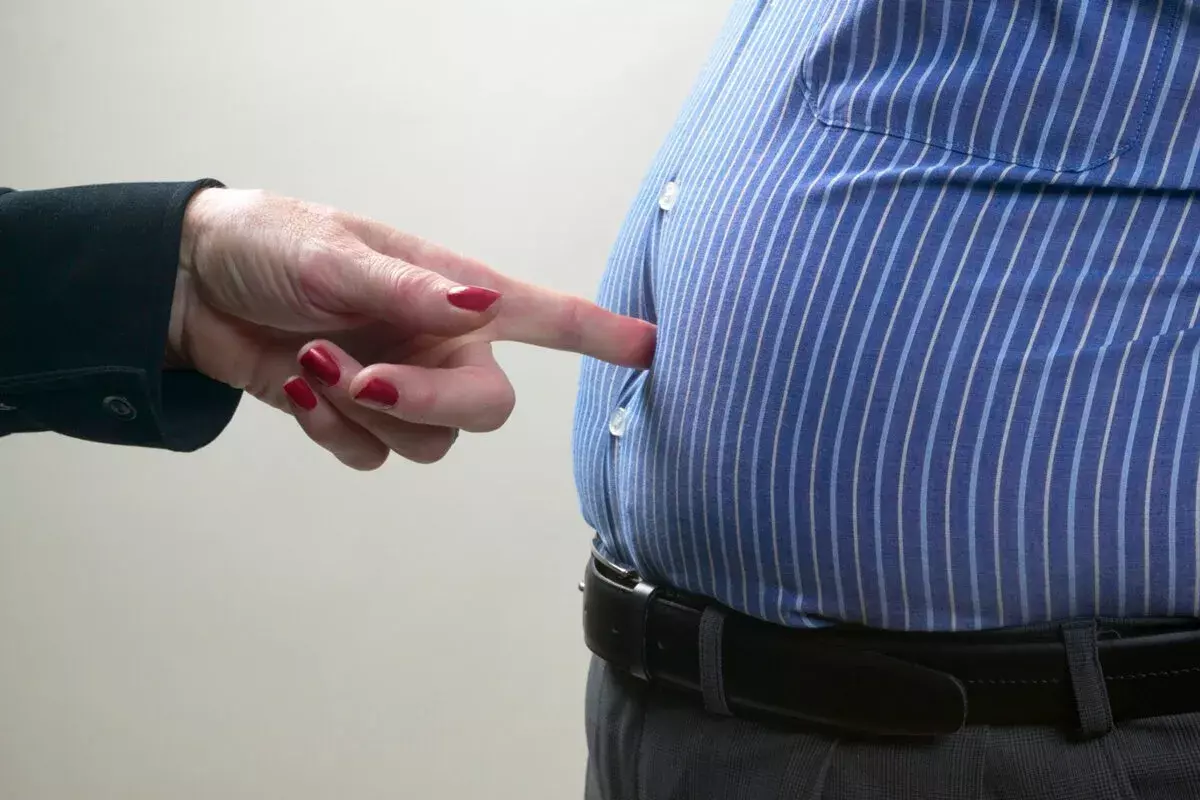
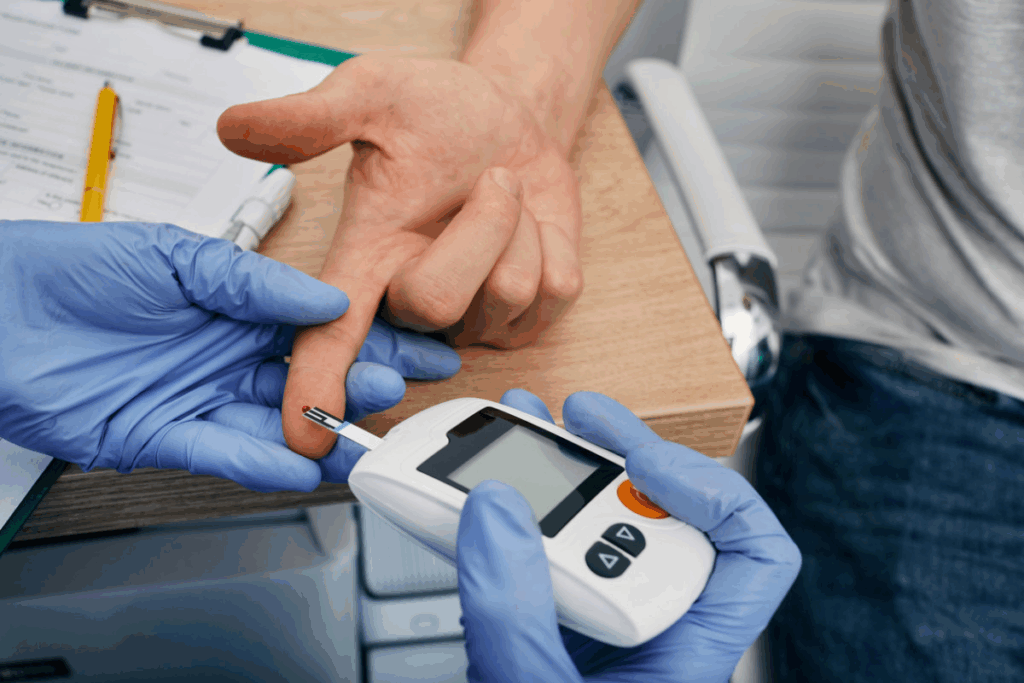
Experiencing unexplained weight loss can be scary. Many people don’t know it might be a sign of diabetes. When your body can’t use blood glucose right, it starts breaking down fat and muscle for energy. This leads to quick and unwanted weight loss.can diabetes cause weight lossWhy Is Unexplained Weight Loss a Sign of Cancer? Understanding Brain Cancer and Sudden Weight loss
It’s key to understand this link early. At Liv Hospital, we offer reliable, patient-focused diabetes care. We combine global medical knowledge with caring support.
Key Takeaways
- Unintended weight loss can be an early warning sign of diabetes.
- Insulin deficiency or resistance leads to the breakdown of fat and muscle for energy.
- Early detection and management of diabetes are key for good care.
- Liv Hospital provides patient-centered diabetes care with international expertise.
- Understanding the connection between diabetes and weight loss is vital for timely intervention.
The Relationship Between Diabetes and Body Weight

It’s key to understand how diabetes and body weight are connected. Diabetes can cause weight loss or gain. This depends on the diabetes type, blood sugar control, and other health issues.
The Complex Connection Between Blood Sugar and Weight
The link between blood sugar and weight is complex. Poor blood sugar control can lead to weight changes. In diabetes, the body struggles to manage blood sugar, causing weight loss through urine when sugar levels are high.
Insulin resistance, common in type 2 diabetes, can cause weight gain. The body’s cells don’t respond well to insulin, making it hard for glucose to enter cells. This can lead to higher blood sugar and fat storage.
When Weight Changes Signal Health Problems
Weight changes in diabetes can signal health issues. Unexplained weight loss may mean diabetes is not controlled well. It shows the body can’t use glucose for energy. Unintentional weight gain might point to insulin resistance or metabolic problems.
Keeping an eye on weight changes is vital for diabetes care. It helps doctors spot issues early and adjust treatment. Understanding diabetes and weight helps manage the condition and lowers complication risks.
Can Diabetes Cause Weight Loss? Understanding the Connection

Diabetes can lead to weight loss because the body can’t use glucose right. This makes it break down fat and muscle for energy. This complex process changes the body’s weight in big ways.
Scientific Evidence Behind Diabetes-Related Weight Loss
Studies show that diabetes-related weight loss comes from not using glucose well. When glucose can’t get into cells, the body uses fat and muscle for energy. Many studies have looked into how diabetes changes metabolism.
Key factors contributing to weight loss in diabetes include:
- Insufficient insulin production or insulin resistance
- Increased glucose levels in the blood
- Breakdown of fat and muscle tissue for energy
Differentiating Between Healthy and Pathological Weight Loss
Not all weight loss from diabetes is bad. Healthy weight loss can happen when people with diabetes eat better and move more. But, weight loss that’s not healthy can mean diabetes isn’t well-controlled or there’s another health problem.
To tell healthy from unhealthy weight loss, look at these signs:
- Rate of weight loss: Fast weight loss often means a health problem.
- Presence of other symptoms: Signs like more thirst, needing to pee a lot, and feeling tired can mean diabetes isn’t managed well.
- Lifestyle changes: Healthy weight loss usually comes from eating better and being more active on purpose.
It’s key to understand how diabetes and weight loss are linked. Knowing the difference between healthy and unhealthy weight loss helps people with diabetes get the right care. They can make better choices for their health.
The Physiology of Weight Loss in Diabetes
Weight loss in diabetes is closely tied to insulin’s role in energy storage and use. Insulin, made by the pancreas, helps control blood sugar by helping cells take in glucose.
How Insulin Regulates Energy Storage
Insulin is vital for storing energy. It helps cells, like the liver, muscles, and fat, take in glucose. When we eat carbs, our body breaks them down into glucose. Insulin then signals cells to absorb this glucose, lowering blood sugar.
Excess glucose is stored as glycogen in the liver and muscles or as fat in fat tissues.
Insulin’s role in energy storage can be summarized in three main processes:
- Glycogen synthesis in the liver and muscles
- Lipogenesis, where glucose is converted into fatty acids and stored as triglycerides in adipose tissue
- Inhibition of glycogen breakdown and glucose release into the bloodstream
What Happens When Insulin Function Is Impaired
In diabetes, insulin doesn’t work right. This can be because of not enough insulin (Type 1 diabetes) or cells not responding to insulin well (Type 2 diabetes). Without insulin, glucose can’t get into cells, causing high blood sugar.
Cells then use stored fat and muscle for energy.
Condition | Effect on Insulin Function | Resulting Metabolic Change |
Type 1 Diabetes | Insulin deficiency | Cells cannot absorb glucose, leading to hyperglycemia and breakdown of fat and muscle for energy |
Type 2 Diabetes | Insulin resistance and relative insulin deficiency | Impaired glucose uptake by cells, resulting in hyperglycemia and metabolic shifts |
The Body’s Alternative Energy Pathways
Without glucose, the body uses fat for energy. It breaks down fat into ketone bodies, which the brain and other tissues can use. This state, ketosis, is common in uncontrolled Type 1 diabetes and can happen in Type 2 diabetes too.
The shift to alternative energy pathways has significant implications for weight loss in diabetes. Breaking down fat leads to weight loss. But, this weight loss comes with other metabolic changes that can affect health.
Mechanisms Behind Diabetes-Related Weight Loss
In diabetes, weight loss comes from several factors. These include not enough insulin, glucose in the urine, and changes in how the body uses energy. Knowing these reasons is key to managing diabetes well.
Insufficient Insulin and Glucose Utilization
When insulin is lacking or not used right, glucose can’t get into cells. This forces the body to use other energy sources, causing weight loss. Insufficient insulin also affects how fats and proteins are stored and broken down.
We’ll dive deeper into how insulin issues lead to weight changes.
Caloric Loss Through Glucosuria
Glucosuria, or glucose in the urine, is another big factor. When blood sugar is too high, the kidneys throw out extra glucose. This results in calorie loss, helping with weight loss in diabetes patients.
The table below shows how much calorie loss happens with different levels of glucosuria:
Glucose Level in Urine (g/L) | Caloric Loss (kcal/L) |
1 | 4 |
5 | 20 |
10 | 40 |
Muscle and Fat Breakdown for Energy
Without enough insulin, the body starts breaking down muscle and fat for energy. This leads to weight loss. Losing muscle tissue can harm strength and mobility over time.
Understanding these mechanisms is vital for managing diabetes-related weight loss. By improving insulin use, reducing glucose in urine, and keeping muscle, we can better manage diabetes.
Dehydration and Water Weight Loss in Diabetes
When diabetes is not well-managed, dehydration can cause unexpected weight loss. This happens because high blood sugar levels mess with the body’s fluid balance.
Osmotic Diuresis and Fluid Loss
Osmotic diuresis happens when high glucose levels in the blood cause glucose to spill into urine. This takes water with it, leading to more urine and fluid loss. As a result, the body loses not only water but also essential electrolytes, making dehydration worse.
We will look into how this process leads to dehydration and weight loss in diabetes. Losing fluids can cause dehydration if not managed well.
Loss of Water-Associated Glycogen
Glycogen, a complex carbohydrate, is stored in the liver and muscles. It holds water, with about 3-4 grams of water for every gram of glycogen. When blood glucose levels are high, the body breaks down glycogen for energy, releasing water and leading to weight loss.
This loss of water weight can be significant, making it important to understand why weight loss happens in diabetes.
How Dehydration Contributes to Weight Reduction
Dehydration mainly leads to weight loss by losing water. The body loses water due to osmotic diuresis and glycogen breakdown, making it weigh less. But, it’s key to know the difference between losing water weight and losing fat.
- Water weight loss is often temporary and can be regained upon rehydration.
- Fat loss, on the other hand, is a more sustainable form of weight reduction.
- Managing dehydration is essential to prevent complications and ensure overall health.
By understanding dehydration and water weight loss in diabetes, people can manage their condition better and avoid unnecessary weight loss.
Type 1 Diabetes and Weight Loss
Type 1 diabetes often starts with sudden weight loss. This is because the body can’t make enough insulin. It’s not just a few pounds; it’s a big change that worries many.
Knowing why weight loss happens in type 1 diabetes is key. It helps both patients and doctors understand the issue better.
Why Weight Loss Is Often a Presenting Symptom
Type 1 diabetes happens when the body attacks and destroys insulin-making cells. Without enough insulin, glucose builds up in the blood. This stops cells from getting the energy they need.
So, the body starts breaking down fat and muscle for energy. This is why weight loss is a common symptom.
Key factors contributing to weight loss in type 1 diabetes include:
- Insufficient insulin production leading to glucose not being utilized by cells.
- The body’s shift to breaking down fat and muscle for energy.
- Potential dehydration due to high blood glucose levels.
The Rapid and Significant Nature of Weight Loss
Weight loss in type 1 diabetes is fast and big. The body can’t use glucose, so it uses fat and muscle instead. How fast and how much weight is lost varies from person to person.
Research on Weight Patterns in Type 1 Diabetes
Studies have looked into how weight changes in people with type 1 diabetes. They found that weight changes are linked to how well diabetes is managed. Good management can prevent too much weight loss and help keep a healthy weight.
Weight Pattern | Characteristics | Clinical Implications |
Rapid Weight Loss | Significant loss in a short period | May indicate poor glucose control |
Stable Weight | Minimal fluctuations | Suggests good diabetes management |
Weight Gain | Increase in weight, potentially due to insulin therapy | May require adjustments in insulin dosing or lifestyle |
Understanding these patterns helps doctors give better advice and treatment plans. By managing type 1 diabetes well, people can keep a healthy weight and feel better overall.
Type 2 Diabetes and Weight Loss
Understanding weight loss in type 2 diabetes is key. It involves looking at different stages and causes. While many think of weight gain with type 2, some may lose weight, depending on the stage or factors.
When Weight Loss Occurs in Type 2 Diabetes
Weight loss in type 2 diabetes can happen at different times. In the early stages, some people might lose weight. This is because their body can’t use insulin well, leading to glucose loss in urine and calories lost.
Early-stage weight loss is often a small sign of trouble. It’s usually due to other reasons. As the disease gets worse, weight changes become more noticeable.
Early vs. Late-Stage Weight Changes
Weight changes in early and late stages of type 2 diabetes are different. At first, weight loss is small and due to poor glucose use. Later, weight loss is bigger and comes from muscle and fat breakdown.
Stage | Common Weight Changes | Causes |
Early Stage | Minimal weight loss | Inefficient glucose utilization, glucosuria |
Late Stage | Significant weight loss | Muscle and fat breakdown, poor glucose control |
Distinguishing Between Therapeutic and Pathological Weight Loss
It’s important to tell the difference between weight loss from treatment and weight loss that’s not wanted. Therapeutic weight loss happens when treatments like diet and exercise or medicine help reduce weight and improve health.
Pathological weight loss is unwanted and often means there’s a problem, like poor glucose control. Watching weight changes and knowing why they happen helps people with type 2 diabetes manage their condition better.
Understanding the details of weight loss in type 2 diabetes helps people manage their condition better. They can work with their healthcare providers to achieve the best health outcomes.
Uncontrolled Diabetes and Its Effects on Body Composition
When diabetes isn’t managed well, it can change how our bodies look. It messes with blood sugar levels, causing many problems.
The Impact of Chronic Hyperglycemia
High blood sugar, or hyperglycemia, is a big problem with uncontrolled diabetes. It messes with our metabolism, affecting how we look. Prolonged exposure to high glucose levels makes our bodies break down muscle and fat for energy.
Chronic hyperglycemia affects our bodies in many ways:
- It causes us to lose muscle mass by breaking down muscle proteins.
- It increases fat, mainly around the belly.
- It changes how water is distributed in our bodies, leading to dehydration.
Muscle Wasting and Sarcopenia Risk
Uncontrolled diabetes can cause muscle wasting, leading to sarcopenia. Sarcopenia is when we lose muscle mass and strength, making everyday tasks hard. Muscle wasting happens because our bodies can’t use glucose well, so they break down muscle for energy.
People with diabetes are at risk for sarcopenia because of:
- Poor blood sugar control.
- Insulin resistance.
- Not being active enough.
- Poor nutrition.
Long-term Metabolic Consequences
Uncontrolled diabetes has serious long-term effects. High blood sugar can make our bodies resistant to insulin. This makes the problems of diabetes worse.
Some long-term effects include:
- Higher risk of heart disease.
- Neuropathy and other diabetes-related problems.
- Wounds heal slower.
We need to work with our doctors to manage diabetes well. By keeping blood sugar in check and living healthy, we can avoid these serious problems.
When to Seek Medical Help for Diabetes-Related Weight Loss
It’s important to know when to get medical help for diabetes-related weight loss. This weight loss can be a sign of other health issues that need quick attention.
Warning Signs That Require Immediate Attention
If you notice any of these symptoms, you should see a doctor right away:
- Rapid weight loss: Losing weight fast without changing your diet or exercise is a warning sign.
- Increased thirst and urination: High blood sugar can make you very thirsty and need to pee a lot.
- Fatigue: Feeling very weak or tired can mean your body isn’t using insulin right.
- Blurred vision: High blood sugar can change the fluid in your body, affecting your vision.
- Cuts or wounds that are slow to heal: Diabetes can make it harder for your body to heal cuts or wounds.
Screening and Diagnostic Tests
Healthcare providers use different tests to diagnose and manage diabetes-related weight loss:
- Blood glucose tests: To check your blood sugar levels.
- Hemoglobin A1c (HbA1c) test: To see your average blood sugar levels over the past 2-3 months.
- Ketone test: To find ketones in your urine or blood, which can show diabetic ketoacidosis.
- Comprehensive metabolic panel: To look at your overall metabolic health.
Preventing Complications Through Early Intervention
Getting diabetes diagnosed and treated early can stop serious problems. By working with your doctor, you can:
- Manage blood sugar levels: Through diet, exercise, and medicine.
- Prevent dehydration: By drinking enough water and watching your body’s fluid levels.
- Avoid diabetic ketoacidosis: A serious condition caused by high ketone levels.
Understanding the warning signs and getting medical help when needed can help you manage diabetes-related weight loss well.
Conclusion
Understanding the link between diabetes and weight loss is key to managing the disease. We’ve seen how diabetes can cause weight loss. This happens through not enough insulin, losing calories in urine, and breaking down muscle and fat for energy.
Diabetes and weight loss are closely linked. Changes in weight can show health problems. To avoid losing too much weight, managing diabetes well is important. Knowing how diabetes changes the body helps people make better care choices.
In summary, diabetes and weight loss are complex issues. A detailed approach is needed to handle the condition well. By reviewing the main points, we stress the need for good disease management. We also encourage people to get medical help when they need it.
FAQ:
Does diabetes make you lose weight?
Yes, diabetes can cause weight loss. This happens because the body loses calories through urine. It also breaks down muscle and fat for energy. Dehydration is another reason.
Can high blood sugars cause weight loss?
Yes, high blood sugar can lead to weight loss. It does this by making the body lose glucose in urine. This results in fewer calories. It also causes dehydration.
Why does someone with diabetes lose weight?
Diabetes can cause weight loss for several reasons. Insufficient insulin means the body can’t use glucose for energy. This leads to muscle and fat breakdown. High blood sugar also causes dehydration.
Will type 2 diabetes cause weight loss?
Type 2 diabetes can lead to weight loss, but it’s more common to gain weight. The reasons for weight loss are the same as in type 1 diabetes. These include losing calories in urine and dehydration.
Can diabetes cause you to lose weight?
Yes, diabetes can cause weight loss, mainly if blood sugar is not controlled. Weight loss happens due to several reasons. These include not enough insulin, losing calories in urine, and dehydration.
How does diabetes make you lose weight?
Diabetes can cause weight loss in several ways. Insufficient insulin means glucose isn’t used for energy. This leads to breaking down fat and muscle. Glucosuria and dehydration are also factors.
I am diabetic and losing weight, is this normal?
Losing weight unintentionally can mean poor blood sugar control. While some diabetics lose weight, it’s important to see a doctor. They can help figure out why and how to manage it.
Can you lose weight if you have diabetes?
Yes, people with diabetes can lose weight. This can be intentional through diet and exercise or unintentional due to uncontrolled diabetes. Working with a healthcare provider is key to achieving a healthy weight.
Do you lose weight with diabetes?
Some people with diabetes may lose weight, often due to poor control. Weight changes vary based on diabetes type, treatment, and other factors.
Why do people with diabetes lose weight?
Weight loss in diabetes is due to several factors. These include not enough insulin, losing calories in urine, dehydration, and breaking down fat and muscle for energy when glucose is not available.
References:
National Center for Biotechnology Information. Diabetes: Unexplained Weight Loss and Glucose Metabolism. Retrieved from https://pmc.ncbi.nlm.nih.gov/articles/PMC1762038/