
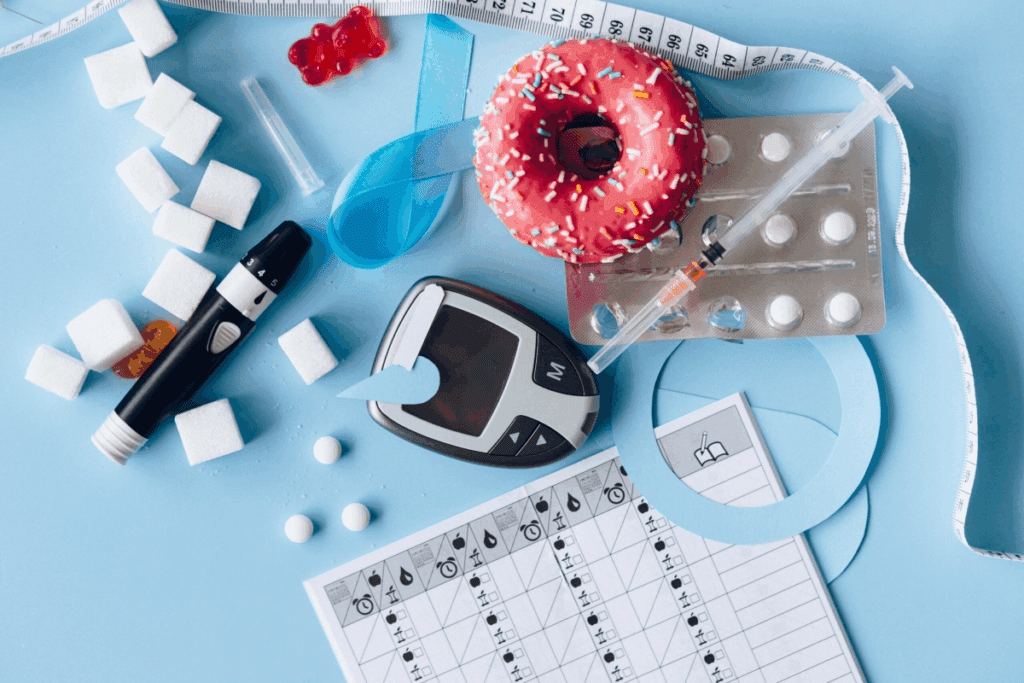
Type 2 diabetes is a big health risk that can cause early death. It leads to many complications. We need to understand and tackle this health issue fast.
Mortality rates from Type 2 diabetes have doubled in the last 20 years. Heart disease is a big reason for the thousands of deaths each year.
At Liv Hospital, we aim to provide top-notch care for diabetes. We use new, team-based methods. It’s key to stop serious problems like blindness, kidney failure, heart attacks, and losing limbs.
Key Takeaways
- Type 2 diabetes can lead to premature death if not managed properly.
- Mortality rates associated with Type 2 diabetes have significantly increased.
- Cardiovascular disease is a major complication of Type 2 diabetes.
- Effective management of diabetes is key to prevent complications.
- Liv Hospital offers complete care for managing Type 2 diabetes.
The Rising Threat of Type 2 Diabetes
Type 2 diabetes is a growing global health issue. It’s important to know the numbers and trends related to this condition.
Current Statistics and Mortality Trends
Diabetes-related deaths have sharply increased. The death rate from diabetes has doubled from 1999 to 2023. This shows we need better ways to prevent and manage diabetes.
More people are living with diabetes now than ever before. The number has jumped from 200 million in 1990 to 830 million in 2022. This is a fourfold increase in just 30 years, showing diabetes is a bigger problem worldwide.
The Doubling of Diabetes-Related Deaths
Diabetes-related deaths have doubled from 1999. This is a big worry, but it’s even more concerning in poorer countries. These countries often can’t afford to treat diabetes well.
In low- and middle-income countries, fewer people get diabetes treatment. This makes it harder for them to avoid serious problems and death from diabetes.
High-Risk Demographics
Some groups face a higher risk of getting Type 2 diabetes and its complications. Knowing who these groups are helps us focus our efforts to prevent and treat diabetes.
Demographic | Risk Factors | Complications |
Age >45 years | Family history, obesity, physical inactivity | Cardiovascular disease, nephropathy |
Ethnic minorities | Genetic predisposition, socioeconomic factors | Higher risk of diabetic retinopathy, kidney disease |
Low socioeconomic status | Limited access to healthcare, poor diet | Increased risk of diabetic foot complications |
By knowing who is at risk, we can create plans to help them. This can reduce the dangers of Type 2 diabetes and improve their health.
What Exactly Is Type 2 Diabetes?

Type 2 diabetes is a condition where the body can’t use insulin well. Insulin is a hormone that helps control blood sugar levels. This makes it hard for the body to manage blood sugar.
The Pathophysiology of Insulin Resistance
Insulin resistance is a key part of Type 2 diabetes. It happens when cells don’t respond to insulin as they should. This makes it tough for glucose to get into cells.
The pancreas then makes more insulin. But it can’t keep up, leading to high blood sugar levels.
Key factors contributing to insulin resistance include:
- Genetics
- Obesity
- Physical inactivity
- A diet high in sugars and saturated fats
Difference Between Type 1 and Type 2 Diabetes
Type 1 diabetes is when the immune system attacks insulin-making cells. This means little to no insulin is made. Type 2 diabetes is about insulin resistance and not making enough insulin.
The difference between the two is key for the right treatment and care.
How Uncontrolled Blood Sugar Damages the Body
High blood sugar can harm nerves and blood vessels over time. This can lead to heart disease, kidney damage, and vision problems. People with Type 2 diabetes are 1.3 to 2 times more likely to die from these issues.
Type 2 diabetes messes with how the body uses sugar and insulin. It can damage nerves and blood vessels. Keeping blood sugar in check is vital to avoid these problems and improve life quality.
Could Diabetes Kill You? The Hard Truth
Diabetes can greatly increase the risk of death. It’s a serious condition affecting millions globally. Its impact on mortality rates is huge.
Mortality Rates and Risk Ratios
Studies show people with diabetes face a higher death risk than those without. The risk varies based on age, blood sugar control, and other health issues.
Diabetes mortality rates are alarming. People with diabetes are more likely to die from heart disease and other heart problems.
1.3 to 2 Times Higher Death Risk Compared to Non-Diabetics
Research finds people with diabetes have a 1.3 to 2 times higher death risk than non-diabetics. This increased risk comes from poor blood sugar control, longer diabetes duration, and other health issues.
Younger patients face an even higher risk of death from diabetes.
Why Younger Patients Face Greater Relative Risk
Patients under 55 years old have a higher risk of death. Younger people often have diabetes for longer, causing more damage over time.
Early diagnosis and effective management are key to reducing death risk in diabetics. Understanding the risks and taking action can help diabetics live longer, healthier lives.
Cardiovascular Complications: The Leading Cause of Death
Cardiovascular disease is a big worry for people with diabetes. It’s the main reason they die. Heart disease, stroke, and high blood pressure are all linked to diabetes.
Heart Disease and Diabetes Connection
The connection between heart disease and diabetes is clear. Diabetes harms blood vessels and nerves that control the heart. High blood sugar can cause plaque buildup in arteries, leading to heart attacks.
- Increased risk of heart failure
- Higher likelihood of coronary artery disease
- Greater risk of myocardial infarction
Diabetes also brings other heart risks, like high blood pressure and cholesterol. These increase the chance of heart disease.
Stroke Risk in Diabetic Patients

Diabetic patients face a higher stroke risk. High blood sugar damages blood vessels and nerves. Strokes can be caused by blood clots or vessel ruptures.
- Ischemic stroke due to blood clots
- Hemorrhagic stroke due to blood vessel rupture
- Transient ischemic attacks (TIAs or “mini-strokes”)
Hypertension and Vascular Damage
Hypertension is common in diabetics and harms blood vessels. High blood pressure can harden arteries, making them more prone to blockages and ruptures.
Diabetes and high blood pressure together speed up vascular damage. This raises the risk of heart disease and stroke. It’s key to manage blood pressure through lifestyle and medicine to reduce these risks.
Kidney Disease and Diabetic Nephropathy
Diabetes is a big risk for kidney disease. Diabetic nephropathy is a major cause of chronic kidney disease. It happens when high blood sugar damages the kidneys over time.
Damage to the Kidneys
High blood sugar can harm the blood vessels in the kidneys. This makes it hard for the kidneys to filter waste from the blood. This damage can lead to diabetic nephropathy, a serious condition.
Key factors that contribute to kidney damage in diabetes include:
- Prolonged exposure to high blood sugar levels
- Hypertension
- Genetic predisposition
Progression to End-Stage Renal Disease
If not managed, diabetic nephropathy can lead to end-stage renal disease (ESRD). At this stage, the kidneys almost stop working. Patients need dialysis or a kidney transplant to live.
Managing blood sugar and blood pressure can slow down this progression.
Stage | Description | Typical Treatment |
Early Nephropathy | Increased kidney function or presence of microalbuminuria | Tight blood sugar control, monitoring |
Overt Nephropathy | Macroalbuminuria, declining kidney function | Blood pressure control, medication |
End-Stage Renal Disease | Severe loss of kidney function | Dialysis or kidney transplantation |
Dialysis and Transplantation Outcomes
Diabetic patients on dialysis face higher risks of complications and death. Kidney transplantation is often a better option, but it requires lifelong medication.
Outcomes for diabetic patients undergoing dialysis or transplantation:
- Higher risk of cardiovascular events
- Increased susceptibility to infections
- Potential for improved quality of life post-transplantation
Understanding the risks and managing diabetes well are key to preventing severe kidney disease. By controlling blood sugar and addressing other risk factors, people with diabetes can lower their risk of diabetic nephropathy and its complications.
Other Life-Threatening Complications
Diabetes can lead to more than just heart problems. It’s important to know about and prevent other serious risks.
Diabetic Ketoacidosis and Hyperosmolar Hyperglycemic State
Diabetic ketoacidosis (DKA) and hyperosmolar hyperglycemic state (HHS) are serious issues for people with diabetes. DKA happens when the body makes too many ketones, which can harm it. It’s more common in type 1 diabetes but can also hit type 2 diabetes, often during stress or illness.
HHS, on the other hand, is marked by very high blood sugar, often over 600 mg/dL. It mostly affects older adults with type 2 diabetes. Both DKA and HHS need quick medical help to avoid serious harm or death.
The signs of DKA and HHS include:
- High blood sugar levels
- Ketones in the urine (for DKA)
- Dehydration
- Confusion or altered mental state
- Fruity-smelling breath (for DKA)
Severe Infections and Compromised Immunity
Diabetes makes people more likely to get infections because their immune system is weak. High blood sugar makes it hard for the body to fight off infections. Poor blood sugar control weakens the immune system, making it harder to get better from infections.
Some infections that can be worse for people with diabetes include:
- Skin infections
- Urinary tract infections
- Respiratory infections
- Fungal infections
It’s key for people with diabetes to stay clean, control their blood sugar, and get medical help fast if they think they have an infection.
Diabetic Neuropathy and Its Consequences
Diabetic neuropathy is nerve damage from diabetes. High blood sugar can hurt nerves, causing pain, numbness, or tingling, usually in the feet and hands.
If not treated, diabetic neuropathy can cause big problems, like:
- Foot ulcers
- Amputations
- Autonomic dysfunction (affecting digestion, heart rate, etc.)
Keeping blood sugar in check and seeing a healthcare provider regularly can help prevent or lessen diabetic neuropathy’s effects.
The Impact on Life Expectancy
Diagnosing Type 2 diabetes brings many factors into play that affect life expectancy. It’s important to understand these effects to manage the condition well.
Average 5-6 Years of Life Lost
Studies show that people with Type 2 diabetes lose about 5 to 6 years of life. This loss comes from the disease’s severity, other health issues, and how well it’s managed.
Managing diabetes well is key to reducing its impact. Keeping blood sugar levels in check can lower the risk of diabetes-related problems.
Age of Diagnosis and Its Effect on Longevity
The age when someone is diagnosed with Type 2 diabetes affects life expectancy. Younger patients often lose more years of life because they have the disease for longer.
Being diagnosed young means facing diabetes’s complications, like heart disease and kidney damage, for more years. So, catching and treating diabetes early is very important.
Quality of Life in Later Years with Diabetes
Type 2 diabetes can shorten life, but good management can improve later years. Eating right and staying active can help manage the disease and prevent complications.
Also, new treatments and better care options help manage diabetes better. This lets people with diabetes live active, fulfilling lives despite their diagnosis.
In summary, while Type 2 diabetes affects life expectancy, managing it well can lessen its impact. By understanding how to manage diabetes and taking proactive steps, people can live better and longer lives.
Warning Signs That Require Immediate Medical Attention
It’s important to know the warning signs that need quick medical help for diabetes care. Diabetes can cause emergencies that are serious if not treated right away.
Symptoms of Diabetic Emergency
Diabetic emergencies show up in different ways. Signs include stomach pain, trouble breathing, and feeling confused. If you notice these, act fast.
If your blood sugar gets too low, eat 15 grams of carbs every 15 minutes until it’s at least 70 milligrams per deciliter. Never ignore the warning signs of low blood sugar; ignoring it can cause serious problems.
When to Seek Emergency Care
It’s important to know when to go to the emergency room. Severe stomach pain, vomiting, or trouble breathing mean you should get help right away. These could be signs of a serious diabetic emergency.
Symptom | Action |
Severe abdominal pain | Seek emergency care immediately |
Blood sugar below 70 mg/dL | Consume 15g of carbs, recheck in 15 minutes |
Difficulty breathing or confusion | Call emergency services |
Preventing Critical Situations
Prevention is key. Keep an eye on your blood sugar, live a healthy lifestyle, and follow your treatment plan. This can lower the risk of diabetic emergencies.
By being proactive and knowing the warning signs, you can avoid many serious situations. Stay vigilant and take control of your diabetes management.
Risk Factors That Accelerate Mortality
It’s key to know what increases death risk in people with diabetes. We’ll look at how some factors make death from diabetes more likely.
Poor Glycemic Control and HbA1c Levels
Poor blood sugar control is a big risk for death in diabetics. High blood sugar harms the body, leading to heart attacks, strokes, and kidney failure. The HbA1c test shows blood sugar levels over 2-3 months. Keeping HbA1c under 7% helps avoid serious problems.
Duration of Diabetes and Cumulative Damage
The longer you have diabetes, the more harm it does. Diabetes duration raises the risk of heart disease, kidney damage, and nerve problems. High blood sugar over time causes a lot of harm. So, catching and treating diabetes early is key to avoiding long-term damage.
Comorbid Conditions That Compound Risk
Conditions like high blood pressure, high cholesterol, and obesity add to the risk of death in diabetics. These issues make diabetes complications worse. Managing these conditions with lifestyle changes and medicine is vital to lower risk.
By tackling these risk factors, we can lower diabetes-related death risk. This improves life quality for those with diabetes.
Prevention and Management Strategies
Prevention and management are key to diabetes care. They offer hope for a healthier future. By using effective strategies, people can lower the risks of type 2 diabetes.
Lifestyle Modifications That Save Lives
Lifestyle changes are essential for preventing and managing diabetes. A healthy diet and regular physical activity are critical. Keeping a normal body weight and avoiding tobacco are also important.
- Eating a balanced diet rich in fruits, vegetables, and whole grains
- Engaging in at least 150 minutes of moderate-intensity aerobic exercise per week
- Achieving and maintaining a healthy weight
- Avoiding smoking and limiting alcohol consumption
Medical Management and New Treatment Options
For those with diabetes, medical management is vital. It helps control blood sugar levels. New treatments, like advanced medications and technologies, offer better care.
“The advancement in diabetes treatment has been remarkable, providing patients with more effective and personalized care options.” –
A diabetes specialist
Medicines like metformin, SGLT2 inhibitors, and GLP-1 receptor agonists help manage diabetes well.
Regular Screening and Early Intervention
Regular screening for diabetes complications is critical. It includes checking kidney function, eye exams, and foot care.
Screening Type | Frequency | Purpose |
Kidney Function Test | Annually | To detect diabetic nephropathy early |
Eye Exam | Annually | To identify diabetic retinopathy |
Foot Exam | At each visit | To prevent diabetic foot complications |
Building Your Healthcare Support Team
A supportive healthcare team is essential for managing diabetes. This team includes a primary care physician, endocrinologist, dietitian, and educator.
Together, they offer complete care, education, and support. This helps manage diabetes effectively.
Conclusion: Living Well Despite Diabetes
Getting a Type 2 diabetes diagnosis can be scary, making you wonder if it’s deadly. But, with the right care, you can live well with diabetes. Keeping your blood sugar in check is key to avoiding serious problems.
It’s important to focus on the diabetes ABCs. This means keeping your A1C levels healthy, managing your blood pressure, and controlling your cholesterol. Doing this can greatly lower your risk of heart disease, kidney issues, and other serious problems linked to diabetes.
Managing diabetes well needs a full plan. This includes making lifestyle changes, getting medical help, and regular check-ups. By teaming up with your healthcare team and staying proactive, you can handle diabetes and avoid serious issues. This way, you can improve your life quality.
Even though Type 2 diabetes comes with big risks, knowing these risks and acting early can help you live a long, healthy life. Managing diabetes is a journey. With the right support and strategies, you can reduce risks and stay well.
FAQ
Can diabetes kill you?
Yes, diabetes can increase the risk of premature death. This is mainly due to heart disease, kidney disease, and other related conditions.
Will type 2 diabetes kill you?
Type 2 diabetes can significantly increase the risk of mortality. But, with proper management and lifestyle changes, it’s possible to live a long, healthy life.
Can u die from type 2 diabetes?
Yes, if left unmanaged or poorly managed, type 2 diabetes can lead to life-threatening complications. These include heart disease, stroke, and kidney failure.
How does diabetes kill you?
Diabetes can cause death through various mechanisms. This includes cardiovascular disease, kidney failure, and severe infections. These often result from prolonged high blood sugar levels damaging organs and systems.
Does type 2 diabetes kill you?
Type 2 diabetes itself is not typically the direct cause of death. But, its associated complications, like heart disease and kidney disease, can be fatal if not properly managed.
Can a person die from diabetes?
Yes, diabetes can be a contributing factor to mortality. This is true if it is not well-managed and leads to serious complications.
How long does it take for diabetes to kill you?
The timeframe varies greatly. It depends on factors like the effectiveness of diabetes management, presence of comorbid conditions, and lifestyle choices.
What are the warning signs that require immediate medical attention for diabetes?
Warning signs include symptoms of diabetic emergencies. These include diabetic ketoacidosis, severe hyperglycemia, or hypoglycemia. They require immediate medical care.
How can diabetes be managed to prevent complications?
Diabetes management involves lifestyle modifications. This includes diet and exercise, medical management with medications or insulin, and regular monitoring of blood glucose levels.
What are the risk factors that accelerate mortality in diabetic patients?
Risk factors include poor glycemic control and longer duration of diabetes. Presence of comorbid conditions like hypertension and cardiovascular disease, and lifestyle factors also play a role.
Can lifestyle modifications save lives in diabetic patients?
Yes, adopting healthy lifestyle habits can significantly reduce the risk of diabetes-related complications and mortality. This includes a balanced diet, regular physical activity, not smoking, and maintaining a healthy weight.
References:
National Center for Biotechnology Information. Evidence-Based Medical Guidance. Retrieved from https://pmc.ncbi.nlm.nih.gov/articles/PMC12212274/