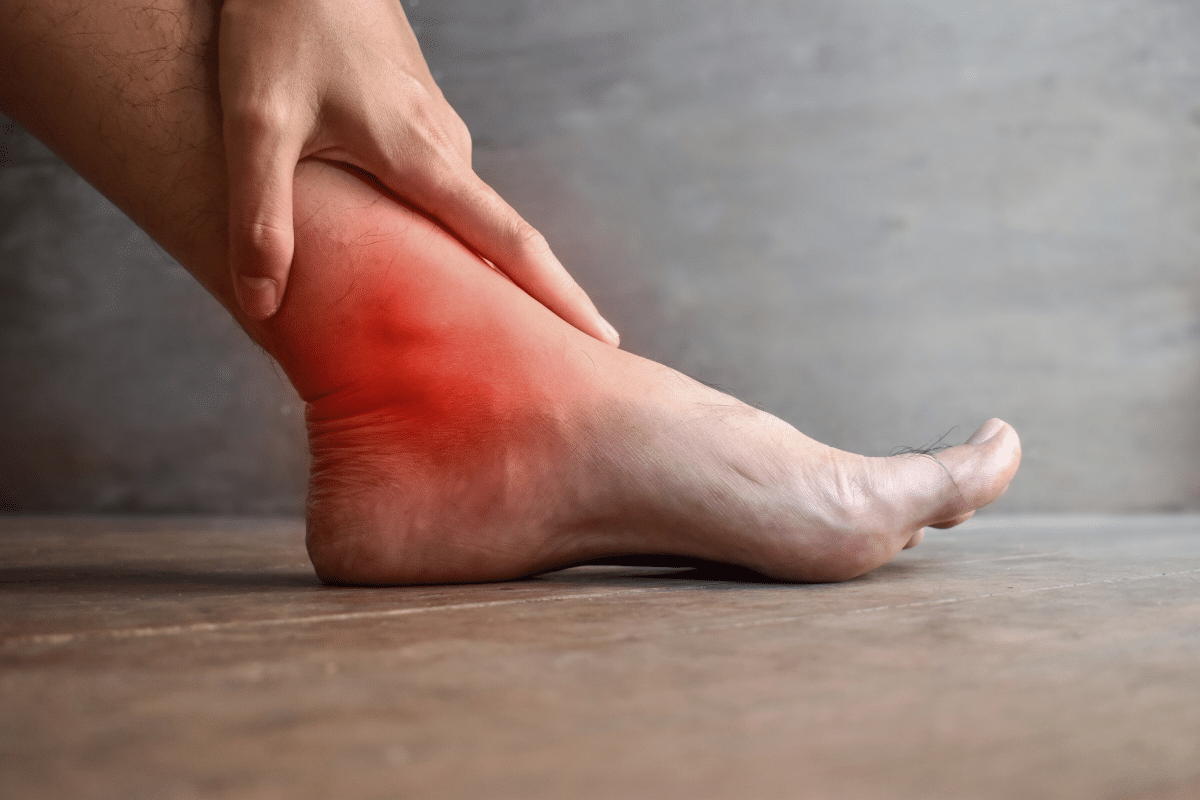
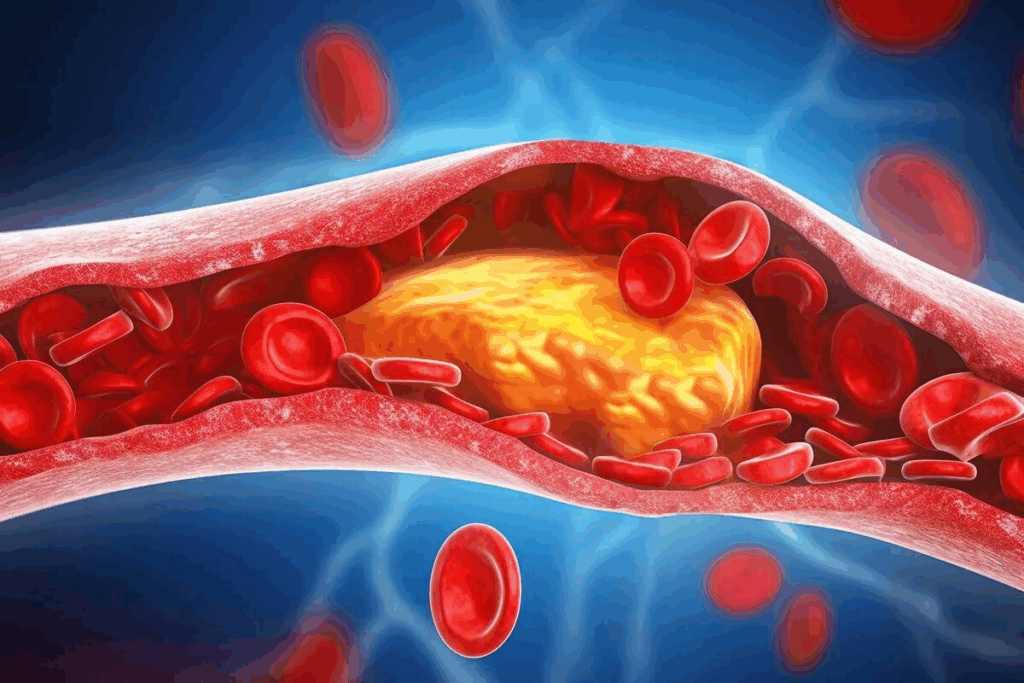
Chronic stress can deeply affect your heart health, including your cholesterol levels. Research shows stress changes how your body handles cholesterol through hormones like cortisol. At Liv Hospital, we focus on both your body and mind to keep your heart healthy. Get the definitive answer: does stress cause high cholesterol levels? Learn the hormonal link between chronic stress, cortisol, and lipid levels clearly.
Studies found that long-term stress raises bad cholesterol and lowers good cholesterol. For example, a study with 208 college students showed high cortisol and cholesterol during exams. It’s key to understand how stress and cholesterol are linked for heart health.
Key Takeaways
- Chronic stress can increase cholesterol levels through biochemical changes.
- Cortisol, a stress hormone, plays a significant role in cholesterol metabolism.
- Stress management is key for healthy cholesterol levels.
- Comprehensive healthcare addressing physical and emotional factors is essential.
- Liv Hospital provides rigorous healthcare for heart health.
The Connection Between Stress and Cholesterol

Chronic stress can really affect our cholesterol levels. It changes both good and bad cholesterol. When we’re stressed, our body goes into “fight or flight” mode. This releases hormones like cortisol and adrenaline.
Understanding Good vs. Bad Cholesterol
To understand stress’s impact on cholesterol, we must know the difference between good and bad cholesterol. HDL cholesterol helps remove bad cholesterol from your blood. On the other hand, LDL cholesterol can build up in your arteries, raising heart disease risk.
Cholesterol Type | Function | Impact on Health |
HDL (Good) Cholesterol | Removes excess cholesterol from bloodstream | Reduces risk of heart disease |
LDL (Bad) Cholesterol | Can build up in arteries | Increases risk of heart disease |
How the Body Responds to Stress
Stress makes our body release hormones like cortisol and adrenaline. These hormones get our body ready to face stress by raising heart rate and blood pressure. But, having these hormones too long can harm our cholesterol levels.
Overview of Stress-Cholesterol Relationship
Studies show that long-term stress can raise bad cholesterol and lower good cholesterol. This can up the risk of heart disease. Knowing this helps us find ways to fight stress-related cholesterol problems.
By understanding how stress affects our cholesterol, we can act to reduce its impact. We can manage stress, eat right, and stay active.
Does Stress Cause High Cholesterol Levels? The Scientific Evidence

Research shows stress can affect cholesterol levels. We’ll look at studies that link stress to high cholesterol. These studies show how stress impacts cholesterol profiles.
Research Studies on Stress and Cholesterol
Many studies have explored stress and cholesterol. They focus on how stress changes cholesterol levels.
A study with 208 college students found high cortisol, adrenaline, and cholesterol during exams. This shows stress can raise cholesterol levels.
The College Student Study: Exam Period Cholesterol Elevation
The college student study is key for understanding stress and cholesterol. It shows how stress affects cholesterol in healthy people. The study found cortisol, adrenaline, and cholesterol go up during exams.
Here’s a summary of the findings:
Parameter | Non-Exam Period | Exam Period |
Cortisol Levels | Normal | Elevated |
Adrenaline Levels | Normal | Elevated |
Cholesterol Levels | Normal | Elevated |
The 91,500 Adult Study: Job Stress and Cholesterol Profiles
A big study with over 91,500 adults found job stress linked to high cholesterol. This includes high LDL and low HDL cholesterol. It shows why managing stress at work is important for heart health.
The study highlights the need for stress-reducing programs at work. It also stresses the importance of healthy coping strategies for employees.
Understanding the science behind stress and cholesterol is key. Managing stress well is essential for keeping cholesterol levels healthy.
The Biochemical Pathway: How Stress Alters Cholesterol
Stress affects our cholesterol levels through a complex biochemical pathway. When we’re stressed, our body starts a series of reactions. These reactions can harm our heart health.
Cortisol’s Role in Cholesterol Regulation
Cortisol, known as the “stress hormone,” is released by the adrenal gland when we’re stressed. It’s key in how our body responds to stress, affecting cholesterol levels. Cortisol’s impact on cholesterol is complex, affecting how cholesterol is made and where it goes in the body.
How Cortisol Triggers Glucose and Fatty Acid Release
Cortisol in the blood makes the liver release glucose and fatty acids. This is part of the body’s “fight or flight” response. The release of glucose and fatty acids can raise blood lipid levels, as these stay in the blood longer.
- Cortisol breaks down fat, protein, and carbs for energy.
- The fatty acids released can make LDL cholesterol, or “bad” cholesterol.
- High cortisol levels can keep blood lipid levels high.
Persistent Stress Response and Blood Lipid Levels
Long-term stress means constant cortisol release, affecting blood lipids. The ongoing stress can raise LDL cholesterol and lower HDL cholesterol, the “good” cholesterol. This imbalance raises heart disease risk.
- Long cortisol exposure can cause insulin resistance, affecting lipid metabolism.
- High cortisol and changed lipid levels increase heart disease risk.
- Controlling stress is key to reducing its bad effects on cholesterol and heart health.
Acute vs. Chronic Stress: Different Effects on Cholesterol
Stress affects cholesterol levels in different ways, depending on its type. Acute stress and chronic stress have different impacts. The length and intensity of stress matter a lot.
Short-Term Stress Responses and Temporary Changes
Acute stress makes your body release stress hormones like cortisol and adrenaline. These hormones help you react quickly, changing how your body works, including cholesterol production. When you’re under acute stress, your cholesterol might go up a bit because your body uses stored energy.
But, once the stress goes away, your cholesterol levels usually get back to normal.
Long-Term Stress and Cholesterol Dysregulation
Chronic stress, though, has a bigger and longer-lasting effect on cholesterol. When stress lasts a long time, your body keeps making more stress hormones. This can change your cholesterol levels in bad ways.
It can make your “bad” cholesterol go up and your “good” cholesterol go down. This is because your body keeps reacting to stress, affecting your heart and other organs.
The Three-Fold Risk: Large Stress Responses and High Cholesterol
People who react more to stress are at a higher risk of high cholesterol. Studies show that those with bigger stress responses are more likely to see changes in their cholesterol. They are three times more likely to get high cholesterol.
This shows how important it is to manage stress well. It helps keep your heart healthy and prevents high cholesterol.
Knowing how acute and chronic stress affect cholesterol helps us find better ways to handle stress. By tackling chronic stress, we can lower our risk of high cholesterol and heart disease.
Stress-Induced Behavioral Changes That Impact Cholesterol
Stress can change how we behave, affecting our cholesterol levels. It can alter our diet and how much we exercise. Knowing these changes is key to managing cholesterol.
Stress Eating and Poor Dietary Choices
Stress often leads to eating more comfort foods. These foods are high in fats, sugars, and sodium. This can increase calories and weight, raising cholesterol risks.
Stress eating creates a cycle. Comfort foods give temporary relief but then cause guilt, making stress worse.
Reduced Physical Activity During Stressful Periods
Stress can make us less active. We might sit more at work or watching TV. Reduced physical activity can lead to weight gain and higher cholesterol.
Sleep Disruption and Its Effect on Cholesterol
Stress can also mess with our sleep. Poor sleep affects our body’s cholesterol regulation. Studies show it can raise LDL cholesterol.
Getting enough sleep is vital, even when stressed. It helps keep cholesterol levels healthy.
Individual Variations in Stress Response and Cholesterol
How stress affects cholesterol varies from person to person. This is due to genetics, age, and health. Knowing these differences helps us find better ways to protect heart health.
Genetic Factors in Stress-Cholesterol Relationship
Genetics can greatly affect how stress changes cholesterol levels. Some genes control stress hormones like cortisol. These hormones play a big role in how our body handles cholesterol.
For example, people with certain genes might see bigger changes in cholesterol when stressed.
Age and Gender Differences in Response
Age and gender also matter when it comes to stress and cholesterol. Women, for instance, might see bigger changes in cholesterol due to stress. This is true, even more so for women in stressful jobs.
Studies show that female officers have higher cholesterol and diabetes rates than male officers and other women.
Pre-existing Health Conditions and Amplified Effects
People with health issues like high blood pressure or diabetes feel stress’s effects more. Stress can make these conditions worse, leading to bigger changes in cholesterol levels.
It’s important to manage these conditions well. This helps reduce stress’s impact on cholesterol and heart health.
Stress Management Strategies to Improve Cholesterol Profiles
To fight stress’s impact on cholesterol, it’s key to use stress management strategies. These strategies can make cholesterol levels better and help heart health. We’ll look at different ways to manage stress and its effects on cholesterol.
Evidence-Based Stress Reduction Techniques
There are proven ways to reduce stress and improve cholesterol. These include:
- Meditation and Yoga: These practices combine movement, deep breathing, and meditation. They can lower stress and boost cholesterol levels.
- Mindfulness-Based Stress Reduction (MBSR): This method uses mindfulness to cut down stress. It also improves overall health.
- Cognitive Behavioral Therapy (CBT): CBT helps manage stress by changing negative thoughts.
Exercise as a Dual Benefit for Stress and Cholesterol
Exercise is key for managing stress and improving cholesterol. It helps in:
- Reducing Stress: Exercise lowers stress hormones like cortisol and adrenaline.
- Improving Lipid Profiles: It raises HDL cholesterol, the “good” cholesterol, and lowers LDL, the “bad” cholesterol.
Exercise Type | Impact on Stress | Impact on Cholesterol |
Aerobic Exercise | Reduces stress hormones | Improves HDL cholesterol |
Resistance Training | Enhances mood | Lowers LDL cholesterol |
Yoga and Stretching | Reduces anxiety | Improves overall lipid profile |
Dietary Approaches During High-Stress Periods
Diet is important for managing stress and cholesterol. During stressful times, eat a balanced diet with:
- Fruits and Vegetables: They’re full of antioxidants and fiber. These can reduce inflammation and improve cholesterol.
- Whole Grains: They’re high in fiber, which can lower LDL cholesterol.
- Lean Proteins: Foods like poultry, fish, and legumes provide nutrients without raising cholesterol.
By using these stress management strategies, people can better their cholesterol and lower heart disease risk.
When to Seek Medical Help for Stress-Related Cholesterol Issues
Stress can really affect your cholesterol levels. It’s important to know when to see a doctor. While changing your lifestyle can help, sometimes you need medical help.
Warning Signs and Symptoms
It’s key to know the signs that mean you need to see a doctor. These include:
- Persistently high cholesterol levels despite dietary changes and exercise
- Significant weight gain or loss
- Increased blood pressure
- Symptoms of cardiovascular disease, such as chest pain or shortness of breath
According to the American Heart Association, adults aged 20 or older should have their cholesterol checked every 4 to 6 years if they have not had a heart problem. If you’re experiencing any of these symptoms, you should get medical help.
Medical Interventions and Treatments
For stress-related cholesterol issues, doctors might suggest:
- Lipid profile tests to monitor cholesterol levels
- Medications to lower cholesterol, such as statins or bile acid sequestrants
- Referral to a cardiologist or a lipid specialist
It’s vital to work closely with your healthcare provider to determine the best course of treatment. They can help you create a plan to manage your cholesterol and lower your heart disease risk.
Integrating Stress Management with Medical Care
Combining stress management with medical care can greatly improve your health. This might include:
- Stress reduction techniques, such as meditation or yoga
- Cognitive-behavioral therapy (CBT) to manage stress and anxiety
- Lifestyle modifications, including dietary changes and increased physical activity
As noted by the American Heart Association, “Lifestyle changes, including stress management, are a critical component of cardiovascular disease prevention.”
By using medical treatments and stress management together, you can manage your cholesterol better. This can help lower your risk of heart disease.
Conclusion: Managing the Stress-Cholesterol Connection
It’s important to understand how stress and cholesterol are connected. We’ve looked into how stress can change cholesterol levels. We’ve also seen the impact of both short-term and long-term stress on cholesterol.
Reducing stress is key to keeping cholesterol levels in check. Using stress management techniques like exercise and healthy eating can help. These methods can lower the risk of high cholesterol.
Keeping stress levels low is good for everyone, whether your cholesterol is high or low. By managing stress, we can lower the risk of heart disease. This helps us stay healthy and feel better overall.
FAQ:
Does stress directly cause high cholesterol?
Stress itself doesn’t directly cause high cholesterol. But, long-term stress can harm your cholesterol levels. It can raise bad cholesterol and lower good cholesterol.
How does cortisol affect cholesterol levels?
Cortisol, a stress hormone, affects cholesterol. It can release glucose and fatty acids into your blood. This can change your cholesterol levels.
Can stress management techniques help improve cholesterol profiles?
Yes, managing stress can help your cholesterol. Techniques like exercise and healthy eating can reduce stress’s negative effects on cholesterol.
What is the difference between acute and chronic stress, and how do they impact cholesterol?
Acute stress has short-term effects on cholesterol. Chronic stress, on the other hand, can lead to long-term changes in cholesterol levels. This increases the risk of heart disease.
How do individual variations in stress response affect cholesterol levels?
Stress affects cholesterol differently for everyone. Factors like genetics, age, and gender play a role. Pre-existing health conditions can also make stress’s effects worse.
Can stress-induced behavioral changes impact cholesterol levels?
Yes, stress can lead to unhealthy habits. Poor diet and less exercise can harm your cholesterol levels.
When should I seek medical help for stress-related cholesterol issues?
If you notice signs like high blood pressure or heart disease, seek help. If lifestyle changes don’t work, medical attention is needed.
How does stress affect LDL and HDL cholesterol levels?
Stress can raise bad cholesterol (LDL) and lower good cholesterol (HDL). This makes cholesterol profiles worse.
Can exercise help mitigate the negative effects of stress on cholesterol?
Yes, exercise can reduce stress and improve cholesterol. It raises good cholesterol and lowers bad cholesterol.
Are there any dietary approaches that can help manage stress-related cholesterol issues?
Yes, eating a balanced diet helps. Choose foods low in saturated fats and high in fiber to manage stress-related cholesterol.
References:
National Center for Biotechnology Information. Evidence-Based Medical Guidance. Retrieved from https://www.ncbi.nlm.nih.gov/pmc/articles/PMC5419930/