Definition of Radiation: 5 Amazing Kid-Friendly Facts 4
Did you know you’re always surrounded by energy? This energy is called radiation. It’s everywhere, even in your home.
We all get exposed to radiation every day. For instance, sunlight is a type of radiation that warms and lights us up. Doctors also use radiation in treatments to make people feel better definition of radiation.
So, what is radiation? It’s energy that moves around us in wave or particle forms.
Key Takeaways
Radiation is a form of energy that surrounds us.
We are exposed to radiation in our daily lives.
Radiation is used in medical treatments to help people.
Sunlight is a form of radiation that gives us warmth and light.
Understanding radiation can help us use it safely.
What is the Definition of Radiation?
Definition of Radiation: 5 Amazing Kid-Friendly Facts 5
Radiation is energy emitted from atoms that comprise everything around us. Some atoms are unstable and release energy as radiation, which can be waves or particles.
Simple Explanation for Kids
Think about being outside on a sunny day. The warmth on your skin comes from the sun’s radiation. It’s energy that travels through space. Microwave ovens also use radiation to heat food. So, radiation is everywhere and is used in many ways, like in medical procedures for children, like some tests.
Examples of Radiation
There are many examples of radiation in our lives. Some common ones include:
Ultraviolet (UV) radiation from the sun or tanning beds
X-rays used in medical imaging to help diagnose illnesses
Gamma radiation used in cancer treatment understanding and therapy
These examples show how radiation is used in different ways. It comes from natural sources like the sun and is also used in medicine to help diagnose and treat diseases.
Types of Radiation
Definition of Radiation: 5 Amazing Kid-Friendly Facts 6
It’s important to know about the different types of radiation. We divide it into ionizing and non-ionizing radiation. This helps us see how radiation affects us and our surroundings.
Ionizing Radiation
Ionizing radiation has enough energy to remove electrons from atoms. This creates ions and can damage DNA in cells. It can lead to health problems. Examples include X-rays, gamma rays, and some ultraviolet radiation.
Think of ionizing radiation like a strong wrecking ball. It can change the structure of atoms, just like it can demolish a building.
Non-Ionizing Radiation
Non-ionizing radiation has less energy. It can make atoms vibrate or rotate. It’s considered safer than ionizing radiation but can affect living tissues. Examples are radio waves, microwaves, and visible light.
Non-ionizing radiation is like a gentle breeze. It can make leaves rustle, but it’s much less intense than ionizing radiation.
To better understand the differences between ionizing and non-ionizing radiation, let’s look at a comparison table:
Characteristics
Ionizing Radiation
Non-Ionizing Radiation
Energy Level
High
Radiation is energy emitted from atoms that comprise everything around us.
Effect on Atoms
Removes electrons, creates ions
Causes vibration or rotation
Examples
X-rays, Gamma Rays, Some UV Radiation
Radio Waves, Microwaves, Visible Light
The two types of radiation have different effects. Knowing these differences helps us understand radiation’s role in our lives. It also shows how to interact with it safely.
How Does Radiation Work?
Radiation is energy emitted from atoms that comprise everything around us. that comes from a source and moves through space. It can be seen as particles or waves.
This might seem complicated, but it’s key to knowing how radiation affects things.
The Role of Particles
Radiation can be made up of particles like alpha and beta particles. Alpha particles are big, high-energy helium nuclei from an atom’s nucleus. They can be stopped by a sheet of paper or human skin.
Beta particles are smaller and faster, going further than alpha particles. They need a thin layer of metal to stop them.
Particle Type
Description
Penetration Power
Alpha Particles
High-energy helium nuclei
Low (stopped by paper or skin)
Beta Particles
High-energy electrons
Moderate (stopped by thin metal)
The Role of Waves
Radiation can also be seen as electromagnetic waves. This includes gamma rays, X-rays, and more. Gamma rays are the most penetrating, needing thick materials like lead to block them.
The wave nature of radiation lets it travel through a vacuum. It can transfer energy across space.
Knowing radiation’s dual nature is important. It helps us understand its uses in medicine and industry. By seeing both sides, we can use or control radiation better.
Sources of Radiation in Everyday Life
Radiation is all around us, coming from natural and human-made sources. It affects our daily lives in many ways.
Natural Sources
The sun is a big source of radiation, which is good for us. It gives us light and ultraviolet (UV) rays. The earth also has radioactive materials, like radon, which can build up in buildings.
Examples of natural sources include:
Cosmic rays from outer space
Radon gas in the soil and buildings
Radioactive materials in the earth’s crust
Man-Made Sources
Humans create radiation for many uses. Medical tools like X-ray machines use it to help patients. Even microwave ovens emit radiation, but it stays inside the oven.
Some common man-made sources include:
Medical imaging devices like X-ray and CT machines
Microwave ovens
Industrial equipment used in various industries
To show the difference, let’s look at a comparison table:
Knowing where radiation comes from helps us understand its role in our lives. It also shows how we can control our exposure to it.
How is Radiation Measured?
To understand radiation’s effects, knowing how it’s measured is key. It involves grasping the units used and the tools for detection.
Units of Measurement
Radiation has several units, each for a different aspect. The main ones are:
Becquerel (Bq): This is the SI unit for radiation activity. It counts nuclear decays per second.
Curie (Ci): A traditional unit named after Marie and Pierre Curie. One curie equals 3.7 x 10^10 becquerels.
Sievert (Sv): This unit measures radiation’s biological effect. It considers the radiation type and its impact on tissue.
Rad and Gray (Gy): These measure absorbed radiation dose. One gray is 100 rads.
Unit
Description
Becquerel (Bq)
Measures radiation activity (decays per second)
Curie (Ci)
Traditional unit for radiation activity
Sievert (Sv)
Measures biological effect of radiation
Gray (Gy)
Measures absorbed dose of radiation
Tools Used to Measure Radiation
Many tools help detect and measure radiation, including:
Geiger Counter: A common device for detecting radiation. It shows levels in counts per minute (CPM) or microsieverts per hour (μSv/h).
Scintillation Counter: Uses a scintillator material that lights up when hit by radiation. This allows for measuring radiation levels.
Dosimeter: A device worn to track radiation exposure over time.
Radiation is energy emitted from atoms that comprise everything around us.
“The discovery of radium was a significant milestone in the history of physics and chemistry.”
Marie Curie
These tools and units help measure radiation accurately. This aids in simplifying complex medical info and improving treatment understanding.
Benefits of Radiation
Radiation has many benefits, from helping in medical treatments to improving communication. It’s used in many ways to make our lives better. This includes treating medical conditions and making global communication easier.
Medical Uses
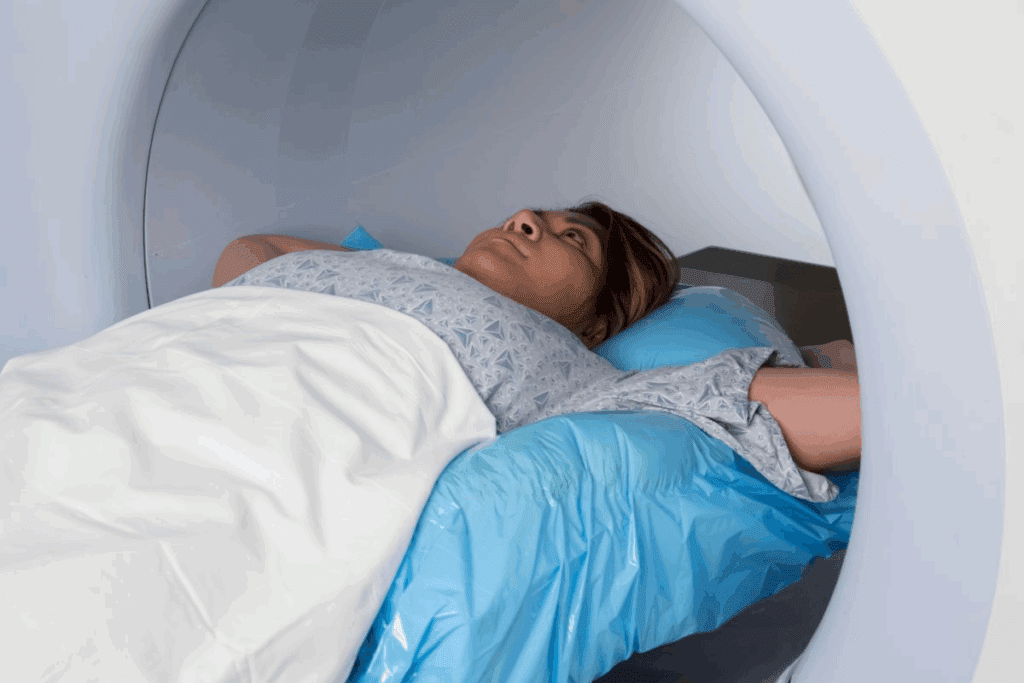
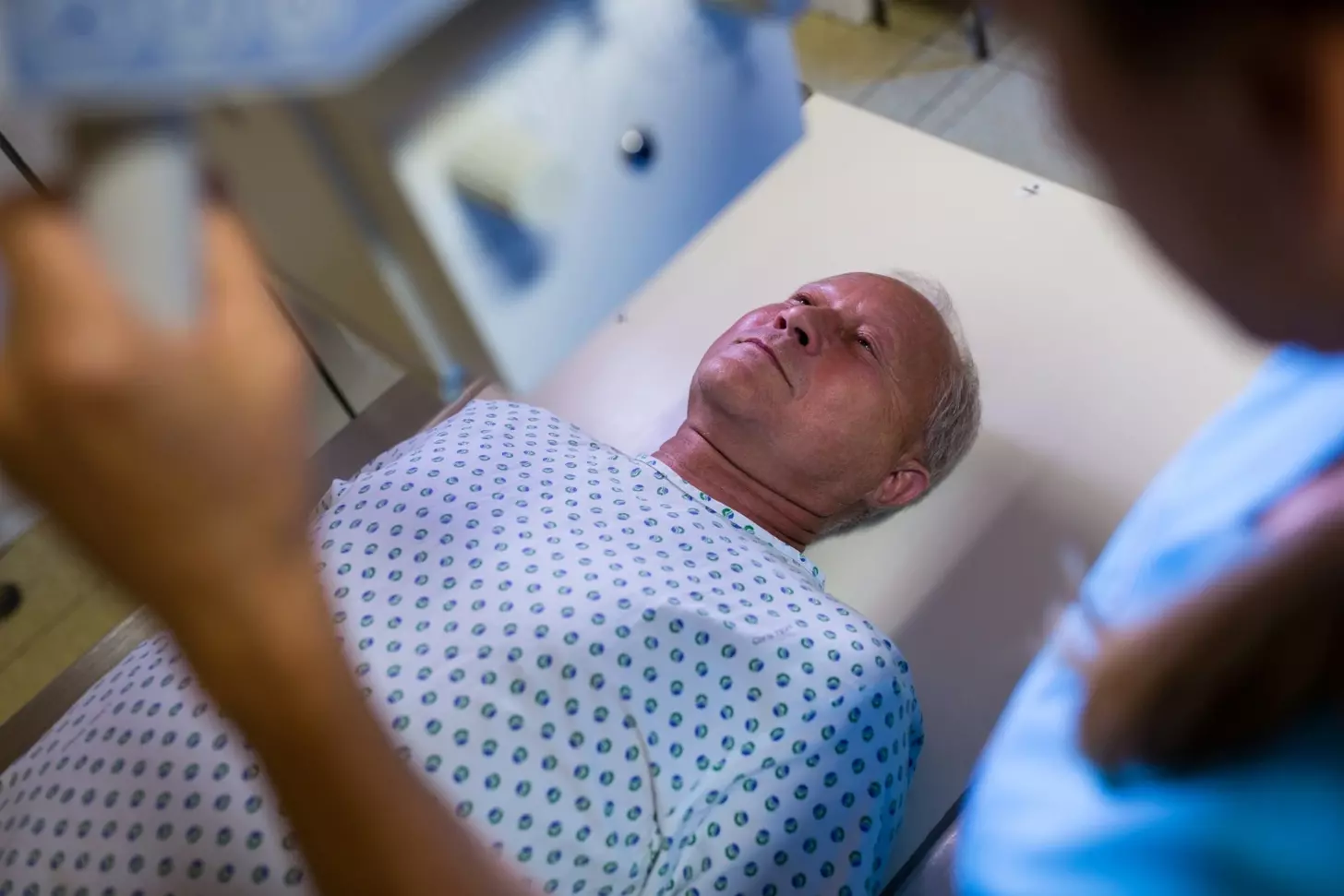
Radiation therapy is key in fighting cancer. It kills cancer cells and stops them from growing. It’s also used in X-rays and CT scans to see inside the body and find diseases early.
In kids’ healthcare, radiation is used wisely. It helps treat and diagnose diseases in children. This includes treating childhood cancers and finding diseases early.
Medical Application
Description
Benefit
Cancer Treatment
Radiation therapy targets and destroys cancer cells
Effective in treating various types of cancer
Diagnostic Imaging
X-rays and CT scans provide detailed images of internal structures
Helps in accurate diagnosis and monitoring of conditions
Pediatric Care
Tailored radiation therapy and diagnostic imaging for children
Improves treatment outcomes and diagnostic accuracy in pediatric patients
Communication Technology
Radiation is key in communication tech. For example, satellites use radiation to send signals across space. These signals help us communicate globally.
Wireless systems also use radiation to send data. This has changed how we talk and share information.
Understanding radiation’s benefits helps us see its importance in medicine and tech. We keep finding new safe ways to use it. This drives progress in many areas.
Dangers of Radiation
Radiation is useful in many fields but can be dangerous if not used carefully. We talked about how radiation is everywhere, but too much can harm us.
Health Risks
High levels of radiation can lead to serious health issues. Radiation sickness happens when we get too much radiation quickly. It can make us feel sick, tired, and even hurt our bones, lungs, and stomach.
Even small amounts of radiation over time can increase our risk of getting cancer. It’s important to know these risks to stay safe.
Safety Precautions
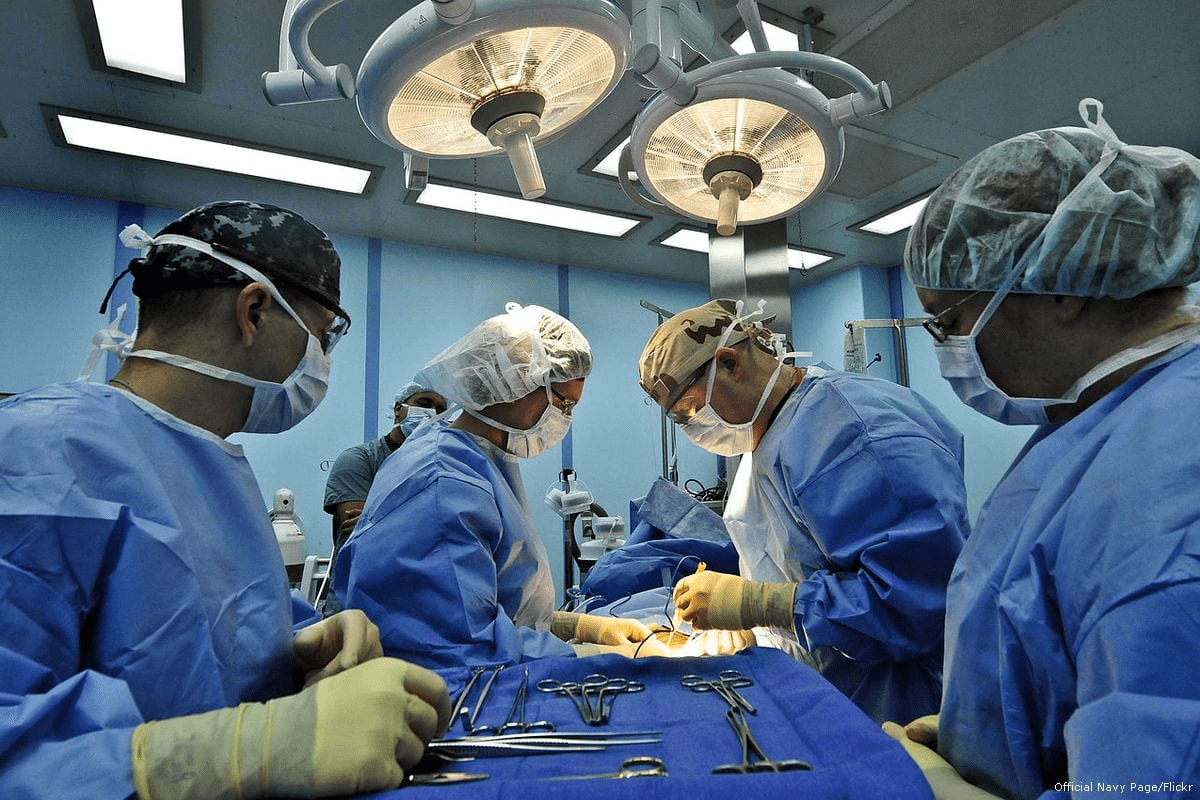
To stay safe from radiation, we need to follow certain rules. People who work with radiation should wear protective clothes like lead aprons and gloves. Doctors and nurses must also follow strict rules when handling radioactive materials.
For everyone, knowing where radiation comes from and how to avoid it is key. For example, during X-rays, make sure the equipment is used right and everyone is protected.
“The key to safety is understanding the risks and taking proactive steps to mitigate them.”
Parents should teach their kids about radiation safety. This includes staying away from radiation sources and following safety rules.
How to Stay Safe Around Radiation
Keeping kids safe from radiation is very important for parents. Radiation is everywhere, but we can reduce risks. There are steps we can take to protect our children.
Tips for Parents
As a parent, you are key in keeping your child safe from radiation. Here are some tips to help you:
Ask your doctor about safer imaging options like ultrasound or MRI.
Make sure medical imaging equipment is well-maintained and used by experts.
Follow safety rules when using devices that give off radiation, like X-ray machines.
Educational Resources
Teaching your child about radiation is important. It helps them understand risks and stay safe. Use online resources like educational websites and videos to teach them. Share reliable medical information to keep them informed.
By staying informed and working together, we can reduce radiation risks. This keeps our children safe.
Fun Facts About Radiation
Exploring radiation has shown us many cool things. We share these fun facts to make science exciting for kids. It helps make learning about science less scary.
Surprising Sources
Did you know radiation is everywhere? It’s in the air, our food, and some building materials. This natural radiation is just part of our world.
Medical Marvels
Radiation is key in medicine. It helps doctors find and treat diseases. For example, it’s used in cancer treatment.
Learning about radiation helps us see its good side. It can help reduce fear and make medical treatments less scary for kids.
FAQ
What is radiation and is it safe?
Radiation is a form of energy that surrounds us. It can be safe or harmful, depending on the amount we’re exposed to. We get small amounts from the sun every day, which is usually okay. But too much radiation can be dangerous, so we need to be careful.
How is radiation used in medicine, specially for kids?
In medicine, radiation helps diagnose and treat some conditions, like cancer. For kids, it might be used to fight cancer. Doctors plan it carefully to hit the bad cells and avoid harming good ones.
What are the different types of radiation?
There are two main types: ionizing and non-ionizing. Ionizing radiation can remove electrons from atoms. Non-ionizing radiation has less energy and is safer. Examples include radio waves and microwaves.
How can parents minimize their kids’ exposure to radiation?
Parents can talk to doctors about safer imaging options, like ultrasound instead of X-rays. They should also make sure medical devices use the least amount of radiation needed.
Are there any benefits to radiation in everyday life?
Yes, radiation has many benefits. It’s used in medical imaging, cancer treatment, and in tech like phones. It also helps us learn about the world through science.
How is radiation measured, and what are the units used?
We measure radiation with tools like Geiger counters. Units like curies and sieverts help us understand how much radiation we’re exposed to. This helps us know how to stay safe.
Can radiation be used to treat cancer in children?
Yes, radiation therapy is sometimes used to treat cancer in kids. It’s a precise treatment that aims to kill cancer cells while protecting healthy ones. The goal is to treat the cancer well and avoid long-term side effects.
What are some fun facts about radiation that kids might enjoy?
Some fun facts about radiation include that it’s everywhere, even in the earth and our food. It’s also used to sterilize medical equipment and in scientific research. These uses help us understand the universe better
Understand the differences between cardiologists and cardiothoracic surgeons, and their respective approaches to managing heart and blood vessel disorders.