Last Updated on November 26, 2025 by Bilal Hasdemir
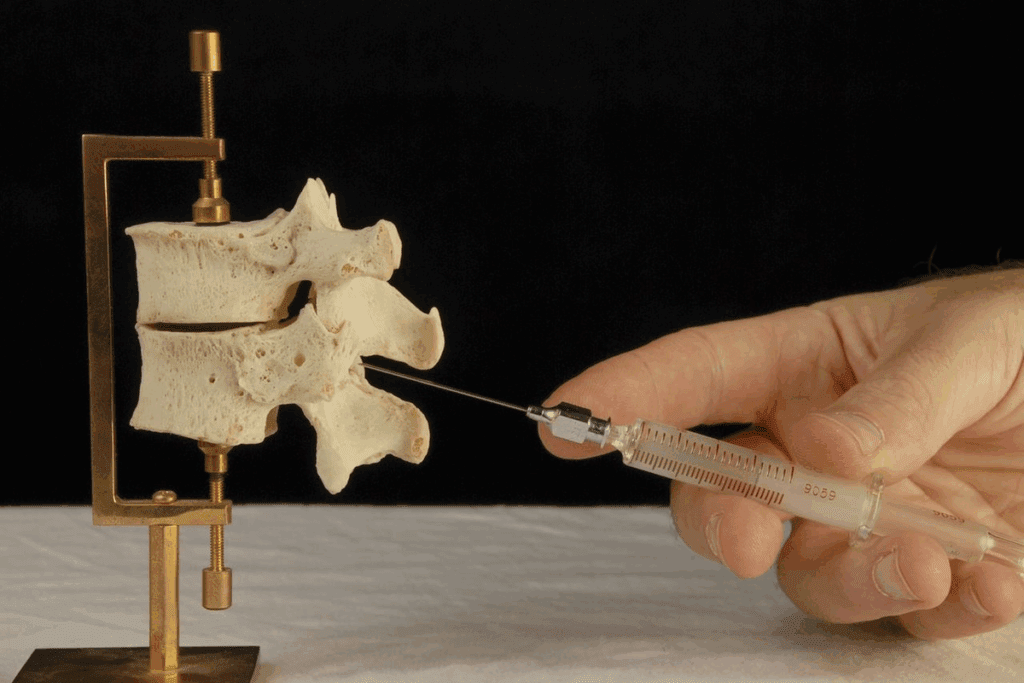
People with degenerative disc disease or herniated discs need to manage their spinal pain. Sometimes, treatments like physical therapy or medication don’t work well. That’s when epidural steroid injections become an option.
These injections help by reducing inflammation and easing nerve pressure.degenerative disc disease epidural steroid injection At Liv Hospital, we use respected methods and tailor care to each patient. This ensures the injections are safe and effective.
Knowing how often to get these injections is key to managing pain. We focus on personalized care. This way, our patients get the right treatment for their needs.
Key Takeaways
- Epidural steroid injections are a common treatment for managing pain associated with degenerative disc disease and herniated discs.
- The frequency of these injections depends on individual patient needs and medical history.
- Liv Hospital follows internationally respected protocols for safe and effective treatment.
- Personalized care is essential for optimal pain management.
- Understanding the optimal frequency of epidural steroid injections is critical for effective treatment.
Understanding Spinal Pain Conditions
Spinal pain conditions are complex and need a detailed approach for diagnosis and treatment. These pains often come from degenerative changes or structural issues. They can greatly affect a person’s quality of life.
Degenerative Disc Disease: Causes and Symptoms
Degenerative disc disease happens when spinal discs wear out, causing pain. It’s caused by aging, genetics, and lifestyle. Symptoms include lower back pain, stiffness, and less mobility.
Common symptoms are pain in one spot, pain that spreads to the legs, and pain that gets worse with movement.
Herniated Discs: Pathophysiology and Pain Mechanisms
A herniated disc happens when the soft center of the disc leaks out. This can irritate nearby nerves. It can come from sudden injury or gradual wear and tear.
The process involves disc degeneration, herniation of the nucleus pulposus, and nerve root irritation. This leads to pain, numbness, or weakness in the back and legs.
How These Conditions Affect Quality of Life
Degenerative disc disease and herniated discs can greatly affect daily life. They cause chronic pain, limit mobility, and affect mental health.
Effective management of these conditions is key. It helps restore function, reduce pain, and improve overall well-being.
Cortisone injections, like epidural steroid injections, are a common treatment for these pains. Knowing how often you can get steroid shots in your back is important for managing pain effectively.
The Science Behind Degenerative Disc Disease Epidural Steroid Injections

Epidural steroid injections help ease pain from degenerative disc disease. We’ll look at how they work, the types, and what makes them effective.
How Epidural Steroid Injections Work
Epidural steroid injections put corticosteroids near the spinal cord. This helps reduce inflammation around nerves, easing pain. Reducing inflammation is key in managing pain from degenerative disc disease and herniated discs.
Injecting corticosteroids directly targets pain sources better than oral meds. This method also cuts down on side effects.
Types of Epidural Injections
There are several epidural injections for treating degenerative disc disease and herniated discs. These include:
- Interlaminar epidural injections
- Transforaminal epidural injections
- Caudal epidural injections
Each type is chosen based on the patient’s condition and the doctor’s preference.
Active Ingredients and Mechanism of Action
The main ingredients in these injections are corticosteroids like triamcinolone or methylprednisolone. These steroids reduce inflammation, which is a major cause of pain from degenerative disc disease and herniated discs.
| Corticosteroid | Mechanism of Action | Common Usage |
| Triamcinolone | Suppresses inflammation | Epidural injections for pain relief |
| Methylprednisolone | Reduces swelling and pain | Treatment of inflammatory conditions |
Understanding epidural steroid injections helps doctors offer better treatments for degenerative disc disease and herniated discs.
Clinical Guidelines on Injection Frequency
The right amount of epidural steroid injections is key for treating degenerative disc disease and herniated discs. We aim to find the best balance between their benefits and risks for the best results.
Maximum Annual Recommendations
Recent guidelines suggest that epidural steroid injections should not exceed 3-6 times a year. This advice comes from studies showing that more injections may not help and could harm.
A study in the Journal of Neurosurgery: Spine showed that more than three injections yearly didn’t add much pain relief. We must think about this when deciding how often to give injections.
| Condition | Maximum Injections per Year | Typical Interval Between Injections |
| Degenerative Disc Disease | 3-6 | 1-2 months |
| Herniated Disc | 3-6 | 1-2 months |
Minimum Time Intervals Between Injections
Guidelines also say to wait at least 1-2 months between injections. This helps us see how well the last injection worked and keeps steroid levels safe.
The American Society of Interventional Pain Physicians notes, “Wait at least 2 weeks, but usually 1 to 2 months, based on how the patient responds and the condition being treated.”
“The interval between injections should be at least 2 weeks, but typically ranges from 1 to 2 months, depending on the patient’s response and the specific condition being treated.”
American Society of Interventional Pain Physicians
Factors Affecting Frequency Decisions
Many things affect how often to give epidural steroid injections. These include the patient’s health, how bad their condition is, how they’ve reacted to past injections, and any side effects.
For instance, those who are sensitive to steroids or at risk for complications might need injections less often. We need to look at each patient’s situation to decide the best frequency.
By following these guidelines and considering each patient’s unique situation, we can create a treatment plan. This plan aims to get the most benefits from epidural steroid injections while keeping risks low.
Effectiveness for Different Spinal Conditions
Epidural steroid injections work differently for various spinal issues. It’s key to know how well they work for certain problems. They can help a lot with pain from herniated discs and degenerative disc disease, but results vary.
Efficacy for Degenerative Disc Disease
Degenerative disc disease happens when spinal discs wear out, causing pain. Epidural steroid injections can ease this by reducing swelling and taking pressure off the discs.
Research shows these injections can give short-term pain relief for degenerative disc disease. But, long-term benefits are less clear. They’re often used as part of a bigger pain management plan.
Results for Herniated or Slipped Discs
Herniated or slipped discs happen when the soft part of the disc leaks out, causing pain. Epidural steroid injections are used to treat this by putting steroids right where they’re needed. This reduces swelling and eases pressure on nerves.
The success of epidural steroid injections for herniated discs depends on how bad the condition is and how well the patient responds. Some people get a lot of relief, while others might need more treatments or other therapies.
Short-Term vs. Long-Term Pain Relief Expectations
It’s important to know what to expect from epidural steroid injections. They can give quick relief, but lasting benefits are often less.
| Treatment Outcome | Short-Term Relief | Long-Term Relief |
| Degenerative Disc Disease | Significant relief in 50-70% of patients | Limited sustained relief |
| Herniated Discs | Significant relief in 60-80% of patients | Variable sustained relief |
Knowing what to expect can help patients make better choices about their treatment. It can also lead them to explore other options if needed.
Potential Risks and Side Effects of Repeated Injections
Getting repeated epidural steroid injections can lead to side effects and complications. It’s important to think about the benefits and risks. These injections are usually safe and help with spinal pain from degenerative disc disease and herniated discs. But, using them too much can cause problems.
Common Side Effects
Epidural steroid injections can cause several side effects. These include:
- Temporary increase in pain
- Headaches
- Nausea
- Facial flushing
- Insomnia
- Temporary numbness or weakness
Most of these side effects are mild and go away on their own. But, it’s key to watch them and talk to your doctor if they don’t get better or get worse.
Risks of Excessive Steroid Exposure
Getting too many epidural steroid injections can be risky. These risks include:
| Risks | Description |
| Osteoporosis | Weakening of bones due to long-term steroid use |
| Adrenal Suppression | Reduced ability of the adrenal glands to produce natural steroids |
| Weight Gain | Potential for weight gain due to increased appetite and water retention |
| Diabetes | Risk of developing or worsening diabetes |
When to Consider Alternative Treatments
It’s important to think about other treatments if the risks of epidural steroid injections are too high. Other options might include:
- Physical therapy and rehabilitation
- Pain management strategies
- Lifestyle modifications
- Surgical options
Talking to your healthcare provider about these options can help find the best treatment for you. This ensures you get the best care with the least risk.
Individualized Treatment Protocols
When it comes to epidural steroid injections for degenerative disc disease or herniated discs, each patient gets a custom plan. This makes sure the injections work best for them and keeps risks low.
Patient-Specific Factors in Treatment Planning
Several things are looked at when planning treatment. These include the patient’s health, how bad their condition is, how they’ve reacted to injections before, and any other health issues.
Key patient-specific factors include age, medical history, and any other conditions that might affect the injections’ safety and success.
Monitoring Response to Previous Injections
It’s important to watch how a patient reacts to epidural steroid injections. This means checking pain relief, functional improvement, and any side effects.
This helps doctors decide if they should keep going with the treatment or make changes.
Adjusting Frequency Based on Clinical Outcomes
The number of epidural steroid injections needed can change based on how well they work. If a patient gets a lot of pain relief, they might not need as many injections. But if the relief doesn’t last, they might need more, following the guidelines.
This flexible approach helps make sure patients get the best care they can.
Evidence-Based Best Practices for Epidural Injections
Using evidence-based best practices for epidural steroid injections is key to better patient care. It’s important for healthcare providers to keep up with new research. This ensures they can offer the best treatment options.
Current Research on Optimal Dosing
Research on the right dosage for epidural steroid injections is critical. It helps ensure the treatment is safe and effective. Studies have shown that the right amount and how often you get it can make a big difference.
A study in the Journal of Pain Research found that the right dosage can improve pain management. It also reduces the need for surgery.
The table below shows important findings from recent studies on the best dosing for epidural steroid injections:
| Study | Dosing Strategy | Outcome |
| Journal of Pain Research, 2022 | 3 injections at 1-month intervals | Significant pain reduction in 75% of patients |
| Spine Journal, 2020 | 2 injections at 2-month intervals | 50% reduction in pain medication usage |
Injection Techniques and Their Impact on Outcomes
The method used for epidural steroid injections greatly affects their success. Different techniques, like transforaminal and interlaminar injections, work better for different conditions. A study in Regional Anesthesia & Pain Medicine highlights the importance of precise technique for the best results.
“The choice of injection technique should be guided by the specific pathology and patient anatomy to maximize the effectiveness of epidural steroid injections.”
Academic Pathways and Treatment Guidelines
Healthcare providers must stay updated with the latest guidelines and research. Organizations like the American Society of Anesthesiologists and the Spine Intervention Society regularly update their guidelines. These updates help standardize care and ensure treatments are based on the latest evidence.
For example, the Spine Intervention Society suggests using fluoroscopy for epidural injections. This method ensures the steroid is placed correctly, reducing risks and improving treatment effectiveness.
By following evidence-based best practices and staying informed, healthcare providers can improve the use of epidural steroid injections. This helps manage spinal pain more effectively.
Complementary and Alternative Approaches
Many complementary and alternative approaches can help with spinal issues like degenerative disc disease and herniated discs. These methods can work alongside epidural steroid injections to improve results.
Physical Therapy and Rehabilitation
Physical therapy and rehabilitation are key in managing spinal pain. A physical therapist creates a custom exercise plan. This plan strengthens the muscles around the spine, boosts flexibility, and improves posture.
Starting physical therapy soon after epidural steroid injections is a good idea. It helps make the most of the injections and aids in long-term healing.
Pain Management Strategies
Effective pain management strategies are vital for those with chronic spinal pain. These can include medication, lifestyle changes, and alternative therapies like acupuncture or chiropractic care. Combining these with epidural steroid injections can lead to better pain control and a higher quality of life.
It’s important to work with a healthcare provider to create a pain management plan that fits your needs and preferences.
Surgical Options When Injections Aren’t Sufficient
For some, surgical options might be needed if injections and other treatments don’t help. Procedures like discectomy or spinal fusion can address structural issues causing pain.
We talk about surgery with patients based on their symptoms, health, and past treatments.
Conclusion: Making Informed Decisions About Epidural Steroid Injections
It’s important for patients to know the good and bad of epidural steroid injections. We’ve talked about how often you can get them and the possible side effects. When thinking about steroid injections for back pain, weighing the pros and cons is key. Always talk to your doctor about your options.
Knowing how often you can get these injections is vital. Working with your healthcare team helps you make the best choices for your care. This way, you can improve your life and get the most out of your treatment.
Epidural steroid injections can help with back pain from degenerative disc disease and herniated discs. Understanding your treatment options helps you make confident decisions. This supports your overall health and well-being.
FAQ
How often can you get epidural steroid injections for degenerative disc disease and herniated discs?
The number of times you can get epidural steroid injections depends on your needs and guidelines. Usually, you can get them every 1-2 months. But, you should not have more than 3-6 injections in a year.
What are epidural steroid injections used for?
These injections help manage spinal pain from degenerative disc disease and herniated discs. They reduce inflammation and pain.
How do epidural steroid injections work?
They work by putting corticosteroids near the spinal cord. This reduces swelling and pressure on nerves, easing pain.
What are the different types of epidural injections?
There are several types, like interlaminar, transforaminal, and caudal injections. The choice depends on your condition and pain location.
How effective are epidural steroid injections for herniated discs?
They can help reduce pain and swelling from herniated discs. But, results vary. Some people may get relief for longer than others.
Can you get too many epidural steroid injections?
Yes, too many injections can cause risks like nerve damage and decreased bone density. It’s important to follow guidelines and consult a healthcare provider.
What are the risks and side effects of repeated epidural steroid injections?
Side effects can include weight gain, mood changes, and high blood sugar. Serious risks include nerve damage, infection, and allergic reactions.
Are there alternative treatments to epidural steroid injections?
Yes, options include physical therapy, pain management, and surgery. These can be used alone or with injections for better results.
How can I determine the best treatment plan for my spinal condition?
Work with a healthcare provider to find the best plan for you. This might include injections, physical therapy, and other strategies.
Can epidural steroid injections provide long-term pain relief?
They can offer significant relief, but how long it lasts varies. Some may need ongoing treatment to manage pain.
How often can you get a transforaminal epidural steroid injection?
The frequency depends on your needs and guidelines. Usually, you can get them every 1-2 months. But, you should not have more than 3-6 injections in a year.
REFERENCES:
Mauri, G., et al. (2025). Evaluating the quality of online medical information videos on vertebroplasty and kyphoplasty for spinal fractures. Skeletal Radiology, 54, 1343–1352. https://pubmed.ncbi.nlm.nih.gov/40473987/