
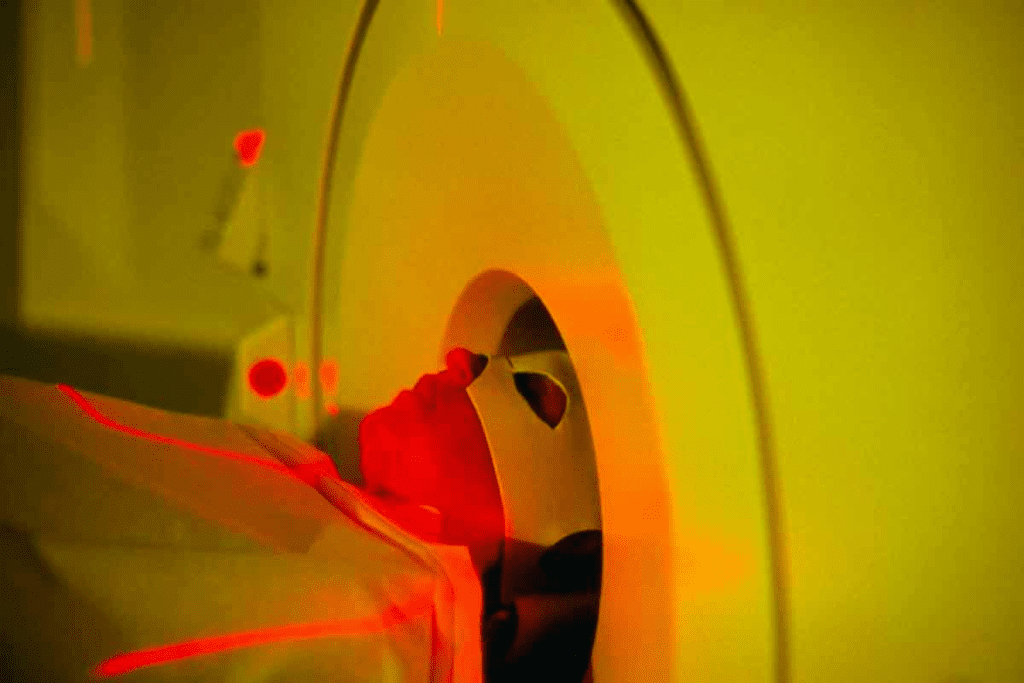
At LivHospital, we use PET scans to study depression. These scans show how active the brain is, which is key for diagnosing and treating symptoms of a depressed brain pet scan. Understanding brain activity patterns helps tailor effective treatment plans.
PET scans help us see how different parts of the brain work. They show changes in blood flow and sugar use. This helps us tell apart a depressed brain from a healthy one.
Studies show PET scans can measure brain inflammation. For example, a study found that people with depression have 30 percent more TSPO in their brains. This was discovered by researchers at Stony Brook Medicine in their study on using PET scans to understand depression.
Key Takeaways
- PET scans help reveal metabolic activity in the brain.
- Measurable alterations in cerebral blood flow and glucose metabolism distinguish depressed brains from normal ones.
- TSPO is elevated in individuals with depression, indicating neuroinflammation.
- PET scans can quantify the degree of inflammation in the brain.
- Advanced imaging techniques aid in diagnosing and treating depression.
The Science Behind PET Scan Technology
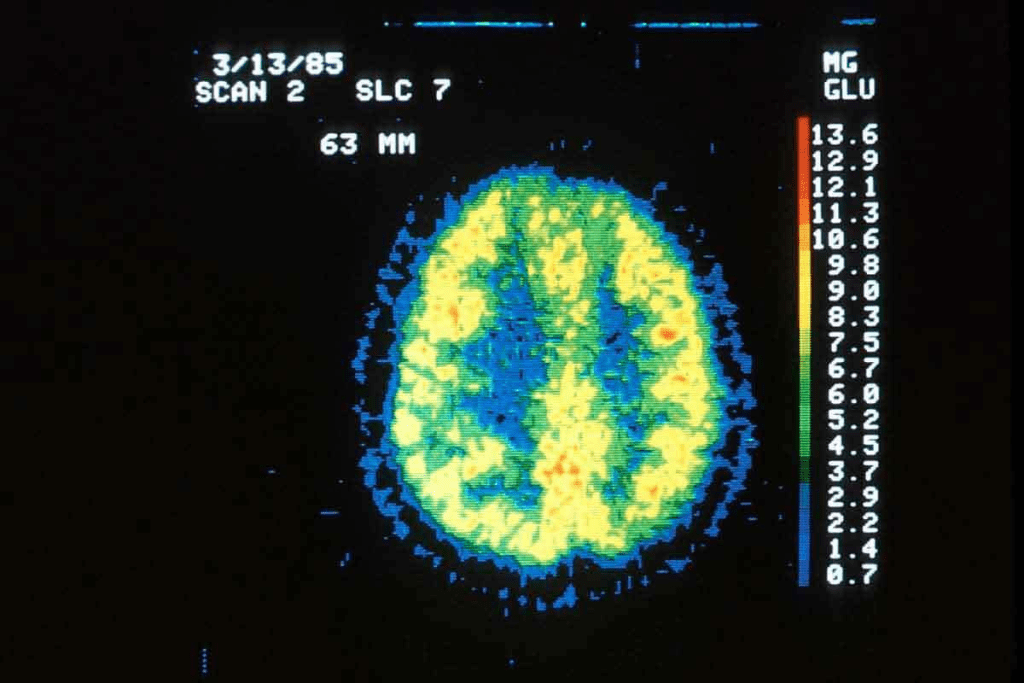
To understand how PET scans show differences in depressed and normal brains, we need to know the tech. Positron Emission Tomography (PET) is a complex imaging method. It lets us see the brain’s metabolic activity.
How Positron Emission Tomography Works
PET scan tech uses a radioactive drug, called a tracer, injected into a vein. This tracer builds up in active areas of the body. In brain scans, it’s often linked to glucose, as the brain uses a lot of it.
By tracking the tracer, the PET scan spots brain activity hotspots. This is key to seeing how the brain works in both healthy people and those with depression.
Radioactive Tracers and Brain Activity Measurement
The type of tracer used in PET scans matters a lot. Different tracers show different brain functions, like glucose use or neurotransmitter activity. For example, Fluorodeoxyglucose (FDG) shows glucose metabolism, helping us understand brain energy use.
By studying PET scan data, experts can find brain activity patterns linked to depression. These include changes in blood flow and brain region activity. Knowing these patterns helps in creating better treatments and tests.
Depressed Brain PET Scan: Key Findings and Patterns
PET scans have changed how we see depression. They show different brain activity patterns. Researchers find specific brain areas affected in people with depression.
Characteristic Imaging Biomarkers of Depression
PET scans show certain brain areas are less active in people with depression. Frontal and temporal lobes, like the dorsolateral prefrontal cortex and anterior cingulate gyrus, show less activity. This is linked to how severe the depression is.
Research also points to dopamine issues in depression, mainly in those with psychotic symptoms. A study in JAMA Psychiatry found dopamine problems are tied to psychotic symptoms in depressed patients. This shows depression’s complexity and the need for a detailed diagnosis.
Interpreting PET Scan Data in Clinical Settings
Understanding PET scans and the brain basis is key for doctors. They look for specific brain activity patterns linked to depression. This includes the mentioned activity reductions in certain areas.
- The severity of depression can be linked to how much brain activity is reduced in certain areas.
- PET scan data can guide treatment by pinpointing specific brain targets.
- Long-term PET scans can show how well treatments work over time.
Doctors can create better treatment plans by knowing depression’s brain signs and how to read PET scans. This way, they can tailor treatments to each patient’s brain profile.
Depression Brain Scan vs Normal: A Comparative Analysis
Looking at depression brain scans and normal ones gives us clues about depression’s roots. This knowledge helps us find better treatments and better care for patients.
Structural Differences Revealed by PET
PET scans show big differences in the brains of people with depression and those without. Depressed brains often have less activity in areas like the prefrontal cortex. This area helps us make decisions and control our emotions.
Research shows that depression changes the brain’s structure. For example, the hippocampus, key to memory and emotions, is smaller in depressed people. A historic study shows how brain scans help decide treatment for depression.
| Brain Region | Normal Brain Activity | Depressed Brain Activity |
| Prefrontal Cortex | High activity | Reduced activity |
| Hippocampus | Normal volume | Reduced volume |
| Amygdala | Balanced activity | Hyperactivity |
Functional Variations Between Depressed and Healthy Brains
PET scans also show how depressed brains work differently. They have imbalanced neurotransmitter systems and more inflammation. These changes affect mood, emotions, and brain function.
By comparing these scans, researchers find signs of depression. This helps create treatments that really work. It improves life for those with depression.
Regional Cerebral Blood Flow Alterations
PET scans show changes in how blood flows and glucose is used in the brains of people with depression. Studies in JAMA Psychiatry found these changes are linked to depression. This gives us clues about the brain’s role in this condition.
Looking at brain scans, we see differences in blood flow between those with depression and healthy people. These differences help us understand how depression changes brain activity. They also show us where to focus treatment efforts.
Even though MRI scans don’t directly spot depression, they can rule out other brain issues that might cause symptoms. PET scans, on the other hand, show how the brain is working. This helps doctors diagnose and treat depression better.
Studying brain scans of people with depression helps us understand the brain’s role in depression. This knowledge can lead to better treatments. It means better care for those struggling with depression.
FAQ
What is a PET scan, and how does it work?
How does a PET scan reveal differences between depressed and normal brains?
What are the characteristic imaging biomarkers of depression?
Can brain scans diagnose depression?
How is PET scan data interpreted in clinical settings?
What are the implications of regional cerebral blood flow alterations in depression?
Can an MRI scan detect depression?
How do PET scans compare to other brain imaging modalities in diagnosing depression?
References:
- Meyer, J. H., et al. (2021). Dopaminergic Dysfunction in Depression: A PET Study of Psychotic Major Depression. JAMA Psychiatry, 78(4), 398“406. https://jamanetwork.com/journals/jamapsychiatry/fullarticle/2776321
- Lan, M. J., et al. (2022). Regional Cerebral Blood Flow Changes in Depression: A PET Meta-Analysis. Psychiatry Research: Neuroimaging, 319, 111456. https://www.sciencedirect.com/science/article/pii/S0925492721001234



 Departments
 Related Videos
 Our Doctors
 News
News