Last Updated on November 24, 2025 by
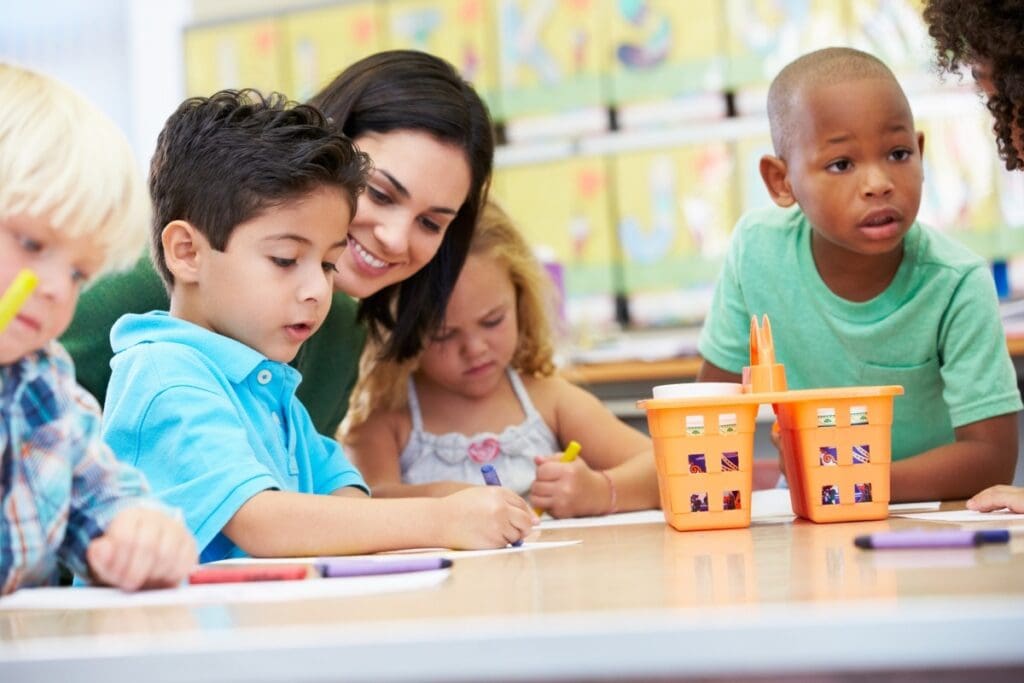
Early childhood is a key time that sets the stage for a child’s future. It’s a period when developmental domains shape how children grow, learn, and connect with the world around them. From birth, kids start learning by doing and exploring their surroundings — every experience helps strengthen one or more developmental domains.
The five main developmental domains of early childhood development are physical, social-emotional, cognitive, language, and approaches to learning. Each of these developmental domains plays a vital role in shaping a child’s abilities and overall growth.
Understanding the developmental domains helps parents, teachers, and caregivers identify areas where a child is thriving and where they might need extra support. By focusing on all developmental domains, adults can create balanced opportunities that encourage confidence, curiosity, and lifelong learning.
Key Takeaways
- Early childhood development encompasses multiple domains.
- The five major domains are physical, social-emotional, cognitive, language, and approaches to learning.
- Understanding these domains is key for effective support.
- Each domain is vital for a child’s development.
- Targeted support comes from knowing the different domains.
The Five Developmental Domains That Shape Early Childhood
Early childhood development is shaped by five key domains. These are physical, social-emotional, cognitive, language, and approaches to learning. Together, they form the foundation of a child’s growth and well-being.
Why a Holistic Approach Matters
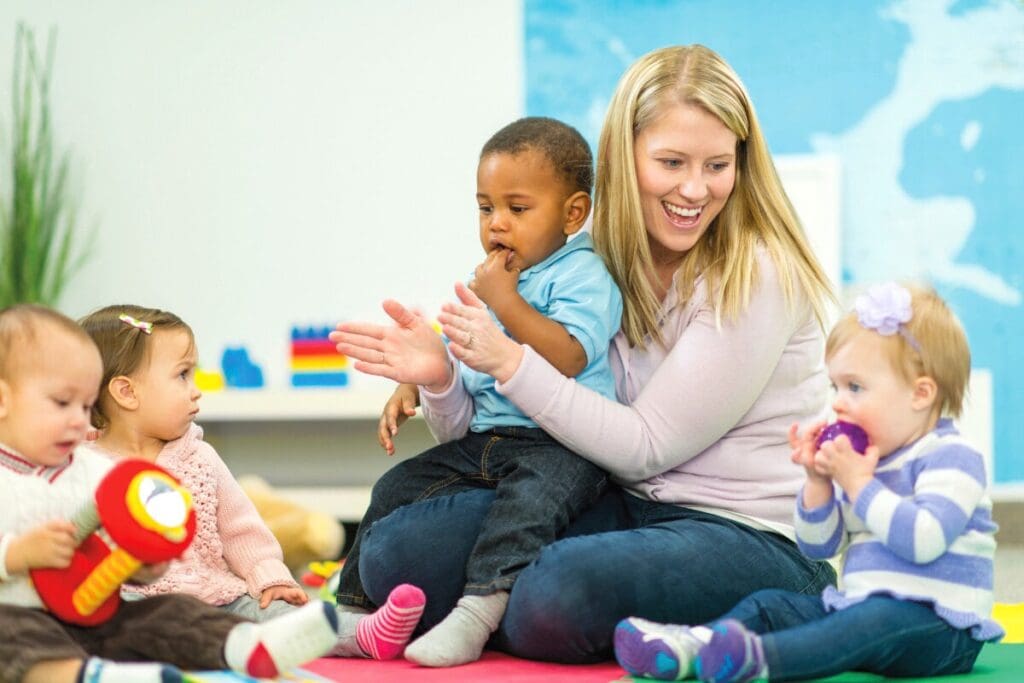
A holistic approach to early childhood development is vital. It supports all five developmental domains. This ensures a child gets the care they need for overall growth.
Research shows early motor development is key to later success in school. This shows why a holistic approach is so important.
To qualify for early intervention, a child must meet certain criteria. They need a qualifying diagnosis or show a 25% or greater delay in one or more domains. This shows how important it is to watch progress in all areas.
How These Domains Work Together
The five developmental domains are interconnected. For example, physical development is linked to cognitive development. Physical activities help stimulate cognitive growth.
Social-emotional development helps a child form healthy relationships. This, in turn, affects their language development as they learn to communicate.
Understanding how these domains work together helps parents and caregivers create a nurturing environment. This environment supports healthy development in all areas. It lays a strong foundation for future success.
Physical Development: Building Strength and Coordination
Physical development in early childhood is key. It covers both gross and fine motor skills. It’s not just about growing; it’s about getting better at doing things with our bodies.
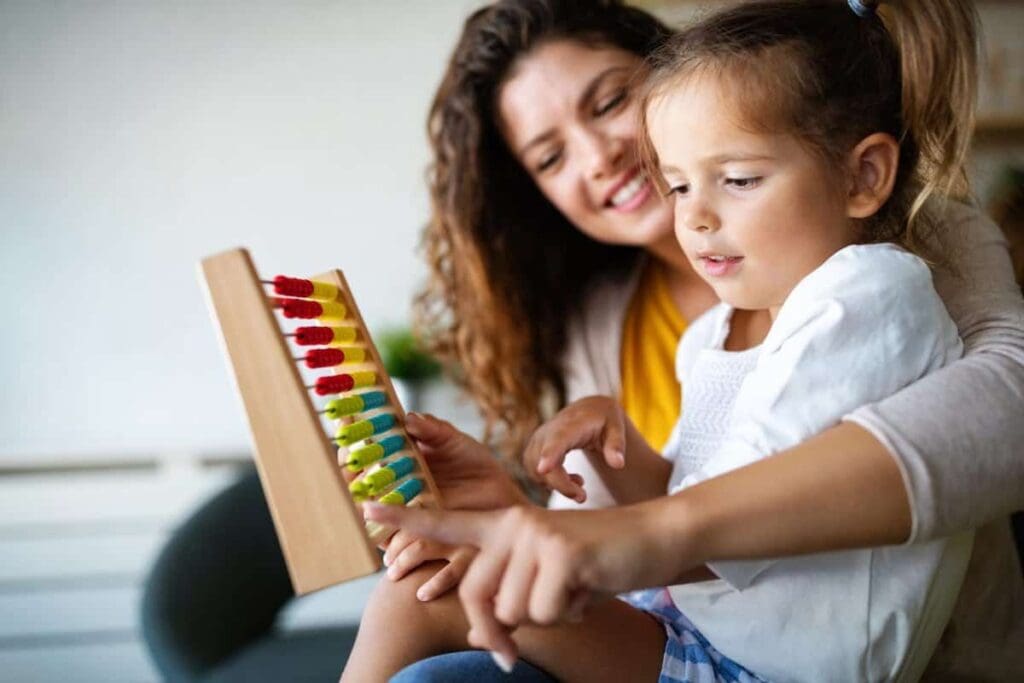
Physical development means improving both big and small muscle movements. Big movements, like crawling and running, are called gross motor skills. Small movements, like using fingers, are fine motor skills. Kids start with simple things like turning their head and sitting up. Then, they learn to reach, grab, and eventually walk and run.
Gross Motor Skills: From Crawling to Running
Gross motor skills are vital for kids to move around safely and confidently. These skills help kids get stronger, more coordinated, and fit.
“Gross motor skills show how much a child can do on their own,” says a child development expert. “They start with crawling and move to walking and running. These skills are key for staying physically fit.”
- Crawling: An early sign of developing gross motor skills, crawling is a critical milestone that precedes more complex movements.
- Walking: As children progress, they begin to walk, marking a significant achievement in their gross motor development.
- Running: Eventually, children learn to run, further refining their gross motor skills and enhance their physical capabilities.
Knowing how gross motor skills develop helps parents and caregivers support their child’s growth. They can give the right chances for kids to exercise and improve.
Social-Emotional Development: Forming Healthy Relationships
Early childhood is when kids start learning about feelings, empathy, and making friends. This is key for them to handle their emotions and get along with others.
Emotional Regulation and Self-Awareness
Learning to control emotions and knowing oneself are big steps for kids. By six months, babies start to show they understand and share feelings. As they get older, they become more clear about what they like and dislike.
By a year, kids show more emotion and start to be their own person. This is a big step in self-awareness.
Helping kids manage their feelings means making them feel safe to show their emotions. Caregivers should handle their own feelings well and be there for the child’s emotional needs.
Building Positive Relationships and Empathy
Creating good friendships is also important. Kids learn to bond with family and caregivers, which helps them in the future. Understanding and feeling others’ feelings is called empathy. It grows from talking and playing with others.
Places like Virtual Lab School say knowing about social-emotional growth is important for kids’ development.
To help kids feel empathy and make friends, caregivers can read stories and play roles. This helps kids see things from different points of view.
By working on these areas, we help kids grow emotionally. This is important for their mental health and happiness later on. Good social-emotional skills help kids make friends and handle their feelings for life.
Cognitive Development: Nurturing Thinking and Problem-Solving
Cognitive development is key in early childhood. It helps kids learn and solve problems. Sadly, the World Bank says over 250 million kids under five don’t reach their full cognitive ability. This shows how vital it is to nurture this area.
How Children Learn to Think and Reason
Developmental psychologist Jean Piaget found four stages of cognitive growth. These stages help kids think and solve problems. For example, babies learn by touching and moving in the sensorimotor stage. As they get older, they start using symbols and language in the preoperational stage.
We can help by giving kids lots of experiences. This encourages them to think and solve problems. For more tips, check out the California Department of Education’s guide on cognitive development.
Memory, Attention, and Executive Function
Cognitive development also includes growing memory, attention, and executive function. Memory is about storing and recalling info. Attention is focusing on certain things or tasks. Executive function is about planning, making decisions, and controlling impulses.
Parents and caregivers can help by doing activities that boost these skills. Reading books together can improve memory and language. Puzzles and brain teasers help with problem-solving. By knowing the stages of cognitive development and creating supportive environments, we can help kids reach their full cognitive ability.
Language Development: From Sounds to Sentences
Language development is key for kids to communicate. It’s a strong sign of future reading skills and school success. As they grow, they learn to understand and use language. They develop skills to listen and speak.
Receptive and Expressive Language Acquisition
Kids usually understand language before they can speak it. They might point to things when asked, showing they get language. As they get older, they start to say words and then sentences, showing they can express themselves.
The four main parts of language development are phonology, syntax, semantics, and pragmatics.
- Phonology is about the sounds in language, with kids learning sounds that mean something in their language.
- Syntax deals with how words are put together in sentences.
- Semantics is about the meaning of words and sentences.
- Pragmatics is the social side of language, like knowing when to talk and understanding the situation.
We can help kids with language by talking to them, reading together, and answering their attempts to speak.
Creating a supportive place for language learning is important. We can do this by talking to kids often, explaining what we’re doing, and asking questions that make them think and talk more.
Approaches to Learning: Fostering Curiosity and Persistence
Teaching children how to learn is key for their growth. Learning approaches include skills that make kids eager, motivated, and able to learn on their own.
We’ll look at what makes kids good at learning. Curiosity and initiative are key. They help kids explore, ask questions, and try new things.
Curiosity and Initiative as Learning Drivers
By two, kids start playing with others, showing they’re learning socially and cognitively. Around three, they begin to understand themselves better and share their feelings.
Curiosity makes kids want to learn more. We can spark this by creating a fun learning space. Reading, doing simple science, or talking about what they like can really help.
Developing Persistence and Self-Regulation
As kids get older, they need to keep trying and manage their feelings. These skills help them face challenges, control their emotions, and stay focused. We can help by giving them tasks they can do and encouraging them to keep going.
For example, telling them we’re proud of their effort, not just their results, teaches them the value of hard work. Also, teaching them to calm down, like deep breathing, helps them deal with stress.
By teaching kids to be curious, take the lead, keep trying, and manage their feelings, we make them strong and eager learners. This is important for their school success and personal growth.
Practical Ways to Support All Developmental Domains
Supporting early childhood development is a team effort. Parents, caregivers, and professionals must work together. Understanding the five major domains helps create a nurturing environment for children’s growth.
It’s important to focus on activities that support all domains. This means activities that build physical strength, social skills, and cognitive abilities. It also includes language development and learning approaches.
Age-Appropriate Activities for Integrated Development
Choosing activities that match a child’s developmental level is key. For example, play-based learning boosts problem-solving skills. Interactive storytelling improves language and social skills.
- Reading books together to foster language development and cognitive skills
- Engaging in outdoor play to promote physical development and coordination
- Practicing social skills through role-playing and group activities
- Encouraging curiosity and exploration through science and art projects
By adding these activities to daily routines, parents and caregivers support children’s development. For example, cooking helps with fine motor skills, understanding measurements, and following instructions.
Recognizing When Professional Support Is Needed
While parents and caregivers are key, sometimes professional help is needed. If you notice a developmental delay, seek help from experts in early childhood development.
At ECCM, we offer Early Intervention Services for children with developmental delays. Our team creates personalized plans to meet specific needs and help children catch up.
If you’re worried about your child’s development, contact us. Together, we can ensure your child gets the support they need to succeed.
Conclusion
It’s key to know the five main areas of early childhood development. These areas help a child grow in many ways. The first years of life are very important for a child’s future.
The five areas – physical, social-emotional, cognitive, language, and learning approaches – work together. A caring environment helps children reach their best. This way, we support their growth.
Early childhood development is complex and involves many aspects. By focusing on all areas, parents and caregivers are essential. Together, we can positively influence children’s lives and help them succeed.
FAQ’s:
What are the five major domains of early childhood development?
The five major domains are physical, social-emotional, cognitive, language, and approaches to learning.
Why is a holistic approach important in early childhood development?
A holistic approach is key because it sees how all five domains are connected. It helps ensure a child’s overall well-being.
What is the significance of physical development in early childhood?
Physical development is vital. It includes skills like moving big and small muscles, getting stronger, and staying fit.
How can parents and caregivers support a child’s social-emotional development?
Parents and caregivers can help by teaching children to control their feelings. They can also help them understand themselves and make friends.
What are the milestones associated with cognitive development in early childhood?
Cognitive milestones include learning to solve problems, remember things, and focus. These skills help children think and reason.
How can parents and caregivers foster language development in children?
Parents and caregivers can help by talking to children, reading, and encouraging them to share their thoughts and feelings.
What is the role of approaches to learning in early childhood development?
Approaches to learning are important. They help children be curious, keep trying, and learn to control themselves. This makes them love learning and become more independent.
How can parents and caregivers identify potentially delayed development in their child?
Parents and caregivers can watch for signs of delays by checking their child’s progress in all five areas. If they notice any issues, they should get professional help.
What is the importance of early intervention services in supporting a child’s development?
Early intervention services are very important. They help address any delays or difficulties early on. This ensures children get the support they need to reach their full abilities.
References:
- Council on Children with Disabilities, Section on Developmental and Behavioural Pediatrics, Bright Futures Steering Committee. (2020). Identifying infants and young children with developmental disorders in the medical home: An algorithm for developmental surveillance and screening. Pediatrics, 145(5), e20200259. https://doi.org/10.1542/peds.2020-0259
- Hockenberry, M. J., Wilson, D., & Rodgers, C. C. (2019). Wong’s nursing care of infants and children (11th ed.). Mosby. https://www.elsevier.com/books/wongs-nursing-care-of-infants-and-children/hockenberry/978-0-323-54939-5
- Sheldrick, R. C., & Perrin, E. C. (2020). Early detection of developmental problems. In M. C. Jellinek, E. C. Perrin, & R. L. R. C. Sheldrick (Eds.), The handbook of pediatric screening: An evidence-based approach (pp. 1–20). Springer. https://doi.org/10.1007/978-3-030-49607-4_1
- The Royal College of Pediatrics and Child Health. (2022). A guide to developmental milestones. https://www.rcpch.ac.uk/resources/developmental-milestones-a-guide-for-parents-and-carers
- Vohr, B. R. (2018). Developmental screening for infants and young children: A review of current practices and recommendations. Journal of Pediatric Nursing, 43, 1–7. https://doi.org/10.1016/j.pedn.2018.06.012