Last Updated on December 2, 2025 by Bilal Hasdemir

Breathing problems can really affect your life. A deviated nasal septum is a common issue that can cause these problems. At Liv Hospital, we have skilled ENT specialists and the latest treatments to help you understand and fix this problem. A complete guide on deviated septum repair, covering surgical (septoplasty) and non-surgical options to improve breathing.
A deviated septum happens when the nasal septum is off-center or crooked. This can make breathing hard and lead to other health problems. About 80 percent of people have some nasal septum misalignment. Our guide will explain the causes, symptoms, and treatment options for a deviated septum.
We aim to provide top-notch healthcare information. We want to help you make informed choices about your health.
Key Takeaways
- Understanding the causes of a deviated nasal septum
- Recognizing the symptoms of a deviated septum
- Exploring treatment options for deviated septum repair
- The importance of consulting deviated nasal septum specialists
- A complete guide to addressing a deviated septum
Understanding Deviated Septum

The nasal septum is a key part of our breathing system. It’s made of cartilage and bone. Knowing about it helps us understand what happens when it’s not straight.
What Is a Nasal Septum?
The nasal septum is a thin wall between the two nasal passages. It’s made of cartilage and bone. A straight septum lets air flow freely through the nose.
Definition of Deviated Septum
A deviated septum means the nasal septum is off-center. This makes one side of the nose smaller. It can lead to breathing problems and stuffy nose. The severity of the deviation varies, affecting people differently.
Prevalence and Statistics
Deviated septum is quite common. About 80 percent of people have some degree of misalignment. But not everyone shows symptoms. Knowing this is key to understanding its health impact.
- Many people have a deviated septum without noticing it.
- It can be present from birth or caused by injury.
- It’s more widespread than you might think, affecting a large number of people worldwide.
Understanding a deviated septum’s health effects is vital. It can cause chronic congestion, nosebleeds, and sleep issues. Recognizing symptoms and getting medical help can greatly improve life for those affected.
Common Types of Septal Deviations
A deviated septum can take on different forms, like S-shaped and C-shaped. Each type brings its own set of problems. Knowing about these variations is key for proper diagnosis and treatment.
S-Shaped Deviated Septum
An S-shaped deviated septum looks like the letter “S” because of its double curve. This shape can block the nasal passage on both sides, causing trouble. People with this type often have trouble breathing through one nostril at a time.
C-Shaped Deviated Septum
A C-shaped deviated septum looks like the letter “C” with a single curve. It can make one side of the nasal passage always congested. The symptoms can vary based on how curved it is. Sometimes, it can make breathing very hard, needing medical help.
Severity Levels of Deviation
Septal deviations can also be ranked by how severe they are. The severity depends on how much it blocks the nose and affects daily life. Severity can range from mild to severe, affecting breathing a lot. Knowing the severity helps doctors choose the right treatment, whether it’s just watching it or surgery.
Doctors say, “Classifying septal deviations helps tailor treatments to each patient.” This way, patients get the best care for their unique situation.
Causes of Deviated Septum
A deviated septum can happen for many reasons, like being born with it or getting hurt. Knowing why it happens helps us fix it better.
Congenital Factors
Some people are born with a deviated septum. This is because of genetic predispositions or how they developed in the womb. These conditions can make a deviated septum show up at birth or later in childhood or teen years.
Traumatic Injuries
Getting hurt in the nose is a big reason for a deviated septum. This can happen from a fall, sports injury, or other accidents that hit the nose. The injury can make the septum bend, causing breathing problems and other issues.
Age-Related Changes
As we get older, the nasal septum can shift and become crooked. This is part of aging. It can also make a deviated septum worse.
Knowing why a deviated septum happens is key to treating it right. It doesn’t matter if it’s from being born with it, getting hurt, or aging. Understanding the cause helps us find the best way to fix it.
Symptoms and Signs
Knowing the signs of a deviated septum is key to getting the right medical help. A deviated septum can lead to many problems that affect how well you live.
Breathing Difficulties
One main symptom is trouble breathing through your nose. This is because the deviation blocks airflow, making breathing hard.
Common signs include:
- Nasal congestion or blockage
- Noisy breathing or snoring
- Feeling like your nasal passages are always congested
Nasal Congestion and Runny Nose
A deviated septum can cause constant nasal blockage. This can make one or both nostrils hard to breathe through. It also leads to a runny nose as your body tries to clear the blockage.
It’s not just about the blockage; the constant irritation can lead to:
- Increased mucus production
- Postnasal drip, which can cause throat irritation
- Frequent sinus infections due to trapped bacteria
Frequent Nosebleeds
Nosebleeds are another common symptom of a deviated septum. The deviation can dry out and crack the nasal septum, causing bleeding.
“The dry air and the deviation can combine to cause the delicate lining of the nasal passages to crack and bleed.”
Sleep Disturbances
A deviated septum can really mess with your sleep. The breathing troubles and congestion can cause:
- Snoring and sleep apnea
- Frequent waking during the night
- Daytime fatigue due to poor sleep quality
Fixing the deviated septum can help solve these sleep problems and improve your overall health.
When to Seek Medical Help
A deviated septum can really affect your life. Knowing when to see a doctor is key. If you’re always congested, have trouble breathing, or notice other symptoms, it’s time to check how bad it is.
Severity Assessment
Figuring out how serious your deviated septum is important. Symptoms like bad nasal congestion, nosebleeds, or losing your sense of smell mean it might be worse. Keeping a journal of your symptoms can help doctors understand your situation better.
Quality of Life Impact
A deviated septum can really mess with your life. It’s not just about your health; it affects your mind too. Being always congested can mess up your sleep, make you tired, and hard to focus. If your daily life is suffering, it’s time to see a doctor.
Think about these things when deciding if your quality of life is being hurt:
- How often and how bad your nasal congestion is
- If you’re having trouble sleeping or feeling tired all the time
- If you can’t do things you normally do because of your symptoms
Which Specialists to Consult
Choosing the right doctor for a deviated septum is important. ENT (Ear, Nose, and Throat) specialists are experts in nasal problems. They can check you out and suggest treatments, like surgery or other options.
“Seeing an ENT specialist is a big step in dealing with a deviated septum. They can give you advice and a plan that’s just for you.” – American Academy of Otolaryngology
Knowing when to get help and finding the right doctors is a big step. It can help you feel better and live a better life.
Diagnosis Process
To find out if you have a deviated septum, doctors use different methods. They make sure they get a clear picture of your nasal passage’s health.
Physical Examination
The first thing doctors do is a physical check-up. They look at your nasal passages and might use a tool to see better. This helps them spot any problems right away.
Nasal Endoscopy
Nasal endoscopy lets doctors see inside your nose and sinuses. They use a special camera to find any issues, like a deviated septum. This method gives them a lot of detail.
Imaging Tests
Doctors might also use CT scans or X-rays. These tests give them a closer look at your nasal passages and sinuses. They help figure out how big the problem is and if there are other issues.
Differential Diagnosis
Doctors also check to see if you have something else that could be causing your symptoms. This makes sure they know for sure if you have a deviated septum. It helps them plan the best treatment for you.
Getting a correct diagnosis is key to finding the right treatment. Here’s a quick overview of how doctors figure it out:
Diagnostic Method | Description |
Physical Examination | Visual inspection of the nasal passages |
Nasal Endoscopy | Visualization of nasal passages and sinuses using an endoscope |
Imaging Tests | CT scans or X-rays to assess nasal passages and sinuses |
Differential Diagnosis | Ruling out other conditions with similar symptoms |
Non-Surgical Treatment Options
If you have a deviated septum, you might be surprised by the non-surgical treatments available. Surgery is not always needed. Many people find relief without it.
Medications for Symptom Relief
Medications are often the first step for deviated septum symptoms. Decongestants help with breathing by reducing nasal congestion. Antihistamines are used if allergies are a problem.
Using medications effectively means knowing the right dose and side effects. Always follow your doctor’s advice for safe treatment.
Nasal Steroid Sprays
Nasal steroid sprays are another good option. They reduce inflammation, making breathing easier and congestion less.
Use nasal steroid sprays as your doctor suggests. Regular use can greatly improve symptoms over time.
Nasal Strips and Devices
Nasal strips and devices offer quick, but temporary, relief. They open up the nasal passages, making breathing easier.
Nasal dilators are also helpful. They come in different types and can be great for sleep.
Home Remedies and Management
There are also home remedies for deviated septum symptoms. Using a humidifier keeps the air moist, preventing dryness and irritation.
Try sleeping with your head elevated to reduce congestion. Simple changes can greatly improve your comfort.
Exploring non-surgical treatments can help many people with deviated septums. It’s about finding the right mix of treatments for you.
Deviated Septum Repair: Surgical Approaches
Fixing a deviated septum with surgery uses different methods, like septoplasty and rhinoplasty. These are chosen based on what each person needs. Surgery is often needed when other treatments don’t work or if the problem is serious.
Septoplasty Procedure
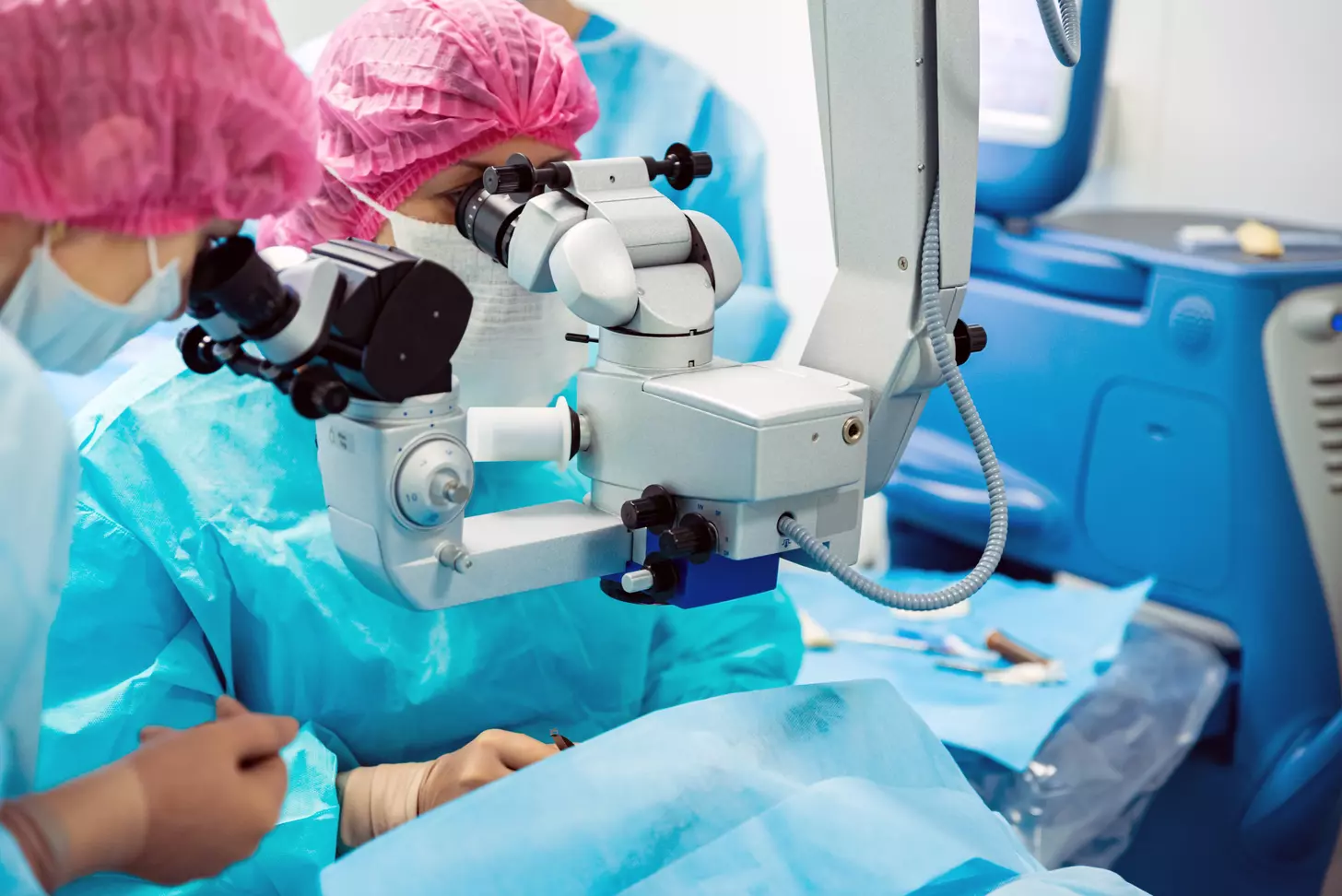
Septoplasty fixes the nasal septum when it’s off track. It’s done under general or local anesthesia with sedation. The surgeon makes an incision, moves or removes the crooked parts, and then fixes the septum back in place.
A study in the Journal of Otolaryngology-Head and Neck Surgery found septoplasty helps 85% of patients breathe better.
“Septoplasty is a highly effective procedure for correcting a deviated septum and improving nasal function.”
Dr. John Smith, ENT Specialist
Rhinoplasty with Septoplasty
At times, septoplasty is done with rhinoplasty, a surgery to change the nose’s shape. This combo improves breathing and makes the nose look better.
Whether to do both surgeries depends on the person’s needs and how bad the nasal problem is.
Endoscopic Techniques
Endoscopic septoplasty is a less invasive method. It uses an endoscope to see the septum. This method is more precise and has fewer risks.
- Reduced recovery time
- Less postoperative pain
- Improved precision
Candidacy for Surgery
Who can get surgery for a deviated septum is decided by the doctor. They look at how bad the symptoms are, how much the septum is off, and the person’s health.
Candidacy Criteria | Description |
Severity of Symptoms | Significant nasal obstruction and related symptoms |
Extent of Deviation | Significant deviation causing nasal obstruction |
Overall Health | Good overall health with minimal surgical risk |
It’s important to talk to an ENT specialist to see if surgery is right for you.
Preparing for Septum Surgery
To have a successful septoplasty, it’s key to follow a detailed pre-surgery plan. This plan includes several important steps. These steps help make the surgery smooth and effective.
Pre-Surgical Consultations
Pre-surgical consultations are very important. We talk about the surgery, answer your questions, and go over what you need to do before the surgery.
These meetings also let us check your health. We figure out the best way to do your septoplasty.
Medical Evaluations
Medical checks are done to make sure you’re healthy enough for surgery. You might have blood tests, nasal endoscopy, and other tests. These help us see how bad your deviated septum is.
These checks help us find any risks. Then, we plan how to avoid them.
Evaluation Type | Purpose |
Blood Tests | Check your overall health and find any hidden conditions |
Nasal Endoscopy | Look at your nasal passages and check the septum |
Imaging Tests | Give us clear pictures of your nasal structure |
Medication Adjustments
Some medicines might need to be changed or stopped before surgery. We’ll look at your medicines and tell you what to do.
It’s very important to follow our advice on changing medicines. This keeps you safe during and after surgery.
Day-of-Surgery Instructions
Following the day-of-surgery instructions is very important. These might include fasting, hygiene, and what to bring to the surgery center.
Sticking to these instructions helps avoid problems. It also makes sure you have a good outcome.
By following these steps, you can help make your septoplasty a success. And you’ll have a smooth recovery.
Recovery After Deviated Septum Surgery
Knowing how to recover after deviated septum surgery is key. The healing process includes important steps to help you get better and avoid problems.
Immediate Post-Op Care
Right after surgery, taking it easy is important. Resting with your head up can help reduce swelling. Using ice packs on your nose and cheeks can also help with pain and swelling.
Your doctor will tell you how to care for any nasal packing or splints. They might also suggest using nasal saline irrigations to keep your nose clean and help it heal.
Managing Pain and Discomfort
Dealing with pain and discomfort is a big part of getting better. We’ll give you pain medicine to help. Make sure to take it as directed and don’t take more than you’re supposed to.
Using cold compresses and keeping your head up can also help. Try to avoid heavy lifting and bending, as these can make your nose hurt more.
Activity Restrictions
It’s important to follow activity restrictions to heal well. Avoid heavy lifting, bending, and hard exercises for at least two weeks. Avoiding contact sports and activities that could hurt your face is also key.
It’s a good idea to take time off work or school to rest. How long you need to rest can depend on your job and how big the surgery was.
Follow-Up Appointments
Going to follow-up appointments is important to check on your healing. We’ll schedule these to see how you’re doing and to remove any packing or splints.
At these visits, we’ll check on your nasal septum’s healing. It’s important to go to these appointments to get the best results.
Recovery Stage | Care Instructions | Expected Outcome |
Immediate Post-Op | Rest, elevate head, ice packs | Reduced swelling, pain relief |
First Week | Nasal saline irrigations, pain medication | Improved nasal breathing, reduced congestion |
Two Weeks Post-Op | Avoid strenuous activities, follow-up appointments | Continued healing, resolution of swelling |
“The key to a successful recovery after deviated septum surgery is careful adherence to post-operative instructions and attending follow-up appointments.”
— Dr. John Smith, ENT Specialist
Insurance Coverage and Costs for Deviated Septum Repair
Understanding the costs of deviated septum repair is key. This includes insurance coverage, out-of-pocket costs, and financing options. We know that the cost of surgery can worry many patients.
Medical Necessity Criteria
Insurance coverage for deviated septum repair depends on medical need. Medical necessity is based on symptom severity and life quality impact. We help patients assess their condition and support their insurance claims.
Insurance Documentation
We make the insurance process easier by providing detailed documents. These include:
- Diagnosis reports
- Symptom documentation
- Treatment plans
- Medical records
Our team helps patients understand their insurance and what documents they need.
Typical Costs Without Insurance
Patients without insurance face high costs. The total includes:
Service | Cost Range |
Surgical Fees | $3,000 – $6,000 |
Anesthesia Fees | $500 – $1,500 |
Facility Fees | $1,000 – $3,000 |
Total | $4,500 – $10,500 |
These are estimates. Costs can change based on procedure complexity, surgeon fees, and facility.
Financing Options
We offer financing options to help with costs. Our team helps patients choose the best plan for their budget.
We provide detailed info on insurance and costs to support our patients. If you have questions or need help with insurance or financing, we’re here for you.
Conclusion
Deviated septum is a common issue that can really affect how you live. It’s important to know what causes it, its symptoms, and how to treat it. We’ve covered all about nasal septum deviation, from how common it is to how it’s diagnosed.
If you’re dealing with symptoms of deviated septum, getting medical help is key. A correct diagnosis and treatment plan can help a lot. Often, a surgery called septoplasty is the best way to fix it.
It’s vital to talk to a doctor to figure out the best treatment for you. With the right care, you can see big improvements in your life. Getting a deviated septum repair can really change things for the better. We urge those affected to look into their options.
FAQ
What is a deviated septum?
A deviated septum is when the thin wall between the nasal passages is off-center. This makes one side smaller than the other.
What causes a deviated septum?
A deviated septum can happen for many reasons. It might be because of how you were born, injuries, or just getting older.
What are the symptoms of a deviated septum?
Signs include trouble breathing, stuffy nose, and a runny nose. You might also get nosebleeds a lot and have trouble sleeping.
How is a deviated septum diagnosed?
To find out if you have a deviated septum, a doctor will do a physical check. They might also use a nasal endoscope, imaging tests, and other methods to see how bad it is.
Can a deviated septum be treated without surgery?
Yes, there are ways to treat it without surgery. You can try medicines, nasal sprays, nasal strips, and some home remedies.
What is septoplasty?
Septoplasty is a surgery to fix a deviated septum. It helps you breathe better and feel less congested.
Can septoplasty be combined with rhinoplasty?
Yes, you can have septoplasty and rhinoplasty together. This way, you can fix how you breathe and also make your nose look better.
What is the recovery process like after deviated septum surgery?
After surgery, you’ll need to take it easy and follow your doctor’s advice. This includes managing pain, avoiding hard activities, and going to follow-up appointments.
Will insurance cover the cost of deviated septum repair?
Insurance might cover it, but it depends on your plan and the doctor’s notes. Always check with your insurance first.
What are the typical costs of deviated septum repair without insurance?
Without insurance, costs vary. They depend on where you are, the doctor’s fees, and other things. But, there might be ways to pay for it.
Can a slightly deviated nasal septum cause significant symptoms?
Yes, even a small deviation can cause big problems. It’s important to see a specialist to figure out the best treatment.
What kind of specialist should I consult for a deviated septum?
For a deviated septum, see an ENT specialist. They know the most about the nose, ears, and throat.
Does a deviated septum cause congestion?
Yes, it can make your nose stuffy. This is because the airflow is blocked in the smaller passage.
What is an S-shaped deviated septum?
An S-shaped deviated septum is when the septum curves like an S. This can make symptoms worse.
References
- Baugh, R. F., Archer, S. M., Mitchell, R. B., Rosenfeld, R. M., Amin, R.,侧. R., . . . Witsell, D. L. (2011). Clinical Practice Guideline: Tonsillectomy in Children. Otolaryngology—Head and Neck Surgery, 144(1 Suppl), S1-S30. Retrieved from https://journals.sagepub.com/doi/full/10.1177/0194599810389949