Learn the key difference: di disease (Insipidus) is not related to blood sugar. Understand this rare fluid-balance disorder clearly. Diabetes mellitus and diabetes insipidus are two different medical conditions. They affect different parts of the body and involve different hormones. Diabetes mellitus is a metabolic disorder where the body can’t control blood sugar levels because of insulin problems. Diabetes insipidus, on the other hand, is a rare condition that affects about 1 in 25,000 people worldwide. It involves issues with the hormone vasopressin and the body’s fluid regulation.
At Liv Hospital, we know how important it is to tell these two conditions apart. This is for accurate diagnosis and effective treatment. Our patient-centered approach means we give each patient the care they need for their specific condition.
Key Takeaways
- Diabetes mellitus is a metabolic disorder affecting blood glucose regulation.
- Diabetes insipidus is a rare condition involving fluid balance and vasopressin hormone dysfunction.
- The two conditions have distinct causes and symptoms.
- Accurate diagnosis is key for effective treatment.
- Liv Hospital provides complete care for patients with either condition.
The Two Distinct Diabetes Conditions

Diabetes mellitus and diabetes insipidus are two different health issues. They share a similar name but have different causes and effects. The word “diabetes” comes from the Greek word for “passing through,” which describes the excessive urination seen in both.
Origins of the Similar Names
The names of these conditions come from their symptoms. “Diabetes” means “excessive urination.” “Mellitus” is Latin for “sweet,” showing glucose in the urine of those with diabetes mellitus. “Insipidus” means “tasteless,” showing no glucose in the urine of those with diabetes insipidus.
Overview of Key Differences
Diabetes mellitus and diabetes insipidus have different causes and effects. Diabetes mellitus is a metabolic disorder with high blood sugar. It’s caused by insulin problems. Diabetes insipidus is about water regulation, due to vasopressin issues.
Diabetes mellitus has types like Type 1, Type 2, and gestational diabetes. Diabetes insipidus has central and nephrogenic types, based on vasopressin production or kidney response.
Prevalence and Demographic Patterns
Diabetes mellitus is much more common than diabetes insipidus. It affects millions globally. Risk factors like obesity and lack of exercise increase its prevalence.
Diabetes insipidus is rare, affecting about 1 in 25,000 people. Its occurrence is not as widespread as diabetes mellitus.
Diabetes mellitus often affects older adults, but Type 2 is seen in younger people too. Diabetes insipidus can happen at any age and affects both men and women equally.
Diabetes Mellitus: The Metabolic Disorder

Diabetes mellitus affects how our bodies manage blood glucose. It’s a metabolic disorder that impacts blood glucose regulation. It includes types 1 and 2 diabetes, both linked to insulin issues.
Types of Diabetes Mellitus
Diabetes mellitus is not just one condition. It’s a group of metabolic disorders. The main types are:
- Type 1 Diabetes: An autoimmune disease where the body attacks insulin-producing cells. This leads to no insulin production.
- Type 2 Diabetes: A condition where cells resist insulin. Over time, the pancreas may not make enough insulin. Type 2 is linked to obesity, lack of exercise, and unhealthy eating.
The Role of Insulin in Glucose Regulation
Insulin is key for managing glucose. It helps cells take in glucose, lowering blood glucose. In a healthy person, insulin is released when blood glucose goes up after eating. This ensures glucose is used for energy or stored for later.
How Blood Sugar Becomes Elevated
In diabetes mellitus, blood sugar goes up due to insulin issues. Type 1 diabetes lacks insulin, causing high blood sugar. Type 2 diabetes has insulin-resistant cells, leading to high blood sugar over time.
Diabetes Insipidus: The DI Disease Affecting Water Balance
Diabetes insipidus is a rare condition that affects how the body handles fluids. It happens when the kidneys can’t make concentrated urine. This is because of a problem with vasopressin, a hormone that helps control water balance.
Vasopressin, also known as antidiuretic hormone (ADH), is key to keeping fluids balanced in the body. It helps the kidneys take water back into the blood, making urine more concentrated. Without enough vasopressin, or if the kidneys don’t respond to it, the body makes a lot of diluted urine.
Vasopressin’s Critical Function
Vasopressin is made by the hypothalamus and released by the posterior pituitary gland. It mainly helps the kidneys reabsorb water. When vasopressin binds to receptors in the kidneys, it triggers water reabsorption, concentrating the urine. Without enough vasopressin, or if the kidneys don’t respond, this process fails.
The role of vasopressin is vital for water balance in the body. Any issue with its production or function can cause diabetes insipidus.
Central vs. Nephrogenic Diabetes Insipidus
Diabetes insipidus can be central or nephrogenic. Central diabetes insipidus happens when there’s not enough vasopressin, often due to hypothalamus or pituitary gland problems. Nephrogenic diabetes insipidus occurs when the kidneys can’t respond to vasopressin.
- Central diabetes insipidus is often caused by damage to the hypothalamus or pituitary gland.
- Nephrogenic diabetes insipidus can be caused by genetic mutations or certain medications that affect the kidneys’ ability to respond to vasopressin.
Rarity and Incidence
Diabetes insipidus is rare, affecting about 1 in 25,000 people. Its rarity means it’s less talked about than diabetes mellitus. But, it needs proper diagnosis and treatment to manage its symptoms well.
Type of Diabetes Insipidus | Cause | Effect on Vasopressin |
Central Diabetes Insipidus | Deficiency in vasopressin production | Low levels of vasopressin |
Nephrogenic Diabetes Insipidus | Kidneys’ inability to respond to vasopressin | Vasopressin levels are normal, but kidneys are resistant |
Knowing the difference between central and nephrogenic diabetes insipidus is key to managing and treating it. Both types lead to a lot of diluted urine. But, their causes and treatments are different.
Side-by-Side Comparison: Mellitus vs. Insipidus
When we look at diabetes mellitus and diabetes insipidus, we see big differences. These differences are in how hormones work, blood sugar levels, and how much urine we make. Knowing these differences helps us understand each condition better.
Hormonal Differences
The main difference in hormones is key. Diabetes mellitus is linked to insulin, which helps cells take in glucose. On the other hand, diabetes insipidus is about vasopressin (or ADH), which helps the kidneys keep water.
In diabetes mellitus, not enough insulin means too much glucose in the blood. But in diabetes insipidus, not enough vasopressin means we make too much urine.
Blood Glucose Levels
Blood sugar levels are a big difference. In diabetes mellitus, blood sugar is high because of insulin problems. This makes glucose leak into the urine. But in diabetes insipidus, blood sugar is usually normal. This is because it doesn’t mess with how the body uses glucose.
Urine Production and Composition
Urine production is very different too. Diabetes mellitus makes urine that’s full of glucose because of insulin issues. In contrast, diabetes insipidus makes lots of water, but it’s very diluted. This is because the kidneys can’t hold onto water well.
Knowing these differences is key for doctors to treat these conditions right. By looking at the hormonal, metabolic, and clinical differences, doctors can make better treatment plans. This helps patients get better faster.
Symptoms and Clinical Presentation
Diabetes mellitus and diabetes insipidus share some symptoms, but they are different. Both cause too much thirst and urination. Yet, their causes and other symptoms vary a lot.
Shared Symptoms: Polydipsia and Polyuria
Both diabetes mellitus and diabetes insipidus have polydipsia (too much thirst) and polyuria (too much urination). These symptoms make people go to the doctor. If not treated, they can lead to dehydration.
Unique Symptoms of Diabetes Mellitus
Diabetes mellitus shows symptoms from high blood sugar. These include blurred vision, slow healing of cuts or bruises, extreme hunger, and unintentional weight loss. Some also feel tingling or numbness in the hands or feet due to nerve damage.
Distinctive Features of Diabetes Insipidus
Diabetes insipidus is marked by large volumes of dilute or pale-colored urine. It’s not about blood sugar levels. It’s about the body’s trouble with fluid regulation due to vasopressin issues. People with this condition don’t have the same metabolic symptoms as diabetes mellitus. But, they face dehydration and severe electrolyte imbalances from too much urine.
It’s key for doctors to know these differences to treat these conditions right. Both need careful management to avoid problems. But, their unique symptoms guide how to treat them.
Diagnostic Approaches for Both Conditions
We use different methods to diagnose diabetes mellitus and diabetes insipidus. Each method is chosen based on the condition’s unique needs. The process includes clinical checks and specific lab tests.
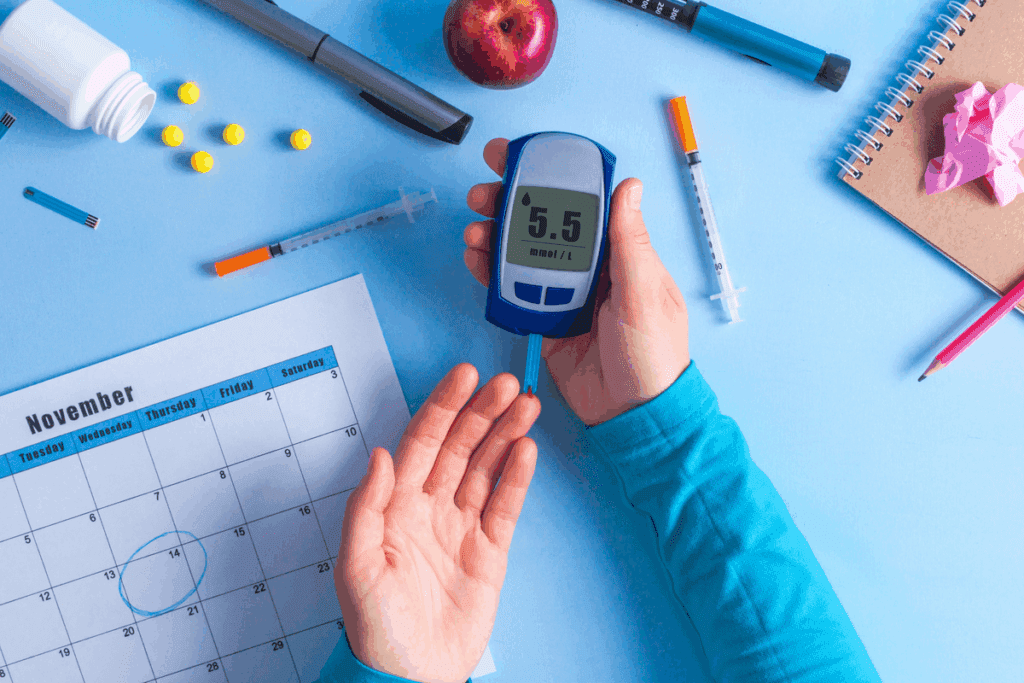
Blood Tests for Diabetes Mellitus
Diabetes mellitus is mainly diagnosed with blood glucose tests. These include:
- Fasting Blood Glucose Tests: Measures blood glucose after an overnight fast.
- Random Blood Glucose Tests: Measures blood glucose at any given time.
- A1c Tests: Provides an average of blood glucose levels over the past 2-3 months.
- Oral Glucose Tolerance Tests (OGTT): Measures the body’s ability to use glucose after consuming a sugary drink.
These tests show how well the body manages blood glucose levels.
Urinalysis in Diabetes Insipidus
Diabetes insipidus is diagnosed with urinalysis. It checks the dilution of urine. Key tests include:
- Urine Concentration Tests: Measures the concentration of urine to assess the body’s ability to concentrate urine.
- Water-Deprivation Tests: Evaluates the body’s ability to concentrate urine when dehydrated.
These tests help identify diabetes insipidus and its types.
Specialized Tests for Differential Diagnosis
To tell diabetes mellitus and diabetes insipidus apart, we use special tests. These include:
- Blood Tests to Check Sodium Levels: Helps in diagnosing diabetes insipidus.
- Desmopressin Tests: Used to differentiate between central and nephrogenic diabetes insipidus.
These tests help healthcare providers accurately diagnose and manage both conditions.
Treatment Strategies and Management
The treatment for Diabetes Mellitus and Diabetes Insipidus is different. Each one needs its own approach based on its cause.
Managing Diabetes Mellitus
Managing Diabetes Mellitus means keeping blood sugar levels in check. This is done through lifestyle changes, medicines, and other treatments. Lifestyle modifications include eating right and being more active. Medicines might include insulin therapy or pills to control blood sugar.
Treating Diabetes Insipidus
Diabetes Insipidus treatment focuses on replacing vasopressin or managing fluids. It’s important for patients to drink plenty of water. Sometimes, desmopressin, a synthetic vasopressin, is given to help control urine production and ease symptoms.
Living with Diabetes Mellitus vs. Diabetes Insipidus
Living with diabetes mellitus or diabetes insipidus has its own set of challenges. These challenges affect how you manage your daily life and your long-term health. Both conditions need a personalized approach to keep your quality of life high and prevent serious problems.
Daily Management Challenges
Diabetes mellitus requires keeping an eye on your blood sugar levels. You might need to take insulin or other medicines and eat a balanced diet. On the other hand, diabetes insipidus means you need to drink plenty of water. Sometimes, you might also need to take desmopressin to control how much urine you make.
Key Daily Management Tasks:
- Monitoring blood glucose or urine output
- Administering medications (insulin or desmopressin)
- Maintaining a healthy diet and hydration
Long-term Health Considerations
If diabetes mellitus isn’t managed well, it can cause serious problems. These include heart disease, kidney damage, and nerve damage. Diabetes insipidus, if not treated, can lead to dehydration and imbalances in electrolytes. This can cause seizures or even brain damage.
Complications | Diabetes Mellitus | Diabetes Insipidus |
Cardiovascular Disease | High Risk | Low Risk |
Kidney Damage | High Risk | Low Risk |
Dehydration/Electrolyte Imbalance | Low Risk | High Risk |
Quality of Life Impact
The way these conditions affect your quality of life is different. Diabetes mellitus means always checking your blood sugar and can lead to serious issues if not managed right. Diabetes insipidus, on the other hand, can really disrupt your daily life because of the constant need to drink water and go to the bathroom.
Good management strategies can really help improve your life if you have either condition.
Conclusion
It’s important to know the difference between diabetes mellitus and diabetes insipidus. Both can cause symptoms like drinking a lot of water and urinating often. But they have different causes and need different treatments.
Diabetes mellitus is a metabolic disorder that raises blood sugar levels. It’s treated with insulin and changes in lifestyle. On the other hand, diabetes insipidus affects water balance because of a lack of vasopressin or resistance to it. It’s managed with vasopressin analogs or other medications to control urine.
Getting the right diagnosis is essential for proper care. Knowing the differences helps healthcare providers give the right treatment. This improves patient outcomes. We stress the need for complete care for both mellitus and insipidus diabetes to better the lives of those affected.
FAQ
What is the main difference between diabetes mellitus and diabetes insipidus?
Diabetes mellitus is a metabolic disorder linked to insulin problems and high blood sugar. Diabetes insipidus, on the other hand, deals with vasopressin issues and fluid regulation.
Why are both conditions referred to as “diabetes”?
Both share a symptom: too much urine. This is why they’re called “diabetes.” The terms “mellitus” and “insipidus” tell us if there’s sugar in the urine or not.
How common is diabetes insipidus compared to diabetes mellitus?
Diabetes mellitus affects millions worldwide. Diabetes insipidus, though, is much rarer, impacting about 1 in 25,000 people.
What is the role of insulin in diabetes mellitus?
Insulin helps cells absorb glucose. In diabetes mellitus, insulin production is low or cells don’t respond well, causing high blood sugar.
What causes diabetes insipidus?
It’s when the kidneys can’t make concentrated urine due to lack of vasopressin or kidney resistance to it. This leads to lots of diluted urine.
What are the types of diabetes insipidus?
There are two types: central (vasopressin deficiency) and nephrogenic (kidney resistance to vasopressin).
How are diabetes mellitus and diabetes insipidus diagnosed?
Diabetes mellitus is diagnosed with blood glucose tests. Diabetes insipidus is diagnosed with urinalysis and water-deprivation tests. Special tests help figure out the exact type of diabetes insipidus.
What are the treatment strategies for diabetes mellitus and diabetes insipidus?
For diabetes mellitus, managing blood sugar is key. This involves diet, lifestyle changes, and medication. Diabetes insipidus treatment includes desmopressin or managing fluid intake to avoid dehydration.
How do diabetes mellitus and diabetes insipidus affect quality of life?
Both conditions require daily management, affecting long-term health and quality of life. Understanding each condition helps individuals meet their specific needs and improve their life quality.
What is the difference between central and nephrogenic diabetes insipidus?
Central diabetes insipidus is due to vasopressin deficiency. Nephrogenic diabetes insipidus is when the kidneys can’t respond to vasopressin.
Can diabetes insipidus be managed effectively?
Yes, it can be managed with desmopressin or by controlling fluid intake to prevent dehydration.
References
World Health Organization. Diabetes Mellitus vs. Diabetes Insipidus: A Hormonal Distinction. Retrieved from https://www.who.int/news-room/fact-sheets/detail/diabetes