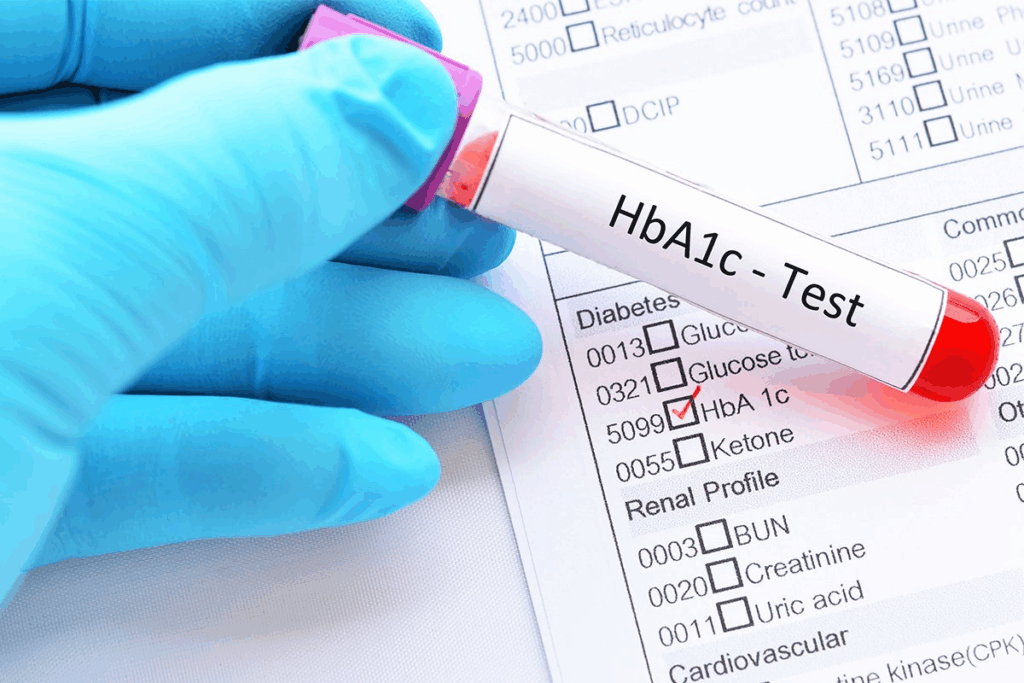
Knowing your A1C level is key for managing diabetes. The A1C test shows your blood sugar levels over two to three months. It gives a clear view of your health.
Whether you’re in the normal range, prediabetes, or diabetes, knowing these levels is important. It helps you work well with your healthcare team. At Liv Hospital, we use international best practices to support you.
By understanding your A1C levels, you can manage your condition better. You can make informed choices about your care.
Key Takeaways
- Understanding A1C levels is vital for diabetes management.
- The A1C test measures average blood glucose levels over time.
- Knowing your A1C range helps you work effectively with your healthcare team.
- Liv Hospital provides comprehensive support for international patients.
- Effective diabetes management involves understanding and managing A1C levels.
What the A1C Test Measures and Why It Matters

The A1C test is key for checking blood sugar control over time. It measures the average blood sugar levels over two to three months. This test is vital for diagnosing diabetes, checking treatment plans, and adjusting them as needed.
How A1C Reflects Average Blood Glucose Over Time
The A1C test looks at how much glucose is attached to hemoglobin in red blood cells. Red blood cells last about 120 days. So, the A1C test shows average blood sugar levels over the last two to three months. It’s a great tool for seeing long-term blood sugar control, not just a moment in time.
Key aspects of A1C testing include:
- Reflects average blood glucose levels over 2-3 months
- Provides insight into long-term glucose control
- Helps in diagnosing diabetes and prediabetes
- Guides treatment decisions and adjustments
Comparing A1C to Daily Blood Sugar Monitoring
Daily blood sugar monitoring gives quick feedback on blood sugar levels. But, the A1C test shows a bigger picture of glucose control over time. Daily monitoring can change a lot due to diet, exercise, and stress. The A1C test gives a clearer view of overall glucose management.
Both methods are important together. Daily monitoring helps with quick decisions, while A1C testing guides long-term strategies.
Recommended Testing Frequency for Different Patient Groups
The A1C test’s frequency depends on the patient’s diabetes status and treatment plan. People with diabetes usually need to get tested twice a year if their treatment is stable and they’re meeting their blood sugar goals. But, if their treatment is changing or they’re not meeting their goals, they should get tested every three months.
Those at risk of diabetes or with prediabetes might only need to get tested once a year. This helps watch for diabetes development.
The Complete Diabetes A1C Chart: From Normal to High

We use the diabetes A1C chart to see how well blood sugar is controlled. It shows levels from normal to high. This chart helps doctors and patients understand blood glucose levels and make better diabetes management choices.
Normal Range: Below 5.7%
An A1C level below 5.7% is normal. People with levels in this range are not at risk for diabetes. But, it’s key to keep a healthy lifestyle to avoid getting diabetes.
Prediabetes Range: 5.7% to 6.4%
The prediabetes range is 5.7% to 6.4%. Those with A1C levels here are at a higher risk of getting type 2 diabetes. Lifestyle changes like diet and exercise can stop diabetes from happening.
- Check your blood sugar often.
- Do regular physical activity.
- Eat a healthy diet.
Diabetes Range: 6.5% and Above
An A1C level of 6.5% or higher means you have diabetes. It’s very important to work with your doctor to create a personalized treatment plan. This plan will help manage your diabetes well.
A1C Range | Category | Action |
Below 5.7% | Normal | Maintain healthy lifestyle |
5.7% to 6.4% | Prediabetes | Lifestyle modifications |
6.5% and above | Diabetes | Develop treatment plan |
Normal A1C Levels: What Does 5.8% Mean for Your Health?
An A1C level of 5.8% is considered normal. But what does this mean for your health? Knowing the implications of this result is key to staying healthy and avoiding future problems.
Interpreting a Hemoglobin A1C of 5.8%
A hemoglobin A1C test result of 5.8% shows your blood sugar levels have been normal for the past two to three months. This means your body is doing a good job of managing blood sugar.
Key aspects of a 5.8% A1C level include:
- Normal glucose metabolism
- Low risk of diabetes-related complications
- Good glycemic control
Risk Assessment for Future Diabetes
Even though an A1C of 5.8% is normal, it’s important to check your risk for diabetes later on. Factors that might raise your risk include:
- Family history of diabetes
- Obesity or being overweight
- Physical inactivity
- Previous history of gestational diabetes or delivering a baby over 4 kg
Risk Factor | Description | Impact on Diabetes Risk |
Family History | Having first-degree relatives with diabetes | Increased risk |
Obesity | Being overweight or obese | Significantly increased risk |
Physical Inactivity | Lack of regular physical activity | Moderately increased risk |
Preventive Strategies for Those with Borderline Results
Even with a normal A1C level, it’s important to keep a healthy lifestyle to prevent diabetes. Preventive strategies include:
- Dietary modifications: Focus on whole, unprocessed foods like vegetables, fruits, whole grains, lean proteins, and healthy fats.
- Regular physical activity: Aim for at least 150 minutes of moderate-intensity aerobic exercise, or 75 minutes of vigorous-intensity aerobic exercise, or a combination of both, per week.
- Weight management: Maintaining a healthy weight through a combination of diet and exercise.
By following these preventive strategies, you can lower your risk of diabetes and keep your health in check.
Prediabetes Warning Signs: Understanding an A1C of 6.3%
An A1C test result of 6.3% means you’re in the prediabetes range. This is a key moment for making lifestyle changes to protect your health.
Prediabetes is when your blood sugar is higher than normal but not high enough to be diabetes. It’s a sign that your body is struggling to handle glucose. If not addressed, it can lead to type 2 diabetes.
Clinical Significance of Prediabetes Level A1C
An A1C level of 6.3% shows your blood glucose levels have been higher than normal for two to three months. This is a clear sign that your body is not managing blood sugar well.
This level is very important because it means you’re at a higher risk for type 2 diabetes, heart disease, and stroke.
Cardiovascular Risk Factors at 6.3%
At an A1C of 6.3%, you’re not just at risk for diabetes. You’re also at a higher risk for heart diseases. High blood sugar can harm blood vessels and nerves that control your heart.
Important cardiovascular risk factors include high blood pressure, high cholesterol, and obesity. Making lifestyle changes is key to lowering these risks.
Lifestyle Modifications to Prevent Progression
Lifestyle changes are essential to stop prediabetes from turning into diabetes. Key strategies include:
- Losing weight if you’re overweight or obese
- Regular physical activity, like walking or aerobic exercises
- Eating a balanced diet with fruits, vegetables, whole grains, and lean proteins
- Managing stress with meditation or yoga
By making these lifestyle changes, you can lower your risk of getting type 2 diabetes and improve your health.
Crossing the Threshold: Hemoglobin A1C 6.5% and Diabetes Diagnosis
Diabetes is often diagnosed with a Hemoglobin A1C test result of 6.5% or higher. This number is key because it shows a high risk of diabetes-related problems. It’s based on lots of research.
Why 6.5% Is the Clinical Cutoff Point
The choice of 6.5% as the diabetes threshold comes from big studies. These studies found that A1C levels above 6.5% raise the risk of eye and kidney problems. The American Diabetes Association (ADA) and others agree that this level is when treatment is most beneficial.
“The A1C test has become a cornerstone in the diagnosis and management of diabetes, providing a reliable measure of average blood glucose levels over time.”
— American Diabetes Association
What an A1C Level 6.6% Indicates
An A1C level of 6.6% means you’re in the diabetes range. At this point, you’re at higher risk for diabetes problems. It’s very important to work with your doctor to make a plan. This plan might include diet changes, more exercise, and possibly medicine.
Confirmation Testing and Next Steps
If your A1C is 6.5% or higher, you’ll need to confirm the diabetes diagnosis. This might mean repeating the A1C test or using other tests like fasting plasma glucose (FPG) or oral glucose tolerance testing (OGTT). After confirming diabetes, you’ll work on controlling your blood sugar. This includes setting goals, making a treatment plan, and regular check-ups.
A1C Level | Diagnosis | Next Steps |
Below 5.7% | Normal | Maintain healthy lifestyle habits |
5.7% to 6.4% | Prediabetes | Lifestyle modifications, monitor A1C |
6.5% and above | Diabetes | Confirm diagnosis, develop treatment plan |
Early Intervention: Managing an A1C of 6.8%
Managing an A1C of 6.8% means taking action early to stop diabetes from getting worse. At this level, you have diabetes, and acting fast is key to avoid serious problems.
Clinical Interpretation of 6.8% Results
An A1C of 6.8% shows your blood sugar is higher than it should be, meaning you have diabetes. It’s just above the level where doctors say you have it, so it’s time to take action.
Key Considerations:
- The risk of diabetes-related complications starts to increase at this level.
- Lifestyle changes and possibly medication are needed to manage the condition.
Treatment Options for Newly Diagnosed Patients
For those just diagnosed with diabetes at an A1C of 6.8%, there are many treatment options. The main goal is to control blood sugar to avoid serious problems later.
Treatment may include:
- Dietary changes and more physical activity.
- Medications like metformin to control blood sugar.
- Regular checks of blood glucose levels.
Setting Initial Goals for Glycemic Control
Setting achievable goals is key to managing diabetes well. For someone with an A1C of 6.8%, the goal might be to lower the A1C to below 7% in a few months. This can be done through lifestyle changes and, if needed, medication.
Goal | Target Value | Timeline |
A1C Reduction | Below 7% | 3-6 months |
Blood Glucose Monitoring | Fasting: 70-130 mg/dL; Postprandial: | Ongoing |
Lifestyle Modifications | Dietary changes, increased physical activity | Immediate and ongoing |
Understanding the meaning of an A1C level of 6.8% and starting early intervention can help manage diabetes. This approach can greatly improve your quality of life.
Target A1C for Type 2 Diabetes: The 7.0% Benchmark
The ADA suggests an A1C under 7.0% for nonpregnant adults with type 2 diabetes. This is a key goal in managing diabetes. It helps healthcare providers and patients set realistic and helpful targets for blood sugar control.
ADA Guidelines for A1C of 7.0%
The American Diabetes Association recommends an A1C below 7.0%. This is based on research showing it lowers the risk of diabetes complications. These complications include microvascular damage, such as diabetic retinopathy and nephropathy.
Benefits of Maintaining Target A1C for Diabetics
Keeping an A1C under 7.0% reduces the risk of diabetes complications. This tight control can lead to improved patient outcomes, including reduced incidence of heart disease and stroke. It also improves the quality of life for those with type 2 diabetes by reducing symptoms and improving health.
To show the benefits of achieving and maintaining the target A1C, consider this comparison:
A1C Level | Complication Risk | Glycemic Control |
Below 7.0% | Lower risk of microvascular complications | Good glycemic control |
7.0% to 8.0% | Moderate risk | Fair control |
Above 8.0% | Higher risk of complications | Poor control |
Balancing Tight Control with Hypoglycemia Risk
While an A1C below 7.0% is good, it’s also key to avoid hypoglycemia. Aggressive glucose lowering can sometimes lead to hypoglycemic episodes, which can be dangerous. Healthcare providers must adjust treatment plans based on individual risk factors and health status.
Suboptimal Control: What an A1C of 7.4% Means for Your Health
An A1C level of 7.4% shows you need to improve your diabetes care. It’s not as good as the 7.0% goal set by many doctors. But it means you can do better in managing your diabetes.
Interpreting Elevated Results
An A1C of 7.4% means your blood sugar is higher than it should be. This could be because of your diet, exercise, stress, or how well you take your medicine. It’s important to talk to your doctor to find out why.
Complications Risk Assessment
An A1C of 7.4% raises your risk of serious diabetes problems. Early action is key to avoid these issues. Keeping a close eye on your levels and adjusting your treatment can help prevent harm.
Adjusting Treatment Plans for Better Control
Your doctor might suggest changes to your treatment to improve your blood sugar. Making healthy lifestyle choices can really help. This could mean eating better, moving more, or losing weight if you need to.
It’s important to see your doctor regularly. This way, you can check if the changes are working and make more if needed.
Addressing Poorly Controlled Diabetes: A1C 7.6% Means Immediate Action
An A1C level of 7.6% shows that diabetes management needs to be stronger. When diabetes is not controlled well, the risk of serious problems grows. We will look at the health risks of high A1C levels and how to manage diabetes better.
Health Implications of Sustained Elevated Levels
High A1C levels, like 7.6%, can cause big health problems. These include cardiovascular disease, kidney damage, and nerve damage. High blood sugar for a long time can harm you badly, so acting fast is key.
People with diabetes must keep their A1C below 7.6% to avoid serious issues. It’s important to work with doctors to change treatment plans as needed.
Treatment Intensification Strategies
For an A1C of 7.6%, treatment intensification is often needed. This might mean changing medicines, making lifestyle changes, or improving current treatments. The aim is to lower A1C and reduce diabetes risks.
- Medication adjustments to improve glycemic control
- Increased monitoring of blood glucose levels
- Lifestyle changes, including dietary modifications and increased physical activity
Working together with healthcare providers is key to finding the best treatment plan.
Monitoring Frequency Recommendations
Checking A1C levels often is important to see if diabetes management is working. For those with an A1C of 7.6%, checking more often is suggested. This helps make sure treatment changes are working right.
A1C tests are usually done every 3-6 months. But for those with poorly controlled diabetes, more tests might be needed. This helps make treatment decisions and prevent problems.
Special A1C Considerations for Older Adults with DM A1C
For older adults with diabetes, finding the right A1C target is key. It’s not the same for everyone. Their health, other illnesses, and how long they might live all play a part.
Modified Targets for Adults with Few Chronic Illnesses
Older adults with diabetes and few other illnesses should aim for a tighter A1C target. We suggest an A1C goal between 7.0% to 7.5%. This helps prevent diabetes-related eye and kidney problems without raising the risk of low blood sugar.
A1C Goals for Those with Multiple Conditions
On the other hand, those with many illnesses, memory issues, or a short life expectancy might aim for a higher A1C. For them, we suggest an A1C goal of below 8.0%. This helps avoid the dangers of low blood sugar and too much glucose control, while keeping some protection against high blood sugar symptoms.
Balancing Glycemic Control with Quality of Life
When setting an A1C target for older adults with diabetes, we must weigh the benefits of controlling blood sugar against its impact on life quality. We need to look at their health, other conditions, and how long they might live. By tailoring diabetes care, we can improve their life quality and health outcomes.
Achieving Controlled Diabetes A1C: Evidence-Based Strategies
There are key strategies to manage diabetes and keep A1C levels in check. These methods help prevent serious diabetes-related problems. They include diet, exercise, and medication.
Dietary Approaches for Improved Glycemic Control
Eating right is key to managing diabetes. A diet full of whole foods like veggies, fruits, and lean proteins helps control blood sugar. It’s also important to cut down on refined carbs and sugars.
The American Diabetes Association says a balanced diet is vital. It should include foods that are rich in nutrients. This helps keep blood sugar levels stable.
“Nutrition therapy is an essential component of diabetes management, and individualized meal plans can help patients achieve their glycemic goals.”
Physical Activity Impact on A1C Levels
Exercise is also vital for diabetes control. It boosts insulin sensitivity and lowers blood sugar. Aim for 150 minutes of aerobic exercise and two days of strength training each week.
Research shows exercise can lower A1C levels. A study in Diabetes Care found exercise helps adults with type 2 diabetes manage their blood sugar better.
Medication Optimization and Adherence
For many, medication is part of their diabetes treatment. Choosing the right medication is important for each person’s needs. Taking medication as prescribed is also key to good blood sugar control.
Doctors are important in teaching patients about their meds. Together, they can create a treatment plan that works well for the patient.
Conclusion: Empowering Your Diabetes Management Through A1C Monitoring
Managing diabetes well is key to staying healthy, and A1C monitoring is a big part of it. By keeping an eye on A1C levels, people can learn a lot about their blood sugar. This helps them make better choices for their health.
We’ve looked at the different A1C levels and what they mean for diabetes care. Regular A1C checks help patients be more involved in their treatment. They work with doctors to keep their blood sugar in check.
Using A1C monitoring can lower the chance of diabetes problems, making life better. This simple tool is very important for managing diabetes. It lets patients handle their condition with confidence.
FAQ
What is the A1C test, and why is it important for diabetes management?
The A1C test shows your blood sugar levels over 2-3 months. It’s key for managing diabetes. Doctors use it to check if treatments are working and make changes if needed.
What is considered a normal A1C level, and what does 5.8% indicate?
Normal A1C levels are below 5.7%. A level of 5.8% means you might be at risk for diabetes. It’s important to make healthy lifestyle choices to lower this risk.
What does an A1C level of 6.3% mean, and what are the associated risks?
An A1C of 6.3% means you have prediabetes. This condition raises your risk for type 2 diabetes and heart disease. Making healthy diet and exercise choices can help prevent diabetes.
Why is 6.5% the clinical cutoff point for diagnosing diabetes?
The 6.5% mark is used because it shows a big increase in diabetes risks. If your A1C is 6.5% or higher, you likely have diabetes. Doctors usually do more tests to confirm this.
What does an A1C level of 7.0% mean, and what are the benefits of maintaining this target?
An A1C of 7.0% is the goal for many with type 2 diabetes, says the ADA. Keeping this level can lower risks of serious diabetes problems like kidney damage and eye issues.
What are the implications of an A1C level of 7.4%, and how can treatment plans be adjusted?
An A1C of 7.4% means your diabetes isn’t well-controlled. This raises your risk for serious diabetes problems. To improve control, doctors might increase medication, change your diet, or both.
How often should A1C levels be monitored, and what are the recommendations for monitoring frequency?
How often to check A1C levels varies. People with well-controlled diabetes should get tested twice a year. Those with poor control or changing treatments might need more frequent checks.
What are the special considerations for setting A1C targets in older adults with diabetes?
Older adults with diabetes might need different A1C goals. These depend on their health, other illnesses, and how long they might live. Softer targets, like below 8.0%, might be better for those with many health issues or a shorter life expectancy.
What evidence-based strategies can help achieve controlled diabetes A1C?
To control diabetes A1C, try dietary changes, like counting carbs and planning meals. Regular exercise and sticking to your medication are also key. These steps can help you reach and keep your A1C target.
What is the target A1C for type 2 diabetes, and how can it be achieved?
The ADA says the goal for type 2 diabetes is an A1C below 7.0%. To get there, mix healthy eating, exercise, and taking your medication as directed. Regular check-ups and adjusting your treatment plan as needed are also important.
References
National Center for Biotechnology Information. A1C Levels: Key Ranges for Diabetes Management. Retrieved from https://www.ncbi.nlm.nih.gov/pmc/articles/PMC2890379/