Last Updated on November 14, 2025 by
Recent studies have shown a strong link between sleep and diabetes. They found that bad sleep quality and irregular sleep patterns raise diabetes risk. They also make it harder to control blood sugar levels.
With over 30 million people in the U.S. living with diabetes, the Sleep Foundation says it’s key to understand sleep’s impact. This knowledge is vital for preventing and managing diabetes effectively.
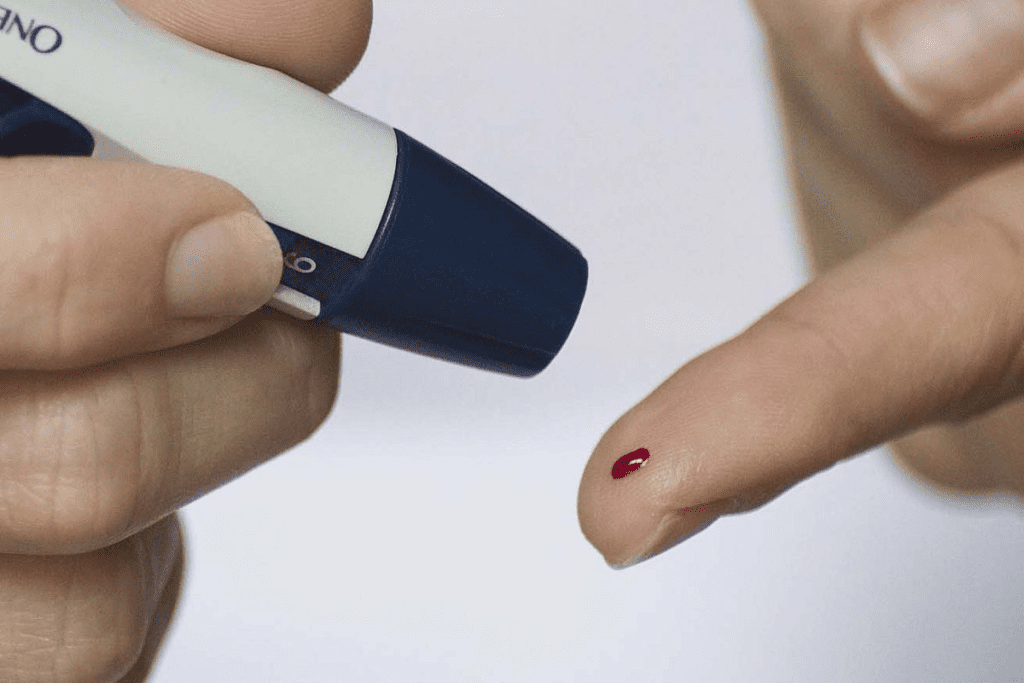
We will dive into the complex relationship between sleep and diabetes. We’ll look at the latest research and offer tips on managing sleep in diabetes care.Discover how diabetes and sleep are closely linked. Learn the hidden effects of poor sleep on blood sugar control and overall health.
Key Takeaways
- Sleep disorders and deprivation can significantly impact diabetes risk and management.
- Understanding sleep’s role is critical for diabetes prevention and management.
- Addressing sleep issues is essential for effective diabetes care.
- Research shows sleep quality is key to diabetes control.
- Managing sleep-related issues can improve diabetes outcomes.
The Critical Connection Between Sleep and Diabetes
Recent studies have shown a strong link between sleep quality and diabetes risk. This relationship goes both ways. Sleep problems can lead to insulin resistance and type 2 diabetes. At the same time, diabetes can disrupt sleep patterns.

Understanding the Bi-Directional Relationship
The connection between sleep and diabetes is complex. Sleep deprivation can cause insulin resistance, a step towards diabetes. On the other hand, diabetes can lead to sleep issues due to factors like frequent nighttime awakenings, nerve damage, and side effects from medications.
Important factors in this relationship include:
- Insulin sensitivity: Sleep impacts how the body uses insulin.
- Glucose metabolism: Sleep problems can change how the body handles glucose.
- Inflammation: Poor sleep can increase inflammation, making diabetes worse.
Latest Research Findings on Sleep’s Impact
Recent research has uncovered how sleep affects diabetes. Studies have found that:
- Sleep duration and quality greatly affect glucose metabolism.
- Long-term sleep loss raises the risk of type 2 diabetes.
- Better sleep can help manage diabetes and reduce complications.
This research highlights the need to address sleep issues in diabetes care. By managing sleep problems, healthcare providers can offer better care to diabetic patients.
Sleep Duration and Diabetes Risk: Finding the Sweet Spot
It’s key to know how sleep affects diabetes risk. Studies show that too little or too much sleep can increase your risk of type 2 diabetes.
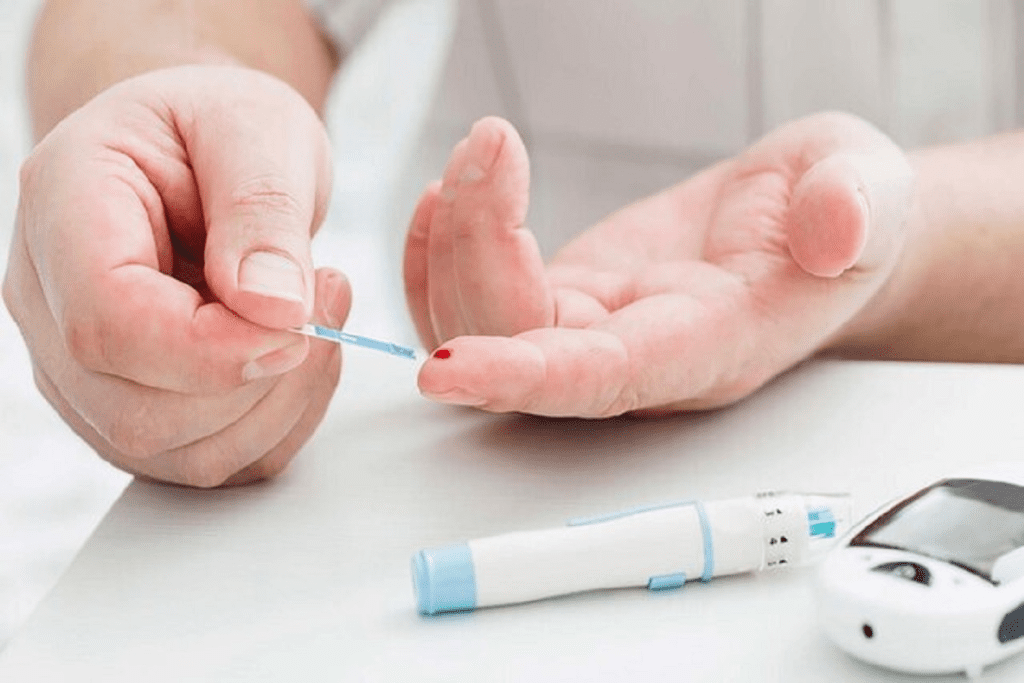
The U-Shaped Relationship Explained
The link between sleep and diabetes risk is like a U. Sleeping less than 7 hours or more than 8 can mess with how your body handles sugar. This can lead to insulin resistance.
- Not enough sleep can cause stress hormones to rise, which can increase blood sugar.
- Too much sleep might mean you have health problems like depression or sleep disorders. These can also raise your diabetes risk.
- Both short and long sleep times can make it hard for your body to control sugar levels. This increases the chance of getting type 2 diabetes.
Why 7-8 Hours Is Optimal for Blood Sugar Control
Sleeping 7-8 hours a night is best for keeping blood sugar in check. It helps your body manage sugar better, lowering the risk of insulin resistance and type 2 diabetes. Adequate sleep also helps keep your weight healthy and reduces inflammation. Both are important for managing diabetes.
How Many Hours Should a Diabetic Sleep?
People with diabetes should aim for 7-8 hours of sleep each night. But how much sleep you need can depend on your age, how active you are, and your health. It’s important for diabetics to stick to a regular sleep schedule and make their bedroom sleep-friendly.
- Start a bedtime routine to tell your body it’s time to sleep.
- Make your bedroom dark, quiet, and cool to help you sleep better.
- Stay away from caffeine and screens before bed to sleep better.
Knowing how sleep affects diabetes and aiming for the right amount can help manage the condition. It can also lower the risk of serious problems.
Diabetes and Sleep: The Crucial Relationship for Blood Glucose Management
Sleep problems can really affect how well diabetes is managed. They can change how well insulin works and how glucose is used. We’ll look into why this happens and why fixing sleep issues is key in diabetes care.
How Sleep Affects Insulin Sensitivity
Sleep is key to keeping insulin sensitivity in check. This is important for handling glucose. When we sleep, our body keeps our blood sugar levels right. But not getting good sleep can mess with this, causing insulin resistance.
Insulin resistance makes it tough for glucose to get into cells. This means blood sugar levels can go up. Studies show that not sleeping enough can make insulin sensitivity worse. So, getting enough sleep is important for managing diabetes.
Why Do Diabetics Sleep a Lot?
Diabetics often feel very tired and sleepy during the day. This is because of their condition. High blood sugar can make you feel tired, and blood sugar changes can mess with sleep.
Also, diabetes can lead to sleep problems like sleep apnea. Understanding why diabetics sleep a lot is important for better diabetes management and a better life.
Fixing sleep issues is vital for good diabetes care. By tackling sleep problems, people with diabetes can improve how well insulin works and their glucose control. This leads to better blood sugar control.
Sleep Quality Issues in Diabetic Patients
Diabetic patients often struggle with getting good sleep. This is key to their health and managing diabetes. Poor sleep can make diabetes harder to control and increase the risk of complications.
Can Diabetes Cause Insomnia?
Insomnia is common in diabetics, making it hard to fall or stay asleep. Diabetes can cause insomnia due to frequent urination, pain, and stress from managing diabetes. Research shows that diabetics are more likely to have insomnia than others.
To tackle insomnia in diabetics, a variety of treatments are needed. This includes diabetes insomnia treatment like cognitive behavioural therapy, relaxation methods, and good sleep habits. For example, keeping a regular sleep schedule, making a sleep-friendly environment, and avoiding caffeine and screens before bed can help.
Nighttime Hypoglycemia: Can Diabetes Kill You in Your Sleep?
Nighttime hypoglycemia is a big worry for diabetics. It can happen for many reasons, like too much insulin, skipping meals, or being too active. Severe hypoglycemia can be deadly if not treated right away. People with diabetes and their caregivers need to know the signs of low blood sugar, like shaking, sweating, and confusion, and how to handle it.
For more info on managing sleep and diabetes, check out Diabetes UK. They offer great resources and advice.
Sleep Apnea and Diabetes Connection
Sleep apnea is a big sleep problem for diabetics. It means breathing stops or gets shallow during sleep. Sleep apnea and diabetes are linked, with studies showing that sleep apnea increases the risk of insulin resistance and type 2 diabetes. The lack of oxygen and frequent waking can raise stress hormones, making blood sugar harder to control.
- Sleep apnea raises the risk of heart problems in diabetics.
- Not treating sleep apnea can make diabetes symptoms worse.
- Managing sleep apnea can help control blood sugar and improve health in diabetics.
In conclusion, sleep problems are common in diabetics and can really affect their health and diabetes care. To tackle these issues, a full approach is needed, including proper diagnosis, treatment, and lifestyle changes. Better sleep can lead to better blood sugar control, lower complication risks, and a better life for diabetics.
Sugar and Sleep Disturbances
The link between sugar and sleep issues is complex. It shows that controlling blood sugar is key to better sleep.
Can Sugar Cause Insomnia?
Studies show that too much sugar can cause insomnia. Eating sugary foods before bed raises blood sugar quickly. Then, it drops, causing nocturnal hypoglycemia and waking you up.
A diet full of sugar also causes inflammation and stress. These can hurt your sleep. We need to look at the whole diet, not just sugar, to understand sleep problems.
Blood Glucose Fluctuations and Sleep Quality
Changes in blood sugar can really mess with sleep. Unstable blood sugar can make you feel tired, dizzy, and thirsty. It’s hard to sleep well when you feel this way.
The body’s natural sleep cycle also affects blood sugar. When this cycle is off, sleep gets worse. Eating right and managing diabetes can help keep blood sugar stable and improve sleep.
Does High Blood Sugar Affect Sleep?
Yes, high blood sugar can mess with sleep. It can cause you to pee a lot, get dehydrated, and feel restless. These symptoms can keep you awake.
High blood sugar can also damage nerves, leading to chronic pain. This pain can make sleep even harder. Keeping blood sugar in check is important for health and sleep.
Chronotype and Diabetes Risk: Why Night Owls Should Be Concerned
It’s important to know how chronotype and diabetes are connected. Chronotype is our natural sleep-wake cycle. It can affect our risk of getting type 2 diabetes. We’ll look at how being a night owl can raise your diabetes risk.
The 59% Increased Risk for Evening Types
Studies show night owls face a 59% higher risk of type 2 diabetes. This is due to lifestyle choices and how our body’s rhythms affect glucose. Being a night owl can disrupt how we handle glucose.
Circadian rhythms are key in glucose control. Being out of sync with our natural rhythm can cause insulin resistance. This is a step towards type 2 diabetes. Night owls often have irregular sleep, making this problem worse.
Strategies for Night Owls with Diabetes
Managing diabetes as a night owl needs a special plan. Here are some tips:
- Adjust your sleep schedule: Try to match your sleep to daylight hours. This can help your body use insulin better.
- Monitor your glucose levels: Keep an eye on your blood sugar, day and night. This can show you how your chronotype affects it.
- Tailor your meal times: Eat when you’re hungry and when your body naturally wants to. This can help control your blood sugar.
Circadian Rhythms and Glucose Metabolism
Circadian rhythms and glucose metabolism are closely linked. Our bodies naturally process glucose in a certain way. Disruptions, like those for night owls, can mess with this.
Working with your natural chronotype can help manage diabetes better. By matching your diet and activities to your body’s natural rhythm, you can improve your glucose control and health.
Effective Treatments for Diabetes-Related Sleep Problems
For those with diabetes, treating sleep issues is key to good care. It’s important to manage sleep disorders to help with diabetes. There are many ways to tackle sleeplessness and related problems.
Diabetes Insomnia Treatment Options
There are several ways to treat diabetes-related insomnia. These include:
- Cognitive Behavioural Therapy for Insomnia (CBT-I)
- Medications safe for diabetic patients
- Relaxation techniques like progressive muscle relaxation and mindfulness meditation
It’s important to talk to a healthcare provider. They can suggest the best treatment for you.
Lifestyle Adjustments for Better Sleep
Changing your lifestyle can help improve sleep for those with diabetes. Some good strategies are:
- Keeping a regular sleep schedule
- Making your bedroom cool, dark, and quiet
- Avoiding activities that get you excited before bed
When to Seek Professional Help for Sleeplessness
If you can’t sleep well even with lifestyle changes, get professional help. A healthcare provider can find the cause and suggest treatments. Don’t wait to get help if you can’t sleep well. It’s important for your diabetes and health.
By tackling sleep issues and making lifestyle changes, people with diabetes can sleep better. This can also improve their diabetes care and overall health.
Conclusion: Making Sleep a Priority in Diabetes Management
Sleep is key to managing diabetes. Sleep disorders can raise the risk of diabetes problems. It’s vital to make sleep a top priority for good diabetes care.
By focusing on sleep, people with diabetes can better control their blood sugar. This can lower the risk of serious health issues. It also improves their overall well-being. There are ways to tackle sleep problems linked to diabetes.
Good sleep and diabetes care are closely linked. We must understand how sleep impacts diabetes. Taking steps to prioritize sleep is essential for managing diabetes effectively.
FAQ
How many hours should a diabetic sleep?
Diabetics should aim for 7-8 hours of sleep per night for optimal blood sugar control.
Can diabetes cause insomnia?
Yes, diabetes can disrupt sleep patterns, leading to insomnia and excessive daytime sleepiness.
Can sugar cause insomnia?
Yes, high blood sugar levels can lead to insomnia and disrupted sleep patterns.
Why do diabetics sleep a lot?
Diabetics may experience excessive daytime sleepiness due to disrupted sleep patterns, blood glucose fluctuations, or related sleep disorders.
Does high blood sugar affect sleep?
Yes, high blood sugar levels can disrupt sleep patterns and lead to insomnia.
Can diabetes kill you in your sleep?
Nighttime hypoglycemia can be a serious complication, but with proper management and care, the risk can be minimized.
How does sleep affect insulin sensitivity?
Sleep disturbances can affect insulin sensitivity, leading to insulin resistance and increased diabetes risk.
What is the connection between sleep apnea and diabetes?
Sleep apnea is common among diabetic patients, increasing the risk of cardiovascular complications.
How can night owls with diabetes manage their condition?
Night owls with diabetes can manage their condition by establishing a consistent sleep schedule, making lifestyle adjustments, and seeking professional help when needed.
What are the treatment options for diabetes insomnia?
Treatment options for diabetes insomnia include lifestyle adjustments, such as establishing a consistent sleep schedule, and professional help, such as cognitive behavioural therapy for insomnia.
Does diabetes cause sleeplessness?
Yes, diabetes can disrupt sleep patterns, leading to sleeplessness and insomnia.
How can I improve my sleep quality with diabetes?
Improving sleep quality with diabetes involves managing blood glucose levels, establishing a consistent sleep schedule, and creating a sleep-conducive environment.
Reference
Hamayal, M., et al. (2025). Prevalence and determinants of poor sleep quality among patients with diabetes: A cross-sectional study. Sleep and Vigilance. Retrieved from https://www.ncbi.nlm.nih.gov/pmc/articles/PMC12333790/