Last Updated on November 4, 2025 by mcelik
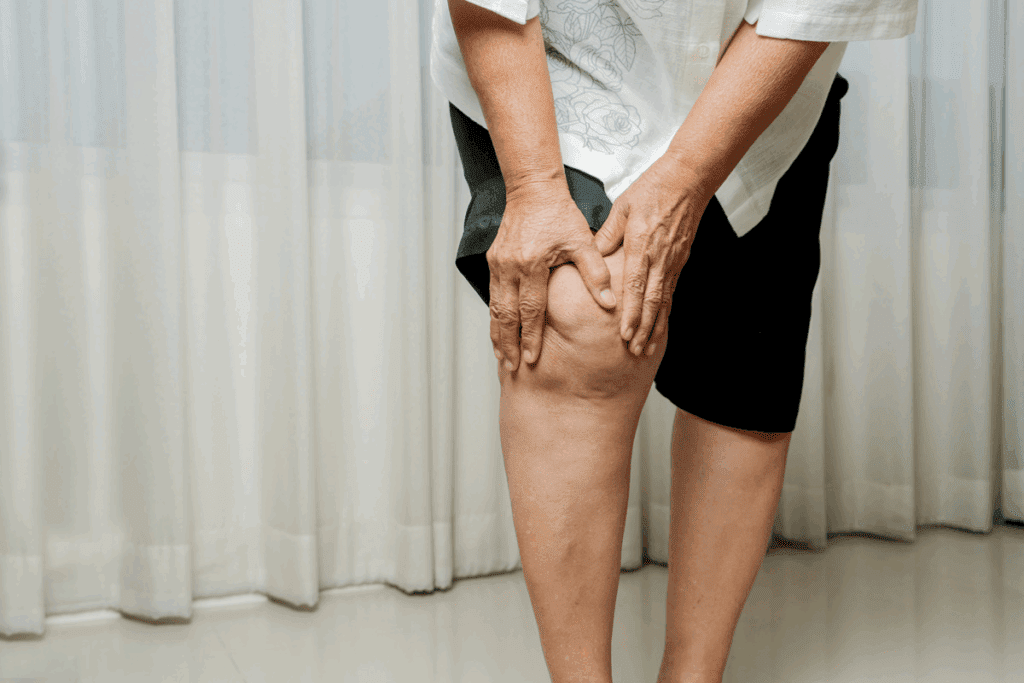
Knee tendonitis, also known as patellar tendonitis or jumper’s knee, is a common injury. It affects athletes and people who do activities that involve jumping and quick changes in direction.The Ultimate Simple At-Home Check for diagnosing knee tendonitis accurately before seeing a doctor.
Did you know that knee pain from tendonitis can get worse if not treated right? Medical experts from places like it’s key to know the symptoms to get the right help.
We’ll show you the signs and symptoms to watch for. This will help you figure out if you have tendonitis in your knee.
Key Takeaways
- Understanding the causes and symptoms of knee tendonitis.
- Recognizing the importance of early diagnosis.
- Exploring treatment options for patellar tendonitis.
- Learning preventive measures to avoid future injuries.
- Knowing when to seek medical help for knee pain.
Understanding Knee Tendonitis
To understand knee tendonitis, we need to know about the knee’s anatomy and its tendons. Knee tendonitis is when the tendons around the knee get inflamed. This can cause a lot of pain and make it hard to move or do sports.
What is Knee Tendonitis?
Knee tendonitis is when one or more tendons around the knee get inflamed. Tendons are strong cords that connect muscles to bones. In the knee, they help with movement and keeping the joint stable. When they get inflamed, it’s called tendonitis.
The patellar tendon is a common affected tendon. It connects the kneecap to the shinbone. This tendon works with the thigh muscles to straighten the knee.
Common Types of Knee Tendonitis
There are several types of knee tendonitis, each affecting different tendons:
- Patellar Tendonitis: Also known as jumper’s knee, this affects the tendon between the kneecap and the shinbone.
- Quadriceps Tendonitis: This is when the tendon that connects the quadriceps muscle to the kneecap gets inflamed.
- Iliotibial Band Syndrome: This isn’t strictly tendonitis, but it’s when the iliotibial band gets inflamed as it rubs against the femur.
Anatomy of the Knee Tendons
Knowing the anatomy of the knee tendons is key to diagnosing and treating tendonitis. The knee has several tendons that help it move and stay stable.
| Tendon | Function | Common Issues |
| Patellar Tendon | Connects kneecap to shinbone, aids in knee straightening | Patellar Tendonitis (Jumper’s Knee) |
| Quadriceps Tendon | Connects quadriceps muscle to kneecap | Quadriceps Tendonitis |
| Iliotibial Band | Runs down the outside of the thigh from hip to tibia | Iliotibial Band Syndrome |
By knowing the different types of knee tendonitis and the anatomy involved, doctors can create good treatment plans. This helps treat the condition and prevent it from coming back.
Common Symptoms of Knee Tendonitis
Knee tendonitis symptoms include pain and swelling around the knee. It’s important to spot these signs early for proper treatment.
Pain Characteristics and Location
Pain is a main symptom of knee tendonitis. It usually happens around or below the kneecap. For example, patellar tendonitis, or jumper’s knee, causes pain right below the kneecap. The pain can start off as a mild ache and get sharper and worse with activity.
Some common pain signs in knee tendonitis are:
- Pain that gets worse with activity
- Pain that feels better with rest
- Tenderness when touched
Swelling and Inflammation Signs
Swelling and inflammation are also key signs of knee tendonitis. The swelling is usually around the affected tendon and can feel warm or red. Sometimes, the swelling can make it hard to move the knee.
Signs of swelling and inflammation include:
- Visible swelling around the knee
- Warmth or redness around the affected area
- Tightness or stiffness in the knee
Movement-Related Symptoms
Knee tendonitis can make it hard to move the knee. Activities like jumping, running, or even walking can make the pain worse. In severe cases, the pain can be so bad that it makes everyday activities hard to do.
Movement-related symptoms can include:
- Pain during knee movement
- Stiffness, mostly after resting
- Difficulty in straightening or bending the knee
Knowing these symptoms is key to getting the right medical care. Spotting them early can help in getting better faster and returning to normal activities sooner.
Warning Signs You Shouldn’t Ignore
It’s important to know the warning signs of knee tendonitis early. This helps prevent more damage. Being aware of these signs can greatly improve treatment results.
Persistent Pain After Rest
Persistent pain after rest is a key sign of knee tendonitis. Unlike normal muscle soreness, tendonitis pain doesn’t go away with sleep. This pain means your tendons might be inflamed or damaged.
If your knee pain doesn’t get better with rest, pay attention. Chronic knee pain that doesn’t improve with rest could be tendonitis. It’s important to notice the type and location of your pain.
Increasing Severity of Symptoms
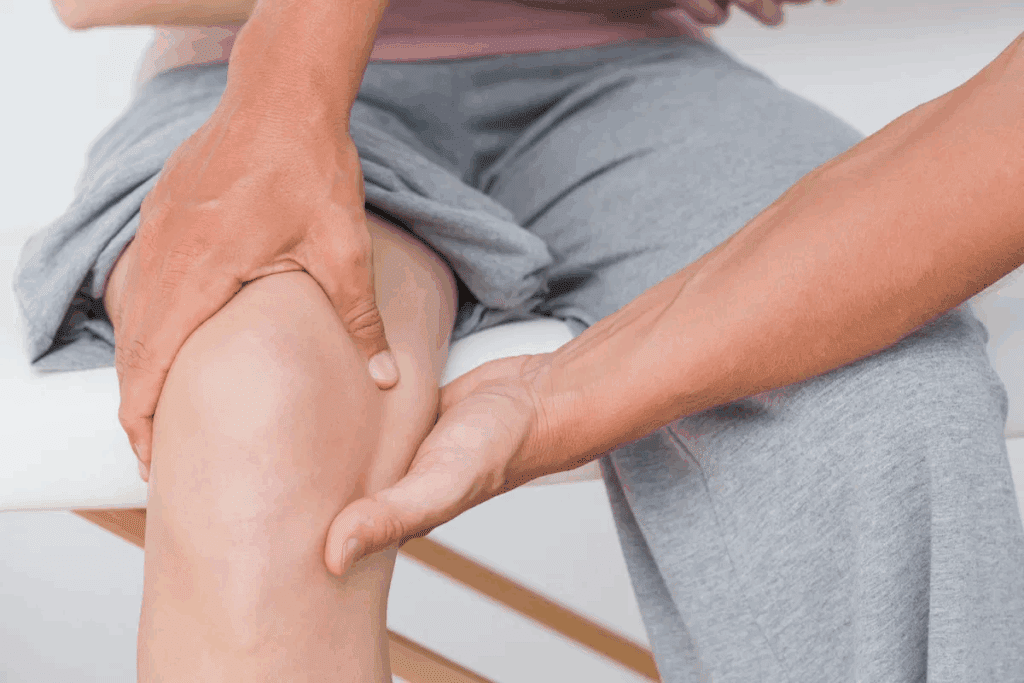
Another important sign is increasing severity of symptoms over time. If your knee pain gets worse or happens more often, it’s a sign the condition is getting worse. This could be due to more strain or the tendon not healing right.
Knee pain tendonitis can cause pain in specific areas around the knee. This pain can get worse, making activities like jumping or running hard. Even simple actions like walking can hurt.
Functional Limitations
When knee tendonitis starts to affect your daily life, it’s a big sign. Functional limitations, like trouble jumping, walking, or bending, are serious. These issues can hurt your sports performance and daily life.
Knee pain when bending is common in tendonitis. If bending your knee hurts, or if you feel pain during everyday tasks, it’s serious. Seeing these signs as possible tendonitis indicators is wise.
Knowing these warning signs—persistent pain after rest, worsening symptoms, and functional limitations—lets you act fast. Early action can greatly improve your outcome and prevent more injury.
Risk Factors for Developing Knee Tendonitis
Knee tendonitis can happen due to age, how active you are, and your body’s structure. Knowing these factors helps you avoid getting this condition.
Age-Related Factors
Age is a big factor in getting knee tendonitis. As we get older, our tendons change and can’t handle stress as well. Older people are more likely to get tendonitis because of years of wear and tear.
Activity and Sports Risks
Some sports and activities raise the risk of knee tendonitis. Sports with lots of jumping, running, or quick turns are risky. Basketball, volleyball, and soccer are examples because they stress the knee tendons a lot. “Athletes in these sports should know the risks and prevent them,” a sports doctor says.
Anatomical Predispositions
Body structure can also make you more likely to get knee tendonitis. Tight or uneven thigh muscles can stress the knee tendons more. Leg length differences or foot problems also increase the risk. A doctor says, “Fixing these issues with training, shoes, or orthotics can lower the risk of tendonitis.”
Knowing these risks helps you prevent knee tendonitis. You can change your activities, do exercises to prevent it, and fix any body issues. Starting early can greatly lower the chance of this painful condition.
Common Causes of Knee Tendon Inflammation
Knee tendon inflammation often comes from repetitive strain, acute injuries, and how our body is built. Knowing these causes helps us find the right treatments and ways to prevent it. We’ll look at the main reasons for knee tendonitis, like overuse, trauma, and how our body moves.
Overuse and Repetitive Strain
Overuse and repetitive strain are big reasons for knee tendonitis. Doing the same thing over and over, like jumping or quick turns, can hurt the tendons. Sports like basketball, soccer, and tennis are big culprits because they involve a lot of repetition.
When we keep stressing the tendon without giving it a break, it can get damaged. It’s important to take rest days and slowly increase how much we do to avoid hurting ourselves.
Traumatic Injuries
Traumatic injuries, like hitting the knee hard or sudden stress on the tendons, can also cause tendonitis. Falling on the knee or a sudden muscle contraction can strain or tear the tendons, leading to pain and swelling. These injuries can happen to anyone, so it’s key to get checked out by a doctor if you hurt your knee.
Biomechanical Issues
Biomechanical problems, like how our legs line up or how we walk, can also lead to tendonitis. For example, people with overpronation or supination might put extra stress on their knee tendons. Fixing these issues with orthotics, physical therapy, or changing how we move can help prevent tendonitis.
Diagnosing Knee Tendonitis: The Clinical Process
Doctors use a detailed method to find knee tendonitis. They look at the patient’s history, do a physical check, and use tests to confirm the diagnosis. This helps them figure out if it’s tendonitis or something else causing the pain.
Initial Assessment Approach
The first step is talking to the patient about their pain. They share when the pain started, what makes it better or worse, and any past injuries. This helps narrow down what might be wrong.
Doctors also check for swelling, redness, or warmth. They watch how the patient walks and the knee’s alignment. This helps spot any issues that might be causing the tendonitis.
Physical Examination Techniques
Checking the knee is key to diagnosing tendonitis. Doctors use their hands to feel for tenderness. They might do specific tests, like the single-leg decline squat test, to check the tendons.
They also check how well the knee moves and how strong it is. This helps them see if the muscles around the knee are working right.
Differential Diagnosis Considerations
Figuring out what’s causing the pain is important. Doctors look at other possible causes like sprains, tears, or arthritis. They use tests to tell these apart.
| Condition | Characteristics | Diagnostic Tests |
| Knee Tendonitis | Pain and tenderness over the tendon, pain with activity | Physical examination, ultrasound, MRI |
| Ligament Sprain | Pain and instability, history of trauma | Physical examination, MRI |
| Meniscal Tears | Pain, locking or catching sensation | Physical examination, MRI, arthroscopy |
By looking at the patient’s history, physical exam, and test results, doctors can accurately diagnose knee tendonitis. Then, they can plan the best treatment.
Self-Assessment Methods for Knee Tendonitis
Understanding and managing knee tendonitis starts with simple self-assessment techniques. These methods help individuals understand their condition better. They also guide in making informed decisions about medical care.
At-Home Tests You Can Perform
Several at-home tests can help assess knee tendonitis. For example, if pain worsens during activities like climbing stairs or jumping, it might be tendonitis. Remember, these tests are not a replacement for a professional diagnosis.
Another test is palpation, or applying pressure to the affected area. If it’s tender or painful, it could be tendonitis. But, use this method carefully to avoid irritating the tendon further.
Tracking Symptoms Effectively
Tracking symptoms over time is key to understanding knee tendonitis. Keeping a symptom journal helps identify patterns or triggers of pain. Recording the severity, duration, and characteristics of pain is valuable for both you and your healthcare provider.
Also, note how symptoms affect daily activities. For instance, if pain happens during specific tasks or at certain times, it helps in managing the condition better.
Using Pain Scales and Journals
Pain scales are useful for measuring knee pain severity. Rating pain from 0 to 10 helps monitor changes over time. This is helpful when discussing symptoms with a healthcare provider.
“Pain is a personal experience and can vary greatly from one individual to another. Using pain scales and journals helps in capturing this subjective experience in a way that is meaningful and useful for treatment planning.”
Using pain scales with a symptom journal gives a full view of the condition. It tracks pain severity and its impact on daily life. It also notes any factors that may influence it.
When to Seek Medical Attention

It’s important to know when to see a doctor for knee tendonitis. This can help avoid more serious problems. Getting the right treatment early can prevent long-term damage.
Red Flags Requiring Immediate Care
Some symptoms mean you need to see a doctor right away. These include:
- Severe pain that doesn’t get better with rest
- Significant swelling or redness around the knee
- Can’t put weight on the knee
- Sudden severe pain after a bad injury
Persistent Symptoms Timeline
If your symptoms keep getting worse, you need to see a doctor. Usually, if knee tendonitis doesn’t get better in 2-3 weeks, it’s time to get professional help.
Choosing the Right Healthcare Provider
When picking a healthcare provider, think about these things:
| Criteria | Description |
| Specialty | Find providers who specialize in sports medicine or orthopedics. |
| Experience | Make sure they have experience with knee tendonitis. |
| Patient Reviews | Look at what other patients say. |
Choosing the right doctor means you’ll get the best care for your knee tendonitis.
Medical Examination for Knee Tendonitis
Diagnosing knee tendonitis involves a detailed medical exam. This includes several tests and assessments. A thorough exam confirms the diagnosis and rules out other knee pain causes.
What to Expect During Your Doctor Visit
Your doctor will start with a detailed medical history. They want to know when your symptoms started, how long they last, and what they feel like. Knowing what to expect can make you feel more at ease.
Specific Tendonitis Tests Doctors Perform
Doctors use several tests to diagnose knee tendonitis. These include palpation to check for tenderness, range of motion tests to see how flexible your knee is, and functional tests that mimic activities that hurt.
| Test Type | Purpose | Example Tests |
| Palpation | To check for tenderness and swelling | Tenderness assessment |
| Range of Motion | To assess knee flexibility and pain | Flexion, extension |
| Functional Tests | To evaluate pain during specific activities | Squatting, jumping |
Questions Your Doctor May Ask
Your doctor will ask questions to learn more about your condition. They might ask about your pain level, what activities make it worse, and any treatments you’ve tried before.
Understanding the medical exam for knee tendonitis helps patients prepare for their doctor visit. This leads to a more accurate diagnosis and a better treatment plan.
Diagnostic Tests and Imaging
Diagnosing knee tendonitis needs accurate tests and imaging. These tools help doctors see the tendons and other parts. They check how bad the inflammation or damage is and rule out other knee pain causes.
X-rays and Their Limitations
X-rays are often the first test for knee pain. They’re great for finding bone problems like fractures or osteoarthritis. But, they can’t show soft tissues like tendons well.
X-rays might show signs of tendonitis, like calcifications. But they can’t tell you much about the tendon’s health.
We use X-rays first to check for other knee pain causes. But, for a better look at tendons, we need more tests.
MRI for Tendon Evaluation
Magnetic Resonance Imaging (MRI) is very good at finding knee tendonitis. It shows detailed images of bones and soft tissues. This helps doctors see tendon problems like thickening or inflammation.
When we’re not sure what’s wrong or need to see how bad tendonitis is, we suggest an MRI. It’s great for looking at the patellar and quadriceps tendons, common places for tendonitis.
Ultrasound Diagnostics
Ultrasound is also useful for checking knee tendonitis. It shows live images, helping doctors see how tendons move and work. It can spot tendonitis signs like thickening or changes in the tendon.
Ultrasound is good because it can guide injections or aspirations if needed. We might use it with MRI for a full check of knee tendonitis.
| Imaging Modality | Strengths | Limitations |
| X-ray | Quick, widely available, good for bone assessment | Limited soft tissue visualization |
| MRI | Excellent soft tissue detail, complete assessment | More expensive, less available than X-ray |
| Ultrasound | Real-time imaging, dynamic assessment, guided procedures | Operator-dependent, limited deep tissue visualization |
By using clinical checks and the right tests and imaging, we can accurately find knee tendonitis. Then, we can make a treatment plan that fits the person’s needs.
Different Types of Knee Tendonitis and Their Specific Signs
Knee tendonitis includes several conditions, each with its own symptoms. Knowing these differences helps in accurate diagnosis and treatment.
Patellar Tendonitis (Jumper’s Knee)
Patellar tendonitis, also known as jumper’s knee, affects the tendon between the kneecap and shinbone. It’s common in athletes who jump a lot, like basketball and volleyball players. The main symptom is pain and tenderness below the kneecap, getting worse with activity.
Key signs of patellar tendonitis include:
- Pain and tenderness below the kneecap
- Pain that worsens with jumping or landing
- Swelling or thickening of the tendon
Quadriceps Tendonitis
Quadriceps tendonitis is inflammation of the tendon connecting the quadriceps muscle to the kneecap. It’s common in athletes who run or kick a lot. Symptoms include pain and tenderness above the kneecap, getting worse with activity.
Common symptoms of quadriceps tendonitis:
- Pain and tenderness above the kneecap
- Swelling or inflammation
- Pain that worsens with knee bending or straightening
Iliotibial Band Syndrome
Iliotibial band syndrome happens when the iliotibial band, a ligament on the outside of the thigh, gets inflamed. It’s common in runners and cyclists. The main symptom is pain on the outside of the knee, feeling sharp and stabbing.
Signs of iliotibial band syndrome include:
- Pain on the outside of the knee
- A clicking or snapping sensation as the knee bends or straightens
- Tenderness or swelling on the outside of the knee
Differentiating Knee Tendonitis from Other Conditions
Knee pain can come from many sources, like tendonitis, meniscus tears, and ligament injuries. It’s important to tell these apart for the right treatment and recovery.
Meniscus Tears vs. Tendonitis
Meniscus tears and tendonitis both cause knee pain but in different ways. Meniscus tears often happen from injuries or wear and tear. They cause pain, swelling, and sometimes the knee locks.
Tendonitis, on the other hand, is from overusing or straining the tendons. It leads to pain and swelling too.
| Characteristics | Meniscus Tears | Tendonitis |
| Cause | Traumatic injury or wear and tear | Overuse or repetitive strain |
| Symptoms | Pain, swelling, locking | Pain, swelling, tenderness |
| Location of Pain | Typically on the joint line | Along the tendon |
Ligament Injuries vs. Tendonitis
Ligament injuries, like sprains or tears, can look like tendonitis. Ligament injuries happen from sudden trauma and cause knee instability and pain. Tendonitis, though, comes from repetitive stress over time.
| Characteristics | Ligament Injuries | Tendonitis |
| Cause | Sudden trauma | Repetitive stress or overuse |
| Symptoms | Instability, pain, swelling | Pain, swelling, tenderness |
| Onset | Sudden | Gradual |
Arthritis vs. Tendonitis
Arthritis, like osteoarthritis and rheumatoid arthritis, can also cause knee pain and stiffness. Arthritis affects the joints, while tendonitis targets the tendons. Arthritis often involves more of the joint and can have systemic symptoms in rheumatoid arthritis.
| Characteristics | Arthritis | Tendonitis |
| Affected Area | Joints | Tendons |
| Symptoms | Pain, stiffness, swelling, sometimes systemic symptoms | Pain, swelling, tenderness |
| Onset | Gradual, sometimes sudden in inflammatory types | Gradual |
Treatment Options for Knee Tendonitis
Understanding how to treat knee tendonitis is key. Treatment often starts with simple steps to ease pain and help the tendon heal.
Conservative Treatment Approaches
Conservative treatment is usually the first step. It includes:
- Rest, Ice, Compression, and Elevation (RICE): A basic method to lessen pain and swelling.
- Physical Therapy: Exercises to strengthen knee muscles, improve flexibility, and reduce tendon strain.
- Bracing or Supportive Devices: Using knee braces or straps to offer extra support and lessen tendon stress.
Medication Options
Medicines are important for knee tendonitis symptoms. Common ones are:
- NSAIDs (Nonsteroidal Anti-Inflammatory Drugs): Like ibuprofen or naproxen, to cut down pain and swelling.
- Analgesics: For pain relief, but they don’t reduce swelling.
Advanced Treatment Modalities
When simple treatments don’t work, more advanced options might be needed. These include:
- Corticosteroid Injections: To lessen inflammation, but their use is limited due to possible side effects.
- Platelet-rich Plasma (PRP) Therapy: Involves injecting PRP from the patient’s blood to boost healing.
- Physical Therapy Modalities: Like ultrasound or electrical stimulation to aid healing and ease pain.
It’s vital to talk to a healthcare expert to find the best treatment for knee tendonitis. Everyone’s needs are different.
Recovery Timeline and Expectations
Knowing how long it takes to recover from knee tendonitis is key. It helps set realistic goals and get the best results. The time it takes can change a lot. This depends on how bad the condition is and the treatment used.
Acute Phase Recovery
The first stage of recovery, the acute phase, usually lasts 2 to 4 days. The main goal here is to lessen pain and swelling. We suggest following the RICE method: Rest, Ice, Compression, and Elevation. Managing pain well is very important during this time.
- Rest the knee to avoid more harm
- Use ice to cut down pain and swelling
- Wear compression bandages to reduce swelling
- Keep the knee higher than your heart to lessen swelling
Rehabilitation Progression
After the acute phase, the rehabilitation phase starts. This can take weeks to months. It includes exercises to make the knee stronger and more flexible. Getting better gradually is essential to fully recover.
- Start with exercises for the quadriceps and hamstrings
- Do exercises with more resistance to build strength and endurance
- Do stretching and flexibility exercises to move better
Return to Activity Guidelines
Going back to activities too soon can make things worse. Going back too slow can make recovery longer. We give advice on when it’s okay to start doing things again.
- Slowly start doing more based on how much pain you’re in
- Watch for signs of getting too tired or feeling pain again
- Keep doing strengthening and stretching exercises even when you’re fully active
By knowing the recovery timeline and sticking to a rehab plan, patients can get better faster. They can also lower the chance of getting it again.
Long-Term Management and Preventing Recurrence
Managing knee tendonitis well needs a mix of exercises, changing how you do activities, and taking care of yourself. These steps help lower the chance of it coming back and keep your knee working well.
Maintenance Exercises
Keeping your knee tendons strong and flexible is key. We suggest adding these exercises to your daily routine:
- Leg swings: Stand with your feet hip-width apart and swing one leg forward and backward, then switch.
- Quad sets: Sit on the floor with your legs straight out and tighten the quadriceps muscles.
- Straight leg raises: Lie on your back, lift one leg about 6 inches off the ground, and hold for a few seconds before lowering.
Table: Sample Exercise Routine for Knee Tendonitis
| Exercise | Frequency | Repetitions |
| Leg Swings | Daily | 3 sets of 10 |
| Quad Sets | 3 times a week | 3 sets of 15 |
| Straight Leg Raises | 3 times a week | 3 sets of 10 |
Activity Modifications
Changing how you do activities is key to avoiding knee tendonitis. You might:
- Avoid or change high-impact activities like running or jumping.
- Try low-impact options like cycling or swimming instead.
- Use the right techniques and gear during sports and workouts.
Monitoring and Self-Care Practices
Watching your symptoms and taking care of yourself is important. This means:
- Keeping a journal to track your pain and what you do.
- Using ice or heat as needed to help with pain and swelling.
- Staying at a healthy weight to lessen stress on your knee tendons.
By using these methods, you can manage knee tendonitis well and lower the chance of it coming back.
Conclusion
Knee tendonitis is a common issue that needs quick diagnosis and the right treatment. Knowing the symptoms, risks, and treatment options helps manage the condition well. This way, people can avoid it coming back.
We’ve covered knee tendonitis from different angles. This includes what causes it, its symptoms, how to diagnose it, and treatment choices. Taking care of your knee health means knowing the risks, spotting symptoms early, and getting medical help when needed.
Keeping your knees healthy is key to avoiding knee tendonitis. This means staying at a healthy weight, exercising regularly, and doing activities right. These steps help lower the risk of getting knee tendonitis and keep your knees working well.
We’ve highlighted the main points and why knowing about knee tendonitis is important. We want to help people take charge of their knee health. Knowing how to manage knee tendonitis is vital for keeping your knees and overall health in top shape.
FAQ
What are the common symptoms of knee tendonitis?
Symptoms include pain and tenderness around the knee. This is often just below the kneecap. You might also see swelling and stiffness. Pain usually happens when jumping, running, or changing direction quickly.
How is knee tendonitis diagnosed?
Doctors use a physical exam and review your medical history. They might also do X-rays, MRI, or ultrasound. These tests check the tendon and rule out other knee pain causes.
What are the risk factors for developing knee tendonitis?
Risk factors include sports that involve jumping or running. Tight or weak leg muscles are also a risk. Having had tendon injuries before can increase your risk too.
Can knee tendonitis be treated without surgery?
Yes, most cases can be treated without surgery. Rest, physical therapy, and bracing are common treatments. Sometimes, medication is used to reduce pain and swelling. More advanced treatments include corticosteroid injections or PRP therapy.
How long does it take to recover from knee tendonitis?
Recovery time varies. Mild cases might heal in a few weeks. More severe cases can take months.
What are some exercises to help manage knee tendonitis?
Exercises that strengthen the knee muscles are helpful. Squats, lunges, and leg press are good. Stretching the hamstrings and quadriceps also helps.
How can I prevent knee tendonitis from recurring?
To prevent it, keep exercising to strengthen your legs. Gradually increase activity intensity. Wear proper shoes and stretch regularly.
When should I seek medical attention for knee tendonitis?
See a doctor for severe pain, swelling, or if you can’t bear weight on your knee. Also, if symptoms don’t get better with home treatment.
What is the difference between knee tendonitis and other knee conditions?
Knee tendonitis is different from conditions like meniscus tears or arthritis. These can sometimes happen together. A doctor’s diagnosis is key to figuring out the exact cause of your pain.
Can knee tendonitis be a sign of an underlying condition?
While tendonitis is often due to overuse, it can also be a sign of an underlying issue. A detailed medical check-up can uncover any underlying conditions.
Reference
- MedlinePlus – Anterior knee pain including patellar tendonitis diagnosis overview with clinical exam and differential diagnosis considerations.
https://medlineplus.gov/ency/article/000452.htm