Last Updated on November 26, 2025 by Bilal Hasdemir
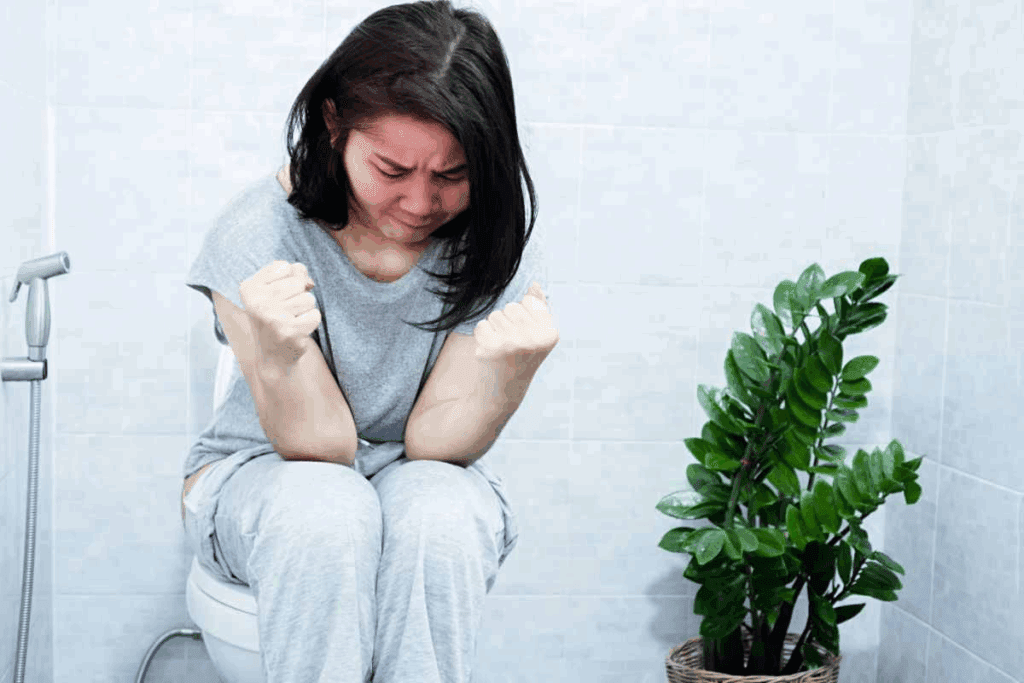
Gallstones are solid particles in the gallbladder made from bile. They often cause pain in the upper right abdomen, nausea, vomiting, and sometimes diarrhoea. At LivHospital, we know how diarrhoea and gallstones are connected. We offer top-notch care and answers based on solid evidence to our patients.
Gallstones are a big problem worldwide, causing chronic pain and occasional discomfort. It’s important to understand how gallstones affect our health, including diarrhoea and gallstones, their symptoms, complications, and ways to prevent them.
Key Takeaways
- Gallstones can cause a range of symptoms, including abdominal pain and diarrhoea.
- Understanding the complications of gallstones is key to managing them effectively.
- Prevention strategies can help lower the risk of gallstones.
- Gallstones are a common issue affecting many people globally.
- There are effective treatment options for managing gallstones and their symptoms.
Understanding Gallstones: Formation and Composition
To understand gallstones, we need to know how they form and what they are made of. Gallstones are hard deposits that form in the gallbladder. This small organ is under the liver and stores bile.
What Are Gallstones Made Of?
Gallstones are mainly made of cholesterol and bilirubin. Cholesterol gallstones are yellowish and often linked to too much cholesterol in bile. Pigment stones are smaller and darker, made of bilirubin or its calcium salts.
How Gallstones Form in the Gallbladder
Gallstones form when bile components solidify. Bile is a liquid mix of bile salts, cholesterol, and bilirubin. But when the balance is off, these can turn into stones. This can happen due to metabolic disorders, genetics, and diet.
Risk Factors for Developing Gallstones
Several factors increase the risk of gallstones. These include obesity, diabetes, and a diet rich in saturated fats and cholesterol. People with a family history, certain ethnicities, and older individuals are also at higher risk.
Knowing these risk factors helps in prevention and early detection. By making smart lifestyle choices and understanding personal risks, we can lower our chances of getting gallstones.
The Connection Between Diarrhoea and Gallstones
Understanding the link between gallstones and diarrhoea is key to good digestive health. We’ll look at how these two are connected and what it means for patients.
How Gallstones Can Trigger Digestive Symptoms
Gallstones can block bile ducts, causing digestive problems like diarrhoea. This blockage messes with bile flow, affecting digestion and bowel movements.
When gallstones block bile ducts, it can cause jaundice and pancreatitis. These conditions hurt digestive health a lot. The blockage can also change stool, leading to diarrhoea.
Chronic Diarrhoea After Gallbladder Removal
Chronic diarrhoea can happen after gallbladder removal surgery. The gallbladder helps with bile storage and release. Without it, digestion changes, and some people get persistent diarrhoea.
If you have chronic diarrhoea after gallbladder removal, see your doctor. They can help with diet changes and treatments to ease symptoms.
When to Seek Medical Attention
See a doctor if you have ongoing or severe diarrhoea. Also, if you have abdominal pain, fever, or jaundice. These could mean gallstone complications or other health issues.
Stay alert to your symptoms and talk to a healthcare professional if they change. Early treatment can stop complications and help you feel better.
Common Symptoms of Gallstones
It’s important to know the symptoms of gallstones to get help quickly. Gallstones can make life uncomfortable with their symptoms.
Upper Abdominal Pain and Discomfort
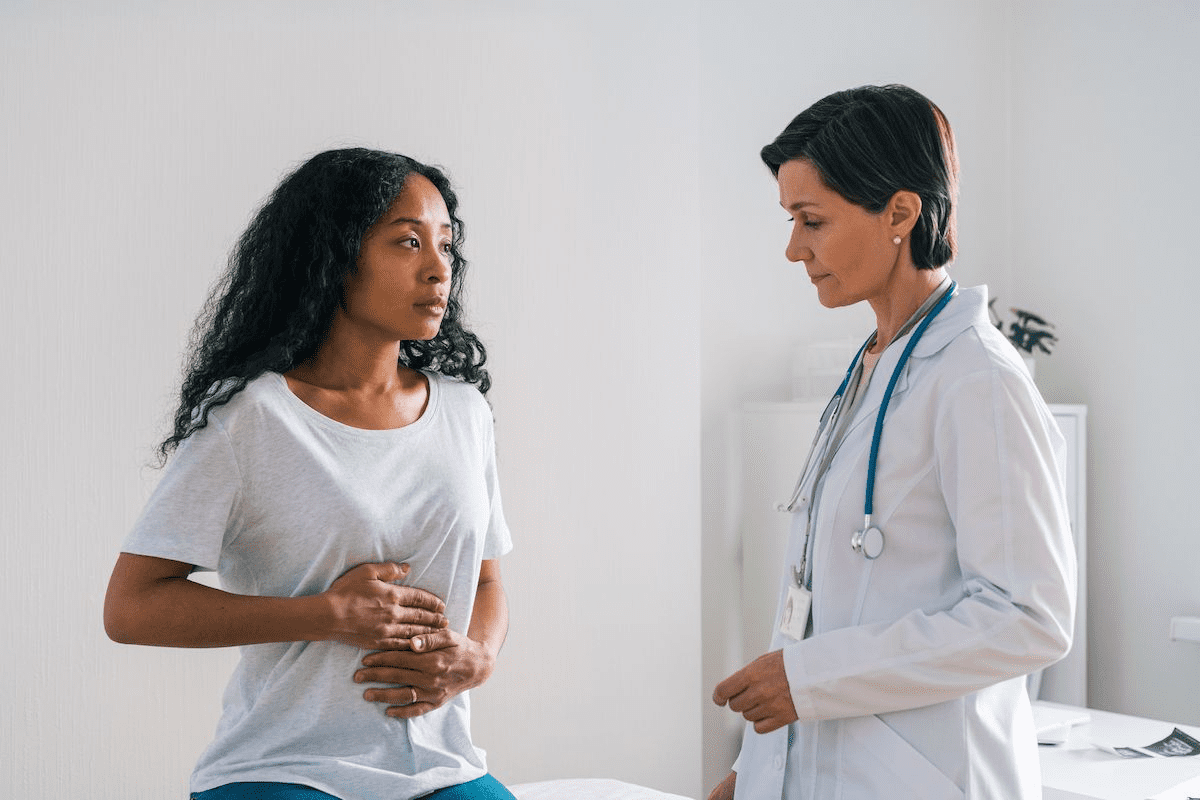
Upper abdominal pain is a common symptom of gallstones. This pain is often called biliary colic. It can be very painful and may feel like it’s in the upper right or middle of your abdomen.
Key characteristics of upper abdominal pain caused by gallstones include:
- Severe, sharp pain
- Pain that worsens after eating fatty meals
- Pain that lasts from a few minutes to several hours
Does Gallstones Make You Feel Sick?
Yes, gallstones can make you feel sick. You might feel nauseous or want to vomit. The stones can irritate your gallbladder and the surrounding areas.
Nausea caused by gallstones can be triggered or worsened by:
- Eating fatty or greasy foods
- Large or heavy meals
Do Gallstones Make You Vomit?
Gallstones can cause vomiting, too. This happens if the stones block the bile duct or irritate it a lot. Vomiting might also come with fever and severe pain in your abdomen.
Changes in Bowel Movements
Gallstones can also change how you go to the bathroom. You might have diarrhea or constipation. These changes happen because the stones block bile flow or irritate your digestive system.
Common changes in bowel movements include:
- Diarrhea
- Constipation
- Clay-colored stools
In conclusion, gallstones can cause a range of symptoms. These include upper abdominal pain, nausea, vomiting, and changes in bowel movements. If you’re experiencing these symptoms, it’s important to see a doctor.
Where Is Pain Felt With Gallstones?
Knowing where gallstone pain is felt is key to treating it right. We’ll look at where the pain usually is and how to tell it from other issues.
Typical Pain Locations in the Abdomen
Pain from gallstones usually hits the upper right abdomen. This happens when a gallstone blocks the cystic duct. The duct connects the gallbladder to the common bile duct.
The blockage makes the gallbladder swell and hurt. The pain can feel sharp or dull and gets worse over time. Eating fatty foods can make the pain worse because it makes the gallbladder contract.
Radiation of Pain to Shoulder and Back
Sometimes, gallstone pain spreads to the right shoulder or back. This happens because the nerves in the gallbladder also serve these areas. When the gallbladder gets inflamed, it can hurt these nerves.
A medical expert says, “The pain from gallstones can sometimes be felt in the right shoulder or back. This makes it hard to diagnose if not seen in the bigger picture.” It’s important to look at all symptoms when figuring out gallstone disease.
“The pain from gallstones can sometimes be referred to the right shoulder or back, making diagnosis challenging if not considered in the context of other symptoms.”
Medical Expert
Distinguishing Gallstone Pain from Other Conditions
Telling gallstone pain from other issues can be tricky because symptoms are similar. But, there are clues. For example, gallstone pain often starts after eating fatty foods. It might also come with nausea or vomiting.
| Symptom | Gallstone Pain | Other Conditions |
| Pain Location | Upper right abdomen, potentially radiating to the right shoulder or back | Varies depending on the condition (e.g., lower abdomen for appendicitis) |
| Triggers | Often triggered by fatty meals | Can be triggered by various factors depending on the condition |
Knowing where and how gallstone pain acts helps doctors diagnose and treat better.
Duration and Intensity of Gallstone Attacks
Knowing how long and how severe gallstone attacks are is key to managing them well. Gallstone pain can really disrupt your life. It’s different for everyone, so it’s important to know what affects its length and how bad it can be.
How Long Does Gallstones Pain Last?
Gallstone pain can last from a few minutes to hours. The pain’s length often depends on how bad the blockage is. Sometimes, the pain goes away when the stone moves. But if the blockage stays, the pain might keep going and need medical help.
Factors Affecting Pain Severity
Many things can make gallstone pain worse. The size and number of stones, where the blockage is, and any complications like inflammation or infection matter. People who have had gallstones before or have other stomach problems might feel more pain.
Patterns of Recurring Gallstone Pain
For some, gallstone pain keeps coming back. How often and when it happens can vary a lot. Knowing these patterns helps in finding a good way to manage it. Here’s a table that shows the main types of recurring gallstone pain:
| Pattern | Description | Typical Duration |
| Intermittent | Pain happens now and then, often after eating fatty foods | Variable, from minutes to hours |
| Persistent | Pain that doesn’t stop and gets worse over time | Several hours to days |
| Cyclical | Pain follows a pattern, possibly tied to what you eat | Variable, often tied to meal times |
By understanding the patterns, length, and intensity of gallstone pain, you can manage it better. This helps you know when to get medical help.
Serious Complications of Gallstones
Gallstones are not just a minor issue; they can lead to severe health complications. When gallstones are left untreated, they can cause a range of serious health problems. We will explore the serious health problems that can arise from gallstones, including jaundice, pancreatitis, and infections.
Jaundice With Gallstones: Causes and Symptoms
Jaundice is a condition where the skin and eyes turn yellow. It happens when gallstones block the bile ducts. This prevents bilirubin from being excreted, causing a buildup in the blood.
Symptoms of jaundice include:
- Yellowing of the skin and eyes
- Dark urine
- Pale stools
- Fatigue
Itching and Dark Urine as Warning Signs
Itching and dark urine are warning signs of gallstone blockage in the bile ducts. Itching is caused by bile salts in the skin, while dark urine is due to excess bilirubin.
It’s essential to seek medical attention if you experience these symptoms.
Gallstone Pancreatitis
Gallstone pancreatitis happens when a gallstone blocks the pancreatic duct. This causes inflammation of the pancreas. It’s a serious condition that needs immediate medical attention.
| Symptoms | Description |
| Severe abdominal pain | Pain that radiates to the back |
| Nausea and vomiting | May be accompanied by fever |
| Abdominal tenderness | May be accompanied by guarding |
Gallbladder Infections and Inflammation
Gallbladder infections and inflammation can happen when gallstones block the gallbladder’s outlet. This causes bacterial overgrowth. It can lead to severe complications, including gangrene and perforation of the gallbladder.
We have discussed the serious complications that can arise from gallstones, including jaundice, pancreatitis, and infections. It’s important to seek medical attention if you experience any symptoms related to gallstones.
Digestive Issues Related to Gallstones
It’s important to know how gallstones affect our digestive health. Gallstones can cause many uncomfortable symptoms in the digestive system.
Can Gallstones Cause Constipation and Bloating?
Gallstones can lead to constipation and bloating. When they block the bile duct, it disrupts digestion. Bile helps digest fats and absorb vitamins. Without it, constipation can occur.
Bloating is common too. Gallstones can slow digestion, causing gas to build up. This leads to discomfort.
Gallstone Poop: Changes in Stool Appearance
Gallstones can also change how stool looks. Obstruction of the bile duct can make stool pale or clay-colored. Stools might also be oily or float, showing fat malabsorption.
Passing Gallstones Through the Digestive System
In some cases, gallstones can move through the digestive system. This can be painful. It causes severe pain, nausea, and vomiting. If symptoms get worse, see a doctor.
Small gallstones might pass, but big ones can cause problems. Knowing the risks and symptoms helps manage them better.
Diagnosing Gallstones: What to Expect
Diagnosing gallstones involves imaging tests and lab exams. When symptoms point to gallstones, doctors use tools to confirm and check for complications.
Common Diagnostic Procedures
Several tests are used to find gallstones. Ultrasound is often first because it’s accurate and safe. It doesn’t use radiation.
Computed Tomography (CT) scans and Magnetic Resonance Imaging (MRI) are used too. They show detailed images of the gallbladder and bile ducts. This helps spot gallstones and any issues.
Can You Feel Gallstones With Your Fingers?
You can’t feel gallstones with your fingers. They are small and inside the gallbladder. A doctor might feel a swollen gallbladder but not the stones.
Laboratory Tests for Gallstone Complications
Laboratory tests are key for finding gallstone complications. Blood tests check for infection, inflammation, or blockages. For example, high liver enzymes or bilirubin levels mean a blockage. A high white blood cell count suggests an infection.
These tests also check the patient’s health and surgery risks. By using imaging and lab tests together, doctors can accurately diagnose and plan treatment.
Treatment Options for Gallstone Pain
Understanding how to manage gallstone pain is key. Knowing the right treatment depends on the pain’s severity. It’s important to choose the best approach for your situation.
Can I Take Ibuprofen for Gallbladder Pain?
For mild to moderate pain, ibuprofen can help. It reduces inflammation and eases pain. But, always follow the dosage and talk to a doctor, if you have stomach issues or take other meds.
Remember, ibuprofen only helps with pain, not the gallstones themselves. If pain doesn’t go away or gets worse, see a doctor right away.
Medical Management of Gallstones
Some patients might get ursodeoxycholic acid (UDCA) to dissolve gallstones. This is for those who can’t or don’t want surgery. But, it’s mainly for small, cholesterol gallstones.
This treatment takes a long time, often months or years. It’s most effective for small, cholesterol gallstones.
Surgical Interventions: When They’re Necessary
Surgery is best for severe or recurring pain. The most common surgery is a cholecystectomy, removing the gallbladder. Laparoscopic surgery is often used, leading to faster recovery.
Surgery is advised for those with symptomatic gallstones. It’s also recommended if there’s a risk of complications like gallstone pancreatitis or recurring pain.
Preventing Gallstones: Lifestyle and Dietary Changes
To prevent gallstones, making big changes in your lifestyle and diet is key. Keeping a healthy weight is important. This means eating well and exercising often. Losing weight too fast can raise your risk of gallstones, so slow down and choose lasting weight loss methods.
Eating lots of fruits, veggies, and whole grains can help. Try to eat less fatty and processed foods, as they can lead to gallstones. Drinking lots of water is also vital to keep your gallbladder healthy.
For gallstones prevention, regular exercise and a healthy diet are essential. These habits can greatly lower your risk of gallstones and their complications. By living a balanced life and making smart food choices, you can prevent gallstones effectively.
FAQ:
What are gallstones made of?
Gallstones are mainly made of cholesterol, bilirubin, or a mix of these.
Can gallstones cause diarrhoea?
Yes, gallstones can lead to digestive issues like diarrhoea.
Where is pain felt with gallstones?
Pain from gallstones is usually in the upper right abdomen. It can also spread to the shoulder or back.
How long does gallstones pain last?
Gallstone pain can last from a few minutes to hours.
Can gallstones cause constipation and bloating?
Yes, gallstones can disrupt bowel habits, causing constipation and bloating.
Can I take ibuprofen for gallbladder pain?
Ibuprofen can help with gallbladder pain. But, always talk to a doctor before taking it.
Can you feel gallstones with your fingers?
No, you can’t feel gallstones with your fingers. They are inside the gallbladder.
What are the serious complications of gallstones?
Serious issues include jaundice, itching, dark urine, pancreatitis, and infections of the gallbladder.
How are gallstones diagnosed?
Ultrasound and lab tests are used to diagnose gallstones.
Can gallstones cause vomiting?
Yes, gallstones can lead to nausea and vomiting.
What is the treatment for gallstone pain?
Treatment includes managing symptoms, using pain relief like ibuprofen, and surgery.
How can gallstones be prevented?
Preventing gallstones involves staying healthy, eating right, and making lifestyle changes.
Do gallstones make you feel sick?
Yes, gallstones can cause discomfort, nausea, and other symptoms that make you feel unwell.
Can gallstones cause itching and dark urine?
Yes, gallstones can cause itching and dark urine, if they block the bile duct.
What is gallstone pancreatitis?
Gallstone pancreatitis is a serious condition. It happens when a gallstone blocks the pancreatic duct, causing pancreas inflammation.
Can gallstones cause changes in stool appearance?
Yes, gallstones can change stool appearance, known as “gallstone poop.”
References:
Ljubičić, N., et al. (2015). Biliary leakage after urgent cholecystectomy. Journal of Hepato-Biliary-Pancreatic Sciences. Retrieved from https://pmc.ncbi.nlm.nih.gov/articles/PMC4436923