Last Updated on November 26, 2025 by Bilal Hasdemir
At Liv Hospital, we help you find the best foods for a safe recovery. Our approach is patient-centered and based on evidence. We’ll look at the top foods for a smooth recovery.
Key Takeaways
- Eating the right foods after bowel surgery is crucial for recovery.
- A balanced nutrition plan helps in healing and reduces complications.
- Certain foods can help manage symptoms and improve overall health.
- Liv Hospital’s expert team provides personalized dietary advice for recovery.
- A safe and gradual recovery process is our top priority.
The Importance of Diet After Intestinal Resection
A well-planned diet after bowel resection is key for healing. It helps our body recover smoothly. The food we eat is vital for healing the intestines and our overall health.
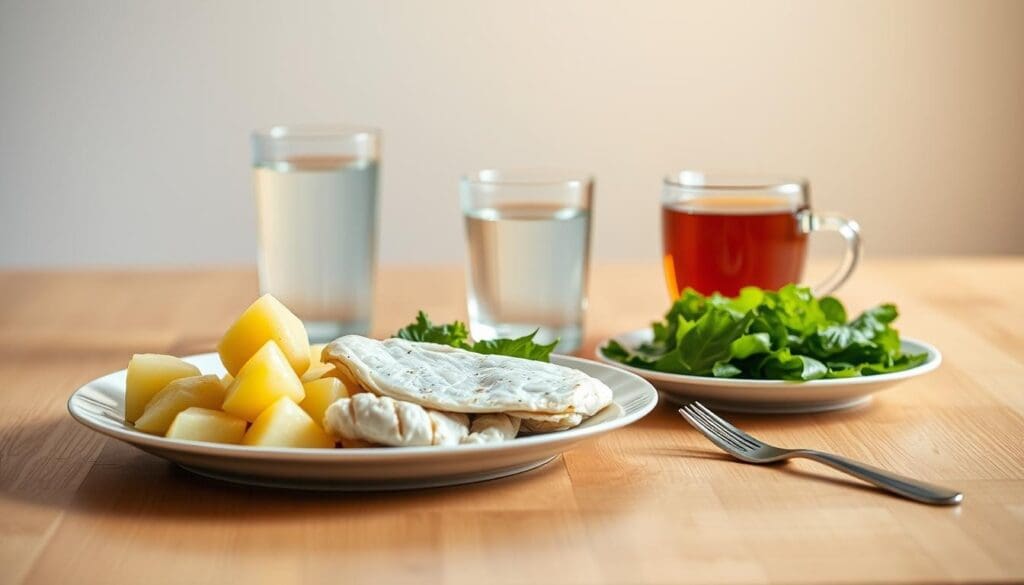
Good nutrition helps manage surgery side effects like nausea and fatigue. It also prevents infections and blockages. A diet full of nutrients helps tissues heal, boosts our immune system, and gives us energy to recover.
How Nutrition Affects Healing
Nutrition is crucial for healing after intestinal resection. We need proteins, vitamins, and minerals for tissue repair and regeneration. Proteins help fix damaged tissues and keep our immune system strong. Vitamins and minerals are important for healing and body functions.
A balanced diet with various foods is best. But, after bowel resection, some foods are easier to digest. Knowing which foods are good and how to add them to our diet is important.
The Gradual Approach to Post-Surgery Eating
After surgery, start with clear liquids and gradually move to solid foods. This helps avoid discomfort and reduces complications.
Patience is key during this time. Listen to your body and adjust your diet as needed. If foods upset you, wait until you’re further along in recovery. Getting advice from healthcare providers can help tailor your diet to your needs.
General Dietary Principles for Bowel Surgery Recovery
A well-planned diet is key for healing after bowel surgery. It helps avoid complications and supports recovery. Navigating post-surgery nutrition can seem tough, but with the right advice, patients can make good choices.
Low-Fiber, High-Protein, and Easy-to-Digest Focus
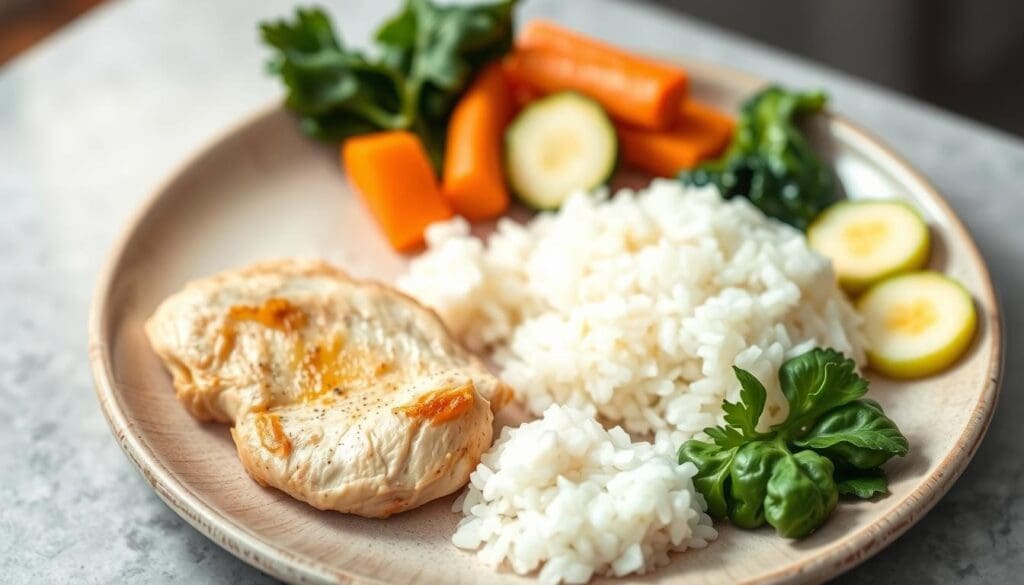
After surgery, the digestive system needs time to mend. Eating low-fiber, high-protein foods that are easy to digest helps. High-protein foods are crucial for repair and recovery. Lean meats, fish, eggs, and tofu are good examples.
Some important dietary tips include:
- Eating foods low in fiber to ease digestive strain
- Adding high-protein foods to aid in healing
- Choosing foods that are easy to digest to avoid discomfort
Portion Sizes and Meal Frequency
Portion sizes and meal frequency are also vital for recovery. Eating smaller, more frequent meals helps manage symptoms. It ensures the body gets the nutrients it needs without overloading the digestive system.
Here are some tips for managing portion sizes and meal frequency:
- Eating 5-6 small meals a day instead of 3 big ones
- Picking nutrient-dense foods to get the most from each meal
- Avoiding big meals at night to improve sleep and digestion
By following these dietary principles, patients can support their healing after bowel surgery. It’s also crucial to work with healthcare providers to customize dietary plans. This ensures the best recovery outcomes.
The First 4 Best Foods for Early Recovery
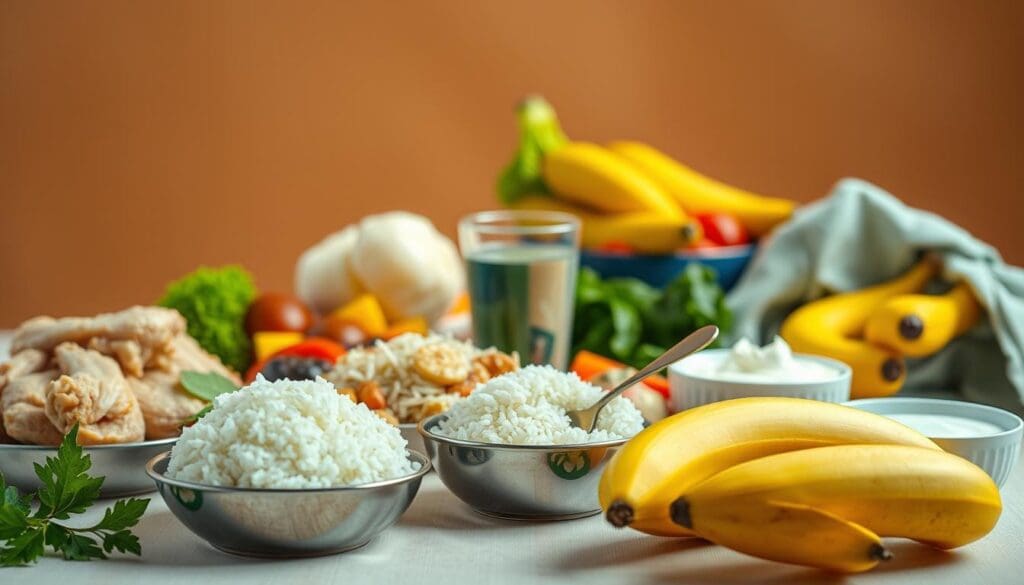
After bowel surgery, a good diet is key for a smooth recovery. The right foods can ease discomfort, aid healing, and lower risks. Start with foods that are easy to digest and full of nutrients.
1. White Toast and Crackers
White toast and crackers are great for early recovery. They are soft on the stomach and help firm up stool. Stick to plain, unbuttered options to avoid irritation.
2. White Rice
White rice is easy to digest after surgery. It’s low in fiber, which is gentle on the bowel. Pair it with mild foods for a balanced meal. It’s simple and helps with digestion early on.
3. Skinless Potatoes
Skinless potatoes are full of energy and gentle on the stomach. They can be boiled, mashed, or baked without the skin. They’re also rich in potassium, which is lost after surgery.
4. Bananas
Bananas are nutritious and easy to digest. They’re a good source of potassium and help replace lost electrolytes. Opt for ripe bananas for a gentler stomach.
The following table summarizes the benefits of these four foods:
| Food | Ease of Digestion | Nutritional Benefits |
| White Toast and Crackers | High | Carbohydrates for energy |
| White Rice | High | Low in fiber, easy to digest |
| Skinless Potatoes | High | Rich in potassium, energy source |
| Bananas | High | Potassium, electrolytes |
Adding these foods to your diet after intestinal resection can help a lot. They give you the nutrients you need while being easy on your stomach. This lets your body heal better.
Protein-Rich Foods That Promote Healing
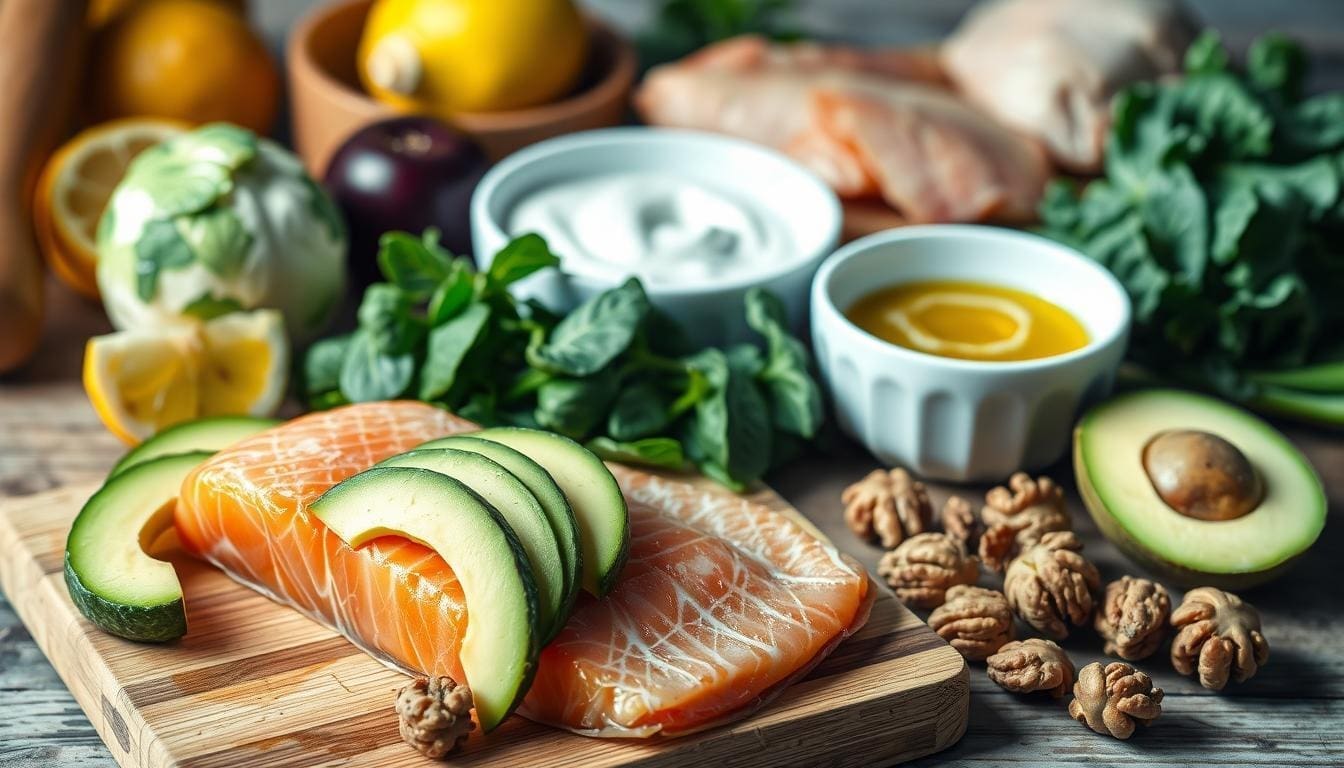
A diet rich in protein can help a lot after bowel surgery. Protein is key for fixing tissues, fighting off infections, and keeping you healthy while you recover. It’s good to eat different protein-rich foods to help your body heal.
Eggs: A Versatile Protein Source
Eggs are a great protein source that’s easy to add to your diet after surgery. You can boil, scramble, or make omelettes with them. Eggs have amino acids that help fix tissues and heal.
Lean Chicken
Lean chicken is a high-protein food that’s easy on your stomach. You can grill, bake, or boil it. It’s full of protein but low in fat, making it perfect for recovery.
Mild Fish
Mild fish like cod or tilapia are packed with protein and omega-3s. These fish are good for your stomach and have anti-inflammatory omega-3s. They’re great for your recovery diet.
Tofu
Tofu is a protein-rich option for those who don’t eat meat. It’s easy to digest and can be cooked in many ways. Tofu takes on flavors well, making it a great ingredient in many dishes.
Adding these protein-rich foods to your diet can really help with healing after bowel surgery. Here’s a quick look at what they offer:
| Food | Protein Content | Benefits |
| Eggs | 6-7 grams per large egg | Rich in essential amino acids, versatile |
| Lean Chicken | 30-31 grams per 3-ounce serving | Low in fat, high in protein |
| Mild Fish | 20-25 grams per 3-ounce serving | Rich in omega-3 fatty acids, anti-inflammatory |
| Tofu | 9-20 grams per 3-ounce serving | Versatile, easily digestible, non-meat protein source |
By eating these protein-rich foods, you can help your body heal faster and make your recovery smoother after bowel surgery.
Dairy Products That Support Bowel Health
Dairy products with probiotics and protein are good for bowel health after surgery. They help the body recover by providing important nutrients.
9. Yogurt with Probiotics
Yogurt, especially with live cultures or probiotics, is very helpful. Probiotics keep the gut healthy, which is key for digestion. Choose plain, unflavored yogurt to avoid sugars.
The probiotics in yogurt can lower the chance of diarrhea and other digestive problems after surgery.
10. Cottage Cheese
Cottage cheese is great for bowel health too. It’s packed with protein, which helps with healing. Its soft texture is easy on the bowel during recovery.
It’s also full of calcium, which is good for health overall.
Start with small amounts of dairy after surgery and watch how your body reacts. If you feel uncomfortable or have digestive issues, talk to your doctor for advice.
Gentle Fruits and Vegetables
Choosing the right fruits and vegetables is key after bowel surgery. They help in a smooth recovery. Gentle options are easy on the stomach and full of nutrients for healing.
11. Applesauce
Applesauce is great after bowel surgery because it’s easy to digest. It’s low in fiber and high in carbs, perfect for early recovery. It’s also packed with antioxidants to help with healing and reduce inflammation.
12. Well-Cooked Carrots
Well-cooked carrots are a soft and easy vegetable for your diet after surgery. They’re cooked to be gentle on your stomach. Plus, they’re full of vitamins and minerals, like vitamin A, which aids in healing.
| Nutritional Aspect | Applesauce | Well-Cooked Carrots |
| Fiber Content | Low | Moderate |
| Antioxidants | High | High |
| Vitamin A | Low | High |
Foods and Beverages to Avoid After Bowel Surgery
Recovering from bowel surgery means making smart food choices. Some foods can upset your stomach, cause pain, or even lead to serious issues. We’ll tell you which foods and drinks to steer clear of during your recovery.
High-Fiber Foods
High-fiber foods are good for you, but tough on your stomach after surgery. Beans, cabbage, broccoli, and whole grains can make you feel bloated and uncomfortable. Start by avoiding these foods and slowly add them back in as you get better.
Alcohol and Caffeine Restrictions
Alcohol and caffeine can upset your stomach and slow healing. Alcohol can also mix badly with your post-surgery meds. It’s best to skip alcohol and cut down on caffeine until your doctor says it’s okay to go back to normal.
Spicy and Fatty Foods
Spicy foods can bother your stomach, and fatty foods are hard to digest. They might make you feel sick or lead to diarrhea. Stick to mild, easy-to-digest foods when you’re first getting better.
Being careful with your diet is key to a smooth recovery. Avoiding foods that can upset your stomach is a big step towards getting better safely.
Timeline for Post Bowel Resection Diet Progression
Knowing when to start eating after bowel surgery is key for a good recovery. The diet starts with clear liquids and moves to solid foods over weeks.
Clear Liquids to Soft Foods: The First Week
Right after surgery, patients start with clear liquids. This includes broths, clear soups, and drinks like coconut water. As healing begins, they can add soft foods like plain toast and applesauce.
It’s important to listen to your doctor about how fast to move through these changes. Everyone heals differently.
Gradual Expansion of Diet: Weeks 2-6
By weeks 2 to 6, patients can add more foods to their diet. They can try cooked veggies, lean proteins, and small amounts of dairy. Remember to chew well and eat slowly.
Keeping a food diary is helpful. It helps track how well you can handle new foods and find any that upset your stomach.
Returning to Normal Eating: Beyond 6 Weeks
After six weeks, most people can start eating like they did before surgery. But, this depends on the surgery and how fast you heal. Be careful with foods that are hard to digest, like those high in fiber or fat.
It’s good to keep seeing your doctor. They can help adjust your diet as you get better.
| Timeframe | Dietary Recommendations | Food Examples |
| First Week | Clear liquids to soft foods | Broths, clear soups, plain toast, applesauce |
| Weeks 2-6 | Gradual introduction of more texture and variety | Cooked vegetables, lean proteins, dairy products |
| Beyond 6 Weeks | Returning to normal eating habits | Most foods, with caution on high-fiber, spicy, or fatty foods |
Customizing Your Diet After Intestinal Resection
Creating a diet plan that fits you after intestinal resection is crucial. Everyone’s nutritional needs are different. The type of bowel surgery also plays a big role in these needs.
Working with Your Healthcare Team
To make a good dietary plan, you need to work closely with your healthcare team. This team includes a surgeon, a dietitian, and others. They can give you advice based on your condition and surgery type.
- Discuss your dietary preferences and restrictions with your healthcare provider.
- Follow the recommended dietary progression to ensure a smooth recovery.
- Be open about any difficulties you’re experiencing with your current diet.
Adjusting for Specific Types of Bowel Surgery
The type of bowel surgery you’ve had affects your diet. For example, those who had a colectomy might need a different diet than those who had a proctectomy.
- Understand the specific implications of your surgery on your diet.
- Adjust your food intake based on your body’s response to different foods.
- Keep a food diary to track how different foods affect your recovery.
By customizing your diet for your specific needs and surgery type, you can improve your recovery.
Conclusion: Nourishing Your Body for Optimal Recovery
Recovering from bowel surgery needs careful thought about what you eat. A good diet is key to healing, avoiding problems, and feeling better. Eating right after surgery helps your body recover well.
We’ve talked about the foods you should and shouldn’t eat. Eating foods that are easy to digest and high in protein is helpful. It’s also important to slowly add more foods to your diet. Always talk to your healthcare team about your diet to make sure it’s right for you.
Being healthy and focused on recovery can help you heal faster. Eating the right foods and drinks supports your recovery. This approach can lead to better health and a better life.
FAQ
When can I drink alcohol after bowel surgery?
It’s best to avoid alcohol for a few weeks after surgery. It can upset your stomach and slow healing. Always check with your doctor before drinking again.
What is the recommended diet following bowel resection?
Eat foods low in fiber and high in protein after surgery. Good choices include white toast, lean chicken, and bananas. Your doctor will help create a diet plan just for you.
What can you eat after bowel surgery?
Start with clear liquids and then soft foods like white rice and yogurt. Avoid foods high in fiber, spice, or fat at first.
How long after bowel surgery can you eat normally?
It varies by person and surgery type. It might take weeks or months to eat like before. Always follow your doctor’s advice on diet.
What foods should I avoid after bowel resection surgery?
Stay away from high-fiber, spicy, and fatty foods. Also, avoid alcohol and caffeine. Your doctor will tell you when it’s okay to try these foods again.
Can I eat dairy products after bowel surgery?
Yes, some dairy like yogurt and cottage cheese can help. Choose low-fat or mild options to avoid discomfort.
How can I manage my diet after bowel surgery?
Eat small meals often and choose foods low in fiber and high in protein. Avoid foods that irritate your stomach. Work with your doctor to create a diet plan that’s right for you.
What are the best foods to eat after bowel surgery?
Good choices include white toast, white rice, lean chicken, and bananas. These foods are easy on your stomach and help with healing.
How long does it take to recover from bowel resection surgery?
Recovery time varies by person and surgery type. It can take weeks to months to fully recover. A gradual diet plan can help.
Can I customize my diet after intestinal resection?
Yes, your diet should be tailored to your needs after surgery. Work with your doctor to create a diet plan that supports your recovery and health.
References:
Ljubičić, N., et al. (2015). Biliary leakage after urgent cholecystectomy. Journal of Hepato-Biliary-Pancreatic Sciences. Retrieved fromhttps://pmc.ncbi.nlm.nih.gov/articles/PMC4436923