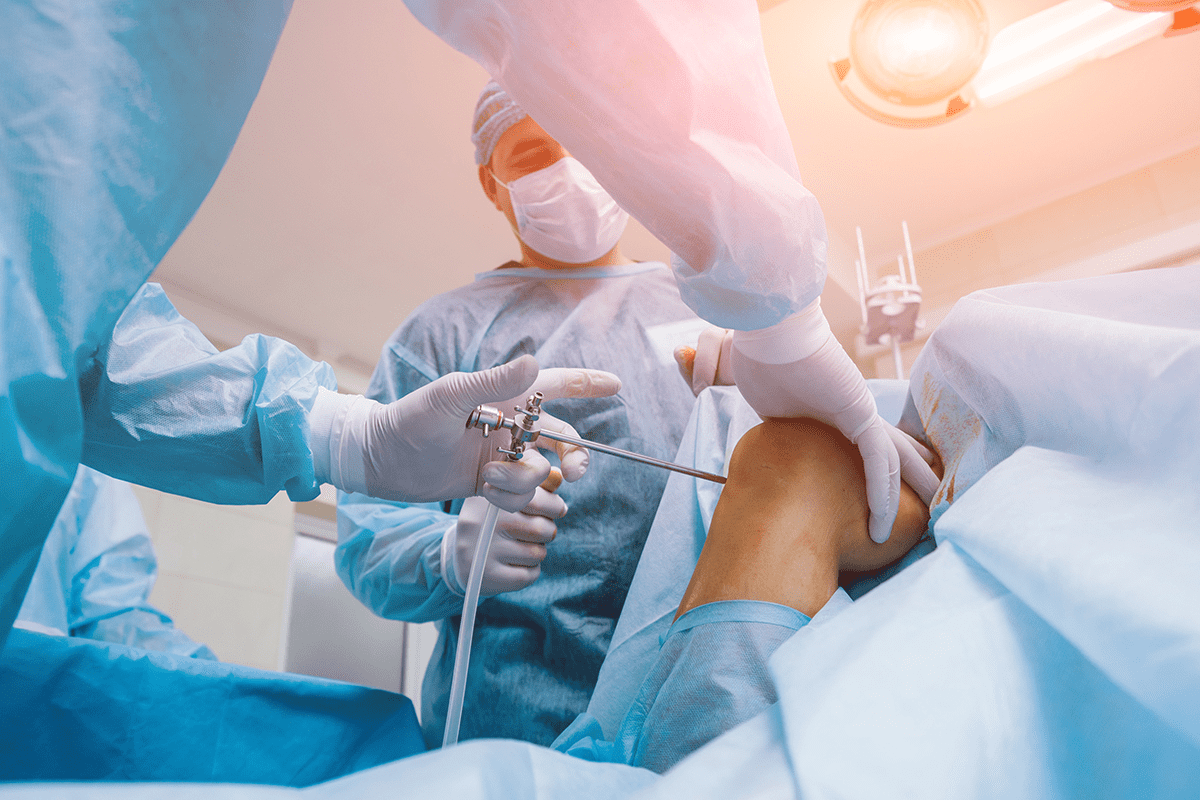
Last Updated on November 26, 2025 by Bilal Hasdemir
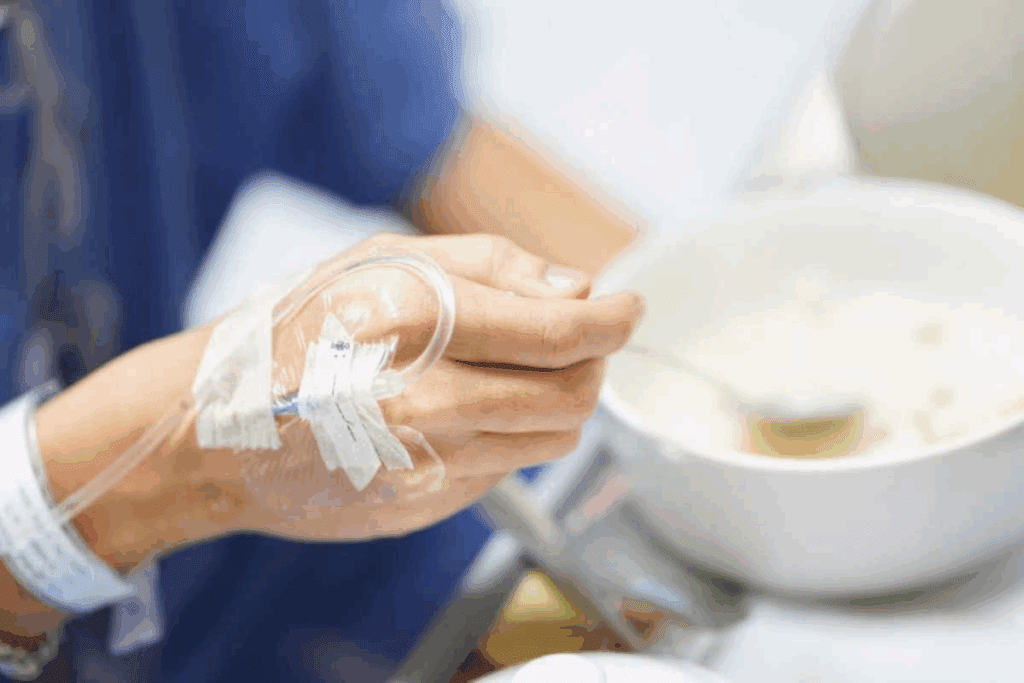
A balanced and individualized diet is key for rectal cancer patients. It’s important to eat lean proteins like poultry and fish. Also, include whole grains, a variety of fruits and vegetables, and healthy fats to support recovery and health. Discover the best diet for rectal cancer with foods to eat and avoid for faster recovery and better health.
Eating a nutrient-dense diet helps keep your body and immune system strong during treatment. Experts say to eat enough calories, protein, and fiber. Also, drink plenty of water to manage treatment side effects.
Key Takeaways
- Eat lean proteins like poultry and fish to support recovery.
- Incorporate whole grains, fruits, and vegetables into your diet.
- Healthy fats are essential for overall health and well-being.
- Stay hydrated to manage treatment side effects.
- Avoid red and processed meats to reduce cancer risk.
The Critical Role of Diet for Rectal Cancer Patients

Nutrition plays a big role in the treatment journey of rectal cancer patients. It affects their recovery and quality of life. A good diet for rectal cancer patients is more than just eating right. It’s about helping the body through treatment challenges.
People with cancer often need more nutrients. Treatments like chemotherapy can be hard on the body. Studies show that a high-fiber diet may lower death risk in colon cancer patients. This shows how important a careful colorectal cancer diet is.
How Nutrition Affects Treatment Outcomes
The nutritional status of a rectal cancer patient can greatly affect their treatment results. Good nutrition helps in:
- Maintaining strength and energy levels
- Supporting the body’s healing and recovery
- Reducing the risk of treatment-related complications
- Improving overall well-being and quality of life
Health experts say a well-balanced diet is key for cancer patients. It helps the body deal with the disease and its treatment. This is very true for rectal cancer patients, where diet is key to recovery.
Balancing Nutritional Needs During Cancer Care
During cancer care, balancing nutritional needs means making smart food choices. It’s important to eat nutrient-rich foods that give the body what it needs. A colorectal cancer diet plan should be made just for the patient. It should consider their treatment phase and health.
- Adjusting calorie intake to maintain a healthy weight
- Increasing protein consumption to support healing
- Staying hydrated to help the body function optimally
- Managing side effects through dietary adjustments
By focusing on these points, patients can help their bodies through treatment. This can lead to better outcomes and a better quality of life.
Protein Power: Essential Sources for Recovery
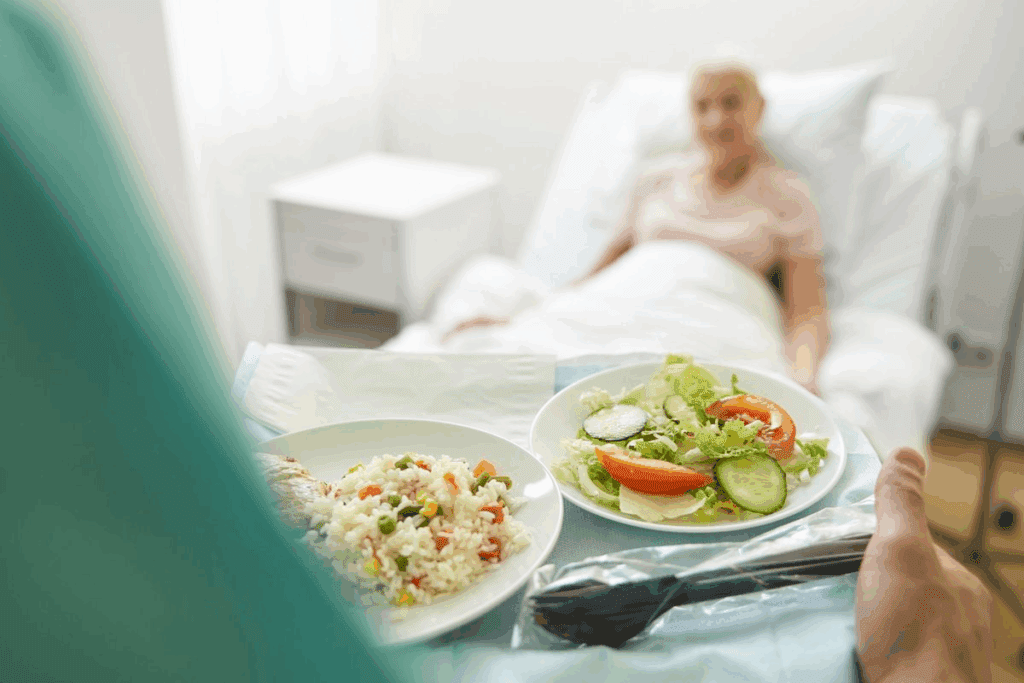
Protein is key for rectal cancer patients to heal and stay healthy. It helps fix tissues, keeps muscles strong, and boosts the immune system during treatment.
Tip 1: Choose Lean Animal Proteins
Lean proteins like poultry and fish are good for rectal cancer patients. They’re packed with protein and nutrients like vitamin D, calcium, and omega-3s. These can lower inflammation linked to colon cancer.
Some examples of lean animal proteins include:
- Chicken breast
- Turkey
- Fish (salmon, cod, and tilapia)
- Lean beef (sirloin, tenderloin)
Tip 2: Incorporate Plant-Based Protein Alternatives
For those who prefer or need plant-based options, there are many high-protein foods. These can add fiber and antioxidants to your diet.
Examples of plant-based protein sources include:
- Legumes (lentils, chickpeas, black beans)
- Nuts and seeds (almonds, chia seeds, hemp seeds)
- Tofu and tempeh
- Whole grains (quinoa, farro)
Proteins to Limit or Avoid with Colorectal Cancer
Choosing the right protein is important. Some proteins, like those high in saturated fats and processed meats, may raise cancer risk or complications.
Proteins to limit or avoid include:
- Processed meats (hot dogs, sausages, bacon)
- High-fat meats (processed deli meats, high-fat beef)
To understand the impact of different proteins on colorectal cancer, let’s look at the nutritional benefits of various protein-rich foods:
| Protein Source | Nutritional Benefits | Impact on Colorectal Cancer |
| Lean Fish (Salmon) | High in omega-3 fatty acids, vitamin D | May reduce inflammation, support overall health |
| Legumes (Lentils) | Rich in fiber, protein, antioxidants | Supports digestive health, may reduce cancer risk |
| Processed Meats (Hot Dogs) | High in sodium, saturated fats | May increase cancer risk, complications |
| Nuts and Seeds (Almonds) | High in healthy fats, antioxidants | Supports overall health, may reduce inflammation |
Carbohydrates and Fiber: Optimizing Your Diet for Rectal Cancer
For rectal cancer patients, it’s key to focus on carbs and fiber. A diet full of whole grains and complex carbs helps a lot. It boosts recovery and improves overall health.
Tip 3: Select Whole Grains and Complex Carbohydrates
Whole grains are essential for a healthy diet for rectal cancer patients. They’re packed with nutrients like B vitamins and antioxidants. Whole grains like brown rice and whole-wheat bread give you energy and help with digestion.
Complex carbs in whole grains, veggies, and legumes digest slowly. This keeps your blood sugar steady. It’s good for energy during treatment. Try to eat different whole grains to get more nutrients.
Tip 4: Adjust Fiber Intake Based on Treatment Phase
Fiber is important for your gut, but you might need to change how much you eat based on treatment. When you’re in certain treatments, a low-fiber diet might help avoid stomach issues. But, a high-fiber diet can help with bowel movements and gut health when treatments are less intense.
Talk to your doctor about how much fiber you should eat. Foods like fruits, veggies, and whole grains are high in fiber. Slowly adding more fiber and drinking plenty of water can help with constipation or diarrhea.
In summary, choosing the right carbs and fiber is very helpful for rectal cancer patients. By picking whole grains and adjusting fiber intake, patients can meet their nutritional needs. This supports their health during treatment.
Fruits and Vegetables: Cancer-Fighting Powerhouses
Eating a variety of fruits and vegetables is a simple way to boost your nutrition. These foods are full of vitamins, minerals, fiber, and antioxidants. They are key for keeping you healthy and strong.
Prioritize Antioxidant-Rich Produce
Antioxidants protect cells from damage by free radicals, which can lead to cancer. Antioxidant-rich produce includes many fruits and vegetables. Adding these to your diet can help manage treatment side effects and aid in recovery.
Some top antioxidant-rich foods are:
- Berries such as blueberries, strawberries, and raspberries
- Leafy greens like spinach and kale
- Cruciferous vegetables including broccoli and cauliflower
- Colorful bell peppers and tomatoes
Best Fruits for Colon Cancer Patients
Fruits are not only tasty but also full of nutrients that support health during treatment. Fruits for colon cancer patients should be high in fiber, vitamins, and antioxidants. Some good fruits include:
| Fruit | Nutritional Benefits |
| Apples | High in fiber, which can help regulate bowel movements |
| Bananas | Easy to digest and a good source of potassium |
| Oranges | Rich in vitamin C, which supports immune function |
Vegetables That Support Digestive and Colorectal Health
Vegetables are vital for a healthy digestive system and colorectal health. Vegetables for colorectal health should be rich in fiber, vitamins, and minerals. Some of the most beneficial include:
- Carrots, which are high in vitamin A and fiber
- Green beans, a good source of vitamins and minerals
- Peas, rich in protein and fiber
By eating a variety of fruits and vegetables, you can support your health. This can also help improve your treatment response.
Fats and Oils: Making Smart Choices
Fats are important for recovery and health, even for those with rectal cancer. They give us energy and help us absorb vitamins. But, not all fats are good for us. Choosing wisely is essential.
Tip 7: Include Healthy Fats That Support Recovery
Unsaturated fats are great for recovery. You can find them in nuts, seeds, avocados, and olive oil. Nuts, for example, are full of healthy fats, fiber, and vitamins.
Nuts and Seeds: Rich in Healthy Fats
- Almonds: High in vitamin E and magnesium
- Walnuts: Rich in omega-3 fatty acids
- Chia Seeds: Packed with fiber and antioxidants
Tip 8: Eliminate Harmful Fats from Your Diet
But, some fats are bad for us. Saturated and trans fats are found in processed foods. Eating too much of these can harm our hearts.
| Foods High in Harmful Fats | Health Impact |
| Processed Meats | Increased risk of heart disease |
| Deep-Fried Foods | Higher cholesterol levels |
| Baked Goods with Partially Hydrogenated Oils | Lowered good cholesterol, increased bad cholesterol |
Choosing healthy fats and avoiding bad ones can help those with rectal cancer. It’s about making choices that help manage the condition and support a healthy diet.
Hydration and Beverages for Rectal and Anal Cancer Patients
Keeping well-hydrated is key for rectal and anal cancer patients. It helps keep energy up and aids in recovery during treatment. We’ll look at why staying hydrated is important and which drinks are good or bad for patients.
Tip 9: Maintain Optimal Hydration Levels
For those fighting rectal and anal cancer, drinking water is a must. Water intake is a top priority for keeping the body working right and helping it heal. Aim for eight glasses a day, but needs can change based on treatment.
Some might need IV hydration during tough treatment times. Always listen to your doctor about how much water you need.
Tip 10: Beverages to Embrace and Avoid
Not all drinks are good for patients with rectal and anal cancer. Good choices include water, herbal teas, and clear broths. These keep you hydrated without upsetting your stomach.
But, drinks with lots of sugar, caffeine, or bubbles are bad. Stay away from soda, caffeinated drinks, and alcohol while you’re being treated.
- Recommended beverages:
- Water
- Herbal teas
- Clear broths
- Beverages to limit or avoid:
- Soda
- Caffeinated drinks
- Alcoholic beverages
Choosing the right drinks can help rectal and anal cancer patients stay healthy and recover better during treatment.
Foods to Strictly Avoid with Colorectal Cancer
Managing your diet is key when you have colorectal cancer. Knowing which foods to avoid can help manage symptoms and aid in recovery. The right foods can make a big difference in your health and treatment success.
Tip 11: Eliminate Processed Foods and Meats
Processed foods and meats are bad for colorectal cancer patients. Studies show that processed meat is linked to cancer. Red meat is also risky.
Stay away from sausages, bacon, and ham. Try to eat less red meat too.
High-Sugar Foods and Their Negative Impact
High-sugar foods are bad for health, worse for colorectal cancer patients. They can cause weight gain and inflammation. This can hurt treatment results.
Watch out for hidden sugars in snacks, drinks, and desserts.
Additional Foods That May Aggravate Symptoms
Other foods can make symptoms worse. Foods high in fat, like saturated and trans fats, can upset your stomach.
Spicy foods can also bother your stomach. Foods high in fiber are usually good, but adjust them if needed during treatment.
| Food Category | Examples | Reason to Avoid |
| Processed Meats | Sausages, Bacon, Ham | Carcinogenic to humans |
| High-Sugar Foods | Sweetened Beverages, Desserts, Processed Snacks | Contributes to weight gain, insulin resistance, and inflammation |
| High-Fat Foods | Foods high in saturated and trans fats | Causes digestive discomfort |
Choosing the right foods is important for colorectal cancer care. Avoiding bad foods and eating well can help your treatment and health.
Personalized Diet for Rectal Cancer: Treatment-Specific Considerations
Rectal cancer patients have different nutritional needs. A personalized diet is key for their care. Everyone’s eating abilities and nutritional needs are unique. Working with a registered dietitian can help create a tailored eating plan.
Tip 12: Adapt Your Diet Throughout Your Cancer Journey
Rectal cancer patients’ dietary needs change as they go through treatment. It’s important to adjust your diet to manage side effects and keep nutritional balance. For example, during chemotherapy, focus on foods that are easy to digest and rich in electrolytes.
Nutritional adjustments are not a one-time task. They are an ongoing process that needs continuous monitoring and adaptation.
Colorectal Cancer Diet Before and After Surgery
Before surgery, patients are often told to follow a low-fiber diet to lower the risk of complications. After surgery, the focus is on healing and recovery. Emphasize nutrient-rich foods that support tissue repair.
- Eat small, frequent meals to manage digestive discomfort.
- Incorporate foods high in protein to support healing.
- Stay hydrated with adequate fluids.
Nutritional Support During Chemotherapy and Radiation
Keeping up with nutrition during chemotherapy and radiation can be tough due to side effects like nausea and diarrhea. Nutritional support during this time is vital to prevent malnutrition and help the body recover.
Patients may benefit from eating high-calorie, nutrient-dense foods. Avoid foods that can make side effects worse.
Special Considerations for Anal Cancer Diet
Anal cancer patients have unique dietary needs, mainly if they get radiation therapy. This can cause gastrointestinal side effects. A tailored diet can help manage these effects and improve quality of life.
It’s vital for anal cancer patients to work closely with their healthcare team. Develop a dietary plan that meets their specific needs and addresses treatment-related side effects.
Conclusion: Building Your Sustainable Nutrition Plan for Recovery
A well-planned diet is key for recovery and health in rectal cancer patients. A sustainable nutrition plan helps patients through their treatment and beyond.
By following dietary tips, individuals with rectal cancer can make better food choices. This means eating lean proteins, whole grains, and fruits and vegetables rich in antioxidants. It’s also important to avoid processed and high-sugar foods.
A sustainable nutrition plan is not just for recovery. It’s for overall well-being during the cancer journey. We stress the need to adjust your diet to your specific needs at different treatment phases. This includes rectal cancer and bowel cancer and nutrition considerations.
By choosing healthy foods, patients can actively support their care. This helps their overall health and strength during and after treatment.
FAQ
What is the best diet for rectal cancer patients?
Patients should eat lean proteins, whole grains, fruits, vegetables, and healthy fats. This diet supports recovery and health.
How does nutrition affect treatment outcomes for rectal cancer?
Good nutrition is key during treatment. It helps manage side effects and improves outcomes.
What are the best protein sources for rectal cancer patients?
Lean meats like poultry, fish, and lean beef are good. Also, plant-based options like legumes and tofu are excellent.
Which carbohydrates are recommended for rectal cancer patients?
Choose whole grains like brown rice and quinoa. They are rich in fiber and nutrients.
Are there specific fruits and vegetables that can help fight colorectal cancer?
Yes, foods like berries and leafy greens have cancer-fighting properties. They support digestive health too.
What types of fats and oils are healthy for rectal cancer patients?
Avocado, nuts, and olive oil are healthy fats. Avoid saturated and trans fats.
How important is hydration for rectal and anal cancer patients?
Staying hydrated is vital. Drink water, herbal teas, and clear broths to support hydration.
What foods should be avoided by colorectal cancer patients?
Avoid processed foods, high-sugar foods, and spicy or high-fiber foods during treatment.
How can I adapt my diet throughout my cancer journey?
Work with a healthcare professional to adjust your diet. Consider your treatment phase and nutritional needs.
Are there special dietary considerations for anal cancer patients?
Yes, anal cancer patients may need specific dietary adjustments. A personalized diet plan is helpful.
What is the importance of a colorectal cancer diet plan before and after surgery?
A good diet before and after surgery supports recovery. It helps manage side effects and promotes health.
How can nutrition support help during chemotherapy and radiation?
A balanced diet provides essential nutrients during treatment. It reduces malnutrition and side effects risks.
References:
Park, S., et al. (2024). Associations of cholecystectomy with metabolic health: A large population-based retrospective cohort study. Scientific Reports, 14, 12345. Retrieved from https://www.nature.com/articles/s41598-024-53161-6