Last Updated on November 27, 2025 by Bilal Hasdemir
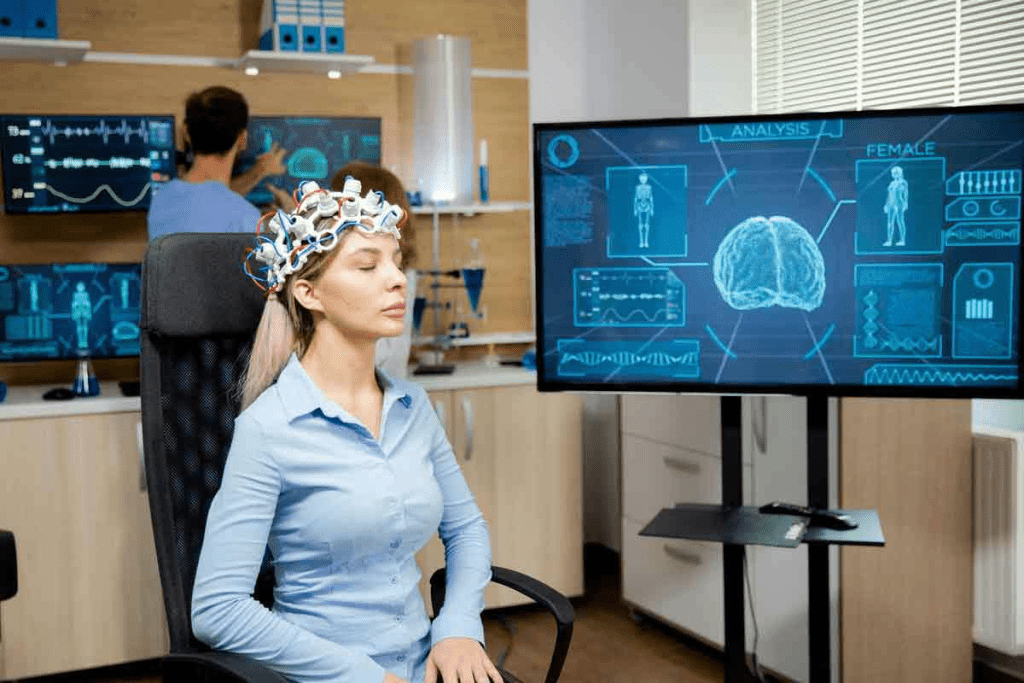
At Liv Hospital, we know picking the right imaging method is key to diagnosing complex diseases. MRI and PET scans are two powerful tools with different uses in medicine. MRI scans use strong magnets and radio waves to show detailed images of soft tissues, while PET scans use a radioactive tracer to see how cells are functioning. Understanding the difference between mri and pet ct scan is vital for achieving the best results. We will explore how these two imaging methods differ, their uses, when to use each, and more. For more on MRI and PET scans, stay tuned.
Key Takeaways
- MRI scans provide detailed images of soft tissues using strong magnets and radio waves.
- PET scans visualize metabolic activity at the cellular level using a radioactive tracer.
- Understanding the differences between MRI and PET scans is vital for the best results.
- The choice between MRI and PET scans depends on the patient’s specific needs.
- Both imaging techniques have unique uses in medicine and are applied in different scenarios.
Understanding Medical Imaging Technologies
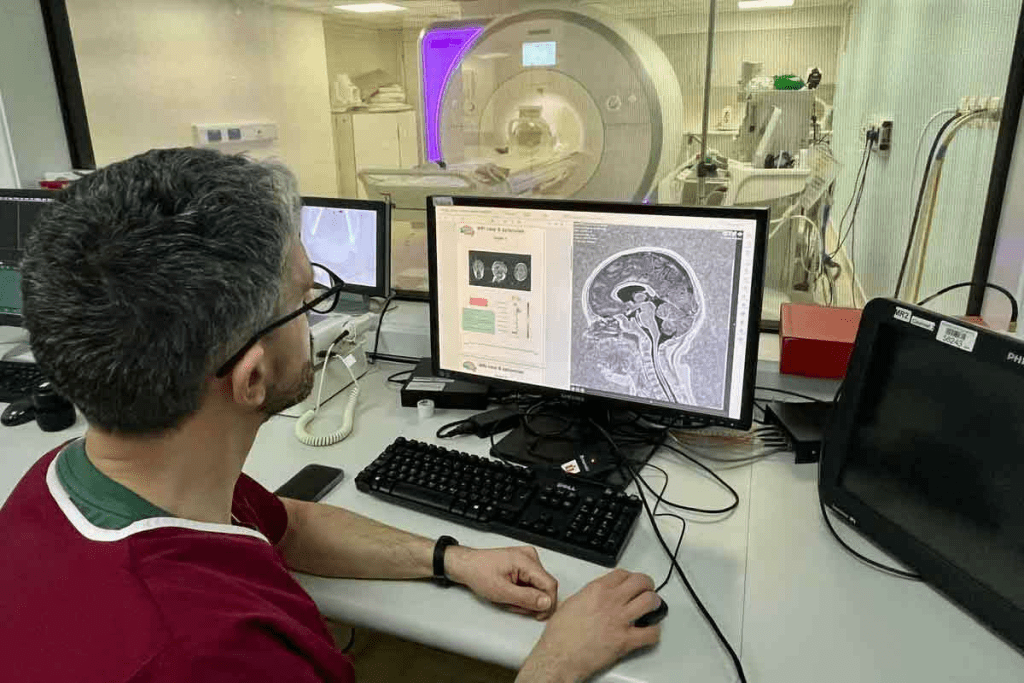
Medical imaging has changed a lot, making it clearer and more precise. MRI and PET scans are now key in medicine. They help doctors see inside the body like never before.
The Evolution of Diagnostic Imaging
Diagnostic imaging has changed a lot over time. It started with X-rays and now we have MRI and PET scans. These tools help us understand the body and find diseases early.
CT scans came in the 1970s, showing body parts in slices. MRI came later, showing soft tissues without radiation. These changes have made diagnosing easier.
The Role of Advanced Imaging in Modern Medicine
MRI and PET scans are very important today. They help doctors find diseases early and see how treatments work. They also help with surgeries.
It’s important to know the difference between PET versus MRI. MRI shows body parts well, while PET scans show how the body works. Each has its own use.
| Imaging Modality | Primary Use | Key Benefits |
| MRI | Soft tissue imaging, neurological disorders | High-resolution images, no radiation |
| PET Scan | Metabolic activity, cancer detection | Early disease detection, functional information |
Knowing the difference between PET scan and MRI helps doctors pick the right tool. MRI is great for body details, while PET scans show how the body works. This is key for diseases like cancer.
Choosing between mri scan vs. a PET scan depends on what the doctor needs to know. Using both helps doctors give better care and treatments.
How MRI Technology Works
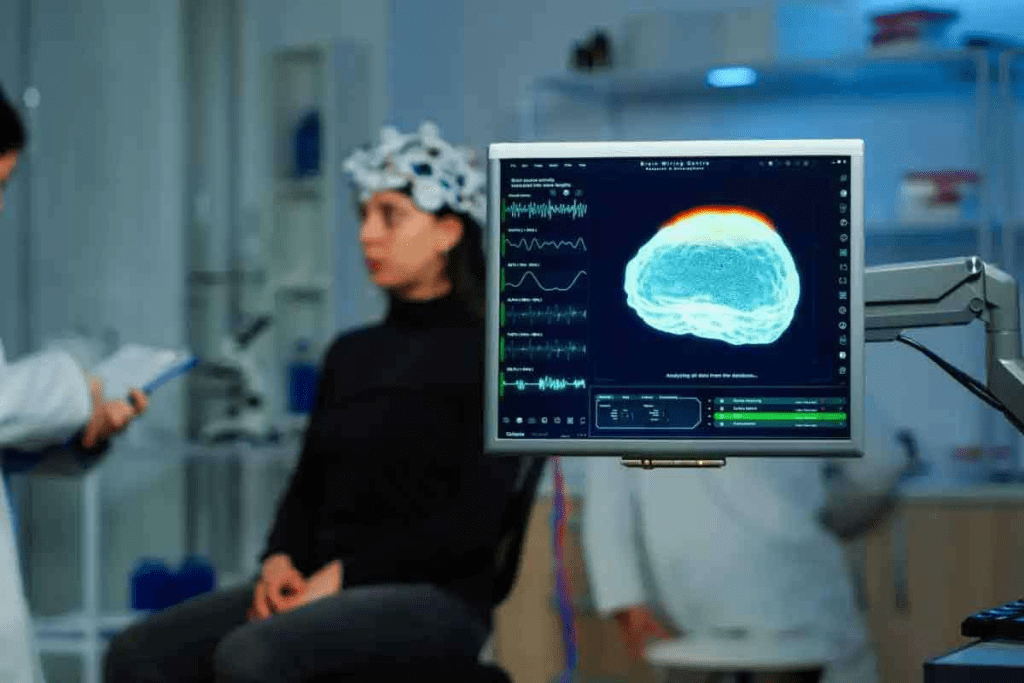
MRI technology uses strong magnetic fields and radio waves to create detailed images of the body’s inside. It does this without using harmful radiation. This method is key in medical diagnosis, showing soft tissues and organs in great detail.
The Science Behind Magnetic Resonance Imaging
MRI works because of hydrogen atoms in the body, mainly in water. When a person is in the MRI machine, a strong magnetic field lines up these atoms. Then, radio waves disturb them, causing them to send signals as they realign.
These signals are caught by the MRI machine. It uses them to make detailed pictures of what’s inside the body.
The steps are:
- The patient gets into the MRI scanner, a big machine with a strong magnet.
- A strong magnetic field is applied, aligning the hydrogen nuclei.
- Radiofrequency pulses are applied to disturb the aligned nuclei.
- As the nuclei return to their aligned state, they emit signals, which are captured by the MRI machine.
- These signals are then processed to create detailed images.
Types of MRI Machines and Procedures
There are many MRI machines, each for different needs. The most common types include:
- Standard MRI Machines: These are the most used, good for many imaging tasks.
- Functional MRI (fMRI): Mainly for brain function, it shows brain activity by blood flow changes.
- Open MRI Machines: For those who fear being closed in or are bigger, they offer more space.
- Wide-Bore MRI Machines: These have a bigger inside, better for larger patients or those needing more room.
There are also special MRI procedures. For example, contrast-enhanced MRI uses a dye to highlight areas. Magnetic resonance angiography (MRA) focuses on blood vessels.
Knowing about different MRI machines and procedures helps doctors pick the best one for each patient. This ensures accurate diagnoses and effective treatments.
How PET Scan Technology Works
PET scans use small amounts of radioactive tracers to see how the body works. This tech is key in finding and treating diseases like cancer, brain issues, and heart problems.
First, a radioactive tracer is given to the patient. The most used one is Fluorodeoxyglucose (FDG). It’s a sugar molecule with a radioactive tag. Cancer cells eat more sugar than normal cells, so they take in more FDG. This makes them show up on the scan.
The Science of Positron Emission Tomography
PET scans detect the radiation from a special kind of particle called a positron. When a positron meets an electron, they both disappear, making gamma rays. These rays are what the scanner picks up.
The scanner has detectors that find these gamma rays. It uses this info to make detailed pictures of where the tracer is in the body. This shows where the body is most active.
Radioactive Tracers and Their Function
Radioactive tracers are the heart of PET scans. They help see how the body works in different ways. For example, Fluorodeoxyglucose (FDG) shows how much sugar the body uses.
Which tracer is used depends on what the doctor wants to know. For cancer, FDG-PET scans are very helpful. They help find tumors, see how big they are, and check if treatment is working.
- Types of Tracers: There are many tracers, each for a different body process.
- Clinical Applications: Tracers help doctors in many fields, like cancer, brain, and heart diseases.
- Tracer Selection: Choosing the right tracer is very important for the right diagnosis.
Understanding PET scans helps us see their importance in medicine. They give doctors the info they need to make better treatment plans. This leads to better health outcomes for patients.
The Fundamental Difference Between MRI and PET CT Scan
It’s important to know how MRI and PET CT scans work differently. This helps doctors make the right diagnosis. We’ll look at how these scans show the body in different ways.
Structural vs. Functional Imaging
MRI gives detailed pictures of organs and tissues. It’s great for checking the brain, spine, and muscles. PET scans, on the other hand, show how active cells are in the body. This helps find problems.
MRI looks at the body’s structure, like size and shape. PET scans look at how well things work. This is a big difference in what they do.
Radiation Exposure Considerations
Choosing between MRI and PET CT scans also depends on radiation. MRI doesn’t use harmful radiation. This makes it safer for people who need many scans or are worried about radiation. PET scans use radioactive tracers, which emit radiation.
Here’s a quick look at radiation levels:
| Imaging Modality | Radiation Exposure |
| MRI | No ionizing radiation |
| PET CT Scan | Involves radioactive tracers, emitting radiation |
Knowing these differences helps doctors pick the right scan for each patient.
Clinical Applications of MRI Scans
Magnetic Resonance Imaging (MRI) scans are key in diagnosing many medical conditions. They give detailed images of soft tissues. This helps us see inside the body without using radiation.
One big plus of MRI is its ability to show soft tissues clearly. This makes it vital for many medical uses. It helps us diagnose and keep track of different health issues.
Neurological Disorders and Brain Imaging
MRI scans are very useful for finding neurological problems. They show the brain and spinal cord in detail. This helps us spot tumors, multiple sclerosis, and spinal injuries.
For example, MRI helps find the damaged areas in a stroke. A study on the National Center for Biotechnology Information (NCBI) website shows MRI’s important role in early detection and treatment.
Musculoskeletal Conditions and Soft Tissue Assessment
MRI is also used a lot for muscle and bone problems. It shows muscles, tendons, and ligaments clearly. This helps us find injuries like torn ligaments and herniated discs.
It’s also great for looking at soft tissue tumors and infections. This helps doctors plan surgeries and other treatments.
Cardiovascular Applications
MRI is used in heart health, too. It looks at the heart’s structure and function. It can spot problems like coronary artery disease and heart failure.
Using MRI scans helps us make more accurate diagnoses. This leads to better care and outcomes for patients.
Clinical Applications of PET Scans
PET scans are used in many areas, like oncology, neurology, and cardiology. They give important information that helps doctors diagnose and treat patients.
Oncology and Cancer Detection
PET scans are key in finding and tracking cancer. They show where cancer cells are active. This helps doctors know how far the cancer has spread and if treatments are working.
A study in the National Library of Medicine shows how vital PET scans are for cancer care.
They help doctors see if cancer is getting worse or better. This lets them change treatment plans to help patients more.
Neurological Disorders and Brain Function
In neurology, PET scans check how the brain works. They find where the brain isn’t working right, like in Alzheimer’s disease. They also help with epilepsy and other brain problems.
PET scans give deep insights into brain health. This helps doctors understand and treat brain diseases better.
Cardiac Viability Assessment
In cardiology, PET scans check if the heart muscle is alive. This is important for patients with heart disease or after a heart attack. It helps doctors decide the best treatment.
PET scans show how well the heart is working. This helps doctors make better choices for heart patients.
PET Scan Versus MRI for Cancer Detection and Monitoring
PET scans and MRI are key tools in cancer diagnosis. They have their own strengths and weaknesses. The right choice depends on the cancer type, location, and stage.
Early Detection Capabilities
PET scans are great at spotting cancer early. They catch metabolic changes that other tests miss. PET scans can detect cancer at an early stage, helping in diagnosis and staging.
MRI, on the other hand, shows detailed anatomy. It’s perfect for soft tissue imaging and spotting structural changes. While MRI might not catch cancer as early as PET scans, it’s great for planning surgeries.
Monitoring Treatment Response and Disease Progression
PET scans and MRI both track treatment success. PET scans look at tumor metabolism, showing if treatments work. A decrease in metabolic activity often suggests a positive response to treatment.
MRI gives detailed images of tumors and tissues. It helps see changes in tumor size and shape. This info is key for treatment effectiveness and adjustments.
| Imaging Modality | Early Detection | Monitoring Treatment Response |
| PET Scan | Highly sensitive for detecting metabolic changes | Assesses the metabolic activity of tumors |
| MRI | Provides detailed anatomical information | Assesses changes in tumor size and structure |
In conclusion, both PET scans and MRI are vital in cancer care. The right choice depends on the situation and the needed information. Understanding each modality’s strengths helps healthcare providers make better decisions for patients.
PET Scan Machine vs MRI Machine: Technical Differences
PET scan machines and MRI machines have unique needs and features. Knowing these differences helps healthcare providers choose the right tools for their needs.
Equipment Size and Installation Requirements
MRI machines are bigger and heavier because of their strong magnets. They can weigh between 10,000 to over 20,000 pounds. PET scan machines are smaller and more compact. They need special rooms for handling radioactive tracers.
Installation Requirements for MRI machines include magnetic shielding and special rooms. PET scan machines need lead-lined rooms and ventilation systems for safety.
Operational Differences and Maintenance
MRI machines use magnetic fields and radio waves. They need special maintenance, like checking the magnetic field strength. PET scan machines use radioactive tracers and need careful handling and disposal.
Both machines need regular updates and maintenance. But the tasks differ because of their technologies.
Technological Advancements in Imaging Equipment
New technologies have improved both MRI and PET machines. MRI machines now have higher field strengths for better detail. PET machines have digital scanners for better resolution.
Hybrid systems like PET/MRI combine the strengths of both. They offer detailed views of the body’s structure and function. This is a big step forward in imaging.
| Feature | PET Scan Machine | MRI Machine |
| Primary Use | Functional imaging, metabolic activity | Anatomical imaging, soft tissue detail |
| Technology Basis | Radioactive tracers, detectors | Magnetic fields, radio waves |
| Equipment Size | Generally smaller, variable | Large, heavy (up to 20,000+ lbs) |
| Installation Requirements | Lead-lined rooms, ventilation systems | Magnetic shielding, reinforced flooring |
| Maintenance Focus | Handling radioactive materials, detector maintenance | Magnetic field checks, cooling system maintenance |
When Is a PET Scan Better Than MRan I?
PET scans are often chosen for checking how cells work in different diseases. This is because PET scans can show how the body’s cells are functioning. They give detailed information about the body’s processes at the cellular level.
Metabolic Disorders and Cellular Activity Assessment
PET scans are great for checking metabolic disorders. Metabolic activity shows how cells are doing, and PET scans can spot problems. This is very helpful in finding and treating diseases like cancer.
In cancer care, PET scans can find cancer cells that are more active than normal cells. This helps doctors know how to treat cancer better. It shows if a tumor is getting smaller, even before it looks different on an MRI.
Specific Disease States Requiring Functional Imaging
Some diseases need functional imaging to understand them fully. PET scans are perfect for this because they show how the body works. They give insights into the body’s processes that are key to the disease.
- Neurological Disorders: PET scans help diagnose and manage brain conditions by checking brain function and metabolism.
- Cardiovascular Disease: PET scans look at heart function and see if some parts of the heart get enough blood.
- Cancer: PET scans are key in cancer care for checking tumor activity, staging, and treatment response.
In short, PET scans are better than MRI when you need to see how cells work and body functions. Knowing when to use PET scans helps doctors make better choices for diagnosis and treatment.
When Is an MRI Preferred Over a PET Scan?
When diagnosing certain medical conditions, MRI is often chosen over PET scans. MRI’s ability to show detailed images of soft tissues and structural issues is key. This makes it very useful in many medical situations.
Structural Abnormalities and Soft Tissue Evaluation
MRI is great at looking at structural abnormalities and soft tissues. It’s very important to check the brain, spine, and muscles. For example, MRI can spot meniscal tears and ligament sprains in the knee. This helps doctors plan surgeries.
In neurological disorders, MRI’s clear images help doctors see brain structures well. This is very helpful in diagnosing conditions like multiple sclerosis. MRI can show lesions in the central nervous system.
Non-Radiation Sensitive Populations
MRI is also better than PET scans because it doesn’t use radiation. This makes MRI safer for non-radiation-sensitive populations. This includes pregnant women and children, who should avoid radiation.
For pregnant women, MRI is a safe way to check and monitor conditions without harming the fetus. In children’s care, MRI helps diagnose many issues. This is done without the dangers of radiation.
By picking MRI over PET scans, doctors can give patients the safest and most fitting care.
Conclusion: Choosing the Right Imaging Modality for Diagnosis
Understanding the difference between MRI and PETscans is key to diagnosing diseases. MRI is great for looking at the body’s structure, showing organs and tissues clearly without using radiation. PET scans, on the other hand, focus on how the body works, showing metabolic activities.
Choosing between Pa a ET scan and vs MRI scan depends on what you need to know and the patient’s situation. In cancer care, the MRI versus the PET scan is often debated. MRI is better for seeing the body’s layout, while PET scans show where cancer cells are by looking at metabolic activity.
Deciding between MRI and PET scans should be based on the patient’s needs and the clinical situation. Doctors need to consider the advantages and limitations of each to make the best choice. This way, patients get the right diagnosis and treatment.
FAQ
What is the main difference between an MRI and a PET scan?
MRI shows detailed pictures of the body’s structure. PET scans, on the other hand, show how the body’s cells are working.
Is a PET scan better than an MRI for diagnosing cancer?
It depends on what you need. PET scans are great for finding and tracking cancer. MRI is better for seeing how big a tumor is and planning treatment.
What is the difference between a PET scan and an MRI in terms of radiation exposure?
PET scans use a tiny bit of radiation from tracers. MRI doesn’t use radiation at all. This makes MRI safer for some people and for more scans.
Can MRI and PET scans be used together?
Yes, using MRI and PET scans together can give you a full picture. They work together to show both the body’s structure and how it’s working.
When is a PET scan preferred over an MRI?
PET scans are better for checking metabolic disorders and finding cancer. They’re also good for some neurological and cardiac issues where you need to see how things are working.
What are the advantages of MRI over PET scans?
MRI is better at showing soft tissues and doesn’t use radiation. It’s great for finding structural problems, like injuries or neurological issues.
How do PET scan machines differ from MRI machines?
PET machines look for radiation from tracers. MRI machines use magnetic fields and radio waves to make images. They need different equipment and have different uses.
Are there specific disease states where PET scans are more appropriate than MRI?
Yes, PET scans are best for diseases that show up in metabolic activity. This includes some cancers and neurological disorders.
Can MRI be used for cancer detection?
MRI isn’t usually the first choice for finding cancer. But it’s very useful for seeing how big a tumor is and planning treatment.
What are the clinical applications of PET scans beyond oncology?
PET scans are also used in neurology to check brain function. In cardiology, they help see if heart tissue is working. They’re useful in many areas, not just cancer.
How do the technologies behind MRI and PET scans continue to evolve?
MRI technology is getting stronger magnets and faster scans. PET technology is improving tracers and scanners. Both are getting better at helping doctors diagnose.
References
- Norris, S. L., et al. (1999). Writing clinical guidelines with evidence-based medicine. PMC. https://pmc.ncbi.nlm.nih.gov/articles/PMC2094789/
- Shokeir, A. A. (2013). How to write a medical original article: Advice from an editor. PMC. https://pmc.ncbi.nlm.nih.gov/articles/PMC4434439/