Last Updated on December 2, 2025 by Bilal Hasdemir
Urinary problems in men often start in midlife. They quietly grow with age. As men get older, issues with the male bladder become more common. This affects their quality of life.
One of the most frequent concerns is difficulty urinating, which can signal an underlying bladder or prostate issue. Studies show urinary incontinence becomes more common with age. It goes from about 3.6% in men aged 45 to nearly 28.2% in those 90 and older. It’s important to understand and address these urinary issues early for lifelong well-being.
Key Takeaways
- Urinary problems in men increase with age, starting around 45 years old.
- The prevalence of urinary incontinence rises significantly after age 45.
- Early attention to urinary issues is key for maintaining quality of life.
- Comprehensive care is available for men experiencing urinary problems.
- Age-related urinary issues can significantly impact daily life.
The Age-Related Progression of Male Urinary Issues
Male urinary issues become more common as men get older. It’s important to understand how these problems progress. As we age, the chance of urinary troubles grows, making it key to know the signs early.
Statistical Trends from 45 to 90 Years
Research shows urinary incontinence and lower urinary tract symptoms increase with age. By 60, about 50% of men face Benign Prostatic Hyperplasia (BPH). This number jumps to 90% by 85. The rise in BPH and urinary problems is clear as men age.
Urinary problems sharply increase around 50. This is mainly due to the prostate gland growing. This can lead to a weak urine stream and other symptoms. Knowing these trends helps in early detection and treatment.
Early Warning Signs in Middle-Aged Men
In middle-aged men, look out for a weak pee stream, hesitancy, and trouble peeing. These signs might point to BPH or urinary tract infections. Men in this age should watch for these signs and see a doctor if they last.
Spotting these signs early can help manage urinary issues. If you’re having trouble peeing male symptoms, get medical help. Early treatment can greatly improve your situation.
Understanding Male Urinary Anatomy and Function
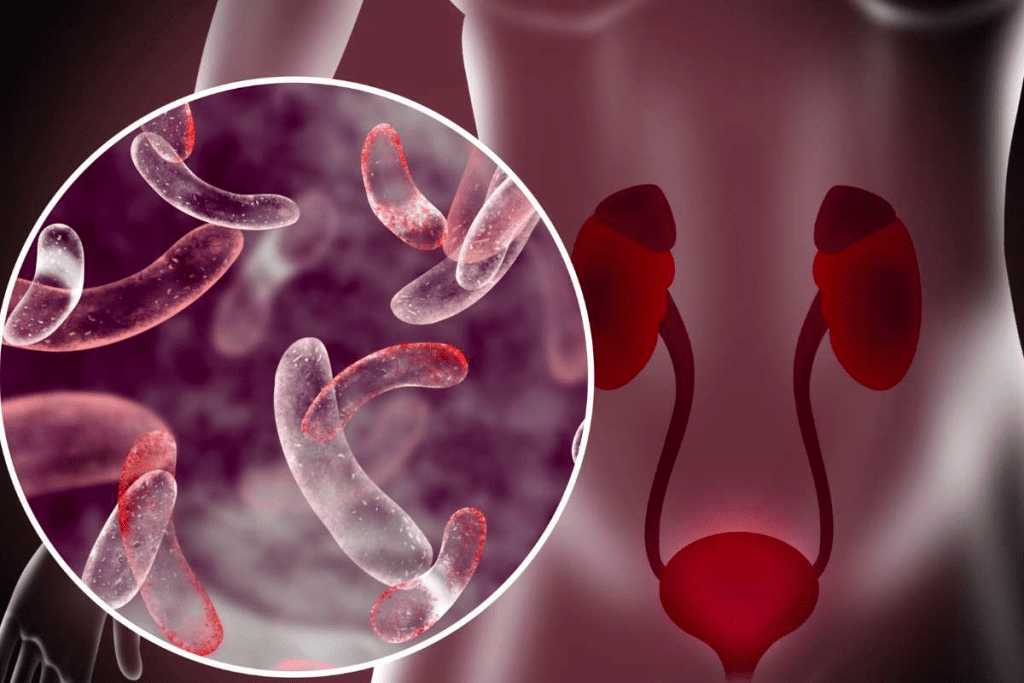
As men get older, their urinary system changes. This can cause different urinary problems. The system includes the kidneys, ureters, bladder, and urethra. The prostate gland is around the urethra. Knowing how these parts work together helps solve slow urine flow male issues.

The bladder stores urine and is a muscular organ. As men age, the bladder muscle weakens. This can cause problems like not fully emptying the bladder.
How Bladder Function Changes with Age
With age, the male urinary system changes. The bladder becomes less flexible. The detrusor muscle, which empties the bladder, can also change.
These changes can cause symptoms like needing to urinate often or having trouble starting to urinate. The prostate gland also affects urinary health. As men age, the prostate grows, which can block the urethra.
This blockage can slow down urine flow, leading to slow urine flow male symptoms. Knowing about these age-related changes is key to managing urinary health. Recognizing early signs and symptoms helps men get the right medical care.
Benign Prostatic Hyperplasia (BPH): The Primary Cause After 50
After 50, men often face urinary problems due to Benign Prostatic Hyperplasia (BPH). BPH makes the prostate gland grow, causing symptoms like a weak urine stream and trouble urinating. These symptoms can be upsetting, and it’s key to get the right medical help.
Prevalence Rates by Age Group
BPH becomes more common with age. Research shows it affects many men over 50, with rates going up as men get older. For example, about 50% of men in their 50s have BPH, rising to 80% in their 80s.
This shows BPH is closely tied to aging, making it a big health issue for older men. Knowing these rates helps in diagnosing and treating BPH well.
How BPH Affects Urinary Flow
BPH can block the urethra, causing symptoms like a weak or interrupted urine stream, difficulty urinating, and not being able to urinate. The enlarged prostate gland presses on the urethra, making it hard for urine to flow. This can cause various urinary problems, from mild to severe, affecting a man’s life quality.
Managing BPH well is key to easing these symptoms and improving urinary health. Understanding how BPH affects urine flow helps doctors create the right treatment plans.
We’re dedicated to giving full care to men with urinary issues from BPH. By tackling the condition and its symptoms, we aim to enhance our patients’ lives.
Common Causes of Difficulty Urinating in Men
Benign Prostatic Hyperplasia (BPH) is a big reason for urinary problems in men over 50. But, other factors also play a role in slow urination in males. We’ll look at these conditions, their effects on urinary health, and why getting a proper diagnosis is key.
Urinary Tract Infections in Older Men
Urinary tract infections (UTIs) are common in older men. They happen when bacteria get into the urinary tract. Symptoms include burning while urinating, needing to go often, and trouble starting to urinate.
Neurological Conditions Affecting Urination
Neurological issues like Parkinson’s disease, multiple sclerosis, and spinal cord injuries can mess with bladder function. These problems can block the signals between the bladder and the brain. This can cause urinary retention, incontinence, or trouble peeing.
Recognizing Symptoms: From Weak Urine Stream to Incontinence
As men get older, knowing about urinary health symptoms is key. These issues can really affect how well you live, so spotting them early is vital.
Weak Pee Stream and Hesitancy
A weak urine stream is a common sign of urinary problems in men. It often comes with hesitancy, pointing to issues like Benign Prostatic Hyperplasia (BPH). Starting to pee becomes harder, and the flow is weaker than it should be.
Trouble Peeing and Urinary Retention
Some men have trouble peeing or urinary retention. This means they find it hard to start or keep peeing. It can cause discomfort and needs a doctor’s check-up. Urinary retention can be either short-term or long-term and needs proper care to avoid problems.
Nocturia and Sleep Disruption
Nocturia, or needing to pee a lot at night, can really mess up a man’s life. Waking up to pee many times can lead to not getting enough sleep. This can harm your health and well-being. It’s important to manage nocturia to get better sleep.
Spotting these symptoms is the first step to getting help. We urge men with any urinary issues to see a healthcare professional. They can give the right diagnosis and treatment.
Risk Factors That Accelerate Male Bladder Problems
It’s important to know what can make bladder issues worse in men. As we get older, many things can affect our bladder health. This can lead to problems like not being able to control when we pee.
Lifestyle Contributors to Urinary Dysfunction
Our lifestyle choices can greatly affect our bladder health. Being overweight and smoking can make bladder problems worse. Also, eating too much sugar and caffeine can irritate the bladder. This can cause us to pee more often and urgently.
Exercising regularly and eating well can help. Doing Kegel exercises can strengthen the muscles around the bladder. This can help us control our bladder better.
Medical Conditions That Worsen Symptoms
Some health conditions can really affect a man’s bladder. For example, diabetes and neurological disorders like Parkinson’s disease can mess with bladder function. This can lead to trouble controlling when we pee.
Also, some medicines can harm bladder health. For example, some blood pressure medicines and antidepressants can change how often we pee. Always talk to your doctor about any side effects of your medicines.
- Diabetes
- Neurological disorders
- Certain medications
Diagnostic Approaches for Slow Urination in Males
Getting an accurate diagnosis is essential for treating slow urination in males. We’ll explore the medical evaluations used to find the root cause of urinary symptoms.
Initial Evaluation and Physical Examination
The first step is a detailed medical history and physical check-up. We look at symptoms, medical background, and lifestyle to spot possible causes. A digital rectal examination (DRE) is done to check the prostate gland.
The initial steps may include:
- Medical history review
- Symptom assessment using standardized questionnaires
- Physical examination, including DRE
- Urine analysis to check for infections or other abnormalities
Specialized Urodynamic Testing
For complex cases, we use specialized urodynamic testing to check bladder function. This testing looks at urine flow rate, bladder pressure, and urine left in the bladder after urination.
Key urodynamic tests include:
- Uroflowmetry to assess urine flow rate
- Cystometry to evaluate bladder pressure and capacity
- Post-void residual (PVR) measurement to check for urine retention
Imaging Studies and Their Significance
Imaging studies are vital for seeing the urinary tract and finding structural issues. We use ultrasound, X-rays, or MRI scans to look at the prostate, bladder, and kidneys.
Imaging studies help us:
- Assess prostate size and shape
- Identify bladder stones or tumors
- Evaluate kidney function and detect any abnormalities
By combining these diagnostic methods, we can accurately find the causes of slow urination in males. Then, we can create a treatment plan that works.
Treatment Options for Weak Urine Stream Male
Understanding the treatment options for a weak urine stream is key. These options range from medications to surgery. We’ll dive into each, highlighting their benefits and what to consider.
Medication Approaches by Age Group
Medications are often the first choice for a weak urine stream, mainly for men with BPH. The right medication depends on the patient’s age and symptom severity. Alpha-blockers, for example, relax prostate and bladder muscles, easing urination. It’s important to talk about side effects and benefits with a doctor.
Older men or those with severe symptoms might get 5-alpha-reductase inhibitors. These drugs can shrink the prostate, improving urine flow. Remember, these medications take months to work.
Minimally Invasive Procedures
For those not helped by medication or preferring not to take it long-term, there are other options. UroLift or Rezş«m therapy can relieve prostate obstruction without surgery. These procedures are done in a clinic and often have quick recovery times.
Urinary hesitancy can also be treated with these methods. Always consult a healthcare provider to find the best treatment.
Surgical Interventions for Severe Cases
For severe symptoms or when other treatments fail, surgery might be needed. TURP or laser surgery can remove or reduce prostate tissue, improving urine flow.
Though surgery is usually a last resort, it can greatly help men with large prostates or urinary retention. It’s vital to discuss risks and benefits with a urologist before deciding.
Lifestyle Modifications to Improve Urinary Health
Improving urinary health is easy with simple lifestyle changes. Men can lower their risk of urinary issues by making a few adjustments.
Dietary Changes That Support Male Bladder Function
A balanced diet is key for urinary health. Drinking more water helps remove bacteria and pathogens. Avoiding caffeine, alcohol, and spicy foods also helps.
- Drink at least 8-10 glasses of water per day.
- Reduce consumption of caffeinated beverages.
- Avoid spicy foods that can irritate the bladder.
Dietary changes can greatly impact urinary health. “A diet rich in fruits, vegetables, and whole grains can help alleviate urinary symptoms in men,” says a leading urologist.
“Dietary changes can significantly impact urinary health.”
A leading urologist
Exercise Recommendations for Different Age Groups
Exercise is vital for urinary health at any age. Pelvic floor exercises, like Kegels, strengthen bladder muscles and improve control.
- For men under 50, aerobic exercises like brisk walking or cycling can improve overall urinary health.
- For men over 50, incorporating strength training and flexibility exercises can help maintain muscle mass and improve bladder control.
Bladder Training and Pelvic Floor Exercises
Bladder training increases intervals between urinating to boost bladder capacity. Pelvic floor exercises, or Kegels, strengthen bladder muscles and improve control.
- Start by delaying urination for 5-10 minutes when you feel the urge to go.
- Gradually increase the delay time over several weeks.
- Perform Kegel exercises daily to strengthen pelvic floor muscles.
By making these lifestyle changes, men can improve their urinary health and lower the risk of urinary problems.
Conclusion: Managing Urinary Health Throughout Life
Keeping your urinary health in check is key throughout your life. Many things can affect your urinary system, like age, lifestyle, and health issues. At Liv Hospital, we’re all about giving you the care you need.
It’s all about being aware, making lifestyle changes, and sometimes getting medical help. Knowing the risks and acting early can help avoid urinary problems. Eating right and staying active are great ways to support your urinary health.
Our team at Liv Hospital is here to offer top-notch healthcare. We make sure you get the best care for your urinary health. By focusing on your urinary health and getting help when you need it, you can keep living well.
FAQ
What are the common symptoms of urinary problems in men?
Symptoms include a weak urine stream and trouble peeing. You might also experience hesitancy, frequent nighttime urination, and incontinence. These issues can really affect your life and need a doctor’s check-up.
At what age do men typically start experiencing urinary issues?
Men usually face urinary problems in their 40s and 50s. The issues get worse after 50.
What is Benign Prostatic Hyperplasia (BPH) and how does it affect urinary flow?
BPH is when the prostate gland grows too big. It can block the urethra, making it hard to pee. This leads to a weak stream and trouble starting to pee.
What are the risk factors that accelerate male bladder problems?
Lifestyle choices like diet and exercise level can speed up bladder problems. Medical conditions like diabetes and neurological disorders also play a role.
How are urinary problems in men diagnosed?
Doctors start with an initial check-up and physical exam. They might use special tests and imaging to find out why you’re having symptoms.
What treatment options are available for men with weak urine stream?
Doctors can prescribe medicine, do minimally invasive procedures, or surgery for serious cases. The choice depends on your age and symptoms.
Can lifestyle modifications improve urinary health?
Yes, changing your diet and exercising can help. Bladder training exercises also work to improve your urinary health.
What is the role of the prostate gland in male urinary health?
The prostate gland is around the urethra and is key to male urinary health. When it gets too big, like in BPH, it can block the flow of urine.
How does age affect bladder function in men?
As men get older, their bladder changes. This can lead to a smaller bladder and more frequent need to pee.
What are the benefits of seeking medical care for urinary problems?
Getting medical help can find the cause of your problems. It can also lead to the right treatment and improve your life quality.
References
- Benson, C. R., et al. (2021). Long term outcomes of one-stage augmentation anterior urethroplasty: A systematic review and meta-analysis. International Brazilian Journal of Urology, 47(2), 213-222. https://www.scielo.br/j/ibju/a/pRz6Jkwjvqc9FM49SFLXLnQ/?lang=en
- Neuville, P., et al. (2025). Systematic review of the outcomes of urethroplasty for male urethral stricture disease. International Journal of Impotence Research. https://www.nature.com/articles/s41443-025-01132-4
- Robine, E., et al. (2017). Analysis of success rates of urethroplasty for adult male urethral stricture disease. Urology Annals, 9(1), 13-18. https://pubmed.ncbi.nlm.nih.gov/28117233/