Last Updated on November 4, 2025 by mcelik
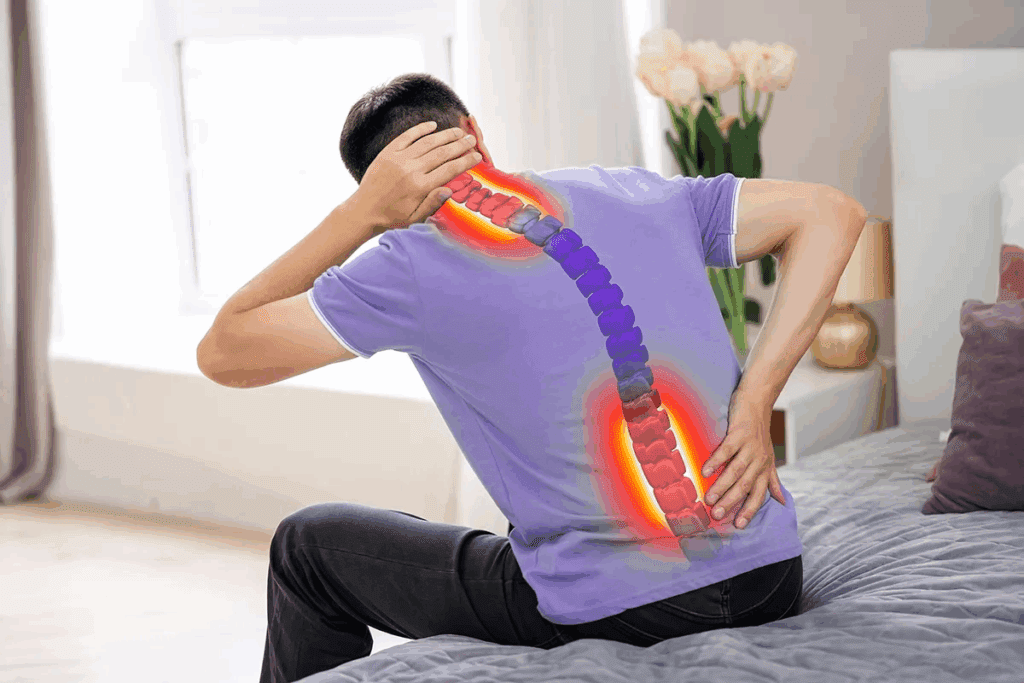
A herniated disc can severely impact daily life and mobility. Imagine not being able to walk a few steps without severe back pain or sciatica in your legs. Learn how to handle Difficulty Walking with Herniated Disc and regain mobility with effective treatments.
Many people with a herniated disc face mobility issues. Simple tasks become hard. The pain and discomfort make it hard to walk or do physical activities. We’re here to help you understand your condition and find relief.
Key Takeaways
- Understanding the causes and symptoms of a herniated disc.
- Exploring the impact of a herniated disc on mobility.
- Available treatment approaches for alleviating walking difficulties.
- Relief options for managing severe back pain and sciatica.
- Improving quality of life with appropriate care and support.
Understanding Herniated Discs and Their Impact on Mobility
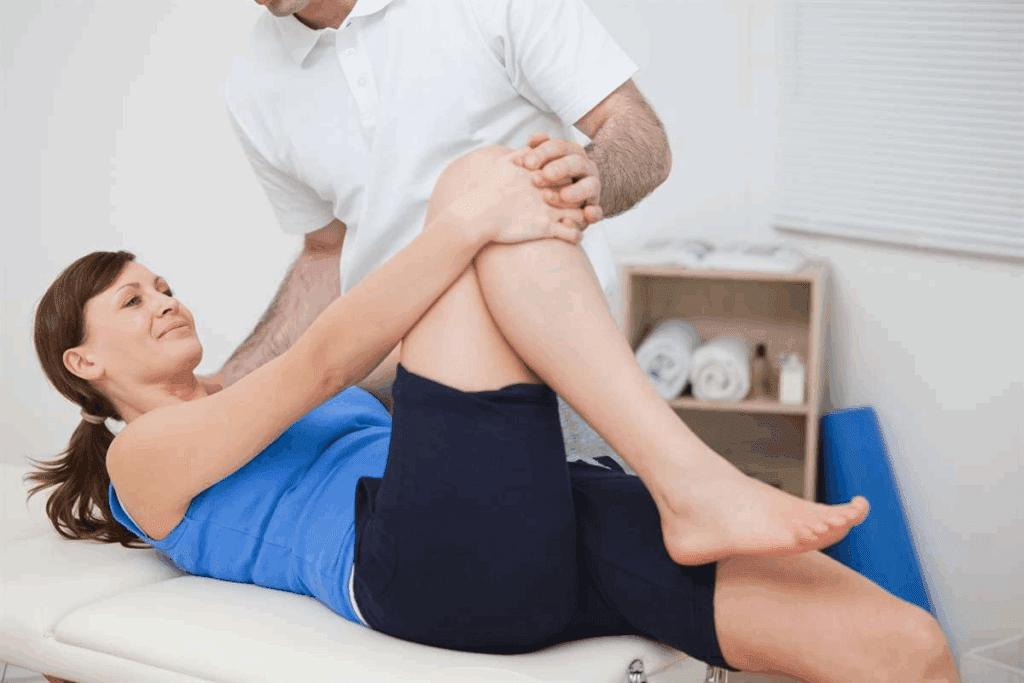
It’s important to know how herniated discs affect spinal nerves to solve walking problems. A herniated disc happens when the soft center leaks out through a tear. This can irritate nearby nerves.
What is a Herniated Disc?
A herniated disc, also called a slipped or ruptured disc, occurs when the soft center bulges out. This happens through a tear in the outer layer. It can cause discomfort, pain, and numbness by irritating nerves.
How Disc Herniation Affects Spinal Nerves
A herniated disc can press on spinal nerves. These nerves control many functions, like walking. This pressure or irritation can cause pain, numbness, and weakness in the back and legs.
The Relationship Between Spinal Health and Walking
Spinal health is key to mobility. The spine sends messages between the brain and body. When nerves are compressed by a herniated disc, it disrupts these messages. This can make walking hard.
| Aspect | Normal Disc | Herniated Disc |
| Structure | Intact outer layer, gel-like center | Tear in the outer layer, bulging center |
| Nerve Impact | No compression or irritation | Potential compression or irritation |
| Symptoms | No pain or numbness | Possible pain, numbness, weakness |
Difficulty Walking with Herniated Disc: Common Symptoms

Herniated discs can cause many symptoms that make walking hard. When a herniated disc presses on spinal nerves, it can lead to several issues. These problems can make moving around tough.
Severe Back Pain During Movement
One common symptom is severe back pain when you move. This pain can feel sharp or dull. It often gets worse when you walk or bend.
Sciatica and Radiating Leg Pain
Many people with a herniated disc experience sciatica. This is radiating leg pain that starts in the lower back and goes down to the legs. The pain can be very bad and may feel like numbness or tingling.
Numbness and Weakness in Lower Extremities
Numbness and weakness in the legs are also common. When spinal nerves get compressed, it can mess with how you feel and move. This can make it hard to walk or stand for a long time.
Foot Drop and Gait Abnormalities
In severe cases, a herniated disc can cause foot drop. This makes it hard to lift the front part of your foot. It can also lead to gait abnormalities, like lifting your knee higher to avoid tripping. These changes in how you walk can put extra stress on your body, leading to more problems.
The symptoms of a herniated disc can vary a lot. They can affect your daily life in different ways. Knowing what symptoms you have is key to getting the right treatment and managing your condition.
| Symptom | Description | Impact on Walking |
| Severe Back Pain | Sharp or dull pain in the back during movement | Makes walking painful |
| Sciatica and Radiating Leg Pain | Pain traveling from the lower back to the legs | Affects gait due to pain |
| Numbness and Weakness | Numbness or weakness in the lower extremities | Impairs the ability to walk or stand |
| Foot Drop and Gait Abnormalities | Difficulty lifting the front part of the foot | Leads to compensatory gait changes |
Why Herniated Discs Cause Walking Problems
Herniated discs can make walking hard in several ways. We’ll look at these reasons to understand how they affect our mobility.
Nerve Root Compression Mechanisms
When a disc herniates, it can press on nerves. This can cause nerve root damage from a disc herniation. It leads to pain, numbness, or weakness in the legs.
The amount of nerve compression can vary. It can cause mild symptoms or severe pain and weakness, affecting how well we can walk.
Muscle Weakness from Nerve Impairment
Muscle weakness from herniated disc also plays a big role. When nerves are compressed, they can’t send signals to muscles. This makes the legs weak, making it hard to walk.
The weakness can be mild or severe. It depends on the disc’s location and how badly it’s herniated, as well as which nerves are affected.
Pain-Induced Movement Limitations
Pain is a big reason people with herniated discs have trouble walking. Pain while standing or walking makes them change their gait or avoid certain movements. This pain can be in the lower back or in the legs, making it harder to move.
| Pain Characteristic | Effect on Walking |
| Localized lower back pain | May cause a stiffened gait or reduced stride length |
| Radiating leg pain (sciatica) | Can lead to avoidance of weight-bearing activities or altered gait patterns |
| Sharp, shooting pain | May result in sudden stops or changes in walking pattern |
Spinal Cord Pressure in Severe Cases
In severe cases, herniated discs can put a lot of pressure on the spinal cord. This can cause widespread numbness, weakness, or even paralysis.
This pressure can affect many nerve functions. It’s not just walking that’s affected, but also other bodily functions. Getting medical help quickly is very important to avoid lasting damage.
Types of Mobility Challenges with Herniated Discs
People with herniated discs face many mobility challenges. These can make daily tasks hard. The severity and location of the disc affect how much each person struggles.
Difficulty Standing or Walking for Extended Periods
Standing or walking for long periods is often hard with herniated discs. This is because of the pain from compressed nerves.
People might need to stop often to rest and ease the pain. This makes it tough to do activities that need standing or walking for a while.
Balance and Coordination Issues
Herniated discs can mess with balance and coordination. This is true if the nerves controlling the legs are affected. It can make it hard to stay balanced, raising the chance of falling.
Limited Range of Motion in the Spine
The pain and swelling from a herniated disc can limit how much the spine can move. This makes it hard to do simple tasks like bending or lifting.
Compensatory Movement Patterns
To avoid pain, people with herniated discs might move differently. These changes can stress other parts of the body, leading to more problems.
It’s important to know about these challenges to find good treatments. The table below shows the types of mobility challenges and their effects.
| Mobility Challenge | Description | Potential Impact |
| Difficulty Standing/Walking | Pain and discomfort during prolonged standing or walking | Reduced ability to engage in daily activities |
| Balance and Coordination Issues | Numbness or weakness in the legs, impairing balance | Increased risk of falls |
| Limited Range of Motion | Restriction in spinal movement due to pain and inflammation | Difficulty performing tasks that require bending or twisting |
| Compensatory Movement Patterns | Altered movements to avoid pain | Additional stress on other body parts, potentially leading to further complications |
When to Seek Emergency Treatment
Many herniated discs can be treated without surgery. But some cases need urgent medical care. It’s important to know when to seek help to avoid serious problems.
Red Flag Symptoms Requiring Immediate Attention
Some symptoms of herniated discs are serious and need quick action. These include sudden, severe pain and changes in bladder or bowel function. If you notice these signs, get medical help right away.
“The presence of red flag symptoms should never be ignored,” say experts. “Waiting too long can cause permanent harm.”
Cauda Equina Syndrome Warning Signs
Cauda equina syndrome is a serious issue caused by herniated discs. It happens when nerves in the lower back get compressed. This can lead to permanent damage if not treated quickly. Look out for severe back pain, numbness in the legs, and changes in bladder or bowel function. Spotting these signs early is key to effective treatment.
Progressive Neurological Deficits
Worsening nerve symptoms, like more numbness or weakness in the legs, are a sign of ongoing damage. Seeing a doctor quickly is important to stop further harm.
Severe Pain Unresponsive to Medication
Pain from herniated discs is common, but severe pain that doesn’t get better with meds is a red flag. If your pain doesn’t improve, talk to your doctor about other options. In some cases, this could mean you need emergency care.
Knowing when to get emergency help for a herniated disc is vital for your recovery. By watching for red flags and other important signs, you can act fast and protect your health.
Diagnosing the Cause of Walking Difficulties
Healthcare professionals use many tools to find out why walking is hard because of a herniated disc. They look at your medical history, do a physical check, and use tests to figure it out.
Physical Examination and Neurological Tests
A detailed physical check is key to see how much a herniated disc affects movement. They do tests to check muscle strength, reflexes, and how you feel things. These tests help find nerve damage or compression that might make walking hard.
During the physical check, they look at:
- Muscle strength in the lower legs
- Reflexes, like the Achilles and patellar reflexes
- Sensation, like pain, temperature, and vibration
Imaging Studies: MRI, CT Scan, X-rays
Imaging tests are vital to see the spine and find problems like herniated discs. They use MRI, CT scans, and X-rays to get different views of the spine and any issues.
| Imaging Modality | Primary Use | Benefits |
| MRI | Soft tissue visualization | Excellent for viewing discs, nerves, and the spinal cord |
| CT Scan | Bony structure assessment | Good for evaluating bone spurs, fractures, and spinal stenosis |
| X-rays | Initial assessment of spinal alignment | Quick and useful for detecting fractures or misalignments |
Electromyography and Nerve Conduction Studies
Electromyography (EMG) and nerve conduction studies (NCS) are important for checking nerve and muscle function. These tests show how much nerve damage or compression affects muscles.
EMG records muscle electrical activity at rest and when contracting. NCS measures nerve signal speed and strength. Together, they give a full picture of nerve and muscle health.
Differential Diagnosis: Other Causes of Walking Problems
When diagnosing, it’s important to think of other reasons for walking troubles. We look at conditions like peripheral neuropathy, spinal stenosis, and musculoskeletal disorders that might also cause mobility issues.
Doing a differential diagnosis means looking at many possible causes. We use medical history, physical findings, and test results. This way, we find the real cause of walking problems and plan the best treatment.
Non-Surgical Treatment Options
Non-surgical treatments can help manage herniated disc symptoms and improve mobility. It’s important to try these options before surgery.
Rest and Activity Modification Strategies
Rest and activity modification are key in managing herniated disc symptoms. Avoid activities that make the condition worse, like heavy lifting. Take regular breaks to rest.
Changing daily activities can help a lot. Use proper lifting techniques and keep good posture. Avoid sitting or standing for too long to prevent irritation of the herniated disc.
Medications for Pain and Inflammation
Medications are important for pain and inflammation from herniated discs. Nonsteroidal anti-inflammatory drugs (NSAIDs) are often used to reduce pain and inflammation. Corticosteroids may be used for stronger effects.
Always follow your doctor’s advice when taking these medications. They can have side effects and interact with other drugs. A well-managed medication plan can greatly improve life for those with herniated discs.
Physical Therapy Approaches
Physical therapy is a key part of non-surgical treatment for herniated discs. A physical therapist creates a personalized exercise program. This program strengthens muscles, improves flexibility, and enhances posture.
Physical therapy offers many benefits:
- Strengthening core muscles to support the spine
- Improving flexibility and range of motion
- Enhancing posture to reduce strain on the back
- Educating patients on proper body mechanics
Epidural Steroid Injections and Nerve Blocks
Epidural steroid injections or nerve blocks may be recommended for severe pain and inflammation. These procedures involve injecting corticosteroids or anesthetics into the epidural space or around specific nerves. This reduces inflammation and blocks pain signals.
| Treatment | Description | Benefits |
| Epidural Steroid Injections | Injecting corticosteroids into the epidural space | Reduces inflammation and pain |
| Nerve Blocks | Injecting anesthetics or corticosteroids around specific nerves | Blocks pain signals and reduces inflammation |
Exploring these non-surgical treatment options can help individuals with herniated discs find relief and improve their quality of life.
Surgical Interventions for Severe Mobility Issues
When other treatments don’t work, surgery might be needed for herniated discs. It’s considered when the problem greatly affects daily life and happiness.
Necessity of Surgery
Surgery is needed when there are big problems with nerves or when other treatments don’t help. A doctor will decide if surgery is right after checking the situation carefully.
Types of Surgical Procedures
There are different surgeries for herniated discs, like discectomy and spinal fusion. These surgeries aim to ease nerve pressure and make the spine stable.
- Discectomy: Removing the part of the disc that’s pressing on the nerve.
- Spinal Fusion: Merging two or more vertebrae to make the spine stable.
- Microdiscectomy: A less invasive version of discectomy, using a microscope for accuracy.
Recovery and Rehabilitation After Surgery
After surgery, recovery and rehab are very important. Physical therapy helps patients get stronger and move better.
| Rehabilitation Phase | Timeline | Activities |
| Immediate Post-Surgery | 0-6 weeks | Pain management, gentle stretching |
| Early Rehabilitation | 6-12 weeks | Physical therapy, strengthening exercises |
| Advanced Rehabilitation | 3-6 months | Progressive exercises, return to normal activities |
Knowing about surgery and recovery helps patients make better choices about their treatment.
Walking Assistance and Adaptive Equipment
For those with herniated discs, the right walking aid can change everything. These tools not only offer support but also boost safety. They help prevent falls and injuries.
Canes, Walkers, and Other Mobility Aids
Canes, walkers, and other aids are key for herniated disc sufferers. They spread out weight, ease spine pressure, and improve balance. Canes are great for light support, while walkers are better for those needing more stability.
Braces and Supports for Spinal Stability
Braces and supports are vital for spinal stability and comfort. They keep the spine aligned, easing disc pressure. With these, people can move more safely and with less pain.
Adaptive Techniques for Daily Activities
Adapting daily activities can greatly enhance safety and independence. Simple changes, like using ergonomic furniture, can help. Learning proper lifting and using assistive devices also makes a big difference.
Home Modifications for Safety and Accessibility
Changing your home is also important for safety and access. This includes installing handrails, removing hazards, and ensuring good lighting. A more accessible home lets people with herniated discs live more safely and easily.
Exercises and Physical Therapy for Improving Mobility
Getting better mobility after a herniated disc diagnosis needs a mix of exercises and physical therapy. It’s key for those facing herniated disc challenges. A good physical therapy plan helps ease symptoms and boosts life quality.
Safe Core Strengthening Exercises
Core exercises are a big part of physical therapy for herniated discs. Safe core exercises support the spine, cut down pain, and boost stability. Here are some examples:
- Pelvic tilts
- Modified planks
- Bridging exercises
- Gentle abdominal contractions
It’s important to do these exercises with a healthcare expert’s help. This ensures they are done right and safely.
Flexibility and Range of Motion Activities
Exercises for flexibility and range of motion are key to keeping the spine flexible and less stiff. Gentle stretching boosts mobility and lowers pain. Here are some examples:
- Knee to chest stretches
- Cat-cow stretches
- Hamstring stretches
- Gentle spinal rotations
Start slow and gradually make these exercises more intense and longer.
Gait Training and Balance Exercises
Gait training and balance exercises are vital for better walking and less fall risk. Gait training teaches proper walking, while balance exercises improve stability. Here are some examples:
- Single-leg stands
- Heel-to-toe walks
- Balance boards or BOSU ball training
These exercises should match the person’s abilities and get more challenging over time.
Progressive Return to Walking Program
A progressive walking program, led by a healthcare expert, helps people slowly get back to walking. This program includes:
- First, check how well they can walk and their pain levels
- Then, slowly increase how far and long they walk
- Adjust their walking style as needed
- Add strengthening and flexibility exercises
Having a supervised program is key for safety and success.
As shown in the table below, a good physical therapy plan can really help people with herniated discs move better.
| Exercise Category | Examples | Benefits |
| Core Strengthening | Pelvic tilts, modified planks | Spinal support, pain reduction |
| Flexibility and Range of Motion | Knee to chest stretches, cat-cow stretches | Improved mobility, reduced stiffness |
| Gait Training and Balance | Single-leg stands, heel-to-toe walks | Enhanced walking ability, reduced fall risk |
A leading physical therapy expert says, “A detailed physical therapy plan with core exercises, flexibility, and gait training can greatly improve outcomes for those with herniated discs.”
“Physical therapy is not just about exercises; it’s about regaining function and improving quality of life.”
– Physical Therapy Expert
Conclusion: Living with and Overcoming Herniated Disc Mobility Challenges
Living with a herniated disc can be tough, affecting your mobility and walking. We’ve looked at herniated discs, their impact, and treatment options in this article.
Knowing about the condition and its symptoms is the first step to getting better. We’ve talked about ways to beat mobility issues. This includes non-surgical treatments, surgery, and using special equipment.
Managing herniated disc mobility challenges needs a full plan. This includes medical care, physical therapy, and changing your lifestyle. By doing these things, you can walk better and live a fuller life. This helps you overcome the hurdles of living with a herniated disc and find good ways to walk again.
FAQ
What are the common symptoms of a herniated disc that affect walking?
Symptoms include severe back pain when moving, sciatica, and pain in the legs. You might also feel numbness, weakness in your lower body, foot drop, and changes in how you walk.
How does a herniated disc cause difficulty walking?
A herniated disc can press on nerves, causing weakness and pain. This can limit how you move and, in severe cases, affect your spinal cord. All these can make walking hard.
What types of mobility challenges are associated with herniated discs?
You might find it hard to stand or walk for long. You could struggle with balance and coordination. Your spine’s range of motion might be limited, leading to unusual movement patterns.
When should I seek emergency treatment for a herniated disc?
Go to the emergency room if you have warning signs of cauda equina syndrome, worsening neurological symptoms, or severe pain that doesn’t get better with medicine.
How is the cause of walking difficulties diagnosed?
Doctors use a physical exam, tests like MRI and CT scans, and nerve studies. They also rule out other possible causes to find the right diagnosis.
What non-surgical treatment options are available for herniated discs?
Treatments include resting and changing your activities, pain and inflammation medicines, physical therapy, and injections or nerve blocks.
When is surgery necessary for a herniated disc?
Surgery is needed when other treatments don’t work, or if you have serious nerve problems. It might involve removing the disc or fusing the spine.
What walking assistance and adaptive equipment can help with herniated disc mobility issues?
Using canes, walkers, and braces can help. Adaptive techniques and home changes also improve safety and mobility.
What exercises and physical therapy can improve mobility with a herniated disc?
Safe exercises strengthen your core and improve flexibility. Gait training and balance exercises help you walk better. A gradual return to walking is also important.
Can a herniated disc cause long-term mobility problems if left untreated?
Untreated herniated discs can lead to chronic pain, muscle weakness, and walking issues. It’s key to get medical help to avoid these problems.
How can I manage my daily activities with a herniated disc?
Use adaptive techniques and make your home safe and accessible. Walking aids and equipment can help you stay independent.
Reference
- Kuai, S., et al. (2017). The Effect of Lumbar Disc Herniation on Musculoskeletal Function during Walking and Stair Climbing. Journal of Healthcare Engineering, 2017. https://pmc.ncbi.nlm.nih.gov/articles/PMC5562184/