Last Updated on November 27, 2025 by Bilal Hasdemir
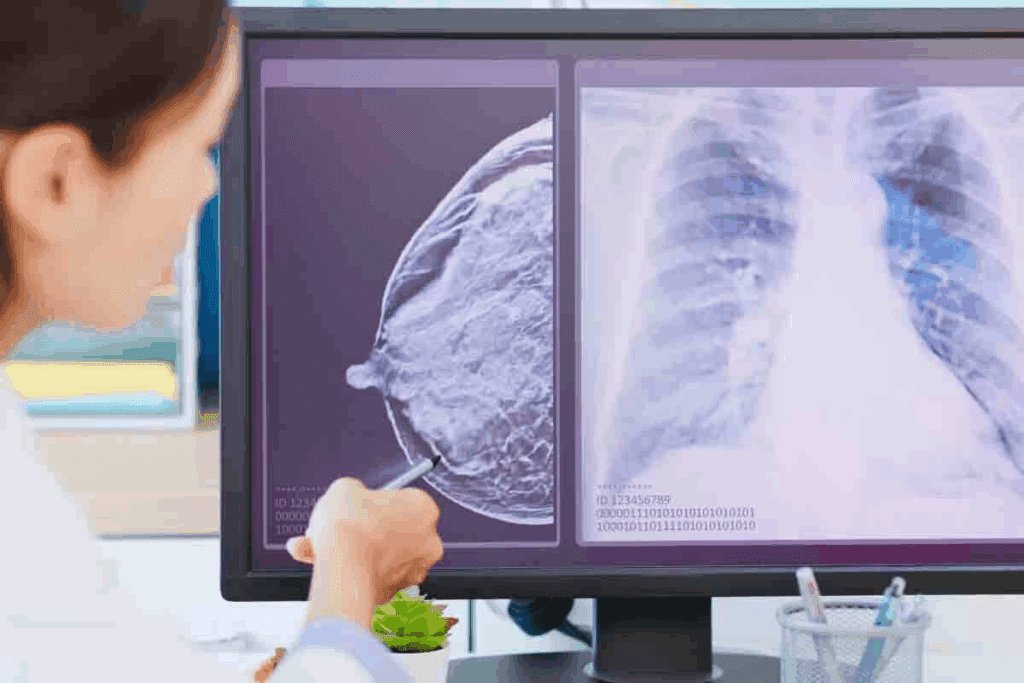
Understanding ‘dinner glow’ on PET scans is key to an accurate cancer diagnosis. At Liv Hospital, we use PET scans to see metabolic activity in the body. This helps us find areas of high activity, like cancer.
‘Dinner glow’ means the normal uptake of the radioactive tracer in the bowel. It can look like a disease. But it’s vital to tell the difference between normal and cancerous patterns on PET scans for accurate diagnosis.Discover what dinner glow on PET scans means for cancer accuracy and how to interpret unusual imaging results.
We use a glucose analog called flurodeoxyglucose (F-18 FDG) to find high metabolic activity. Cells use this sugar for energy. So, high FDG levels on PET scans show areas of high activity, like cancer.
Key Takeaways
- PET scans use a radioactive tracer to visualize metabolic activity in the body.
- ‘Dinner glow’ refers to the normal uptake of the tracer in the bowel.
- Accurate diagnosis requires differentiating between benign and malignant patterns.
- PET scans help detect areas of high metabolic activity, such as cancer.
- F-18 FDG is used in about 90 percent of PET scanning in the United States.
Understanding PET Scans in Cancer Detection and Staging
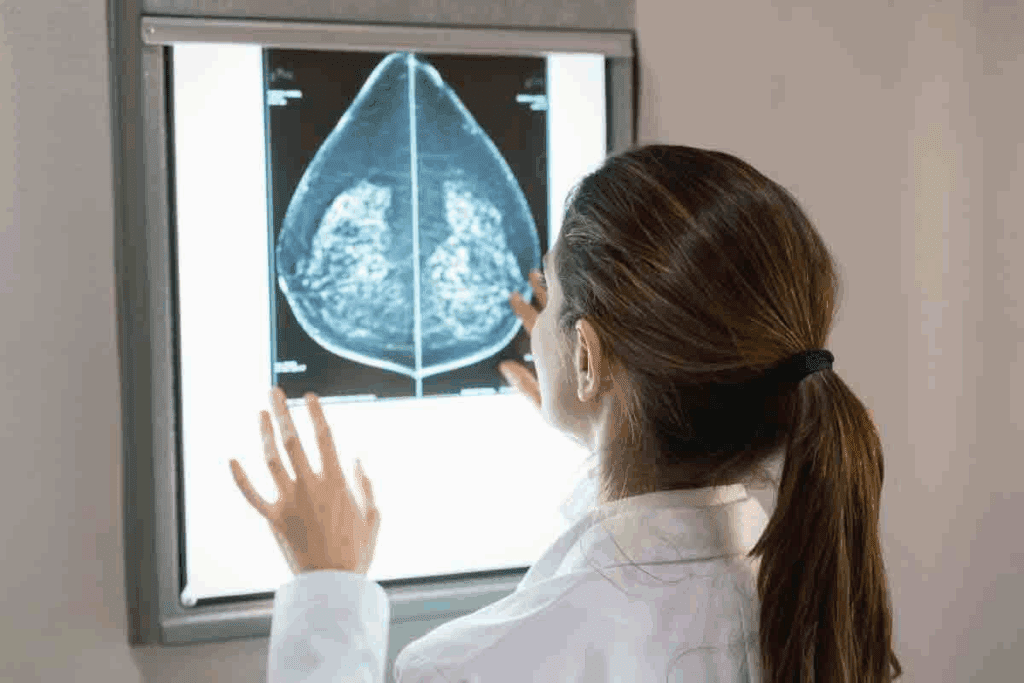
PET scans have changed how we find and understand cancer. They show how tumors work by looking at their metabolism. This makes PET scans key in managing cancer, giving us clues about tumor activity.
How PET Scans Work in Detecting Metabolic Activity
PET scans find active cells in the body. They use a special tracer, Fluorodeoxyglucose (FDG), which cells with high glucose use. Cancer cells, with their fast metabolism, show up clearly on these scans.
First, the FDG tracer is injected into the patient’s blood. Then, the PET scanner picks up the radiation from the tracer. This creates detailed images of where the body’s cells are most active.
The Role of FDG Radiotracer in Highlighting Cancer Cells
The FDG tracer is key in spotting cancer cells on PET scans. Cancer cells use more glucose than normal cells because they’re more active. This makes them show up as bright spots on the scans, helping doctors find them.
How well PET scans work for different cancers varies. For example, they’re very good at finding lung cancer and lymphoma.
| Cancer Type | PET Scan Sensitivity |
| Lung Cancer | High |
| Lymphoma | High |
| Breast Cancer | Moderate |
Knowing how PET scans and the FDG tracer work is vital. It helps doctors understand PET scan results better. This is important for diagnosing and planning cancer treatment.
What “Dinner Glow on PET Scans Means” and Its Clinical Significance

The ‘dinner glow’ on PET scans is a term for the normal uptake of a radioactive tracer in the bowel. This is also called physiological bowel uptake. It’s important to know about this for correct PET scan reading, as it can look like da disease.
Definition and Appearance of Physiological Bowel Uptake
Physiological bowel uptake is when FDG (fluorodeoxyglucose) naturally builds up in the gut. This can show up differently on PET scans, as a spread-out or focused pattern.
The ‘dinner glow’ looks like:
- Varying degrees of tracer uptake along the bowel
- Often seen in the colon and small intestine
- It can be influenced by factors such as diet and bowel activity
It’s key to know that this is a harmless sign, not like the kind seen in cancer or other diseases.
Biological Reasons Behind Increased Intestinal Activity
Several things cause the ‘dinner glow’ phenomenon:
- Gastrointestinal motility: The bowel’s movement affects where the tracer goes.
- Bacterial flora: Some gut bacteria can change how much FDG is taken up.
- Inflammation or irritation: A bit of inflammation or irritation in the gut can make more tracer gather.
- Dietary factors: What you eat or drink before the scan can change how much the bowel takes up.
Knowing these reasons helps doctors correctly read PET scans and tell normal from abnormal findings.
Distinguishing Between Normal Bowel Activity and Pathological Findings
Understanding PET scans means knowing the difference between normal and abnormal activity. We use visual clues and pattern recognition to make this call. This is key to PET scan accuracy and managing cancer well.
Visual Characteristics That Differentiate Dinner Glow from Cancer
When we look at PET scans, we search for certain signs. These signs help us tell normal bowel activity, or “dinner glow,” apart from cancer. Important factors include:
- The intensity of the uptake: Cancer usually shows up more brightly than normal bowel activity.
- The pattern of uptake: Cancerous areas tend to have a more focused and irregular pattern. Normal bowel activity looks more spread out.
- The location and distribution: Knowing where bowel activity usually happens helps us spot cancerous areas.
For example, a study might find that intense, focused uptake in an unusual spot is likely cancer. But mild, spread-out uptake in common bowel areas is probably just normal activity.
Pattern Recognition in Bowel vs. Malignant Uptake
Recognizing patterns is key to telling normal bowel activity from cancer on PET scans. We look for signs that point to either benign or malignant processes. For instance:
- Focal vs. Diffuse Uptake: Focal uptake usually means cancer, while diffuse uptake is more likely normal bowel activity.
- Intensity and Homogeneity: Cancerous areas often have very bright, uniform uptake. Normal bowel activity can vary more.
- Correlation with Anatomical Imaging: Matching PET scan findings with CT scans helps confirm if uptake is due to a real problem or not.
Knowing these patterns is vital for accurate PET scan readings. It helps answer the big question: Can a PET scan miss cancer? While PET scans are very good, they’re not perfect. Their accuracy depends on the cancer type and how active it is. Small or slow-growing tumors might not show up, making it important to use PET scans with other tests for a full picture.
How Accurate is a PET Scan for Cancer Detection?
When we talk about PET scans and cancer, we look at both big picture numbers and specific cancer data. These scans are key in fighting cancer, showing how tumors grow.
Overall Sensitivity and Specificity Statistics
PET scans’ accuracy is shown through sensitivity and specificity. Sensitivity is how well the test finds people with cancer. Specificity is how well it finds those without cancer.
- PET scans catch cancer in 80% to over 90% of cases.
- Specificity varies, usually between 75% and 95%, based on cancer type and location.
Even though PET scans work well, they’re not 100% accurate. Things like tumor size, where it is, and how active it is can affect their results.
Cancer-Specific Accuracy Rates
PET scans work differently for each cancer type. For example:
- Lung cancer and lymphoma are often caught early because they use a lot of glucose.
- Breast cancer and some sarcomas might be harder to detect, depending on their activity.
It’s important to remember that PET scans aren’t perfect for every cancer. They’re best for cancers that use a lot of glucose, giving clear info on tumor size and spread.
In summary, PET scans are a valuable tool in cancer diagnosis. But their accuracy depends on the cancer type and its activity. Knowing this helps us understand PET scan results better.
Factors That Influence PET Scan Reliability and Accuracy
Knowing what affects PET scan reliability is key to accurate cancer diagnosis. PET scans are very effective but not perfect. Their accuracy can change based on the tumor and the patient’s health.
Tumor Size and Location Considerations
The size and where a tumor is can really affect PET scan results. Small tumors are harder to spot because of scan limits. Tumors in busy areas like the brain or near the heart are also tricky to find.
Here’s how tumor size can impact detection:
| Tumor Size (mm) | Detection Rate (%) |
| <5 | 40-60 |
| 5-10 | 60-80 |
| >10 | 80-95 |
Impact of Tumor Metabolic Activity on Detection
The metabolic activity of a tumor is also key. Tumors with high metabolic rates show up better on PET scans because they take up more FDG. Tumors with low activity might not show up, leading to false negatives.
Patient-Related Variables Affecting Scan Quality
Things like blood sugar, how hydrated you are, and recent exercise can also affect PET scans. High blood sugar, for example, can make tumors harder to see. So, getting ready for the scan right is very important.
Understanding these factors helps doctors make better use of PET scans. This leads to better care for patients.
Can PET Scans Be Wrong? Common Causes of False Positives
PET scans are very useful but not perfect. They can sometimes show cancer or abnormal activity where there isn’t any. Knowing why this happens is key to making the right diagnosis and treatment plan.
Inflammatory and Infectious Processes That Mimic Cancer
False positives often come from inflammatory or infectious issues. For example, abscesses, granulomatous diseases (like sarcoidosis), and infections can look like cancer on a PET scan. This is because they cause the body’s cells to work harder, just like cancer does.
It’s important to tell these conditions apart from real cancer. Doctors use other tests, like CT or MRI scans, to help figure out what’s going on.
Post-Surgical and Radiation-Induced Changes
After surgery or radiation, the body might show false positives on PET scans. The healing process can make the area look like it has cancer. Radiation can also cause inflammation, making the area look active on the scan.
- Post-surgical inflammation: The body’s healing can make glucose uptake go up.
- Radiation-induced changes: Inflammation and repair after radiation can look like cancer on PET scans.
Benign Conditions With Increased Metabolic Activity
Some non-cancerous conditions can also show up as cancer on PET scans. These include:
- Benign tumors: Some non-cancerous tumors can be very active.
- Thyroid nodules: Some thyroid nodules can take up more glucose.
- Fractures: Healing fractures can also show up as active.
Getting a correct diagnosis means looking at all these factors. It often involves more tests to confirm or rule out cancer.
Understanding why PET scans can be wrong helps doctors make better decisions. It’s a detailed process that needs careful thought about the patient’s whole situation.
Can PET Scans Miss Cancer? Understanding False Negatives
PET scans are very sensitive but can miss some cancers. It’s important for patients and doctors to know this. It affects how they plan treatment.
False negatives happen when a PET scan misses cancer that’s there. This can be due to the cancer’s type, size, and how it uses glucose.
Low-Glucose-Utilizing Tumor Types
Some tumors don’t use much glucose. This makes them hard to see on PET scans. Low-glucose-utilizing tumors are tricky to spot.
For example, some prostate cancers and neuroendocrine tumors don’t use glucose much. Knowing the cancer’s details helps doctors understand PET scan results.
Size Limitations: Small or Early-Stage Cancers
The size of a tumor affects PET scan detection. Small or early-stage cancers might not show up because of scan resolution limits.
| Tumor Size | Detection Rate |
| Less than 5 mm | Low |
| 5-10 mm | Moderate |
| Greater than 10 mm | High |
Specific Cancer Types With Lower Detection Rates
Some cancers are harder to find with PET scans. For instance, mucinous adenocarcinomas have low FDG uptake. This makes them tough to spot.
“The sensitivity of PET scans varies among different cancer types, stressing the need for a complete diagnostic approach.”
A medical expert, an Oncologist
Knowing these limits is key for patients and doctors. It shows why PET scans should be part of a bigger diagnostic plan. This plan includes other scans and clinical checks for accurate diagnosis and staging.
Do PET Scan Hot Spots Always Mean Cancer?
Hot spots on a PET scan often worry people about cancer. But it’s key to know these spots aren’t always cancer. PET scans help find different conditions, like cancer, by showing active areas.
Defining “Hot Spots” in PET Imaging Terminology
In PET scans, “hot spots” show up as areas with more activity than others. This can mean many things, not just cancer.
Understanding hot spots depends on their context. The type of tracer, the patient’s history, and the hot spot’s details are important. These factors help tell if it’s cancer or not.
Non-Malignant Causes of Increased Tracer Uptake
Many non-cancer conditions can also show up as hot spots on PET scans. These include:
- Inflammatory processes
- Infectious diseases
- Benign tumors
- Post-surgical changes
- Radiation-induced inflammation
Knowing these causes helps doctors correctly read PET scan results. This avoids wrong diagnoses.
Quantitative Assessment: SUV Values and Their Limitations
The Standardized Uptake Value (SUV) measures how much tracer a PET scan shows. SUV values help understand a lesion’s activity. But they have their limits.
| SUV Value Range | Interpretation |
| Low ( | Typically considered benign or low metabolic activity |
| Moderate (2.5-5) | May indicate suspicious activity, requires further evaluation |
| High (>5) | Often associated with malignant processes, but can also be seen in inflammatory or infectious conditions. |
It’s important to look at SUV values with the patient’s whole situation in mind. Relying only on SUV values can lead to wrong diagnoses.
PET scan hot spots don’t always mean cancer. Knowing what affects PET scan results and careful interpretation by experts are key. This ensures accurate diagnosis and good care for patients. If a PET Scan is Negative, Does That Mean No Cancer?
A negative PET scan doesn’t always mean there’s no cancer. Some tumors might not show up on this test. We’ll look into what a negative PET scan means for cancer diagnosis.
Limitations of Negative PET Results
PET scans are great for finding many cancers. But, they’re not perfect. Some cancers might be too small or not active enough to be seen.
- Small or early-stage cancers: These might not show up on a PET scan because of their size or activity.
- Low-glucose-utilizing tumors: Some cancers, like certain prostate cancers, might not use enough FDG to be seen.
- Tumors in areas of high background activity: Cancers in busy areas, like the brain, can be harder to spot.
When Additional Testing is Recommended Despite Negative Findings
Even with a negative PET scan, more tests might be needed. This is because a negative scan doesn’t mean there’s no cancer.
Clinical scenarios where further testing is considered:
- Patients with ongoing symptoms or findings that suggest cancer, even with a negative PET scan.
- High-risk patients with a family history or genetic risk for certain cancers.
- Patients with unusual results on other tests, like MRI or CT scans.
The Concept of PET-Negative Cancers
PET-negative cancers are tumors that don’t show up on PET scans. Knowing about these cancers helps doctors find better ways to diagnose them.
Characteristics of PET-negative cancers:
- They don’t take up much FDG, making them hard to spot.
- They have a special biology that doesn’t show up on PET scans.
- They’re in hard-to-reach areas for PET scans.
Getting a negative PET scan result is good news. But it’s important to talk to your doctor about what to do next.
Improving PET Scan Interpretation Through Advanced Imaging
Advanced imaging is changing how we read PET scans. These new methods help us better understand and treat cancer. They combine different types of information to give a clearer picture of the disease.
Benefits of PET/CT Fusion Technology
PET/CT fusion is a key tool in cancer imaging. It mixes PET’s metabolic data with CT’s body details. This mix boosts diagnostic accuracy and helps in precise cancer staging.
Role of PET/MRI in Complex Cases
PET/MRI is great for tough cases. It shows soft tissue better than CT scans, which is key for some cancers. It gives a full view of the disease’s metabolic activity and size.
It’s very useful when you need to see soft tissue details well, like in brain or pelvic cancers.
Newer PET Tracers Beyond FDG for Improved Specificity
New PET tracers are being made to target specific cancers or processes. They are more specific and help tell different diseases apart.
- PET tracers like 18F-Fluorothymidine (FLT) track cell growth.
- 68Ga-PSMA tracers are for prostate cancer.
With PET/CT fusion, PET/MRI, and new tracers, we can read PET scans better. These tools are vital for better cancer diagnosis, staging, and treatment.
Patient Preparation to Reduce Dinner Glow and Enhance Scan Accuracy
Getting ready for a PET scan is key to avoiding ‘dinner glow’ and getting better results. By following certain steps, patients can make their PET scan more accurate.
Dietary Guidelines Before a PET Scan
What you eat before a PET scan matters a lot. Patients are usually told to eat low-carb, high-fat foods before the scan. This helps lower glucose levels in the body, which can mess with the FDG tracer.
- Avoid sugary foods and drinks
- Limit carbohydrate intake
- Stay hydrated with water
It’s also good to fast for a few hours before the scan. This is usually 4 to 6 hours. Fasting helps keep the body steady, reducing ‘dinner glow’ and other issues.
Medication Considerations and Possible Interactions
Some medicines can change how a PET scan works. Patients should tell their doctor about all medicines they take, including vitamins and supplements. This is to check if they might mess with the FDG tracer.
Some medicines might need to be changed or stopped before the scan. For example, diabetes meds can change how glucose is used in the body. This could affect the scan’s results.
Hydration and Physical Activity Recommendations
Drinking enough water is important before a PET scan. Patients should drink lots of water to help get rid of the tracer and lower radiation risks.
Also, avoid hard exercise on the day of the scan. Exercise can make muscles take up more of the tracer. This might make the scan harder to read.
By following these tips, patients can help make their PET scan more accurate. This is good for better diagnosis and treatment plans.
Conclusion: Balancing PET Scan Results in Cancer Management Decisions
We’ve looked into the details of PET scan results in finding and managing cancer. These scans are just one tool in diagnosing and treating cancer. It’s key to use these results along with other tests and the doctor’s expertise to make the best treatment plans.
Knowing what affects PET scan accuracy, like tumor size and activity, is important. Also, being aware of possible false positives and negatives helps in making a correct diagnosis. By using advanced imaging like PET/CT fusion, we can get more accurate diagnoses and treatment plans.
In the end, combining PET scan results with a full clinical assessment helps doctors give better care. We stress the need to look at PET scan results as part of the bigger picture in cancer management. This ensures patients get thorough and accurate diagnoses.
FAQ
What is “dinner glow” on a PET scan?
“Dinner glow” is when the PET scan shows activity in the bowel. It can look like cancer, but it isn’t.
How accurate are PET scans for cancer detection?
PET scans vary in accuracy for different cancers. Their sensitivity and specificity depend on the cancer type and other factors.
Can PET scans be wrong?
Yes, PET scans can be wrong. This can happen due to inflammation, surgery, radiation, or benign conditions.
What are the common causes of false positives on PET scans?
False positives can be caused by inflammation, surgery, radiation, or benign conditions. These increase metabolic activity.
Can PET scans miss cancer?
Yes, PET scans can miss cancer. This includes low-glucose tumors, small cancers, and certain types of cancer.
Do PET scan hot spots always mean cancer?
No, hot spots on PET scans don’t always mean cancer. Non-cancerous conditions can also cause increased activity.
If a PET scan is negative, does that mean no cancer?
No, a negative PET scan doesn’t mean there’s no cancer. There are limitations to what PET scans can show.
How can PET scan interpretation be improved?
Advanced imaging like PET/CT fusion, PET/MRI, and new PET tracers can improve interpretation.
What can patients do to reduce “dinner glow” and enhance PET scan accuracy?
Patients can follow dietary guidelines and consider medication interactions. Hydration and physical activity also help.
Are PET scans reliable for cancer staging?
PET scans can be reliable for staging when used with other diagnostic tools. But accuracy can vary.
Can PET scans confirm cancer?
PET scans can support a cancer diagnosis. But they should be used with other diagnostic tools and clinical judgment.
How does tumor size and location affect PET scan accuracy?
Tumor size and location can impact PET scan accuracy. Smaller or harder-to-reach tumors may be missed.
What is the role of the FDG radiotracer in PET scans?
The FDG radiotracer is taken up by cells with high glucose metabolism. This allows PET scans to detect cancer cells.
References
- National Cancer Institute. (2020, December 28). Not all that shines on a PET scan is cancer: A silicone-induced granuloma mimicking malignancy. Retrieved from https://pmc.ncbi.nlm.nih.gov/articles/PMC7774518/