Last Updated on October 22, 2025 by mcelik
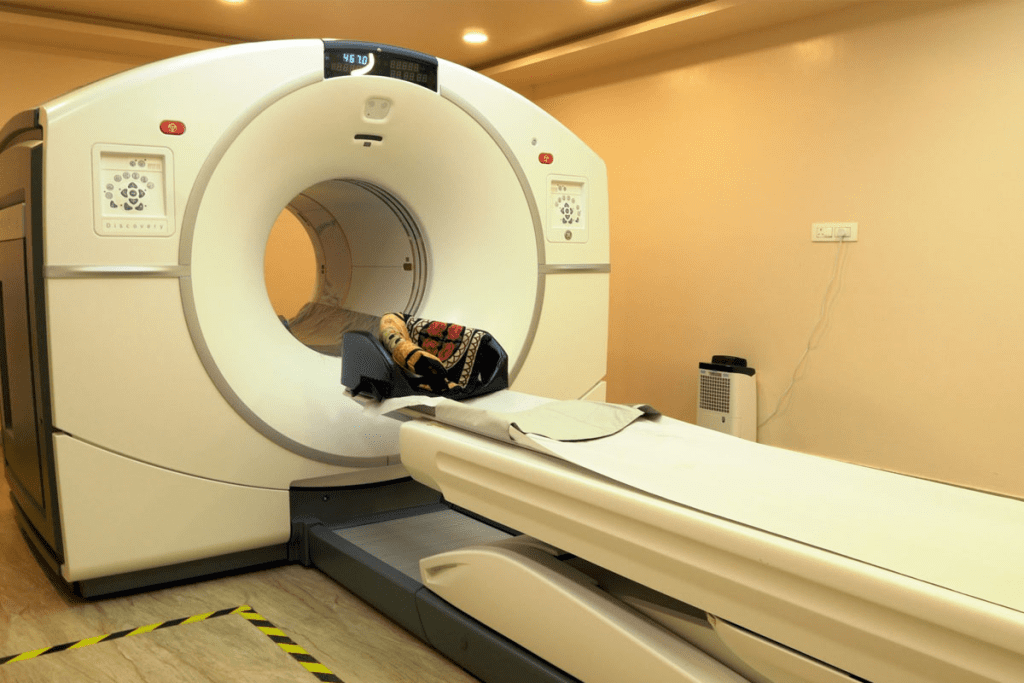
Every year, over 2 million PET scans are done in the United States. Disadvantages of PET Scan shows how important they are in medical care. PET scans help us find and treat diseases like cancer and brain problems.
Positron Emission Tomography (PET) lets us see how the body works. It helps us spot problems early. But, like any tool, PET scans have their own set of issues.
As we use PET scans more, knowing their drawbacks is key. We need to think about the risks and what they can’t do.
Key Takeaways
- PET scans are widely used for diagnosing and treating medical conditions.
- Despite their benefits, PET scans have several limitations.
- Understanding the drawbacks of PET scans is important for patients and doctors.
- PET scan limitations include health risks and accuracy problems.
- We must consider the good and bad when thinking about PET scans.
The Science Behind PET Scanning Technology

PET scans use radioactive tracers to see and measure how the body works. They help us understand the body’s metabolic processes. This is key in diagnosing and tracking diseases.
How Positron Emission Tomography Works
PET scanning technology uses a small amount of radioactive tracer. This tracer goes to areas with lots of activity, like growing cancer cells. When it decays, it sends out positrons that meet electrons, making gamma rays.
Our PET scanner catches these gamma rays. It creates detailed images of the body’s inside. This helps us see what’s going on inside.
“The use of PET scans has changed diagnostic medicine,” say medical experts. “They help find and treat diseases early.” The steps from getting ready to getting the scan are important. They help us get accurate and helpful information.
Common Medical Applications in the US Healthcare System
PET scans have many uses in the US healthcare system. They are mainly used in oncology, cardiology, and neurology. In oncology, they help find and track cancer. In cardiology, they check the heart’s function and health. In neurology, they help diagnose diseases like Alzheimer’s.
PET scan technology is very useful in medicine. Knowing how PET scans work and their uses helps us see their value. They improve patient care and outcomes.
Disadvantages of PET Scan: A Detailed Look
PET scans are useful for diagnosing, but they also have downsides. It’s important to know about these limitations. This helps us understand PET scan technology better and its role in healthcare.
Primary Categories of Limitations
PET scans have several main limitations. These include:
- Technical Limitations: Problems with the scanner’s resolution and sensitivity.
- Radiation Exposure: The amount of radiation from PET scans is a concern.
- Cost and Accessibility: PET scans are expensive and not available everywhere.
- Patient Factors: The physical and mental effects on patients during scans.
Knowing these areas helps us see the full picture of PET scans in medicine.
Weighing Benefits Against Drawbacks
It’s important to compare the good and bad of PET scans. They are great at spotting changes in tissues. This makes them very useful for finding and managing cancers and brain disorders.
But, there are downsides like radiation and high costs. We need to think about these carefully. This helps decide if a PET scan is right for a patient.
Here’s a quick look at the good and bad sides:
| Benefits | Drawbacks |
| High sensitivity for detecting metabolic changes | Exposure to radiation |
| Valuable for cancer and neurological disorder management | High costs and limited accessibility |
| Provides functional information about tissues | Potential for false positives or negatives |
By looking at these points, doctors can make better choices about using PET scans.
Radiation Exposure and Safety Concerns
PET scans are very useful for doctors to diagnose diseases. But, they also involve a risk of radiation exposure from the radiotracers used. This is a big worry for both patients and doctors.
The radiation from a PET scan is usually low. But, knowing how much radiation you get is important to understand the risks.
Understanding Radiotracer Exposure Levels
Radiotracers are special substances that give off positrons. These positrons meet electrons and create gamma rays. The PET scanner catches these rays.
The amount of radiotracer used is carefully planned. It’s based on your weight, the type of scan, and what the doctor needs to see.
Long-Term Radiation Risk Assessment
Looking at the long-term risks of PET scans involves several things. We consider how much radiation you get over time and the chance of getting cancer. We also think about how much good the scan does.
It’s worth noting that getting a lot of radiation from many scans can raise your cancer risk. So, doctors should only use PET scans when they really need to.
Knowing how much radiation you get and understanding the long-term risks helps us keep PET scans safe. This way, patients get the benefits of the scan without too much harm.
Financial Burden: Costs and Insurance Coverage
It’s key for patients and healthcare providers to know the financial side of PET scans. The cost can change a lot, and what insurance covers can vary too. So, it’s important to look into these details carefully.
Average PET Scan Pricing in American Hospitals
In the United States, PET scan prices can go from a few hundred to several thousand dollars. This depends on where you are and what the scan needs. Hospital charges include the radiotracer, the scan itself, and what the doctors say about it. For example, a big city hospital might charge more than a small town one.
These costs can be hard for many patients to handle. Also, extra fees might come up for things like physician consultations and follow-up care.
Medicare and Private Insurance Coverage Challenges
Getting insurance to cover PET scans can be tricky. Medicare and private insurance providers have their own rules. They decide when they’ll cover it and how much you’ll have to pay yourself.
- Medicare Part B might cover PET scans for some health issues, but you could have to pay a deductible and coinsurance.
- Private insurance can vary a lot, with some plans covering more than others.
It’s really important for patients to understand these insurance details. This helps them manage their healthcare costs better. Talking to their healthcare provider about insurance can also help clear up what they’ll have to pay.
Accessibility and Availability Limitations
PET facilities and their scheduling can affect how easily patients get these scans. We know PET scans are key in healthcare. But, where and when you can get them varies, impacting care.
Geographic Distribution of PET Facilities in the US
PET scan places aren’t spread out evenly in the US. Urban areas have more PET scan access than rural ones. This gap means longer travel for rural patients, possibly delaying care.
- Big cities usually have many PET scan centers.
- Rural spots often lack PET scan services.
- Some states have more PET facilities than others, causing uneven access.
Appointment Waiting Times and Scheduling Issues
Even with PET facilities, scheduling can be tough. Waiting times vary a lot based on the facility’s workload and patient needs.
- Emergency cases get priority, pushing non-emergency scans back.
- High demand in some areas means longer waits.
- Some places offer fast scheduling for extra cost or special cases.
We see how these issues affect patient care. By facing these problems, healthcare and policy makers can improve PET scan access for everyone.
Patient Discomfort and Experience Factors
Patients going through PET scans face many challenges. These include physical discomfort and emotional stress. The experience of a PET scan varies greatly, depending on the procedure and how anxious the patient is.
Physical Discomfort During the Procedure
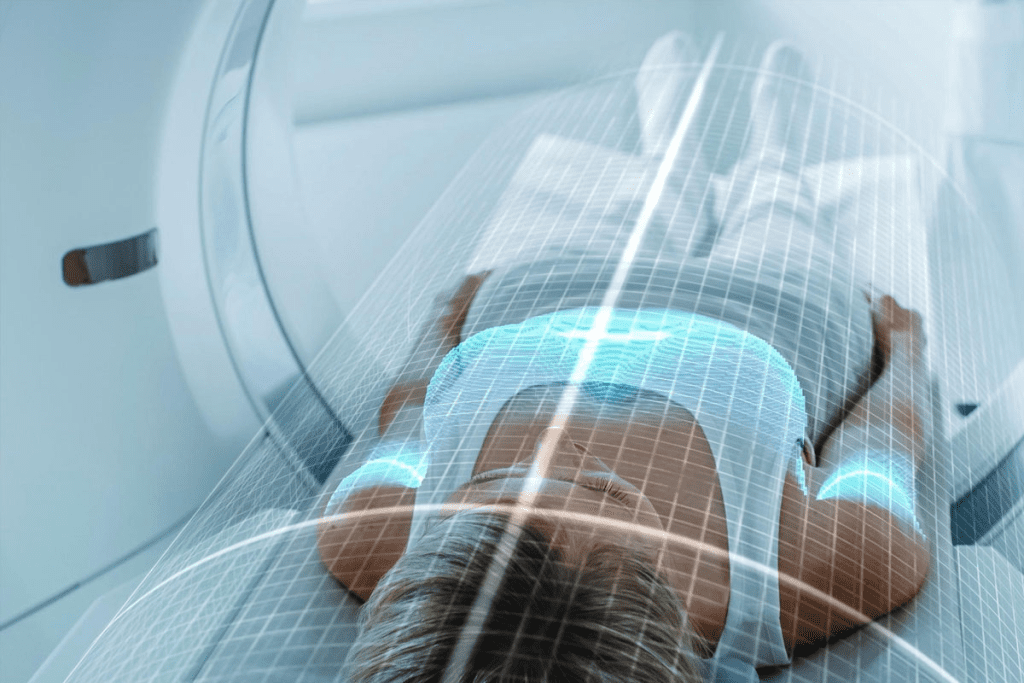
The PET scan process involves lying down on a table that slides into a scanner. This can cause physical discomfort for some. The scan can last from 30 to 60 minutes, requiring patients to stay very quiet.
This can be hard for those with back pain or claustrophobia. Also, fasting before the scan can make patients feel hungry or lightheaded. Preparing patients well can help lessen these issues.
Psychological Impact on Patients
The mental effects of a PET scan are significant. Waiting for the results and being in the scanner can cause a lot of psychological distress. Anxiety and claustrophobia are common, leading to panic attacks or severe discomfort.
Healthcare providers are now focusing on making the experience better. They explain the procedure clearly, teach relaxation techniques, and ensure support staff are available. This helps patients feel more at ease.
By tackling both physical and mental aspects of the PET scan, we can improve patient comfort. This approach not only makes the experience better but also leads to more accurate results.
Procedural Time Constraints and Limitations
PET scans are very helpful for diagnosis, but they have time limits. The whole process includes getting ready, the scan, and after-care. All these steps add up to the total time needed.
Pre-Scan Preparation Requirements
Getting ready for a PET scan is key and can affect the time needed. Patients often have to fast for hours before. They might also need to eat a certain way before the scan.
Administering the radiotracer also needs careful planning. This ensures the scan works best.
We outline the key pre-scan preparation steps in the following table:
| Preparation Step | Description | Time Requirement |
| Fasting | Avoid eating and drinking for several hours | 4-6 hours |
| Dietary Restrictions | Follow a specific diet to ensure accurate scan results | 24-48 hours |
| Radiotracer Administration | Allow time for the radiotracer to uptake in the body | 30-60 minutes |
Duration of Complete PET Scan Process
A PET scan usually takes 2 to 3 hours. This includes getting ready, the scan, and any extra steps.
“The entire PET scan process, from preparation to completion, is designed to ensure the highest quality diagnostic images. While it can be time-consuming, the detailed insights provided are invaluable for patient care.”
We break down the typical time for a PET scan:
- Registration and preparation: 30 minutes to 1 hour
- Radiotracer uptake time: 30-60 minutes
- PET scan procedure: 30-45 minutes
- Post-scan procedures and discharge: 15-30 minutes
Knowing these time limits helps manage patient expectations. It also makes PET scans more efficient in medical care.
Technical and Image Quality Limitations
PET scans are very useful but have some technical limits. These limits affect their image quality and usefulness in some cases.
Spatial Resolution Constraints
PET scans can’t see as much detail as MRI or CT scans. This is because of how positrons work and the technology used. Small things might not show up well, leading to missing parts of the disease.
New PET scanner tech is key to fixing this. High-resolution scanners can spot small issues better. This makes diagnosing more accurate.
Artifacts and Image Interpretation Difficulties
PET images can have problems that make them hard to read. These issues come from things like patient movement or scanner errors. For example, metal can hide important details or look like disease.
Reading PET scans also needs special skills. Things like the type of tracer and how the scan is done matter a lot. We must consider these to get the right diagnosis.
To solve these problems, we use advanced algorithms and correction methods. These help reduce issues and make images clearer. This makes PET scans more useful for doctors.
Special Population Risks and Considerations
Using PET scans on vulnerable groups needs careful thought. We must look at the risks and benefits for each group. This helps us understand the challenges they face.
Pregnancy and Breastfeeding Contraindications
Pregnant women face risks from radiation. We must think hard about the benefits of a PET scan for them. Sometimes, we choose other tests instead.
For breastfeeding moms, there’s a worry about radiopharmaceuticals in milk. We have rules to help them safely start breastfeeding again after the test.
Pediatric PET Scan Challenges
Dealing with kids is complex. Their small size and growing bodies need special care. We adjust doses and techniques to protect them.
We aim to use as little radiation as possible. This helps us get good images without harming them.
Elderly and Critically Ill Patient Considerations
Older and very sick patients have their own issues. Their health problems and complex conditions make decisions harder. We consider their health and the scan’s value carefully.
We work with them and their families to make the test safe and comfortable. This is key for their well-being.
In summary, using PET scans on special groups needs careful thought. We balance their needs with safety and comfort. This way, we make the most of this important tool.
Medical Contraindications and Physiological Limitations
It’s important to know the medical and physical limits of PET scans for safe use. These scans are very useful for diagnosis but not for everyone. This is because of health issues and physical states.
Blood Glucose Level Interference
Blood sugar levels can affect PET scan results, mainly for F-FDG PET scans. High blood sugar can make the scan results less accurate. To avoid this, patients often need to fast before the scan.
We advise patients to follow certain diet rules before a PET scan. This ensures the scan results are accurate. Here are the typical guidelines:
| Preparation | Guideline |
| Fasting Duration | 4-6 hours |
| Allowed Intake | Water |
| Diabetic Patient Instructions | Consult doctor about medication and fasting |
Allergic and Adverse Reactions
Allergic reactions or adverse effects to the PET scan’s radiotracer are possible. These can be mild or severe. People with allergies or sensitivities should tell their doctor.
Medication and Treatment Interactions
Some medications and treatments can affect PET scans. This might make them less safe or effective. Patients need to tell their healthcare provider about all their medications and treatments.
We help patients manage these interactions for safe PET scans. Our team checks each patient’s medication and treatment plan. This helps reduce risks.
Comparative Disadvantages: PET vs. Alternative Imaging
When we look at different imaging options, knowing their downsides is key. We’ll compare PET scans to CT and MRI to see what each can and can’t do.
PET vs. CT Scan Limitations
PET scans and CT scans are used for different things. PET scans show how active cells are, while CT scans give detailed pictures of the body. But, PET scans can’t pinpoint problems as well as CT scans because they have lower detail.
| Feature | PET Scan | CT Scan |
| Spatial Resolution | Lower | Higher |
| Primary Use | Metabolic Activity | Anatomical Detail |
| Radiation Exposure | Variable | Moderate to High |
Yet, PET scans are great for looking at how cells work, which is vital in cancer and brain studies. CT scans, on the other hand, are quicker and show more body details, which is good in emergencies.
PET vs. MRI Drawbacks
MRI is top-notch for seeing soft tissues and doesn’t use harmful radiation. But, PET scans can’t match MRI in showing soft tissue details.
MRI is better for brain and muscle studies because it shows soft tissues well. But, PET scans are better at showing how cells work, which MRI can’t do.
Hybrid Imaging Considerations
Hybrid imaging, like PET/CT and PET/MRI, combines the best of both worlds. They give more detailed info than just one scan.
- PET/CT mixes PET’s metabolic info with CT’s body pictures.
- PET/MRI combines PET’s cell activity with MRI’s soft tissue clarity.
Hybrid imaging is a big step forward but adds complexity and cost. Choosing between PET, CT, MRI, or hybrid imaging depends on the case, patient, and what’s available.
In summary, knowing the downsides of PET scans compared to other imaging is key for better patient care. By understanding each tech’s strengths and weaknesses, we can make better choices.
Future Innovations Addressing Current PET Scan Drawbacks
Medical technology is getting better, and PET scans are no exception. New research aims to make PET scans better and fix their problems. This means better diagnosis and fewer issues.
Technological Advancements in Development
In recent years, big tech improvements have hit PET scans. Better scanners and algorithms are making images clearer and scans shorter. For example, time-of-flight PET has improved image quality and cut down scan times.
Another big step is combining PET with CT and MRI. These combos give doctors more info. They mix PET’s functional data with CT or MRI’s detailed images.
Radiation Dose Reduction Strategies
Reducing radiation for patients is a major goal. Scientists are looking for new ways to use less radioactive material. They’re also working on scanners that need less radiation to get great images.
They’re trying out new algorithms for better images at lower doses. And they’re making scanners more sensitive for quicker scans and less radiation.
Accessibility and Cost Improvement Initiatives
Making PET scans more accessible and affordable is key. Efforts are underway to bring PET tech to more places. This includes areas where advanced imaging is hard to get.
To cut costs, they’re working on cheaper PET scanners and generic radiotracers. These can be less pricey than the ones used now. Also, making scans more efficient can lower costs by saving time.
Conclusion
PET scans are a key tool in modern medicine, but they have their limits. They expose patients to radiation and can be expensive. They also face challenges like accessibility and technical issues.
PET scans are vital for diagnosing and managing many health conditions, mainly in the US. But, we must consider the risks and limitations for each patient. This helps in making informed decisions about their use.
New technologies aim to improve PET scans. These include ways to reduce radiation exposure and make scans more affordable and accessible. As these advancements grow, PET scans will likely become safer and more effective, helping patients more than ever before.
By recognizing the downsides of PET scans and looking to the future, we can make them better. This ensures they continue to help patients all over the world.
FAQ
What are the main disadvantages of PET scans?
PET scans have several drawbacks. These include radiation exposure, high costs, and limited access. They can also cause patient discomfort and have technical limitations.
How does radiation exposure from PET scans affect patients?
PET scans use radioactive tracers, leading to radiation exposure. This is generally safe but can pose risks for younger patients or those getting many scans.
Are PET scans covered by insurance, including Medicare?
Insurance for PET scans can be tricky. Medicare and some private insurers cover them for specific reasons. But, they might not cover all uses or if certain criteria aren’t met.
What factors limit access to PET scans?
PET scans are not available everywhere. Even where they are, delays can happen because they’re in high demand.
How do PET scans compare to other imaging modalities like CT and MRI?
PET scans have their own set of drawbacks compared to CT and MRI. These include differences in radiation, image quality, and the information they provide.
What are the physical and psychological impacts on patients undergoing PET scans?
Patients might feel uncomfortable during a PET scan. This can include feelings of claustrophobia or anxiety. They also have to stay very quiet and calm for a long time.
Are there special considerations for certain populations undergoing PET scans?
Yes, certain groups need extra care. This includes pregnant or breastfeeding women, children, and the elderly or very sick. They face unique risks or challenges with PET scans.
What are the technical limitations of PET scans?
PET scans have technical limits. These include poor spatial resolution and challenges in interpreting images. These can affect how accurate and useful the results are.
How are medical contraindications and physiological limitations related to PET scans managed?
Factors like blood sugar levels, allergic reactions, and medication interactions are managed. This ensures PET scans are safe and effective for patients.
What future innovations are being developed to address the current drawbacks of PET scans?
New research and technology aim to improve PET scans. This includes reducing radiation, better image quality, easier access, and lower costs.
What are the possible risks and side effects of PET scans?
PET scans can pose risks like radiation exposure and allergic reactions to the tracer. There can also be complications from the tracer injection.
How can patients minimize the disadvantages of PET scans?
Patients should talk to their doctor about risks and benefits. They should follow instructions carefully and report any discomfort during the scan.
References
- Guttikonda, R., Herts, B. R., Dong, F., Baker, M. E., Fenner, K. B., & Pohlman, B. (2014). Estimated radiation exposure and cancer risk from CT and PET/CT scans in patients with lymphoma. European Journal of Radiology, 83(6), 1011-1015. https://doi.org/10.1016/j.ejrad.2014.02.015
- Howington, J. A., Gould, M. K., Tanoue, L. T., & others. (2008). Role of PET scan in diagnosis, staging, and management of Non-Small Cell Lung Cancer. The Oncologist, 9(6), 633-642. https://academic.oup.com/oncolo/article/9/6/633/6388088