Last Updated on November 27, 2025 by Bilal Hasdemir
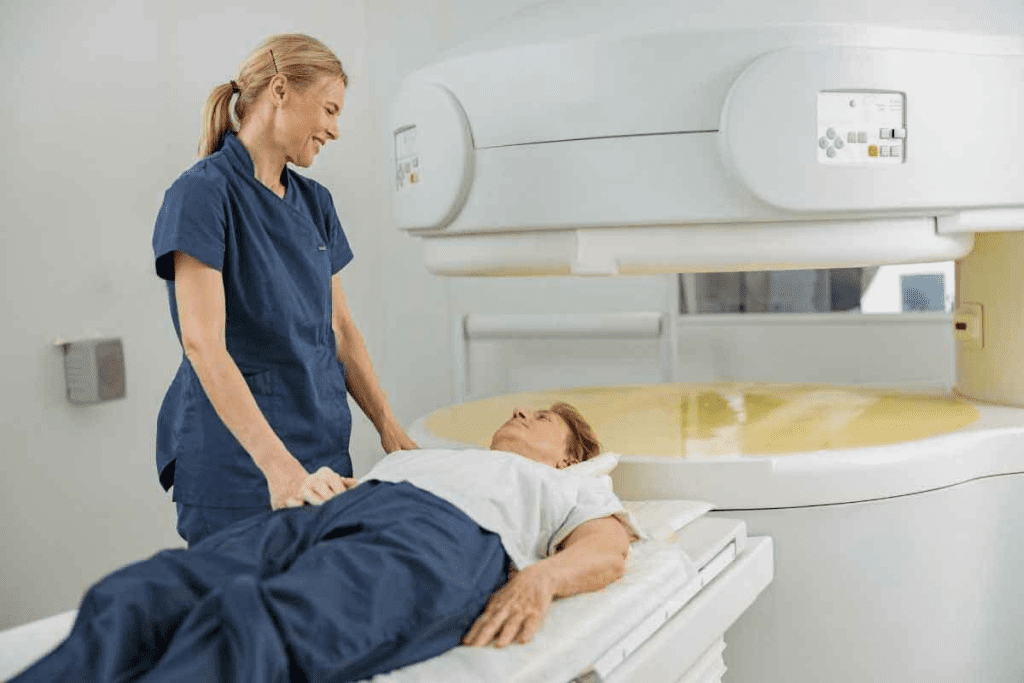
Positron emission tomography (PET) scans are advanced tools in medicine. At LivHospital, we use them to check how organs and tissues work. We do this with small amounts of radioactive materials called radiotracers.
While PET scans are key for diagnosis and tracking, it’s important to know their limitations and safety concerns. This knowledge helps us make better choices.
PET scans have their own set of downsides. We’ll look at the disadvantages of PET scans, like radiation risks, possible allergic reactions, and limits in diagnosis. For more on PET scan safety, check our detailed look at whether PET-CT scans are dangerous.
Key Takeaways
- PET scans use small amounts of radioactive materials to evaluate organ and tissue functions.
- Radiation exposure is a significant concern with PET scans.
- Potential allergic reactions to radiotracers can occur.
- Diagnostic limitations may affect the accuracy of PET scan results.
- Understanding the drawbacks of PET scans is critical for making informed decisions.
What Are PET Scans and How Do They Work?

Positron Emission Tomography (PET) scans are key in today’s medicine. They show how the body’s cells work. Doctors use them to check if organs and tissues are healthy.
The Science Behind Positron Emission Tomography
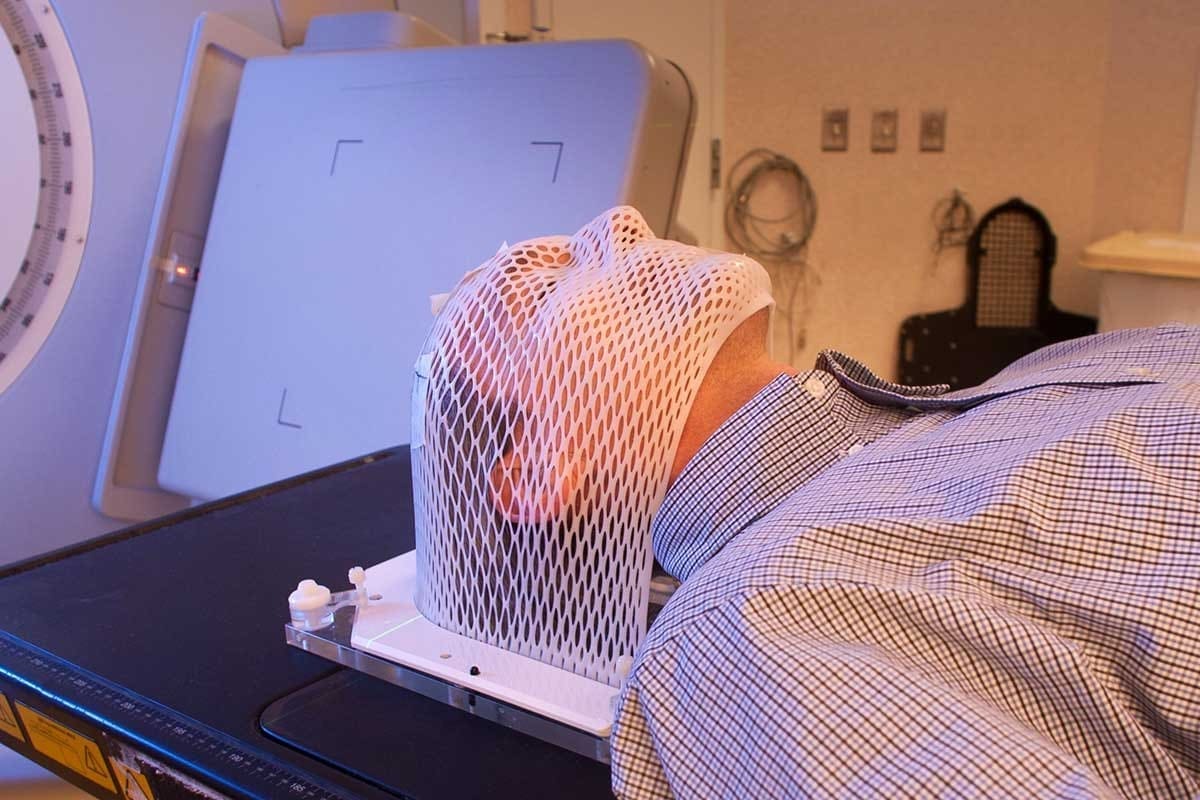
PET scans use a tiny bit of radioactive tracer. This tracer goes into the body and finds active areas, like cancer cells. When it decays, it sends out gamma rays that the scanner catches.
“The tech behind PET scans is amazing,” says a nuclear medicine expert. “It helps find diseases early and track treatments.” This tech is vital for accurate diagnoses and tracking treatment.
Radioactive Tracers and Their Function
The main tracer used is Fluorodeoxyglucose (FDG). It’s a sugar molecule with a radioactive tag. Cancer cells eat more sugar, so they grab more FDG. This makes them show up on the scan.
Common Medical Applications
PET scans help in many areas, like oncology, neurology, and cardiology. They help find and track cancer, study brain diseases, and check heart health. Their ability to show how the body works makes them very useful.
Learning about PET scans helps us see their value and limits in healthcare.
Radiation Exposure: A Primary Safety Concern

PET scans use small amounts of radioactive tracers to help diagnose and monitor health issues. These tracers emit ionizing radiation, which can potentially harm patients. This is a major safety concern for patient safety.
Quantifying Radiation Dose in PET Procedures
The radiation dose from a PET scan is measured in millisieverts (mSv). The PET scan alone has a dose of about 7.5 mSv. But, when combined with CT scans, the dose can go up to 30 mSv.
For comparison, the average annual background radiation is about 3 mSv. So, a PET-CT scan can expose a patient to the equivalent of several years of background radiation. This is why it’s important to carefully consider and justify PET scans, even more so for young patients.
Cumulative Radiation Exposure Risks
Cumulative radiation exposure is a big concern, mainly for patients who have many PET scans over their lifetime. The risk of harm, like cancer, increases with the total dose. It’s key to keep track of a patient’s radiation history and try to limit the number of scans.
Healthcare providers should aim to reduce radiation exposure. This can be done by using the least amount of radiotracer needed and optimizing scanning methods. Also, consider using non-radiation imaging like MRI or ultrasound when it’s safe to do so.
Comparison to Other Radiation Sources
PET scans are not the only source of medical radiation. Other procedures, like CT scans and X-rays, also use ionizing radiation. But, PET scans usually have a lower dose than CT scans. It’s important to compare the doses from different imaging procedures to understand the risks and benefits.
| Imaging Procedure | Typical Radiation Dose (mSv) |
|---|---|
| PET Scan | 7.5 |
| PET-CT Scan | 14-30 |
| CT Scan | 2-10 |
| X-ray | 0.01-0.1 |
The table shows that while PET scans involve radiation, the dose can be managed. Healthcare providers must weigh the benefits of PET scans against the risks. They should also talk to patients about these concerns to help them make informed choices.
“The risk of radiation-induced cancer from PET scans is a concern, but it should be balanced against the benefits of accurate diagnosis and treatment monitoring.”
” Expert Opinion
Patient Contraindications and Exclusions
When it comes to PET scans, some patients need extra care. This is because of certain risks. We make sure to check these risks carefully. This helps keep patients safe and makes sure the scan works well.
Pregnancy and Breastfeeding Restrictions
Pregnant women can’t have PET scans because of the risk of radiation to the baby. Women who might be pregnant must take a pregnancy test first. Breastfeeding moms also face special issues. The scan’s tracer can get into their milk.
We tell breastfeeding moms to throw out their milk after the scan. This helps keep the baby safe from the tracer.
| Condition | Precaution | Rationale |
|---|---|---|
| Pregnancy | Pregnancy test before PET scan | Minimize fetal radiation exposure |
| Breastfeeding | Express and discard milk post-scan | Reduce infant exposure to radioactive tracer |
Pediatric Patient Considerations
Kids are extra sensitive to radiation, so we take extra steps. We adjust the scan’s dose based on the child’s size and age. We also help kids feel calm and ready for the scan.
Patients with Severe Medical Conditions
People with serious health issues need special care. For example, diabetics might need to change their medicine or fasting plans. We work with doctors and patients to handle these situations well.
By knowing and dealing with these risks, we make sure PET scans are safe and helpful. They give us important information while keeping patients healthy.
Allergic Reactions and Tracer Complications
Allergic reactions to PET scan radiotracers are rare but serious. It’s important to know about these risks to keep patients safe. This is key as we use PET scans more for diagnosis.
Common Radiotracer Side Effects
Most people don’t have big problems with PET scans. But some might feel a little off after the scan. Common side effects include:
- Mild rash or itching at the injection site
- Temporary discomfort or pain during or after the injection
- Nausea or dizziness
These issues usually go away quickly. But it’s important to tell your doctor if you feel anything strange.
Severe Allergic Response Risks
Very rarely, a severe allergic reaction called anaphylaxis can happen. This is a life-threatening condition that requires immediate medical attention. Signs of anaphylaxis include:
- Difficulty breathing or swallowing
- Rapid heartbeat
- A sudden drop in blood pressure
- Confusion or loss of consciousness
Monitoring and Managing Complications
Patients are watched closely during and after the scan. Medical staff are trained to recognize the signs of an allergic reaction and respond. They have emergency gear and meds ready.
Before the scan, tell your doctor about any allergies or past reactions. This helps them plan and keep you safe.
In short, while allergic reactions to PET scan radiotracers are rare, they’re a big deal. Knowing the risks and being ready helps doctors use PET scans safely and effectively.
Metabolic Factors Affecting Scan Accuracy
It’s key to know how metabolic factors impact PET scan accuracy. These factors can greatly affect how well PET scans show the body’s inner workings.
Diabetes and Blood Glucose Interference
Diabetes can mess with PET scan results. High blood sugar in diabetics can change where the tracer goes. This might make the scan not as accurate. We tell diabetic patients to control their blood sugar before the scan for the best results.
Fasting Requirements and Restrictions
Fasting is needed before a PET scan to get clear results. How long you fast depends on the scan and your health. We tell patients to stick to their fasting plan to get the most accurate scan.
Medication Interactions with PET Imaging
Some meds can mess with PET scans by changing how the body uses glucose. This can affect what the scan shows. Patients need to tell their doctor about all the medications they’re taking before the scan.
| Metabolic Factor | Impact on PET Scan | Precautionary Measures |
|---|---|---|
| High Blood Glucose Levels | Alters tracer distribution, potentially leading to inaccurate results | Manage blood glucose levels before the scan |
| Fasting Status | Affects metabolic activity during the scan | Follow specific fasting instructions |
| Medication Use | Can influence glucose metabolism and tracer uptake | Disclose all medications to the healthcare provider |
By managing these metabolic factors, we can make PET scans more accurate. This leads to better care for our patients.
Substance Use Impact on Results
It’s important to know how substances like caffeine, alcohol, and tobacco can change PET scan results. Using these substances before a PET scan can affect the results. So, it’s key for patients to follow the pre-scan guidelines closely.
Caffeine Consumption Effects
Caffeine is a stimulant that can change how the body works. Drinking caffeine within 24 hours of a PET scan might mess up the scan’s results. We suggest avoiding caffeine for at least 24 hours before a PET scan to get accurate results.
Alcohol and Tobacco Interference
Alcohol and tobacco can change how the body uses energy and how the tracer in PET scans works. Alcohol can cause inflammation and change how the body uses glucose. Tobacco can affect blood flow and energy use. It’s best for patients not to drink alcohol or use tobacco for at least 24 hours before a PET scan.
Pre-Scan Substance Restrictions
To get accurate PET scan results, patients need to follow certain rules before the scan. The table below shows what substances to avoid before a PET scan.
| Substance | Recommended Avoidance Period |
|---|---|
| Caffeine | At least 24 hours |
| Alcohol | At least 24 hours |
| Tobacco | At least 24 hours |
By following these guidelines, patients can help make sure their PET scan results are accurate. This helps doctors diagnose and plan treatment better.
Psychological Barriers to Effective Imaging
The success of a PET scan depends on more than just the technology. The patient’s mental state during the scan is also key. Claustrophobia and anxiety can greatly affect the imaging, leading to poor results or the need for more scans.
Claustrophobia During PET Procedures
Claustrophobia, or fear of enclosed spaces, is a big issue for PET scan patients. The scan requires lying in a scanner that feels tight. Patients with claustrophobia may feel very anxious, making it hard to stay calm and follow directions.
To help, some places have open PET scanners or offer relaxation methods. But not all places have these options, and some patients might need extra help.
Anxiety and Its Impact on Test Results
Anxiety can also affect PET scan results. Anxious patients may find it hard to stay in one place, leading to blurry images. Anxiety can also change heart rate and blood pressure, affecting the scan’s accuracy.
“Anxiety can significantly impact the quality of PET scan images, making it essential to address patient anxiety before and during the procedure.”
Using counseling, relaxation techniques, or sedation can help manage anxiety. This can improve the PET scan’s success and the patient’s experience.
Sedation Considerations and Limitations
For those with severe claustrophobia or anxiety, sedation might be an option. But sedation comes with its own risks and challenges. Sedation needs close monitoring and can have side effects, so it’s important to consider each patient’s situation carefully.
| Sedation Option | Benefits | Limitations |
|---|---|---|
| Mild Sedation | Relaxation, reduced anxiety | Potential for respiratory issues |
| Deep Sedation | High level of relaxation, suitable for severe claustrophobia | Requires extensive monitoring, higher risk of complications |
In conclusion, while sedation can help with PET scan challenges, it’s vital to think about each patient’s needs and health before using it.
Physical Discomfort and Procedural Challenges
Getting a PET scan is more than just getting ready. It takes physical strength and teamwork. Patients must stay very quiet for a long time. This can be tough, mainly for those who have trouble moving or feel pain.
Extended Immobility Requirements
One big challenge of PET scans is staying very quiet for a long time. This can last from 30 minutes to hours. It depends on the scan type and what the doctor needs.
Staying quiet is key because moving can mess up the pictures. But it can also be hard on people who are already in pain or uncomfortable.
Physical Strain on Vulnerable Patients
Older people or those with long-term health issues might find PET scans hard. Conditions like arthritis or back pain can make it worse. Even those who are scared of tight spaces might struggle.
Doctors try to help by making sure patients are comfortable. They use special devices or might choose other tests if needed.
Accessibility Issues for Mobility-Limited Individuals
PET scan places need to be easy for everyone to get to. This means the equipment must be reachable. The staff also needs to know how to help patients with disabilities.
| Accessibility Feature | Description | Benefit |
|---|---|---|
| Wheelchair Accessibility | PET scan rooms are designed to accommodate wheelchairs | Eases access for mobility-impaired patients |
| Adjustable Scanning Tables | Tables that can be adjusted to different heights | Facilitates transfer for patients with mobility issues |
| Trained Support Staff | Staff trained to assist patients with disabilities | Provides emotional comfort and physical assistance |
By tackling these issues, doctors can make PET scans better for everyone. This makes the whole experience more comfortable and easier to get to.
False Positives and Diagnostic Limitations
Getting a correct diagnosis is key, and PET scans sometimes have false positives. These scans are very useful, but have limits we need to know to understand them correctly.
PET scans can show things that aren’t cancer as if they were. This can worry patients and lead to more tests that might be too invasive.
Non-Cancerous Conditions Mimicking Malignancies
Some non-cancerous issues can look like cancer on PET scans. For example, inflammatory processes or infections can show up as tumors. We must think about these false positives when we look at PET scan results.
Here are some examples of non-cancerous conditions that can cause false positives:
- Sarcoidosis, a condition with inflammatory granulomas
- Infectious diseases, like tuberculosis
- Granulomatous diseases, which cause inflammation
Inflammation and Infection Misinterpretations
Inflammation and infection often cause false positives in PET scans. The body’s fight against these can look like cancer. We must figure out the real cause by looking closely and possibly doing more tests.
To avoid mistakes, we need to look at the whole picture. This includes the patient’s symptoms, medical history, and other test results.
Specificity Challenges in Diagnosis
PET scans are very good at showing changes in the body, but aren’t always sure about cancer. This can lead to false positives and make diagnosing harder.
To get better results, we can use PET scans with other tests like CT or MRI. This helps us get a clearer picture. We need to keep working on how we diagnose to help patients more.
Comprehensive Disadvantages of PET Scans Compared to Alternative Imaging
PET scans have their own set of drawbacks when compared to other imaging methods. They offer unique benefits but have limitations compared to CT and MRI.
Resolution Limitations Versus CT and MRI
PET scans have lower spatial resolution than CT or MRI. This can impact diagnosis accuracy, mainly when detailed anatomy is needed. CT scans show internal structures clearly, making them better in some cases. MRI, with its soft tissue contrast, is great for brain and spine issues.
When picking an imaging method, these resolution issues are key.
Cost-Benefit Analysis Against Other Modalities
PET scans are often more expensive than CT or MRI due to the cost of radioactive tracers. A cost-benefit analysis is needed to justify PET scans, considering whether other methods could give similar results.
Economic considerations aside, PET scans’ ability to show tissue and organ function is important. We must decide if the extra cost is worth better patient care.
Accessibility and Availability Constraints
PET scans need special equipment and facilities, like a cyclotron for tracers. This limits PET scans in rural or underserved areas.
Accessibility is also a big issue. Patients may have to travel far for a PET scan, which is hard, even for those with serious health issues. CT and MRI machines are more common, making them easier to access.
When referring patients for PET scans, we must weigh the benefits against the challenges of accessibility and availability.
Conclusion: Weighing PET Scan Benefits Against Risks
We’ve looked into PET scans, their good points, and downsides. They help doctors find diseases early and plan treatments well. But, they also have some risks.
The amount of radioactive material used is tiny. So, there’s no need to worry about radiation, says the University of Rochester Medical Center.
PET scans can spot diseases early and help plan treatments. But some things can affect how accurate they are. This includes high blood sugar in diabetics and caffeine, alcohol, or tobacco use within 24 hours.
Knowing the good and bad of PET scans helps doctors and patients make smart choices. We need to think carefully about using them. This way, we can get the most benefits while keeping risks low.
FAQ
What are the main disadvantages of PET scans?
PET scans have some downsides. These include radiation exposure and the chance of allergic reactions to the tracer. They can also give false positives and cause physical discomfort.
Is a PET scan dangerous due to radiation exposure?
PET scans use ionizing radiation, which is a concern. But the benefits often outweigh the risks. Steps are taken to reduce radiation exposure.
Can I have a PET scan if I’m pregnant or breastfeeding?
No, PET scans are not safe during pregnancy due to radiation risks. Breastfeeding women might need to stop after a scan because of the tracer in breast milk.
How do metabolic factors like diabetes affect PET scan accuracy?
Diabetes can affect PET scan results. The tracer competes with glucose, and high blood sugar can reduce uptake. This might change the scan’s findings.
Are there any substance restrictions before undergoing a PET scan?
Yes, avoid caffeine, alcohol, and tobacco before a PET scan. These substances can affect the scan’s accuracy.
Can anxiety or claustrophobia affect my PET scan experience?
Yes, anxiety and claustrophobia can make the experience harder. Sedation might be an option for those who are very anxious or claustrophobic.
How do PET scans compare to other imaging modalities like CT and MRI?
PET scans are great for showing metabolic activity. CT and MRI are better for detailed anatomy. The right choice depends on what you need to diagnose.
What are the limitations of PET scans in diagnosing diseases?
PET scans can sometimes mistake non-cancerous conditions for cancer. Knowing these limitations is key to accurate diagnosis and treatment.
Are there any long-term risks associated with repeated PET scans?
Repeated PET scans increase radiation exposure, which might raise cancer risk. But the benefits of PET scans are weighed against these risks.
How can I minimize the risks associated with PET scans?
Follow pre-scan instructions carefully. Tell your doctor about any health conditions or allergies. Discuss any concerns about radiation or other risks.
Reference
- Gutiérrez-Gutiérrez, G., et al. (2021). Diagnostic accuracy and utility of PET-CT in cancer care: A systematic review. BMJ Open, 11(11), e052542. https://bmjopen.bmj.com/content/11/11/e052542